
Bale Mountains National Park’s high-altitude worlds near Dinsho
Published on 09/10/2026 at 14:07 | Editorial responsibility: Rafael Müller, Editor-in-Chief AD HOC NEWS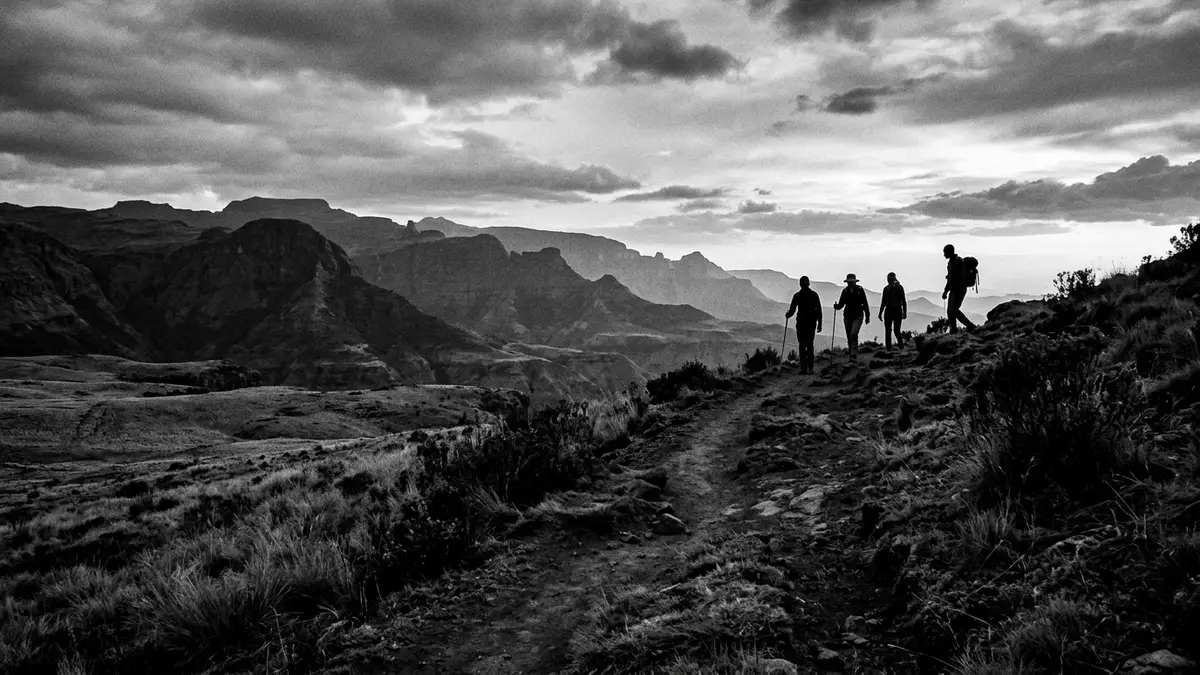
Bale Mountains National Park in Ethiopia’s Oromia Region spreads south and east of Dinsho across a highland landscape where afro-alpine moorland, grassland and forest sit within one protected area. Established as a national park in 1970 and later recognised on the UNESCO World Heritage List, it combines high plateaux, volcanic peaks and deep forested slopes in a setting that has become central to conservation in the Bale–Arsi Massif.Established in 1970 and legally protected as a World Heritage property, Bale Mountains National Park offers a rare chance to see intact afro-alpine habitats at scale.World Heritage List recognition
Afro-alpine plateaux and high peaks above Dinsho
The core of Bale Mountains National Park lies in the Bale–Arsi Massif of the south-eastern Ethiopian Highlands, roughly south-east of Addis Ababa and reached from the small town of Dinsho on the northern edge.Location in the Bale–Arsi Massif Much of the park is occupied by the Sanetti Plateau, an undulating highland that rises above 3,000 m (9,843 ft) and reaches a maximum elevation of around 4,377 m (14,357 ft) on one of the massif’s highest summits.Altitude range across the park
The plateau carries extensive afro-alpine moorland dotted with glacial lakes, swampy depressions and rocky outcrops, framed by higher volcanic ridges that give the park its wide horizons.Sanetti Plateau description To the north of this high country, the Dinsho and Gassay plains provide open montane grassland and river valleys, while to the south the slopes drop into the Harenna Forest, one of Ethiopia’s largest remaining highland forest blocks with dense, humid woodland and more enclosed views.Northern plains and Harenna Forest
Habitats, wildlife and a conservation stronghold
The protected area covers around 215,000 ha and includes several major vegetation zones ranging from afro-alpine moorland and montane grassland to Hagenia woodland, bamboo stands and cloud forest.Five major vegetation zones These habitats support a high level of endemism, with numerous plants, rodents, primates and larger mammals found only in the Ethiopian Highlands and, in many cases, only within Bale Mountains National Park.Endemic species highlighted in conservation report
Bale Mountains National Park is strongly associated with the Ethiopian wolf, Canis simensis, regarded as the world’s most endangered canid, whose largest remaining population hunts rodents across the Sanetti Plateau and neighbouring valleys.Ethiopian wolf population Other notable mammals include mountain nyala, Bale monkey and a range of endemic rodents, while birdlife is rich, with many highland species using the afro-alpine and forest habitats recognised within international bird and biodiversity programmes.Recorded mammals and birds
Human access, park structure and regional context
The park lies in the Bale Zone of Oromia National Regional State, with Dinsho acting as a gateway settlement close to its northern boundary.Location in Bale Zone Within the protected area, management by the Ethiopian Wildlife Conservation Authority is structured around core conservation zones, sustainable-use areas and community zones, reflecting the mix of wildlife habitat and long-established human use in surrounding lands.Zonation and management
Bale Mountains National Park forms part of a wider network of highland conservation areas in Ethiopia and sits within the Eastern Afro-montane Biodiversity Hotspot and the Ethiopian Highlands ecoregion.Placement in global conservation frameworks Rivers rising on the plateau and in the forested slopes drain towards different basins and supply water to communities far from the park, giving these protected highlands a role in regional hydrology as well as biodiversity.
Visiting Bale Mountains National Park: what travellers from Western Europe should know
- Bale Mountains National Park lies in south-eastern Ethiopia’s Oromia Region; travellers usually reach the area via Addis Ababa before continuing overland towards Dinsho and the Bale highlands.
- The high plateau and surrounding peaks rise above 3,000 m (9,843 ft), so walking routes and viewpoints involve altitude, uneven ground and sections of track that can be exposed to weather.
- Within the park, terrain ranges from open grassland and moorland near the roads to denser forest on the southern slopes, where paths may be enclosed by vegetation and the ground underfoot can be damp.
- The official language is Amharic and the currency is the Ethiopian birr.
- Entry requirements depend on your nationality; UK travellers can check the FCDO travel advice at gov.uk/foreign-travel-advice, Irish travellers the Department of Foreign Affairs at ireland.ie.
Searching for Bale Mountains National Park on social platforms
These links open searches for Bale Mountains National Park on each platform.Frequently asked questions about Bale Mountains National Park
Where is Bale Mountains National Park in relation to Dinsho?
Bale Mountains National Park lies in the Bale Zone of Ethiopia’s Oromia Region, with Dinsho near its northern boundary and road access into the protected highlands.
What landscapes can visitors expect on a visit?
Visitors encounter afro-alpine moorland on the Sanetti Plateau, open grassland around Dinsho and dense Harenna Forest on the southern slopes, along with rivers and high peaks.
What makes Bale Mountains National Park distinctive among African highland parks?
The park combines extensive afro-alpine habitat, large tracts of highland forest and high endemic wildlife such as the Ethiopian wolf and mountain nyala in one continuous protected area.


