Bale Mountains National Park: high-altitude worlds above Dinsho
Published on 09/09/2026 at 21:44 | Editorial responsibility: Rafael Müller, Editor-in-Chief AD HOC NEWS
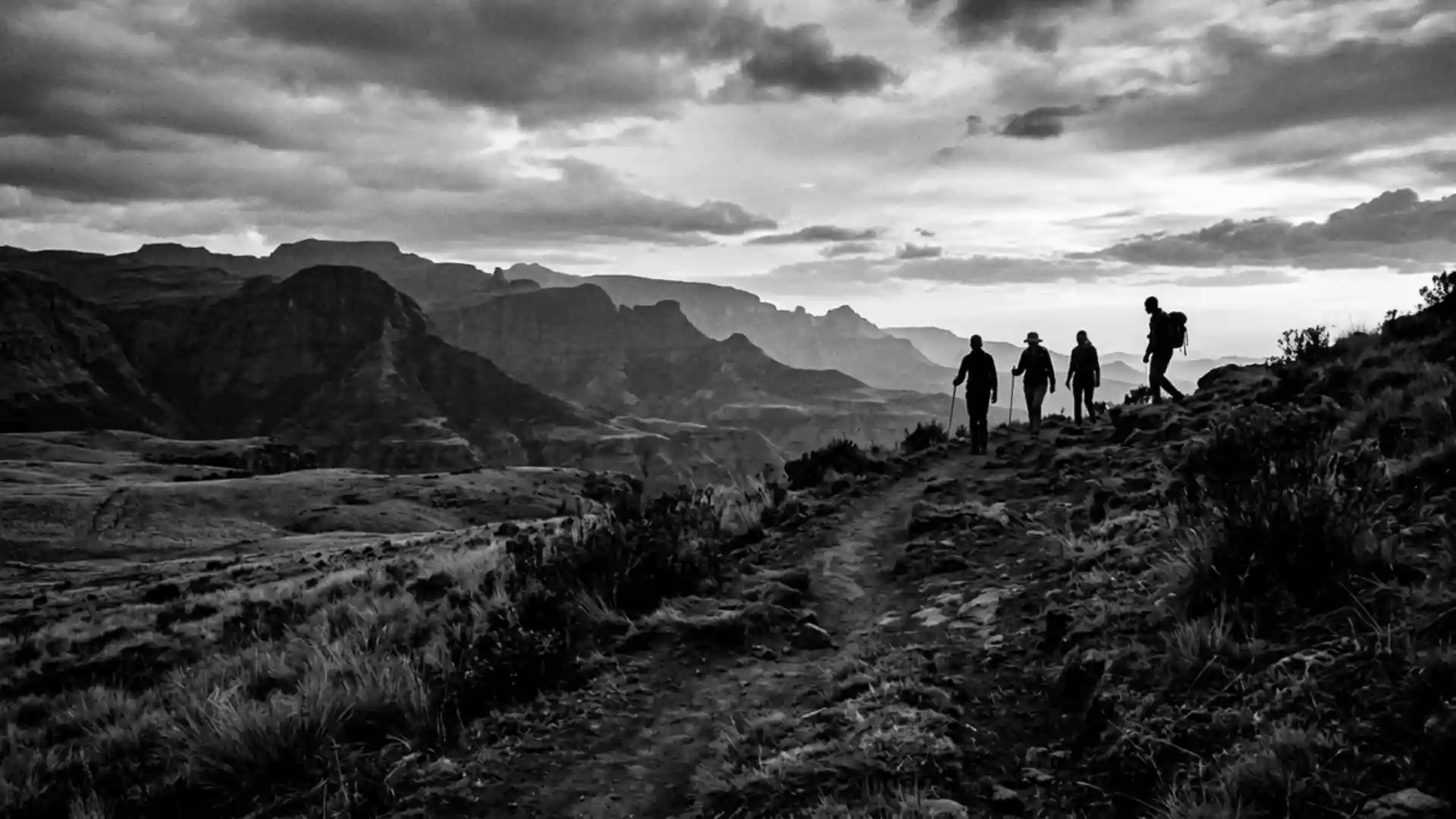
Bale Mountains National Park in southern Ethiopia stretches across the Bale-Arsi massif above Dinsho, gathering high plateaux, volcanic peaks and deep forests into one protected landscape.
Afro?alpine heights and the Sanetti Plateau
Bale Mountains National Park sits in the southeastern Ethiopian Highlands, within the Bale Zone of the Oromia National Regional State, on a high block of mountains and upland plateaux south-east of Addis Ababa.southeastern Ethiopian Highlands The park forms part of the Bale-Arsi massif, an elevated region of the Ethiopian Highlands with broad summits and deeply cut valleys above surrounding plains.Bale-Arsi massif
The most striking visible feature for many visitors is the Sanetti Plateau, an afro?alpine tableland that rises to well over 4,000 m (13,123 ft) in places and carries undulating moorland broken by glacial hollows and scattered tarns.Sanetti Plateau rises to over 4,000 m On clear days this plateau offers long horizons across volcanic ridges, with Tulu Dimtu, one of Ethiopia’s highest summits, lifting the skyline at about 4,377 m (14,360 ft).Tulu Dimtu 4,377 m Much of the high ground is covered by afro?alpine vegetation adapted to cold nights and strong sunlight, including giant lobelias and tussock grasses that give the plateau a distinctive texture.
Forest slopes, grassland plains and layered ecosystems
South of the Sanetti Plateau, the mountains drop steeply into the Harenna Forest, a dense belt of high?rainfall forest that follows the southern slopes of the massif.Harenna Forest on southern slopes Here broadleaf trees, moss?covered trunks and pockets of bamboo form a marked contrast to the open moorland above, while clearings and traditional forest settlements sit between stands of evergreen trees. The forested belt is part of a larger mosaic of vegetation zones in Bale Mountains National Park, ranging from afro?montane woodland to afro?alpine grassland and moorland.five major vegetation zones
In the north of the park around Dinsho, valley floors and rolling foothills carry montane grasslands and patches of juniper woodland, providing a different foreground to the high summits further south.Dinsho and Gassay plain Rivers rise on the plateau and in upland bogs, carving gorges in places and feeding wetlands, swamps and small lakes that dot different levels of the massif.mosaic of peaks, lakes and forests This sequence from open plains through upland forest to exposed moorland can be traced on foot or by vehicle, making Bale Mountains National Park an accessible cross?section of Ethiopian high?altitude environments.
Wildlife, endemism and World Heritage status
Bale Mountains National Park is known for hosting Africa’s largest contiguous afro?alpine habitat above 3,500 m (11,483 ft), giving it a concentration of cold?adapted species rarely seen elsewhere on the continent.largest afro?alpine habitat The park supports a high proportion of endemic species, including the Ethiopian wolf, regarded as the world’s rarest canid, mountain nyala, giant mole?rat and Bale monkey, alongside a rich flora and many bird species recorded on the plateaux, forest edges and river valleys.Ethiopian wolf and mountain nyala Birdlife includes cranes and other highland species associated with wetlands and open moorland.
The conservation and scientific significance of Bale Mountains National Park has led to its inscription on the UNESCO World Heritage List as a natural site under criteria that recognise exceptional natural beauty and outstanding biodiversity.World Heritage inscription The property covers 215,000 ha within the Bale-Arsi massif and lies within a buffer zone of surrounding forest and highland areas managed alongside the core park.215,000 ha in Bale-Arsi Massif Bale Mountains National Park was designated as a national park in the late twentieth century, building on earlier protection efforts in the 1960s and legal recognition through Ethiopian conservation law.established by Ethiopian Wildlife Conservation Organisation Park headquarters are based at Dinsho, which serves as an administrative and practical starting point for many journeys into the mountains.park administration in Dinsho
Visiting Bale Mountains National Park: what travellers from Western Europe should know
- Bale Mountains National Park lies in the Bale Zone of Oromia in southern Ethiopia, with Dinsho acting as the main gateway settlement reached by road from Addis Ababa and Shashamene.
- The park’s terrain ranges from montane grassland around Dinsho to afro?alpine moorland above 3,500 m (11,483 ft); travel may involve long stretches on rough roads and walking on uneven ground at altitude.
- Within the park, the Sanetti Plateau offers road and track access across open moorland, while paths into the Harenna Forest descend steeply through dense vegetation, making sturdy footwear and weather?appropriate clothing important.
- Bale Mountains National Park lies in Ethiopia, where the official language is Amharic alongside regional languages and the currency is the Ethiopian birr.
- Entry requirements depend on your nationality; UK travellers can check the FCDO travel advice at gov.uk/foreign-travel-advice, Irish travellers the Department of Foreign Affairs at ireland.ie.
Searching for Bale Mountains National Park on social platforms
These links open searches for Bale Mountains National Park on each platform.
Frequently asked questions about Bale Mountains National Park
Where is Bale Mountains National Park located?
Bale Mountains National Park is in the Bale Zone of the Oromia Region in southeastern Ethiopia, with park headquarters at Dinsho and the massif forming part of the Ethiopian Highlands.
What can visitors expect during a visit to the park?
Visitors encounter high afro?alpine plateaux, montane grasslands, forested southern slopes, endemic wildlife such as Ethiopian wolf and mountain nyala, and rivers, wetlands and volcanic peaks within a single protected landscape.
What makes Bale Mountains National Park distinctive among African mountain parks?
Bale Mountains National Park combines Africa’s largest continuous afro?alpine habitat above 3,500 m (11,483 ft), a high level of endemism in mammals, plants and birds, and recognition as a UNESCO World Heritage natural site.