
Bale Mountains National Park and its high plateau
Published on 09/07/2026 at 11:52 | Editorial responsibility: Rafael Müller, Editor-in-Chief AD HOC NEWS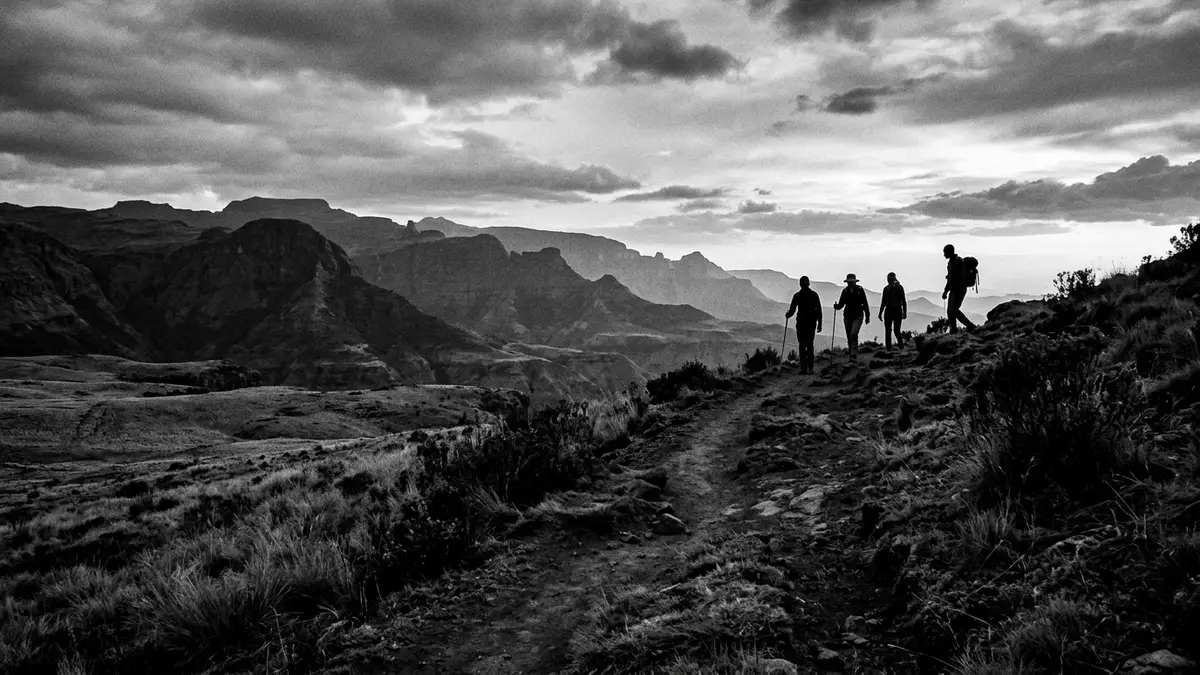
Bale Mountains National Park lies in south-eastern Ethiopia, with Dinsho as a key gateway town. Its landscape ranges from the Sanetti Plateau to the Harenna Forest, and the contrast is immediate: open high ground, then dense mountain woodland.
Sanetti Plateau and the high country above Dinsho
The Sanetti Plateau forms the park’s high, open centre. UNESCO describes the property as a mosaic of habitats across the Bale-Arsi Massif, and the inscription confirms its World Heritage status in 2023. World Heritage status
The plateau sits above 3,000 m and reaches over 4,000 m in places, with volcanic cones, glacial lakes and moorland across the skyline. The park’s geology and altitude shape a landscape of lava terrain and broad uplands rather than a single enclosed valley. 3,000 m and above
Forest, rivers and the southern slopes
South of the plateau, the ground drops into the Harenna Forest, a montane forest that spreads across the southern slopes. The forest gives the park a second, darker register, with bamboo, woodland and wetter mountain vegetation replacing the open alpine plain. Harenna Forest
The Bale Mountains also form an important headwater area. UNESCO notes that five major rivers originate in the park, and that the property contains wetlands, moorlands and glacial lakes within the wider mountain system. five major rivers
Bale Mountains National Park as a natural world heritage landscape
The park was founded in 1962 and later entered the World Heritage list in 2023. Its identity rests on the combination of the Bale-Arsi highlands, afro-alpine habitat and the long southern descent into forest. founded in 1962
That combination also explains why the park is associated with the Ethiopian wolf, mountain nyala and other high-altitude species. The Sanetti Plateau, in particular, is the part most closely linked to the park’s wildlife and its open mountain character. Sanetti Plateau
Visiting Bale Mountains National Park: what travellers from Western Europe should know
- Dinsho is the main gateway named in the park information, and road access runs through the surrounding towns and the park headquarters area. Public transport links the wider route to Goba and Robe, with Dinsho as the place name tied to the park entry point.
- The high ground on the Sanetti Plateau rises above 4,000 m, so the terrain is exposed and elevated. The southern slopes descend into forest, creating a strong change in relief across the park.
- The park extends across high moorland, volcanic ridges and forested slopes, so the landscape changes over short distances. That variety is the park’s defining physical feature.
- English-language place names in the park include Dinsho, Sanetti Plateau and Harenna Forest. Those names help orient a visitor across the different sections of the mountain landscape.
Searching for Bale Mountains National Park on social platforms
These links open searches for Bale Mountains National Park on each platform.
Frequently asked questions about Bale Mountains National Park
Where is Bale Mountains National Park?
The park lies in south-eastern Ethiopia, around Dinsho in the Oromia region. It belongs to the Bale-Arsi highlands and stretches into the mountain country beyond the town.
What does a visit involve?
The park presents high moorland, volcanic uplands and forested southern slopes. Dinsho, the Sanetti Plateau and the Harenna Forest are the main landscape names to know.
What makes the park distinctive?
Its range of habitats is the main distinction, from afro-alpine terrain above 3,000 m to montane forest below. The World Heritage listing also fixes its status as a protected mountain landscape.


