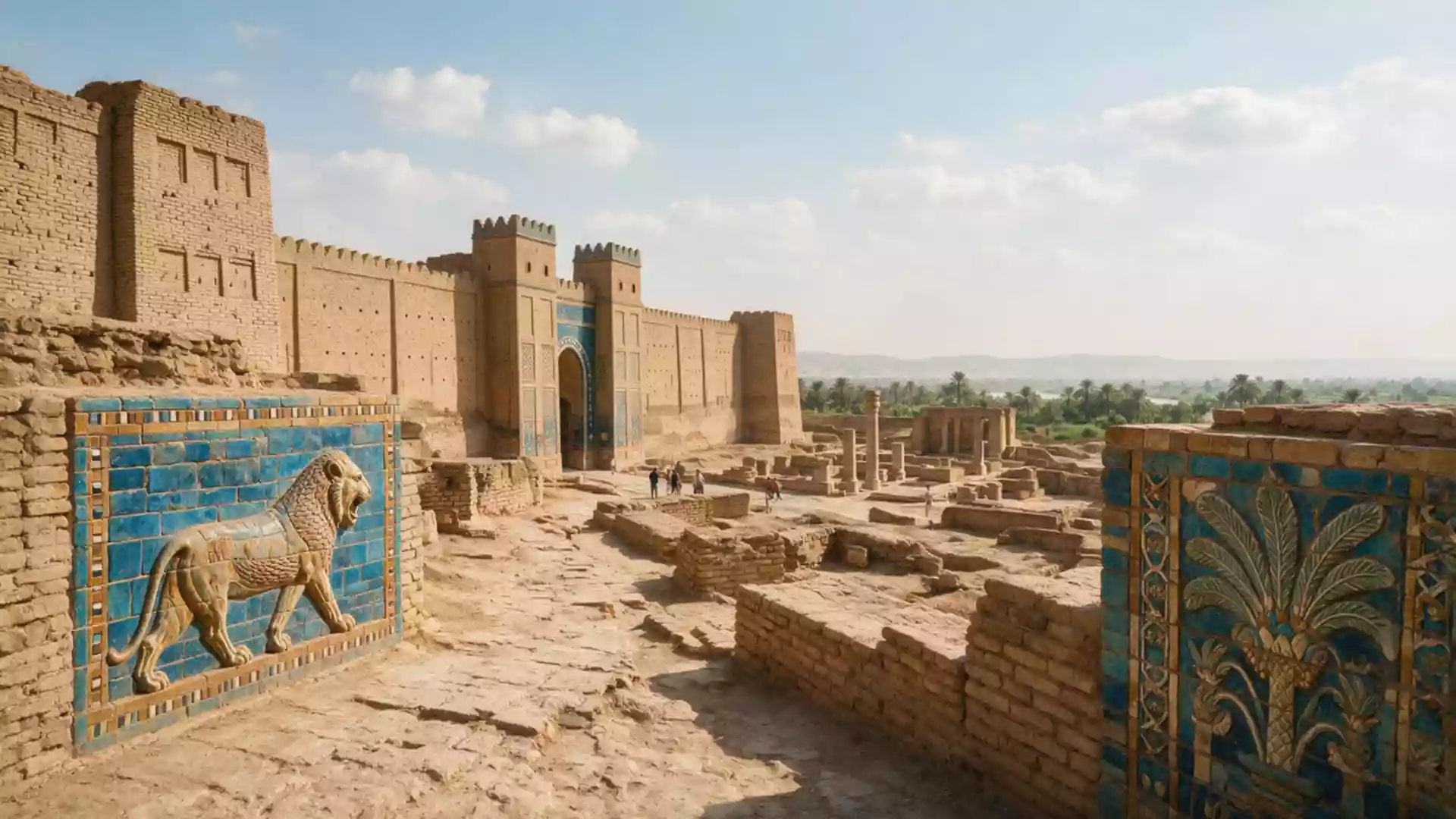
Babylon hosted a culture festival through 16 October
Published on 10/21/2026 at 11:01 | Editorial responsibility: Rafael Müller, Editor-in-Chief AD HOC NEWSFestival programme and heritage
- The thirteenth festival edition ran at Babylon from 9 to 16 October 2026.
- Ali Al-Shalah led a programme spanning music, theatre, film, poetry and exhibitions.
- UNESCO inscribed Babylon in 2019, recognising its Neo-Babylonian remains from 626 to 539 BCE.
- The archaeological property lies 85 km south of Baghdad and covers 1,054.3 hectares.
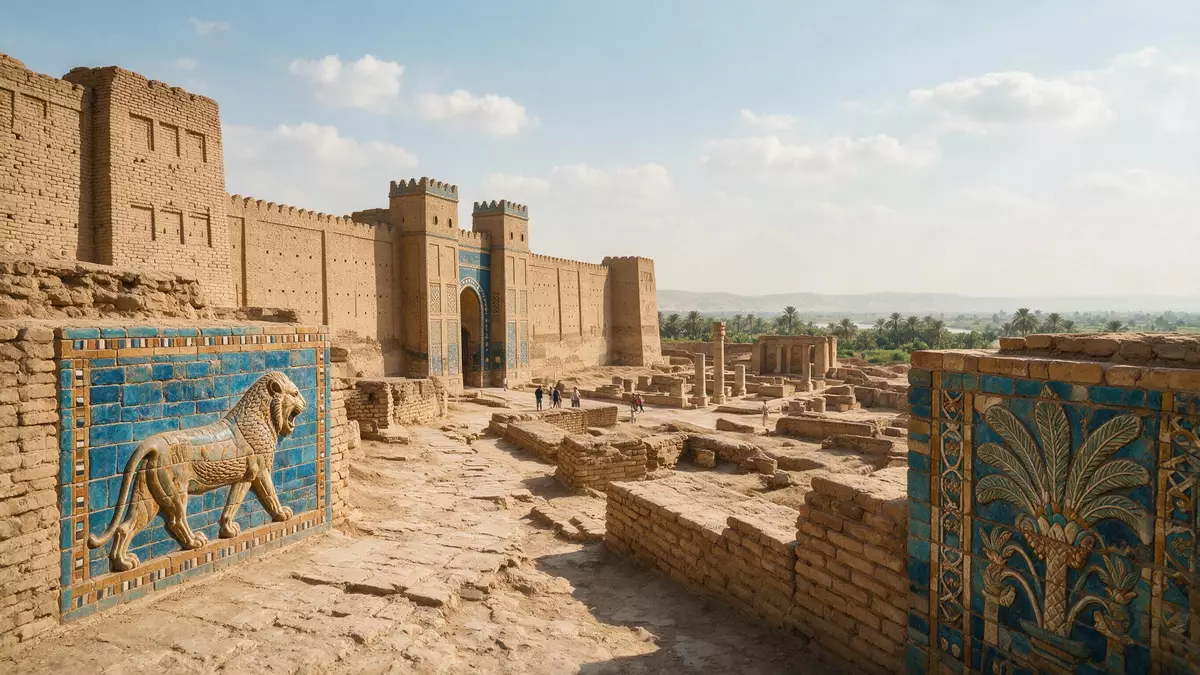
Babylon hosted the thirteenth Babylon Festival of Cultures and Arts from 9 to 16 October 2026 near Hillah in Iraq. The archaeological site, known locally as Babylon, formed the setting for a programme spanning music, theatre, film, poetry, visual art and books.
The festival ended on 16 October, placing its closing programme within the current reporting window. For travellers, the event is now a recent cultural record rather than a future booking opportunity.
Babylon festival brought arts to the ancient site
The festival opened on 9 October at the Babylonian Theatre, according to Xinhua’s festival report. The report said the programme continued until 16 October and welcomed writers, artists, musicians and cultural figures from Iraq, Arab countries and elsewhere.
Organiser Ali Al-Shalah described a varied programme that included music, poetry, visual art, theatre, cinema, intellectual seminars and a book exhibition. The festival also marked the centenaries of several Iraqi cultural figures and included a memorial for the Babylonian poet Muwaffaq Mohammed. An Iraqi News Agency closing report recorded international participation and UNESCO involvement at the opening and book fair.
UNESCO heritage shaped the festival setting
The cultural programme took place among the remains of a city that was the capital of the Neo-Babylonian Empire between 626 and 539 BCE. Its setting includes inner and outer walls, gates, palaces and temples, creating a direct connection between the festival’s modern arts programme and the architecture of the ancient city.
UNESCO’s Babylon entry records the site’s inscription on the World Heritage List in 2019. It also states that 85 per cent of the property remains unexcavated, while the protected property covers 1,054.3 hectares and includes surrounding villages and agricultural areas.
The connection between venue and programme was especially visible in the use of the Babylonian Theatre and the book exhibition. Cultural activity therefore took place within a property whose archaeological remains continue to shape how the site is understood.
Visiting Babylon: what travellers from Western Europe should know
- The Babylon Festival of Cultures and Arts ran from 9 to 16 October 2026 at the Babylonian Theatre and other venues within the archaeological site.
- The festival had ended by 16 October 2026, so visitors arriving after that date should not expect its programme of concerts, exhibitions, theatre and seminars.
- Babylon lies 85 km south of Baghdad, near Hillah in Iraq, within the Babil Governorate.
- The archaeological property contains walls, gates, palaces and temples, while UNESCO records 85 per cent of the property as unexcavated.
- Iraq’s official languages are Arabic and Kurdish, and its national currency is the Iraqi dinar.
- Entry requirements depend on your nationality; UK travellers can check the FCDO travel advice at gov.uk/foreign-travel-advice, Irish travellers the Department of Foreign Affairs at ireland.ie.
Searching for Babylon on social platforms
These links open searches for Babylon on each platform.
Frequently asked questions about Babylon
When did the Babylon Festival of Cultures and Arts take place?
The thirteenth edition ran from 9 to 16 October 2026 at the archaeological site near Hillah.
What is Babylon?
Babylon is an archaeological site that was the capital of the Neo-Babylonian Empire between 626 and 539 BCE. UNESCO added it to the World Heritage List in 2019.
Where is Babylon and how do you get there?
Babylon is in Iraq’s Babil Governorate, 85 km south of Baghdad and near Hillah. The site includes the ruins of the ancient city and surrounding villages and agricultural areas.