

Ayasofya in Istanbul: a vast dome over changing faiths
Published on 08/27/2026 at 08:41 | Editorial responsibility: Rafael Müller, Editor-in-Chief AD HOC NEWS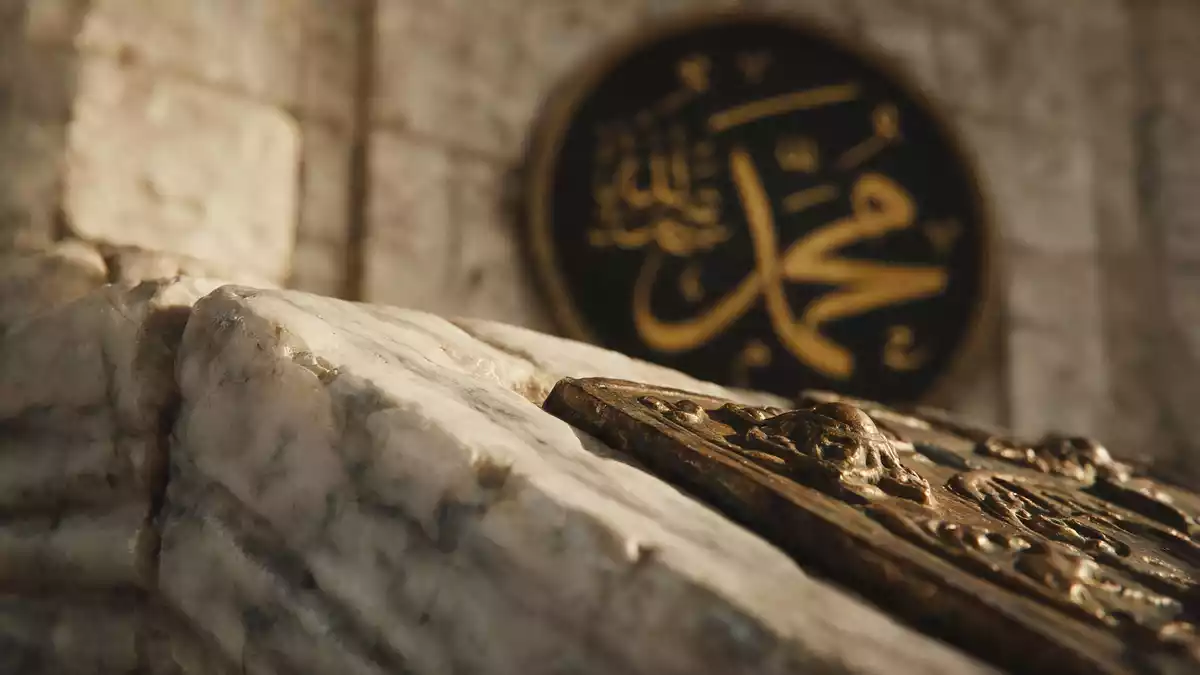
Ayasofya in Istanbul is a single vast interior crowned by a monumental dome, a building where Byzantine and Ottoman histories meet in stone, marble and mosaic. Built in the sixth century during the reign of Emperor Justinian I, it has served as cathedral, imperial mosque, museum and mosque again, anchoring the historic peninsula above the Golden Horn.
Ayasofya’s sixth?century basilica and dome
The Ayasofya standing in Sultanahmet square is the third church raised on this site by the Eastern Roman Empire, completed as a cathedral in 537 under Justinian I.completed as a cathedral in 537 Construction began in 532 and was finished in about five years, an unusually rapid programme for a building of this scale.construction began in 532
Justinian’s architects Anthemius of Tralles and Isidorus of Miletus combined a basilica plan with a centralised space, setting a huge dome above a rectangular hall supported by semi?domes and arcades.Anthemius of Tralles and Isidorus of Miletus The dome spans around 31 m (about 101 ft) and rises roughly 55 m (around 180 ft) above the floor, a scale that made Ayasofya one of the most ambitious structures of its age.the dome spans around 31 m Brick and mortar carry the main fabric, while marble revetment and columns form the interior surfaces and supports.
From Byzantine cathedral to Ottoman mosque
For centuries after 537 Ayasofya served as the principal cathedral of Constantinople in the Byzantine rite, interrupted only when Latin Crusaders controlled the city in the thirteenth century.principal cathedral of Constantinople Its Greek name Hagia Sophia, “Holy Wisdom”, reflects its origin as a major Eastern Orthodox church at the heart of the empire.Holy Wisdom
In 1453 Sultan Mehmed II captured Constantinople for the Ottoman Empire and Ayasofya became an imperial mosque, with minarets rising beside the domed mass and Islamic furnishings added to the interior.became an imperial mosque in 1453 The sixteenth?century Ottoman architect Mimar Sinan reinforced the structure with buttresses and contributed to its present silhouette, which combines the original Byzantine shell with Ottoman additions.Mimar Sinan reinforced the structure
Mosaics, calligraphy and a layered interior
Inside Ayasofya, Byzantine mosaics and Ottoman calligraphic panels share the same vast space, revealing successive layers of Christian and Islamic art. Many of the mosaics date from the Byzantine centuries and depict emperors, empresses and sacred figures against gold backgrounds, while large roundels bearing the names of Allah, the Prophet Muhammad and early caliphs hang from the upper walls.Byzantine mosaics and calligraphic panels
Marble columns of varying colours and origins line the nave and galleries, supporting arcades beneath the dome and semi?domes. The floor and lower walls carry polished slabs of marble and other stone set in geometric patterns, while upper surfaces reveal patches of painted plaster and mosaic that hint at changes in decoration over the centuries.marble columns and revetment Light enters through tiers of windows at the base of the dome and along the walls, catching gilded surfaces and stone in different ways during the day.
Ayasofya in the historic areas of Istanbul
Ayasofya stands on the historic peninsula of Istanbul, close to the former imperial palace complex and facing the Hippodrome and the Blue Mosque across Sultanahmet square.stands in Sultanahmet square In 1934 the building was designated a museum by the Republic of Turkey, and in 1985 it was inscribed on the UNESCO World Heritage List as part of Istanbul’s historic areas.inscribed on the UNESCO World Heritage List in 1985
The surrounding district includes other major landmarks such as the former Byzantine church of the Holy Apostles site, the Topkap? Palace complex and the Byzantine cisterns underground, giving Ayasofya a setting dense with historic buildings. The mosque’s exterior, with its domed core flanked by semi?domes, buttresses and minarets, rises above gardens and paved approaches that mark the transition from city streets to its interior space.
Visiting Ayasofya: what travellers from Western Europe should know
- Ayasofya stands in Sultanahmet on Istanbul’s historic peninsula, south of the Golden Horn, reachable by tram and other public transport that serve this central district.
- Approaching the building involves walking across paved squares and through its courtyards, and time inside includes standing and moving over stone and marble floors.
- The official language is Turkish and the currency is the Turkish lira.
- Entry requirements depend on your nationality; UK travellers can check the FCDO travel advice at gov.uk/foreign-travel-advice, Irish travellers the Department of Foreign Affairs at ireland.ie.
Searching for Ayasofya on social platforms
These links open searches for Ayasofya on each platform.
Frequently asked questions about Ayasofya
Where is Ayasofya in Istanbul?
Ayasofya stands in the Sultanahmet district on Istanbul’s historic peninsula, close to the former Byzantine and Ottoman palace area and facing the old Hippodrome.
What should visitors expect inside Ayasofya?
Visitors enter a large domed hall lined with marble columns, mosaics and calligraphic panels, moving between ground?floor spaces and upper galleries linked by ramps and stairways.
What makes Ayasofya distinctive among Istanbul’s monuments?
Ayasofya is distinctive for its sixth?century dome spanning a basilica?plan interior and for the way Byzantine mosaics and Ottoman Islamic elements coexist within one monumental structure.


