
At-Turaif, mudbrick citadel of the First Saudi State
Published on 09/01/2026 at 10:44 | Editorial responsibility: Rafael Müller, Editor-in-Chief AD HOC NEWS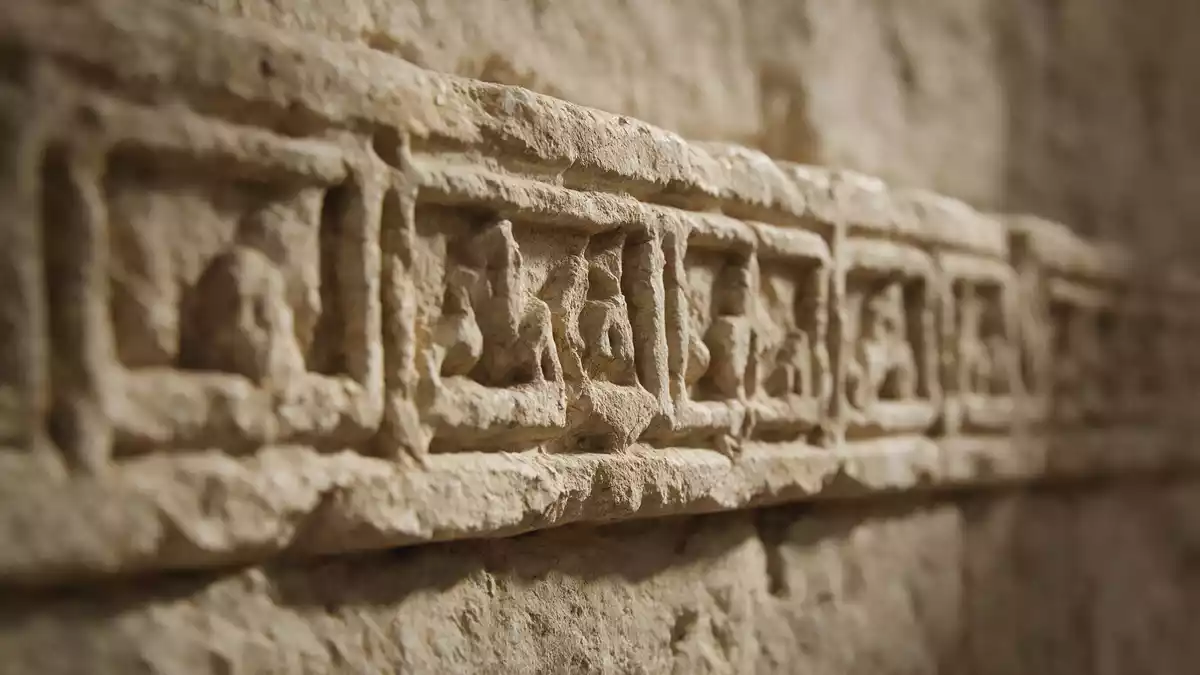
On the western edge of Diriyah, At-Turaif rises above Wadi Hanifah as a dense ensemble of mudbrick palaces, mosques and alleyways that once formed the political heart of the First Saudi State in the eighteenth century. Within its fortified walls, Najdi architecture and earth-coloured structures record the moment when Diriyah became the capital of a growing Arabian polity in 1727.
From oasis plateau to UNESCO-listed historic district
At-Turaif occupies a low limestone plateau overlooking the oasis of Diriyah and the course of Wadi Hanifah, north-west of Riyadh in central Saudi Arabia. The historic district was founded in the fifteenth century, when settlement began to concentrate on this elevated ground above the valley floor.Founded in the fifteenth century Over the following centuries, adobe walls and tower-like structures enclosed an urban core that would later become a royal seat.
In the eighteenth century Diriyah emerged as the centre of the First Saudi State, with At-Turaif defined as the citadel and administrative hub of this expanding realm under the House of Saud.Capital of the First Saudi State The urban fabric at At-Turaif, comprising palatial compounds, religious buildings and defensive elements, developed into a diversified fortified ensemble within an oasis setting that later gained recognition as a cultural property of outstanding value.
Najdi mudbrick architecture and the Salwa Palace complex
Architecturally, At-Turaif is characterised by traditional Najdi building techniques, using sun-dried mudbrick and earth plasters to create thick walls and flat-roofed structures adapted to the climate of the Arabian Peninsula.Najdi architectural and decorative style Geometrical decoration, recessed panels and rhythmic openings articulate the facades, while interconnected courtyards shape sequences of open and enclosed spaces that visitors can trace through the district.
One of the most extensive complexes within At-Turaif is Salwa Palace, which served as a principal residence and administrative centre for the imams of the First Saudi State. Construction of this multi-unit complex began in 1766 under Imam Abdulaziz bin Mohammed bin Saud and continued under his successors, including Imam Saud bin Abdulaziz and Imam Abdullah bin Saud.Construction of Salwa Palace in 1766 Within its interconnected units were spaces for reception, storage and education, alongside a mosque and facilities for state administration, all built in the same mudbrick idiom that defines the wider district.
World Heritage recognition and the wider Diriyah landscape
In 2010 At-Turaif District in ad-Diriyah was inscribed on the UNESCO World Heritage List as a cultural property under criteria (iv), (v) and (vi), recognising its value as a fortified urban ensemble, its testimony to traditional human settlement in an oasis, and its association with events and traditions linked to the emergence of the Saudi state.Inscription on the UNESCO World Heritage List The inscribed area extends over several tens of hectares and includes palaces, mosques and other structures arranged along the plateau above the valley.
The historic district forms part of a broader cultural landscape that includes the Diriyah oasis and neighbouring quarters such as the redeveloped Bujairi area along the valley floor.Overlooking Wadi Hanifah and Diriyah oasis From vantage points within At-Turaif, visitors see palm groves and contemporary development lining Wadi Hanifah, making the contrast between earthen Najdi structures and newer stone and concrete buildings part of the experience of the site.
Visiting At-Turaif: what travellers from Western Europe should know
- At-Turaif stands on the western bank of Wadi Hanifah in Diriyah, a historic settlement north-west of Riyadh in central Saudi Arabia, reached by road from the capital.
- Within the district, movement involves walking along earthen paths and through courtyards, with sections reached via stairways that climb between different levels on the limestone plateau.
- The wider setting includes the cultivated Diriyah oasis and the redeveloped Bujairi area along Wadi Hanifah, placing the historic mudbrick citadel within a landscape of palm groves and contemporary urban amenities.
- The official language is Arabic and the currency is the Saudi riyal.
- Entry requirements depend on your nationality; UK travellers can check the FCDO travel advice at gov.uk/foreign-travel-advice, Irish travellers the Department of Foreign Affairs at ireland.ie.
Searching for At-Turaif on social platforms
These links open searches for At-Turaif on each platform.
Frequently asked questions about At-Turaif
Where is At-Turaif and what kind of place is it?
At-Turaif is a historic mudbrick district on a limestone plateau in Diriyah, north-west of Riyadh, comprising palaces, mosques and alleys above Wadi Hanifah.
What can visitors expect when walking through At-Turaif?
Visitors move through restored earthen structures, courtyards and pathways that reveal Najdi architecture and the spatial organisation of a former royal citadel in an oasis setting.
What makes At-Turaif distinctive among heritage sites in Saudi Arabia?
At-Turaif combines Najdi mudbrick architecture, the Salwa Palace complex linked to eighteenth-century rulers and recognition as a UNESCO World Heritage Site reflecting its role in the First Saudi State.


