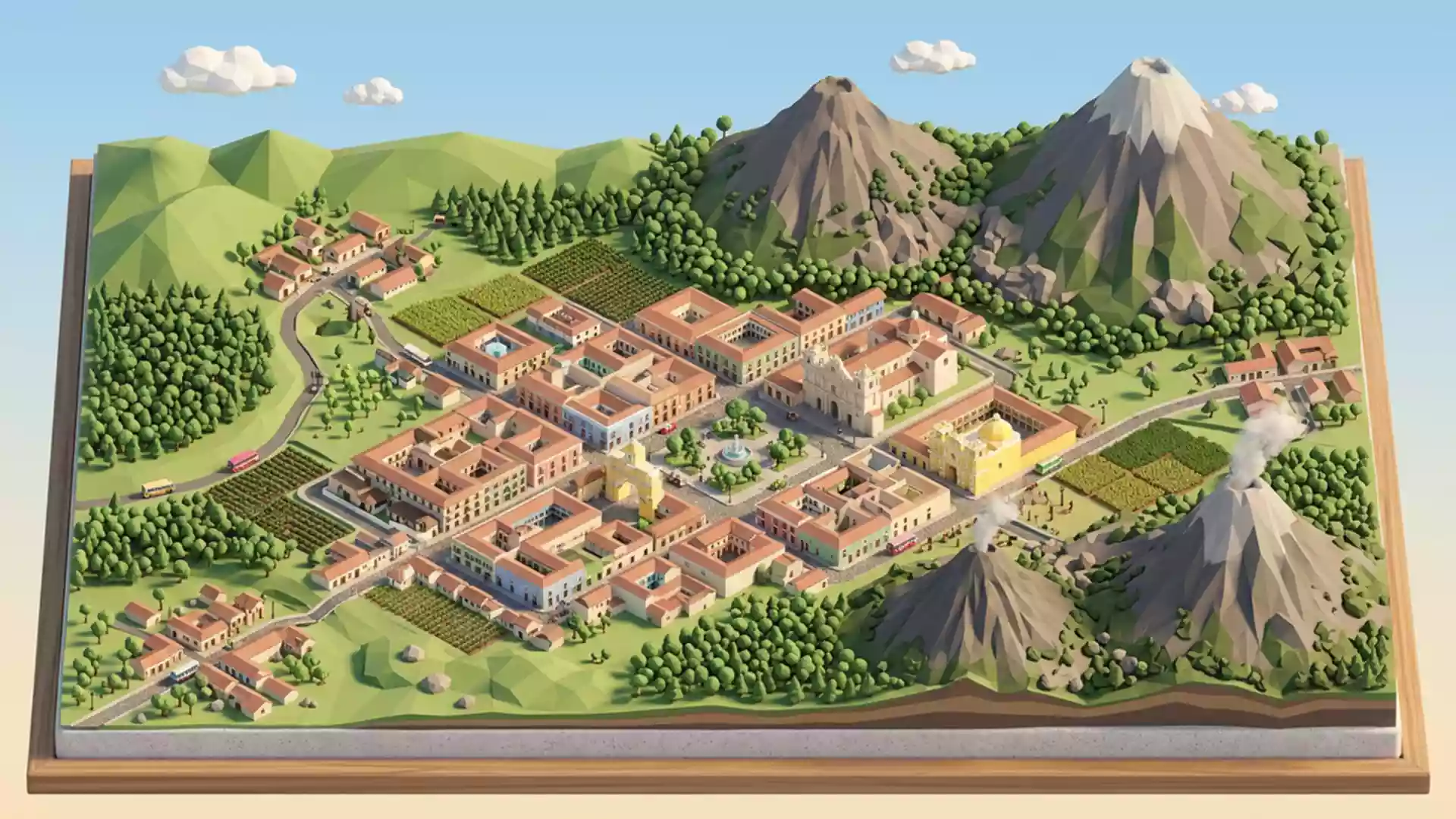
Antigua hosts Festival de las Flores from 14 to 15 November
Published on 10/21/2026 at 14:22 | Editorial responsibility: Rafael Müller, Editor-in-Chief AD HOC NEWSFestival programme and heritage
- The organisers place the main Festival de las Flores programme in Antigua on 14 and 15 November 2026.
- Ciudad Floreciente links floral installations with streets, parks and historic public spaces across the city.
- UNESCO inscribed Antigua on the World Heritage List in 1979 after its colonial grid and monuments survived the 1773 earthquake.
- The official programme includes gardens from 7 to 15 November and the Inicia la Primavera parade on 13 November.
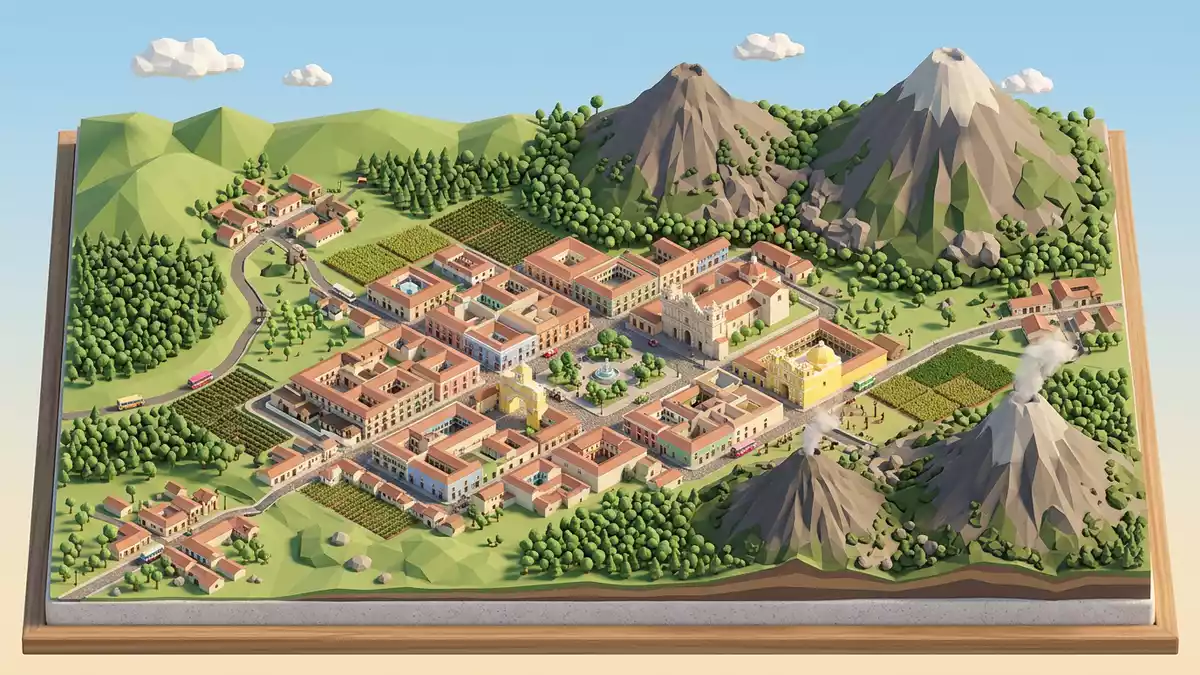
Antigua (La Antigua) hosts the Festival de las Flores on 14 and 15 November 2026, bringing its tenth edition to the historic city in Guatemala. The programme, organised with Banco Industrial as a principal partner, uses the theme Ciudad Floreciente and extends across streets, parks and other public spaces.
The event gives travellers a fixed cultural date within the current autumn season. The main weekend follows activities that began in October and continues a festival first established in 2017, according to the organisers.
Festival de las Flores sets its main weekend
The festival organiser identifies 14 and 15 November 2026 as the central weekend in Antigua. Its published programme describes a citywide format rather than a single hall, with art, floral displays, heritage, gastronomy, fashion, sport and community participation included in the wider programme.
The official event page also records a second venue for this year in Isla de Flores, Petén, where activities took place on 3 and 4 October. For visitors heading to Antigua, however, the relevant dates are 14 and 15 November, when the tenth edition reaches its central celebration.
Programme information reported by Guatemalan media includes commemorative gardens from 7 to 15 November, the Inicia la Primavera parade on 13 November and Las Flores Trail Run on 8 November. The main weekend is expected to include floral competitions, installations, a flower market, workshops and outdoor performances, as set out in the organiser-backed event details.
Antigua heritage gives the festival its setting
The festival’s citywide design places its floral work within a historic urban plan. UNESCO says the settlement was founded in 1524 as Santiago de Guatemala, while the present location in the Valley of Panchoy was inaugurated in March 1543.
Much of the town was destroyed by the Santa Marta earthquakes in 1773, after which the capital moved to the site of modern Guatemala City. The surviving grid, colonial buildings and ruins now form the setting in which the festival’s public installations will appear.
UNESCO records the city at 1,530.17 metres above sea level and notes that many surviving civil, religious and civic buildings date from the seventeenth and eighteenth centuries. That combination of preserved streets and monumental remains explains why a floral programme can use the city itself as its exhibition space, rather than relying on one indoor venue.
Antigua was inscribed on the UNESCO World Heritage List in 1979. The heritage body describes the grid as one of the best examples of Latin American town planning and identifies the regional Baroque style as an architectural response to frequent earthquakes; its World Heritage profile provides the historical context.
What the tenth edition adds to the city
The 2026 edition connects the festival’s tenth year with a broader programme of creative activity. The organisers describe opportunities for artists, florists, designers, cooks, sports participants, businesses and local communities, while the published schedule places several activities in and around the historic centre.
The relationship between programme and place is practical as well as visual: visitors can encounter installations on public streets and in city spaces that retain the sixteenth-century grid. The festival therefore adds temporary works to a permanent urban landscape shaped by colonial planning, earthquake damage and conservation.
Visiting Antigua: what travellers from Western Europe should know
- The central Festival de las Flores dates are 14 and 15 November 2026 in Antigua, with the wider programme extending through 16 November.
- The citywide format means the main activities are spread across streets, parks, plazas and other public spaces rather than one named venue.
- Commemorative gardens are scheduled from 7 to 15 November, while the Inicia la Primavera parade is listed for 13 November.
- Antigua lies at 1,530.17 metres above sea level, and its historic core includes cobbled streets, plazas, ruins and colonial buildings.
- The official language is Spanish and the national currency is the Guatemalan quetzal.
- Entry requirements depend on your nationality; UK travellers can check the FCDO travel advice at gov.uk/foreign-travel-advice, Irish travellers the Department of Foreign Affairs at ireland.ie.
Searching for Antigua on social platforms
These links open searches for Antigua on each platform.
Frequently asked questions about Antigua
When does the Festival de las Flores take place at Antigua?
The main weekend is 14 and 15 November 2026. The wider programme includes commemorative gardens from 7 to 15 November.
What is Antigua?
Antigua is a historic Guatemalan city founded as Santiago de Guatemala in 1524 and inscribed as a UNESCO World Heritage site in 1979.
Where is Antigua and how do you get there?
Antigua is in Guatemala’s Sacatepequez region, in the Valley of Panchoy. The festival’s published location is the city itself, with activities distributed across its streets, parks and plazas.