
Antigua Guatemala and its baroque streets
Published on 09/18/2026 at 21:08 | Editorial responsibility: Rafael Müller, Editor-in-Chief AD HOC NEWS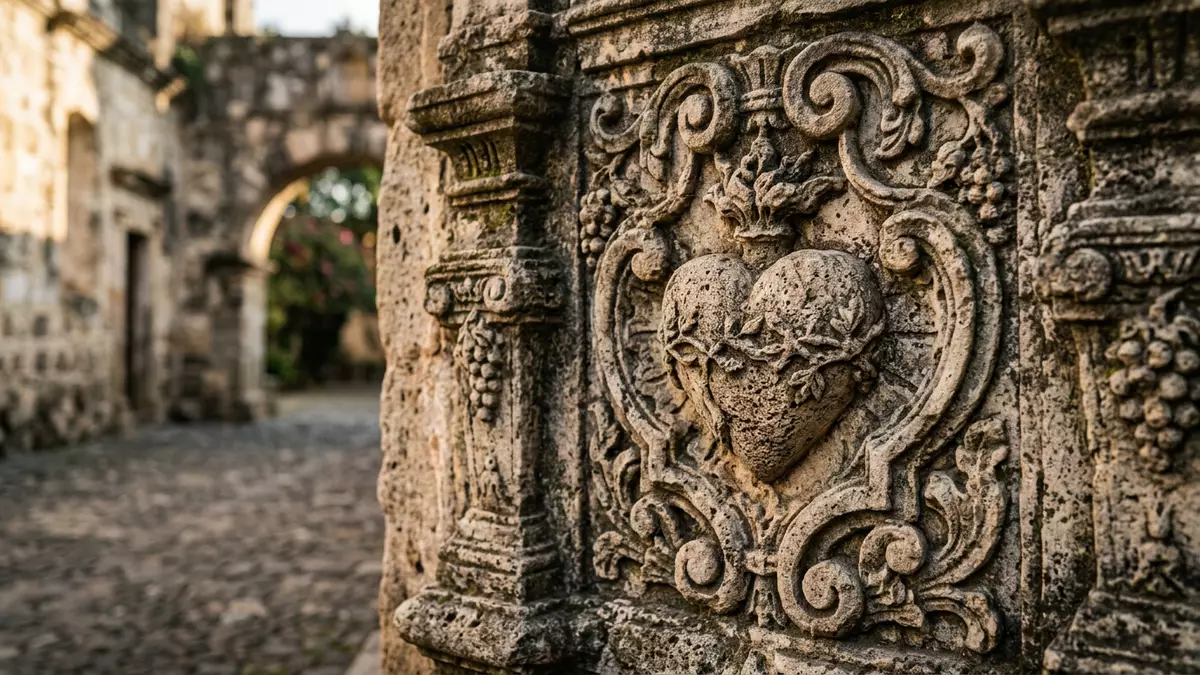
Antigua Guatemala is a colonial city in Guatemala with a Renaissance street grid, Baroque churches and a skyline framed by volcanic slopes. It was founded in 1543 as Santiago de Guatemala and later became a UNESCO World Heritage Site.
Renaissance streets and colonial stone
The city’s plan follows a regular grid, with streets running in straight lines through a compact centre. That layout, together with the surviving civic and religious buildings, gives Antigua Guatemala a clear historical unity.
The city was founded as Santiago de Guatemala in the sixteenth century and built at about 1,530.17 m above sea level. Its urban form reflects Spanish colonial planning in a highland setting that is linked to the wider history of the Captaincy-General of Guatemala.
Baroque façades and earthquake scars
Many of the buildings show a restrained Baroque style, with thick walls, low profiles and ornamented fronts. Ruins stand beside churches, convents and former public buildings, so the city reads as both a living town and a preserved historic ensemble.
The 1773 earthquake changed the place’s built fabric and left a strong mark on its monuments. Antigua Guatemala was inscribed as a UNESCO World Heritage Site in 1979.
Volcanoes, ruins and a working town
The city lies in the Guatemalan highlands, with volcanoes visible around it and the outline of old masonry throughout the centre. That mix of active urban life and ruined structures gives the place a layered appearance at street level.
The architecture is associated with Spanish colonial rule and with the historic city of Volcán de Agua in the background. The city’s long association with religious buildings, civic squares and domestic courtyards remains visible in its centre.
Visiting Antigua Guatemala: what travellers from Western Europe should know
- The city lies in the central highlands of Guatemala, southwest of Guatemala City. Road access runs through the valleys of Sacatepéquez.
- The streets are laid out on a grid, so walking through the centre follows straight blocks and regular corners.
- Much of the historic fabric is masonry, with churches, convents and ruined walls set close together.
- The official language is Spanish and the currency is the Guatemalan quetzal.
Searching for Antigua Guatemala on social platforms
These links open searches for Antigua Guatemala on each platform.
Frequently asked questions about Antigua Guatemala
Where is Antigua Guatemala?
It is a city in the central highlands of Guatemala, southwest of Guatemala City. The historic centre sits in a valley ringed by volcanic landforms.
What does a visit reveal?
It brings together a gridded colonial centre, Baroque façades and extensive ruins. The streets, churches and former convents form the city’s main historic fabric.
What makes it distinctive?
Its combination of Spanish colonial town planning, earthquake-damaged monuments and a UNESCO World Heritage status defines it. The place presents history as streetscape rather than as a museum display.


