Antigua Guatemala, a baroque city framed by volcanoes
Published on 09/07/2026 at 15:26 | Editorial responsibility: Rafael Müller, Editor-in-Chief AD HOC NEWS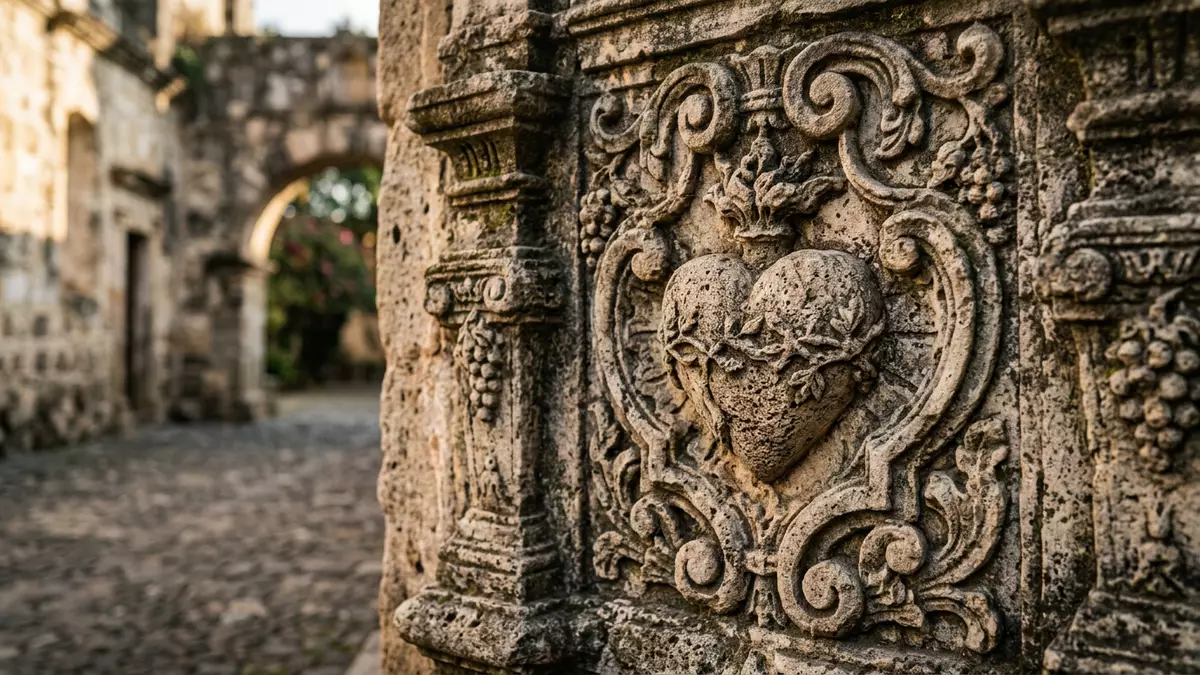
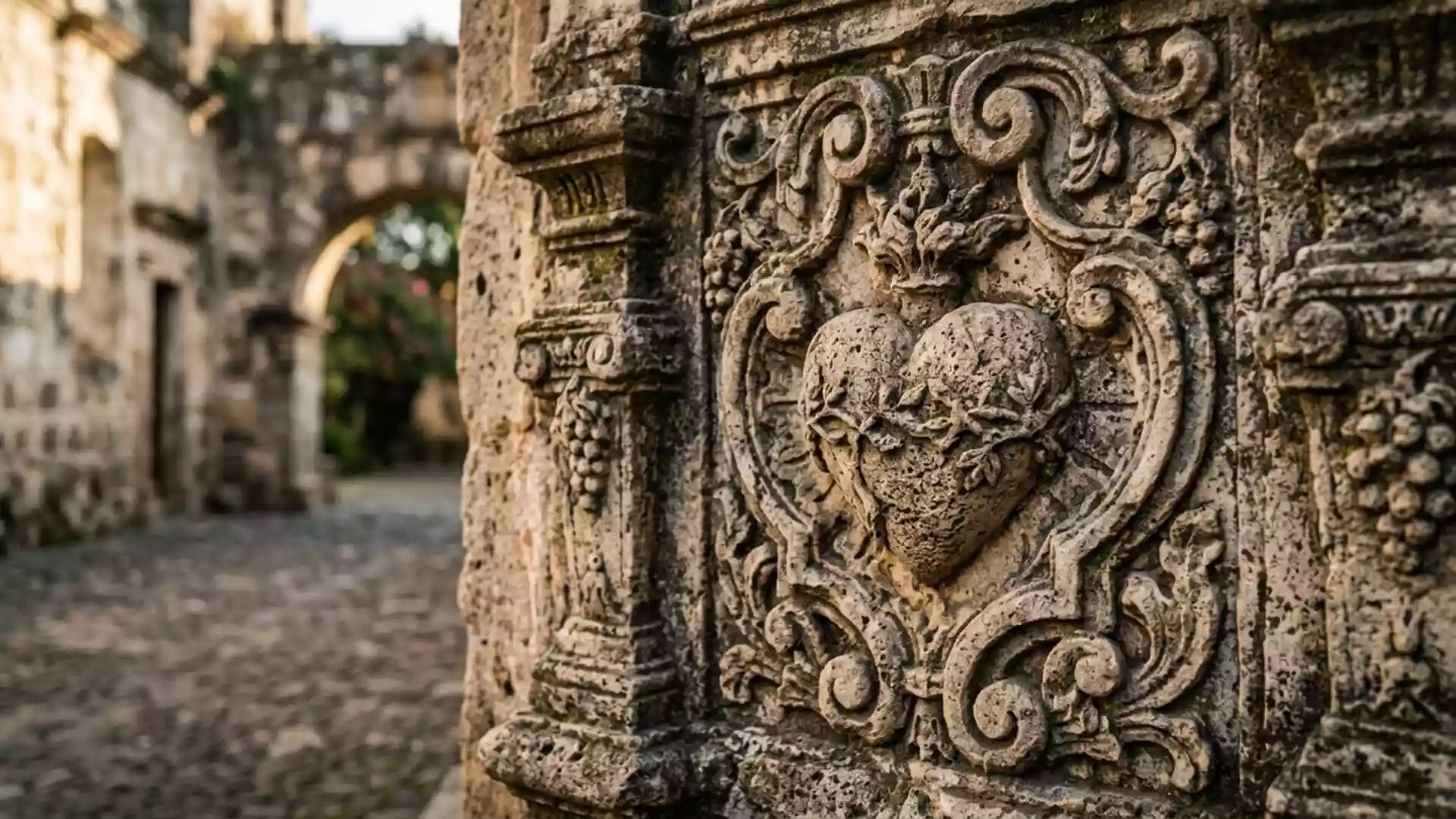
Antigua Guatemala is a historic city in the central highlands of Guatemala, laid out in a straight street grid and framed by volcanic peaks. Once known as Santiago de los Caballeros de Guatemala, it served as the capital of the Spanish Captaincy General of Guatemala for much of the sixteenth to eighteenth centuries, leaving a dense concentration of churches, convents and civic buildings in Spanish Baroque style.
A planned colonial capital in the highlands
Antigua Guatemala was founded in 1524 as Santiago de los Caballeros de Guatemala, established by the Spanish conqueror Pedro de Alvarado as the centre of colonial administration for a territory that covered most of Central America.Founded in 1524 as Santiago de los Caballeros The city stands at an elevation of around 1,530 m (5,029 ft) above sea level, in the Sacatepéquez Department, within a region that experiences frequent seismic activity.Built about 1,530 m above sea level
The historic centre follows a Renaissance-inspired grid of straight north–south and east–west streets, an early example of planned urban design in Latin America.Renaissance grid of streets Low, stuccoed buildings line the cobbled streets, with tiled roofs and internal courtyards that shelter gardens and cloisters. Many of these structures once housed religious orders, administrative offices and merchant houses, reflecting the city’s role as a political, economic and religious centre for the Kingdom of Guatemala.Centre of the Kingdom of Guatemala
Baroque churches and earthquake-scarred ruins
Walking through Antigua Guatemala means moving between intact churches and monumental ruins that record centuries of seismic upheaval. Religious buildings in the city display Spanish Baroque-influenced facades, with elaborate stucco work and bell towers rising above the street grid.Spanish Baroque-influenced architecture Behind these facades lie courtyards, cloisters and vaulted interiors, some preserved, others partially collapsed, that reveal the masonry and construction techniques of the seventeenth and eighteenth centuries.Buildings dating from the 17th and 18th centuries
Antigua Guatemala’s historic fabric includes former convents, civic buildings and private houses that have survived, altered or in ruins, after major earthquakes in the eighteenth century led to the transfer of the capital to Guatemala City. Regulations introduced in the late eighteenth century restricted new building and repairs, which preserved a distinctive landscape of ruins and standing structures within the original grid plan.Regulations preserving ruins and grid This mixture of intact churches, roofless naves and collapsed domes is one reason why Antigua Guatemala was inscribed as a UNESCO World Heritage Site in 1979.UNESCO World Heritage Site since 1979
A city set beneath volcanic slopes
The setting of Antigua Guatemala is defined by volcanoes rising above the surrounding hills. Volcán de Agua forms a prominent backdrop to the city, giving many streets a terminating view towards its forested slopes.Set against Volcán de Agua Other volcanoes in the wider region, such as Acatenango and Fuego, stand further away, but the skyline from plazas and rooftops still shows multiple volcanic summits beyond the tiled roofs and church towers.
Within the city, the most accessible vantage point over this volcanic landscape and the street grid is Cerro de la Cruz, the Hill of the Cross, on the northern edge of the urban area. A path and stairway rise from the northern streets to a lookout platform beside a large stone cross, from which the regular pattern of Antigua Guatemala’s streets and the profile of Volcán de Agua can be seen together.Cerro de la Cruz viewpoint The viewpoint occupies a small park, with open ground around the cross and views extending over the tiled roofs to the surrounding highlands.Hill of the Cross on the northern edge
Visiting Antigua Guatemala: what travellers from Western Europe should know
- Antigua Guatemala lies in the Sacatepéquez Department of Guatemala, west of Guatemala City, reached by road connections from the capital and its La Aurora International Airport.Located west of Guatemala City
- The historic centre is laid out on a grid of cobbled streets, and exploring on foot involves uneven paving and occasional stretches of gentle uphill walking towards viewpoints such as Cerro de la Cruz.
- The official language is Spanish and the currency is the Guatemalan quetzal.
- Entry requirements depend on your nationality; UK travellers can check the FCDO travel advice at gov.uk/foreign-travel-advice, Irish travellers the Department of Foreign Affairs at ireland.ie.
Searching for Antigua Guatemala on social platforms
These links open searches for Antigua Guatemala on each platform.
Frequently asked questions about Antigua Guatemala
Where is Antigua Guatemala and what kind of place is it?
Antigua Guatemala is a historic city in the Sacatepéquez Department of Guatemala, in the country’s central highlands. It is a former colonial capital with a planned street grid and a concentration of Baroque churches and ruins.
What should travellers expect on a visit to Antigua Guatemala?
Travellers encounter cobbled streets laid out on a straight grid, low stuccoed buildings with courtyards, and a landscape of intact churches and roofless ruins, all set beneath prominent volcanic slopes.
What makes Antigua Guatemala distinctive among Central American cities?
Antigua Guatemala combines a Renaissance-inspired street plan, Spanish Baroque architecture and preserved earthquake-scarred ruins, recognised through its inscription as a UNESCO World Heritage Site and its long history as a colonial capital.