
Anping Gubao in Tainan, Taiwan’s layered coastal fort
Published on 08/28/2026 at 20:10 | Editorial responsibility: Rafael Müller, Editor-in-Chief AD HOC NEWS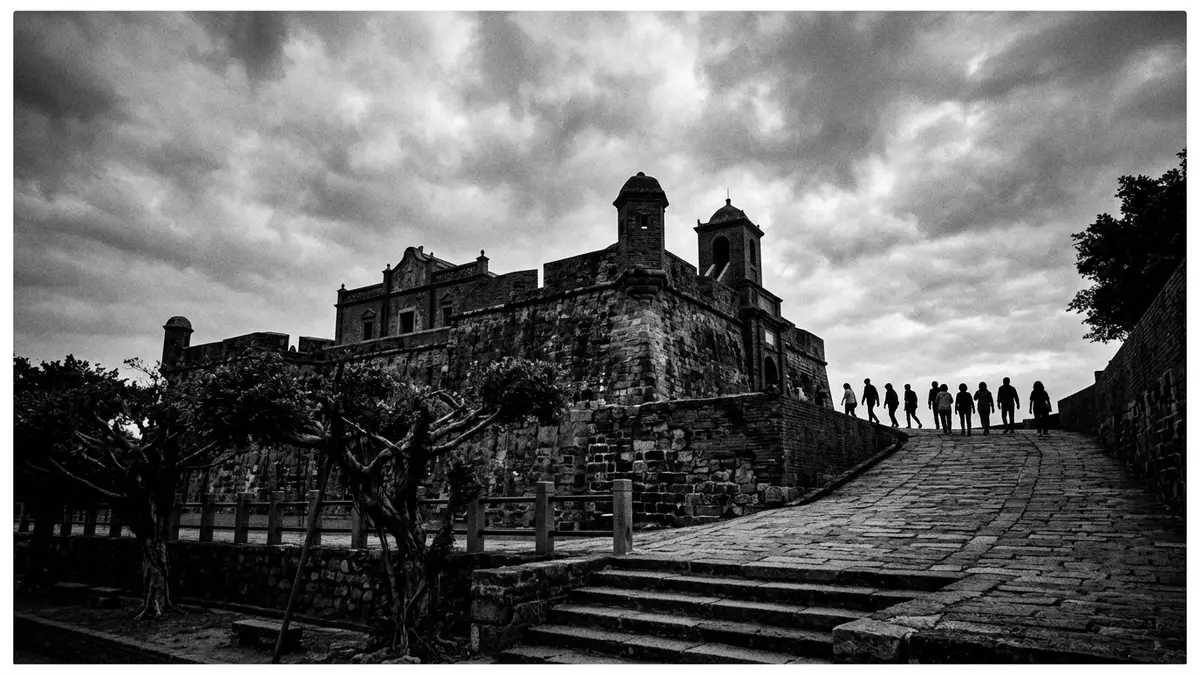
Anping Gubao in Tainan, Taiwan, is the present-day name for the former Dutch fortress known as Fort Zeelandia, a coastal stronghold that has evolved into a compact heritage site within the Anping District. Built by the Dutch East India Company in 1624 and reshaped under Ming Zheng, Qing and Japanese rule, the fort’s surviving brick walls and elevated terraces now sit within an urban park that anchors one of Taiwan’s most historic quarters.
From Fort Zeelandia to Anping Gubao
The origins of Anping Gubao lie in the seventeenth century, when the Dutch East India Company established Fort Zeelandia on Taiwan’s south-western coast as its main base in the region.Fort Zeelandia in Anping The fortress was laid out on a low coastal rise, with brick ramparts enclosing administrative buildings, warehouses and defensive platforms looking towards the Taiwan Strait. Its position close to the shoreline and harbour made it a hub for maritime trade and the Dutch regime’s local administration.administrative centre and trading hub
In 1662 the Ming Zheng leader Zheng Chenggong, widely known as Koxinga, expelled the Dutch from Fort Zeelandia and ended Dutch rule over Taiwan.Koxinga’s capture of the fort Under Ming Zheng and later Qing control, the stronghold’s role as a European trading post faded and its structures were adapted to new military and administrative uses. The site’s Chinese name in use now, Anping Gubao, literally means “Anping Old Fort”, echoing this layered past and its status as a longstanding landmark in the district.Anping Old Fort as a historic monument
Brick ramparts, terraces and coastal views
Visitors to Anping Gubao encounter a compact ensemble of brick structures, ramparts and terraces rather than a single towering keep. Sections of the old fort walls frame a series of elevated platforms, with stairways leading up from the inner courtyards to terraces that overlook the surrounding district and the nearby harbour areas.description of Anping Old Fort On these upper levels, modern additions such as a small tower and commemorative structures rise from the older masonry, creating a visible contrast between early brickwork and later interventions.
The fort stands a short distance inland from Taiwan’s south-western coastline, and the park around Anping Gubao is edged by urban streets and low-rise buildings rather than open countryside.location on Taiwan’s south-western coast Within the grounds, paths lead past remnants of bastions, interpretive signs and small garden areas that soften the former military setting. The brick surfaces, earthworks and stone details give a sense of how a seventeenth-century coastal fort was built in East Asia under European direction, even though the complex has been reworked under later administrations.
Anping Gubao within Tainan’s historic district
Anping Gubao sits in the Anping District on the western side of Tainan, a part of the city known for early streets, temples and warehouses that grew up around the fort.address of Anping Fort The site has been designated as a Grade 1 historic monument by the Tainan authorities, underlining its role as one of the city’s key heritage attractions alongside places such as Chihkan Tower in the West Central District.Grade 1 National Monument status Within this wider historic landscape, Anping Gubao forms a focal point for walks that take in old residential lanes, traditional shops and nearby sites.
Immediately beyond the fort, Anping Gubao Ancient Street and other old streets preserve stretches of Taiwan’s earliest urban fabric, even though many frontages have been rebuilt.Anping Gubao Ancient Street Taken together, the fort, its memorials and the surrounding streets present a layered picture of Tainan’s evolution from a seventeenth-century trading outpost into a modern city. For travellers based in Western Europe, Anping Gubao offers an accessible way into Taiwan’s coastal history, where Dutch colonial architecture, Chinese dynastic rule and Japanese administration can all be traced in one compact area.
Visiting Anping Gubao: what travellers from Western Europe should know
- Anping Gubao stands in the Anping District on the western side of Tainan, on Taiwan’s south-western coast, and is reached by local city buses and urban roads from central Tainan. The fort’s entrance is on Guosheng Road, at No. 82.
- The site is built on a low rise near the coastline, with stairways leading up to elevated terraces and ramparts, so a visit involves climbing several flights of steps on brick and stone surfaces.
- Anping Gubao lies within a dense historic district that includes Anping Gubao Ancient Street and other heritage sites, making it straightforward to combine the fort with walks through narrow streets and visits to nearby temples and warehouses.
- The official language is Chinese and the currency is the New Taiwan dollar.
- Entry requirements depend on your nationality; UK travellers can check the FCDO travel advice at gov.uk/foreign-travel-advice, Irish travellers the Department of Foreign Affairs at ireland.ie.
Searching for Anping Gubao on social platforms
These links open searches for Anping Gubao on each platform.
Frequently asked questions about Anping Gubao
Where is Anping Gubao located within Tainan?
Anping Gubao is in the Anping District on the western side of Tainan, near Taiwan’s south-western coastline, with its entrance on Guosheng Road at No. 82.
What can visitors expect when exploring Anping Gubao?
Visitors walk through a historic fort complex with brick ramparts, elevated terraces, small towers and memorials, alongside paths and garden areas that connect the different levels of the site.
What makes Anping Gubao distinctive among Taiwan’s historic sites?
Anping Gubao combines seventeenth-century Dutch colonial origins as Fort Zeelandia with later Ming Zheng, Qing and Japanese alterations, all preserved within a compact coastal district of Tainan.


