

Angkor Thom restores two statue heads on 1 October
Published on 10/11/2026 at 07:52 | Editorial responsibility: Rafael Müller, Editor-in-Chief AD HOC NEWSKey points in brief
- Angkor Thom restored two deity statue heads at the Victory Gate during a ceremony on 1 October 2026.
- The restoration formed part of the Return of Souls to Their Origin campaign led by the APSARA National Authority.
- The Victory Gate is lined by 108 statues representing devas and asuras in the Churning of the Ocean of Milk.
- Almost all missing heads have been recovered, while three remain in museums abroad.
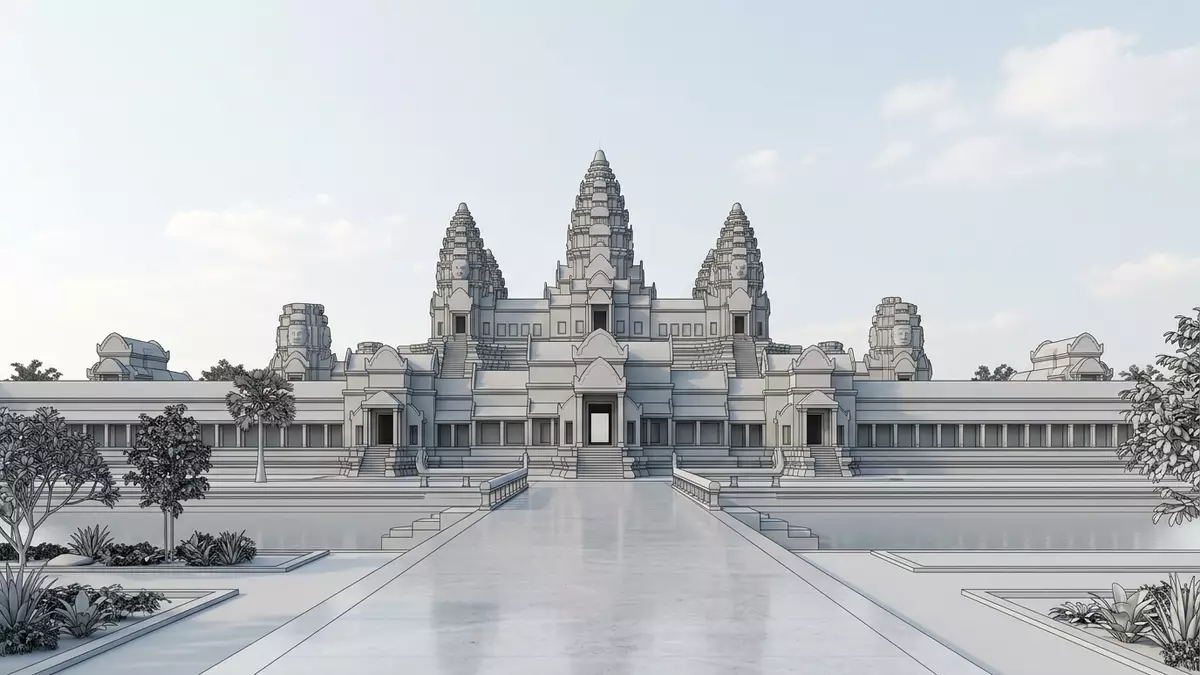
Angkor Thom has restored two deity statue heads at the Victory Gate in Siem Reap, Cambodia, after a ceremony on 1 October 2026. The work formed part of the Return of Souls to Their Origin campaign led by the APSARA National Authority.
Angkor Thom restores two Victory Gate statues on 1 October
The APSARA National Authority held the blessing ceremony on the morning of 1 October 2026. It reattached the heads and opened the eyes of two deva statues at the Victory Gate, one of the monumental entrances to the ancient city. The Ministry of Culture and Fine Arts published the account on 2 October 2026.
The ceremony was presided over by Phoeurng Sackona, Cambodia’s Minister of Culture and Fine Arts and president of the APSARA board. Flavio Bonetti, UNESCO representative to Cambodia, representatives of the Siem Reap Provincial Administration and officials from the heritage authority also attended. The official ceremony report identifies the date, venue and restoration work.
The campaign returns sculptures to the positions where they originally stood. The ceremony also included Buddhist prayers and blessings, according to a separate report by Xinhua. It marked a completed change to the appearance of the Victory Gate rather than a new festival or temporary visitor programme.
Why the restored heads matter at Angkor Thom
The approach to the Victory Gate carries 108 sandstone statues depicting devas and asuras. They represent the Hindu story of the Churning of the Ocean of Milk, a theme found across the gateways and causeways of the Angkor complex. Many heads were lost or scattered during centuries of conflict and destruction.
Almost all of the missing heads have now been recovered through archaeological work, collections research and cooperation with international partners. Three heads remain in museums abroad, while efforts continue to secure their return. The Xinhua background report places the restoration within the longer conservation history of the site.
The Victory Gate gives the 1 October change a precise setting. Officials describe it as a historic ceremonial entrance where Khmer kings conducted major rituals, including coronations and departures for military campaigns. The restored statues therefore stand beside a gateway associated with both religious symbolism and royal history.
Angkor Thom links the ceremony to a royal capital
Built in the late twelfth century by King Jayavarman VII, Angkor Thom served as the grand capital of the ancient Khmer Empire. Its enclosure wall extends roughly three kilometres on each side, rises approximately eight metres and is surrounded by a moat. Five monumental gates provide access to the walled city.
The 1 October restoration connects a current conservation action with the physical layout of that former capital. Travellers approaching the Victory Gate encounter the statue-lined entrance before reaching the wider archaeological remains, while the recovered heads restore details that had been absent from the gateway for generations.
Visiting Angkor Thom: what travellers from Western Europe should know
- The restoration ceremony took place at the Victory Gate on 1 October 2026. The two statue heads were reattached during that ceremony.
- The reported change concerns the appearance of two statues at the Victory Gate. The official account does not announce a new entrance or a temporary closure for visitors.
- The venue is within the UNESCO-listed Angkor Archaeological Park in Siem Reap province. The Victory Gate is one of five monumental gates in the walled ancient city.
- The approach contains sandstone figures and a gateway associated with the Churning of the Ocean of Milk. Visitors encounter heritage structures rather than a modern event venue.
- Entry requirements depend on your nationality; UK travellers can check the FCDO travel advice at gov.uk/foreign-travel-advice, Irish travellers the Department of Foreign Affairs at ireland.ie.
Searching for Angkor Thom on social platforms
These links open searches for Angkor Thom on each platform.
Frequently asked questions about Angkor Thom
What changed at Angkor Thom on 1 October 2026?
The APSARA National Authority reattached the heads and opened the eyes of two deity statues at the Victory Gate during a blessing ceremony.
Where is Angkor Thom and how do you get there?
It is within the Angkor Archaeological Park in Siem Reap province, Cambodia. The restored statues are at the Victory Gate, one of the five monumental entrances.
What is Angkor Thom?
It is a walled royal capital built in the late twelfth century by King Jayavarman VII. The city contains the Bayon and other major monuments within an enclosure surrounded by a moat.


