
Amboseli National Park: elephants, wetlands and Kilimanjaro skies
Published on 09/19/2026 at 11:50 | Editorial responsibility: Rafael Müller, Editor-in-Chief AD HOC NEWS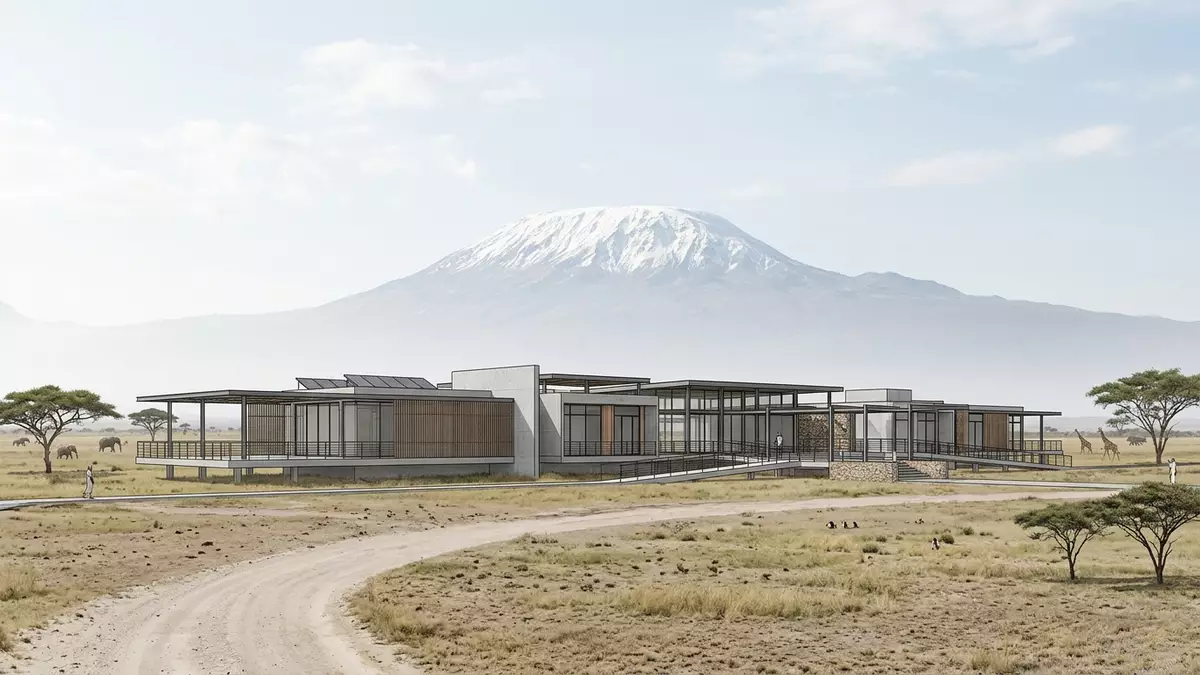
Amboseli National Park in southern Kenya is a compact savanna basin where large elephant herds, permanent swamps and the dry floor of Lake Amboseli lie beneath wide skies with views towards Mount Kilimanjaro. Set within Kajiado County on the Kenya–Tanzania border, it forms the core of a greater Amboseli ecosystem that extends across community lands and conservation areas on both sides of the frontier.
A semi-arid basin shaped around a dry lake
Amboseli is centred on the usually dry basin of Lake Amboseli, a flat expanse of alkaline soils that sits within a semi-arid savanna landscape at the north-western foot of Kilimanjaro.Centred on Lake Amboseli The core national park covers about 392 km² (151 sq mi), forming a protected area of roughly 39,200 hectares inside an ecosystem of around 8,000 km² that spills across the international boundary with Tanzania.392 km² at the core of an 8,000 km² ecosystem
The basin lies in the rain shadow of Kilimanjaro, so annual rainfall is relatively low, yet underground aquifers from the mountain feed a network of permanent swamps within the park.rain shadow of Mount Kilimanjaro Around the lakebed and swamps, the habitats range from open plains and acacia woodland to thornbush country and marshland, with saline flats giving way to greener, waterlogged ground where groundwater reaches the surface.open plains, thornbush and acacia woodland
Elephants, birds and life around the swamps
Despite its relatively modest size, Amboseli supports a wide range of large mammals that move between dry grassland and wetland margins. Elephant herds are a defining presence, using the permanent swamps and marshes as feeding grounds and resting places through the dry season.renowned for exceptional elephant viewing Alongside them, visitors encounter species such as lions, cheetahs, Maasai giraffes, buffalo, hippos, wildebeest, impala and various gazelles, all characteristic of East African savanna ecosystems.a great variety of wildlife inhabits the park
Amboseli is also recognised as an Important Bird Area, with over 400 recorded bird species ranging from large ground dwellers to raptors and wetland specialists.over 400 species of birds Permanent herbaceous swamps, marshes and alkaline pools hold species such as herons, pelicans and other waterbirds, while drier woodland and plains provide habitat for vultures and grassland birds. The coexistence of wildlife with Maasai pastoral lands around the park is one of the features that led to Amboseli being recognised in 1991 as part of UNESCO’s Man and the Biosphere network.UNESCO Man and the Biosphere Reserve designation in 1991
History, status and views towards Kilimanjaro
Amboseli’s protection history reaches back to the twentieth century, when it was designated as a wildlife reserve before being gazetted as a national park in 1974.gazetted as a National Park in 1974 Earlier status as a reserve reflected its importance for wildlife and pastoralist use, and the national park now sits at the centre of the wider biosphere reserve and ecosystem that encompass Maasai community lands, conservancies and neighbouring protected areas.part of the greater Amboseli ecosystem
The park lies in southern Kenya’s Kajiado County, a short distance from the border with Tanzania and at the northern foot of Mount Kilimanjaro.situated 240 km south-east of Nairobi at the northern foot of Kilimanjaro On clear days, the volcanic massif rises beyond the plains, its slopes forming a broad backdrop to the park’s open grasslands and swamps.Mount Kilimanjaro dominates the skyline on clear mornings This setting, combining a semi-arid basin, mountain-fed wetlands and shared use with surrounding pastoralist communities, has made Amboseli a distinctive example of a protected savanna landscape at the foot of Africa’s highest peak.
Visiting Amboseli National Park: what travellers from Western Europe should know
- Amboseli National Park lies in southern Kenya’s Kajiado County, close to the border with Tanzania, and is reached overland from Nairobi via routes serving the Amboseli area.
- The park sits between about 1,180 and 1,240 m (3,870–4,070 ft) above sea level, with approaches and internal tracks crossing open savanna, dusty lakebed areas and wetland margins.
- Within the park, access to viewpoints and designated areas can involve short walks on uneven ground, including sections over dry, powdery soil near the lakebed and firmer paths around the swamps.
- Amboseli’s core protected area is surrounded by Maasai community lands and conservancies, so travel in the wider ecosystem brings transitions between fenced park sections and open rangeland.
- The official language is English and the currency is the Kenyan shilling.
Searching for Amboseli National Park on social platforms
These links open searches for Amboseli National Park on each platform.Frequently asked questions about Amboseli National Park
Where is Amboseli National Park located?
Amboseli National Park is in southern Kenya’s Kajiado County, near the border with Tanzania and at the northern foot of Mount Kilimanjaro, south-east of Nairobi.
What should visitors expect on a visit to Amboseli?
Visitors encounter open savanna, acacia woodland, permanent swamps and the dry basin of Lake Amboseli, with elephant herds, other large mammals and varied birdlife around the wetlands.
What makes Amboseli National Park distinctive among Kenyan parks?
Amboseli is distinctive for its combination of a semi-arid savanna basin, mountain-fed swamps, large elephant populations and views towards Kilimanjaro within a UNESCO-recognised biosphere reserve.


