
Altstadt Salzburg between river, rock and baroque streets
Published on 09/10/2026 at 15:37 | Editorial responsibility: Rafael Müller, Editor-in-Chief AD HOC NEWS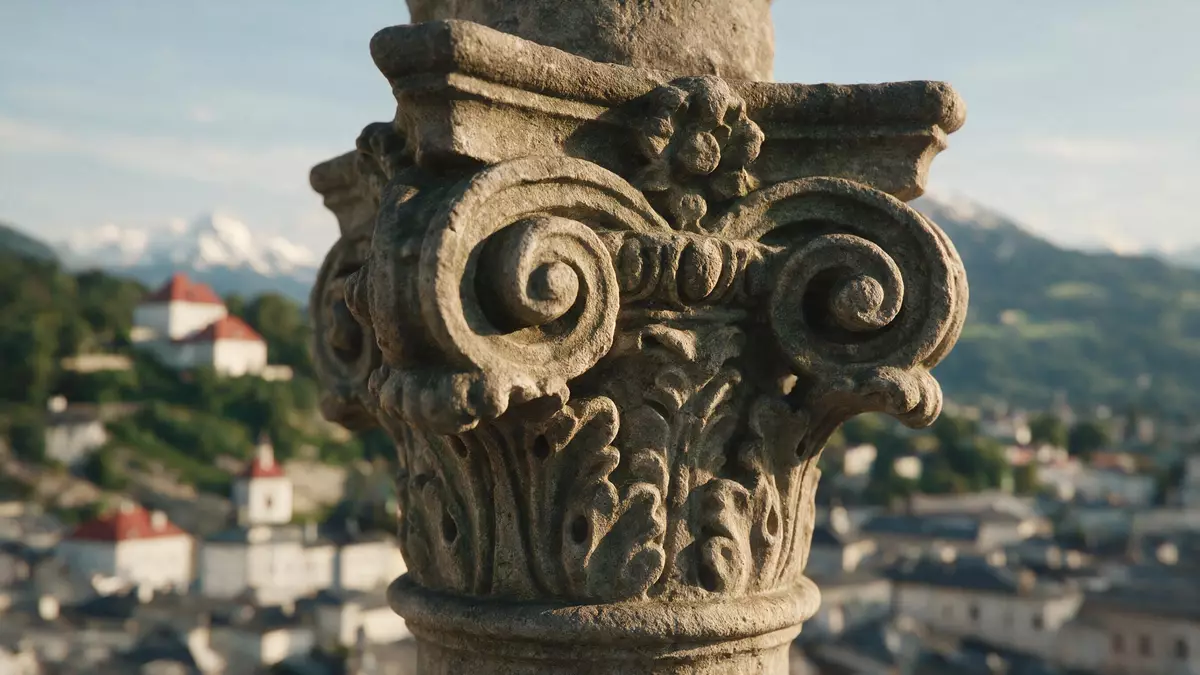
Altstadt Salzburg is the historic centre of Salzburg in Austria, a compact urban quarter pressed between the Salzach River and steep wooded hills that frame the city on several sides. Within this confined strip of land a dense ensemble of churches, palaces and townhouses has developed over many centuries, and the area has been recognised as a UNESCO World Heritage Site since 1996.
River, city mountains and a compressed old town
The defining impression of Altstadt Salzburg is how tightly the historic streets and squares sit between water and rock. The quarter extends along both banks of the Salzach, with the main concentration of building on the inner side of the bend where the river meets the Festungsberg and Mönchsberg city mountains.Historic Centre of the City of Salzburg The protected core zone covers around 236 ha (580 acres) of urban fabric, including the built-up old town and the flanking hills of Festungsberg, Mönchsberg and Kapuzinerberg, which rise directly above the roofs.Altstadt on both banks of the Salzach
Seen from the river, the setting is steep and layered: façades line the embankments, above them small lanes climb towards rock faces, and still higher the tree-covered slopes carry the silhouettes of fortifications and monasteries. Festung Hohensalzburg crowns the Festungsberg to the south-west, while Kapuzinerberg rises across the water to the north-east; together they contain the old town and give Altstadt Salzburg its characteristic enclosed feeling.Mönchsberg, Festungsberg and Kapuzinerberg
From medieval street pattern to baroque cityscape
Altstadt Salzburg preserves a street pattern that largely follows medieval lines, adapted to the narrow band of buildable land along the river and at the foot of the hills.medieval street pattern along the river Within this framework a distinctive baroque cityscape emerged under the Prince-Archbishops of Salzburg, who ruled a church principality centred on the town. Romanesque and Gothic churches stand beside later palaces and civic buildings, but the baroque phase is particularly visible in the composition of façades and squares.
The historic centre contains buildings in Romanesque, Gothic, Renaissance and baroque styles, reflecting continuous development across many centuries.range of architectural styles Many of the streets are narrow, turning between townhouses with arcaded ground floors, while wider squares open in front of the cathedral and the former archiepiscopal residence. The concentration of protected architecture is striking: around 1,000 historic objects lie within the World Heritage zone, with a large proportion formally listed for protection.about 1,000 historic buildings
UNESCO World Heritage and musical heritage
Altstadt Salzburg has been inscribed on the UNESCO World Heritage List since 1996 under cultural criteria that emphasise both its urban ensemble and its role in European cultural history.World Heritage criteria ii, iv, vi The listing underlines the rare combination of an intact ecclesiastical city-state, the meeting of Italian and German architectural traditions and the musical heritage associated with Wolfgang Amadeus Mozart, who was born in Salzburg in 1756.
The UNESCO documentation highlights how the historic centre demonstrates exchanges between northern and southern European culture and preserves an exceptionally dense concentration of monuments in a relatively small area.UNESCO World Heritage in Austria Religious buildings such as the cathedral and St Peter’s abbey share the old town with secular ensembles including the DomQuartier, market streets like the Getreidegasse and formal gardens such as Mirabellgarten, all within the defined core and buffer zones of the World Heritage property.objects within the World Heritage zone
Visiting Altstadt Salzburg: what travellers from Western Europe should know
- Altstadt Salzburg lies in the centre of Salzburg in western Austria along the Salzach River, reached by trains arriving at Salzburg Hauptbahnhof and local buses running towards the historic quarter.
- The terrain combines riverside embankments with streets that rise towards the city mountains; some approaches to viewpoints and fortifications involve stairways and short but steep paths.
- To the south-west the Festungsberg with Festung Hohensalzburg overlooks the old town, while Kapuzinerberg and the districts of Mülln and Nonntal frame the historic area on other sides.
- The official language is German and the currency is the euro.
Searching for Altstadt Salzburg on social platforms
These links open searches for Altstadt Salzburg on each platform.Frequently asked questions about Altstadt Salzburg
Where is Altstadt Salzburg located?
Altstadt Salzburg forms the historic centre of Salzburg in western Austria, along both banks of the Salzach River and beneath the surrounding city mountains.
What can visitors expect when exploring Altstadt Salzburg?
Visitors encounter narrow medieval streets, baroque squares and a dense concentration of historic buildings climbing between river embankments and the slopes of Festungsberg, Mönchsberg and Kapuzinerberg.
What makes Altstadt Salzburg distinctive among European old towns?
Altstadt Salzburg stands out for its compressed setting between river and rock, its layered architecture from Romanesque to baroque and its recognition as a UNESCO World Heritage Site since 1996.


