Alcatraz Island from fortress to federal prison
Published on 09/07/2026 at 09:55 | Editorial responsibility: Rafael Müller, Editor-in-Chief AD HOC NEWS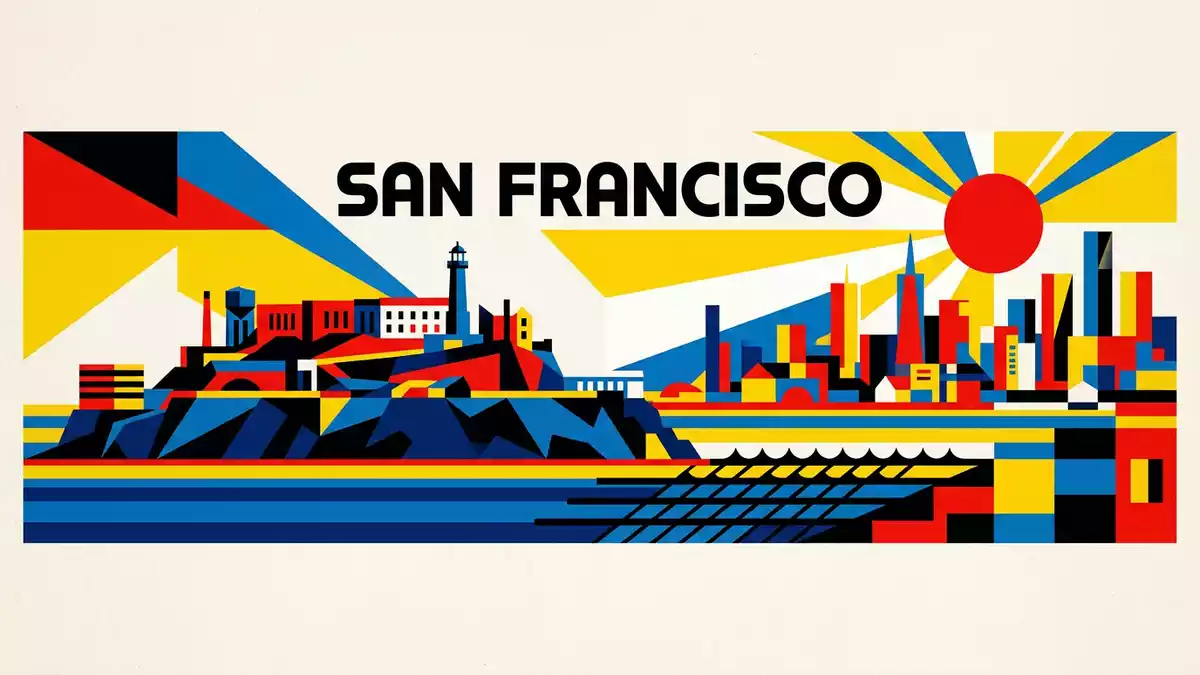
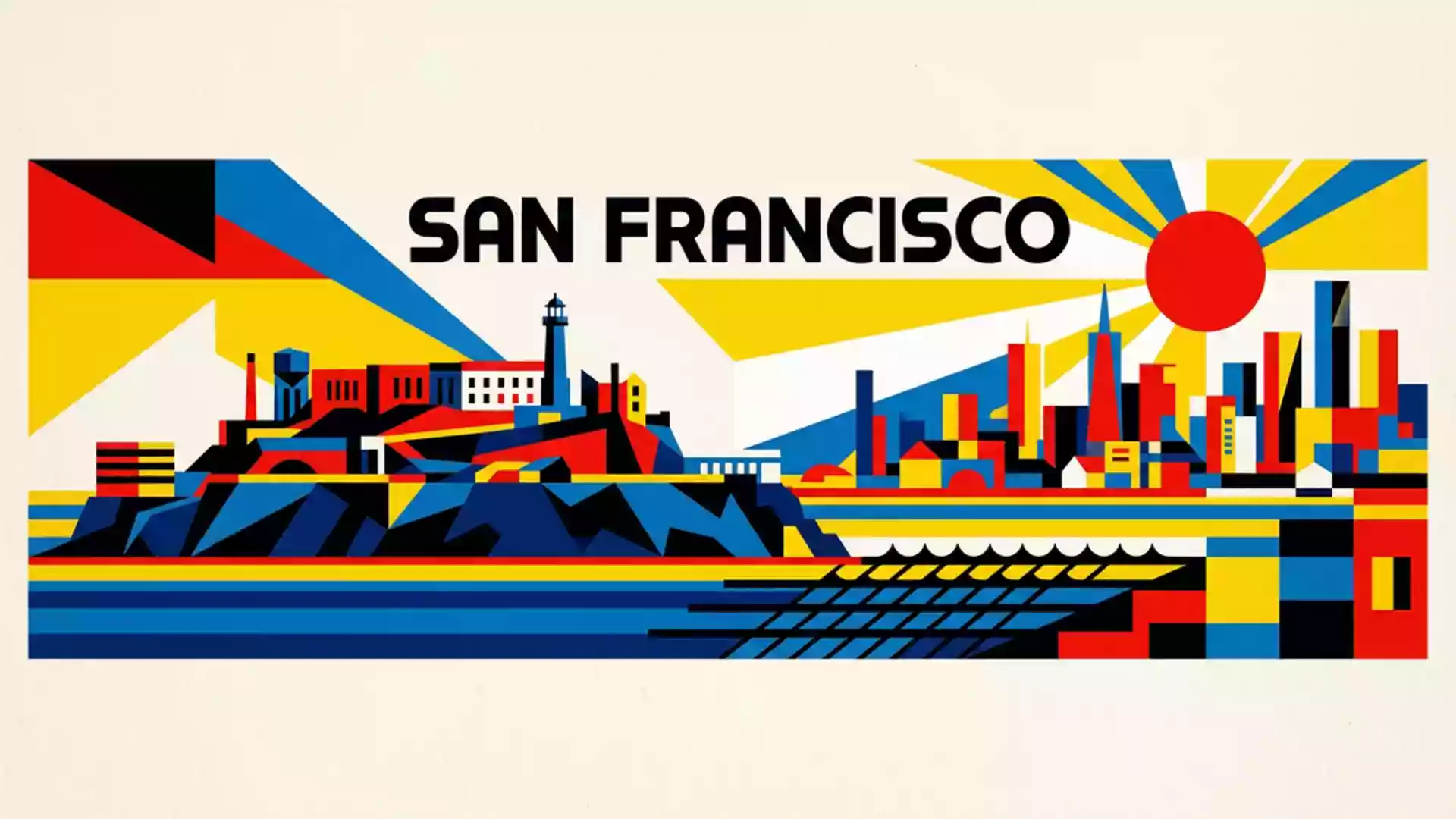
Alcatraz Island rises from San Francisco Bay as a compact rocky outcrop where military fortifications, prison blocks and service buildings crowd together on limited ground. The island’s layered history, from 19th-century coastal defence to 20th-century maximum-security penitentiary and later protest site, is written directly into its structures and the way they occupy the rock.
A rocky island turned strategic fortress
Alcatraz Island lies in San Francisco Bay, north of the city’s waterfront and within sight of both the downtown skyline and the Golden Gate strait. The island’s name goes back to Spanish naval officer Juan Manuel de Ayala, who mapped the bay in 1775 and referred to a pelican-covered islet as “La Isla de los Alcatraces”.Spanish exploration in 1775 In the mid-nineteenth century the United States government recognised the site’s strategic position controlling approaches to the harbour and began turning the rock into a fortified post.
By the 1850s Alcatraz was reserved for military use and became one element of a defensive system guarding San Francisco Bay.President Millard Fillmore’s reservation order in 1850 A masonry fortress, artillery positions and supporting barracks were built to take advantage of the high ground above the water, while a lighthouse installed in 1854 provided a navigation aid for shipping as the first operational lighthouse on the Pacific coast.Alcatraz lighthouse of 1854 The early military phase gave the island its ordered layout of batteries, parade areas and service buildings pressed into the limited plateau and terraces.
From military prison to “The Rock”
Alongside its role as a coastal fortress, Alcatraz Island developed into a place of confinement for military offenders during the later nineteenth century, with the Guard House and other structures adapted as prison facilities.Military prison use from 1857 Over time the island became the Pacific Branch of the United States Military Prison, housing soldiers convicted of offences and some civilian prisoners under army jurisdiction.Designation as Pacific Branch in 1907 In 1912 a substantial reinforced-concrete cellhouse was completed with convict labour, its multi-storey mass now dominating the island’s skyline.Completion of the cellhouse in 1912
In 1934 responsibility for Alcatraz passed to the Federal Bureau of Prisons and the site was converted into a civilian maximum-security penitentiary intended for inmates considered particularly difficult to manage elsewhere.Transfer to the Bureau of Prisons in 1933 During its 29 years of operation as a federal prison, from 1934 until closure in 1963, more than 1,500 prisoners were held on the island, including high-profile figures such as Al Capone, George “Machine Gun” Kelly and Robert Stroud, the “Birdman of Alcatraz”.Federal penitentiary era 1934–1963 Heavy concrete ranges, a dining hall, workshops and service tunnels were built or upgraded in this period, creating the dense institutional fabric that visitors encounter.
Protest, decay and national recreation area
After the prison closed in 1963, Alcatraz Island entered a new phase in which disused institutional structures and exposed services began to weather in the marine environment. In 1969 a group of Native American activists, calling themselves Indians of All Tribes, occupied the island for a prolonged protest lasting into 1971 and drew widespread attention to Indigenous rights and land claims in the United States.Occupation by Indians of All Tribes 1969–1971 Graffiti from this period survives on some walls and structures, adding an additional layer of meaning to the military and prison remains.
In 1972 Alcatraz became part of the newly created Golden Gate National Recreation Area under the management of the National Park Service and opened to the public the following year as a site for guided visits and historical interpretation.Integration into Golden Gate National Recreation Area in 1972 The island’s buildings, many of them unheated concrete or masonry structures, have experienced general decay and weathering, while the original lighthouse remains in service and some other structures stand as shells. Vegetation now occupies parts of the slopes and courtyards, contrasting with expanses of exposed rock and hardstanding. Visitors encounter cellblocks with narrow walkways, administration buildings, utility structures and remnants of military batteries, all confined within the limited ground of the island and framed by views back to San Francisco and across the bay.
Visiting Alcatraz Island: what travellers from Western Europe should know
- Alcatraz Island stands in San Francisco Bay, offshore from the city’s northern waterfront; ferries depart from the historic piers area and cross directly to the island’s landing.
- The island’s interior includes steep paved paths and stairways climbing from the pier level to the cellhouse and parade ground, along with enclosed corridors and multi-storey concrete blocks.
- Parts of Alcatraz retain exposed rock faces and rough surfaces beside more formal courtyards; footwear suitable for uneven ground and hard pavements is helpful for moving between the different levels.
- The official language is English and the currency is the United States dollar.
Searching for Alcatraz Island on social platforms
These links open searches for Alcatraz Island on each platform.
Frequently asked questions about Alcatraz Island
Where is Alcatraz Island located?
Alcatraz Island is a small rocky island in San Francisco Bay in California, lying offshore from central San Francisco and surrounded by tidal channels of the bay.
What should visitors expect on a visit to Alcatraz Island?
Visitors encounter steep paths from the pier up to the former cellhouse, extensive concrete and masonry prison structures, remnants of military fortifications and wide views across San Francisco Bay.
What makes Alcatraz Island distinctive among historic sites?
Alcatraz combines a nineteenth-century fortress, an early Pacific-coast lighthouse, a twentieth-century maximum-security prison and visible traces of Native American protest, all tightly packed on a single exposed island.