
Al Jabal al Akhdar and the terraces of Oman’s high plateau
Published on 09/24/2026 at 09:56 | Editorial responsibility: Rafael Müller, Editor-in-Chief AD HOC NEWS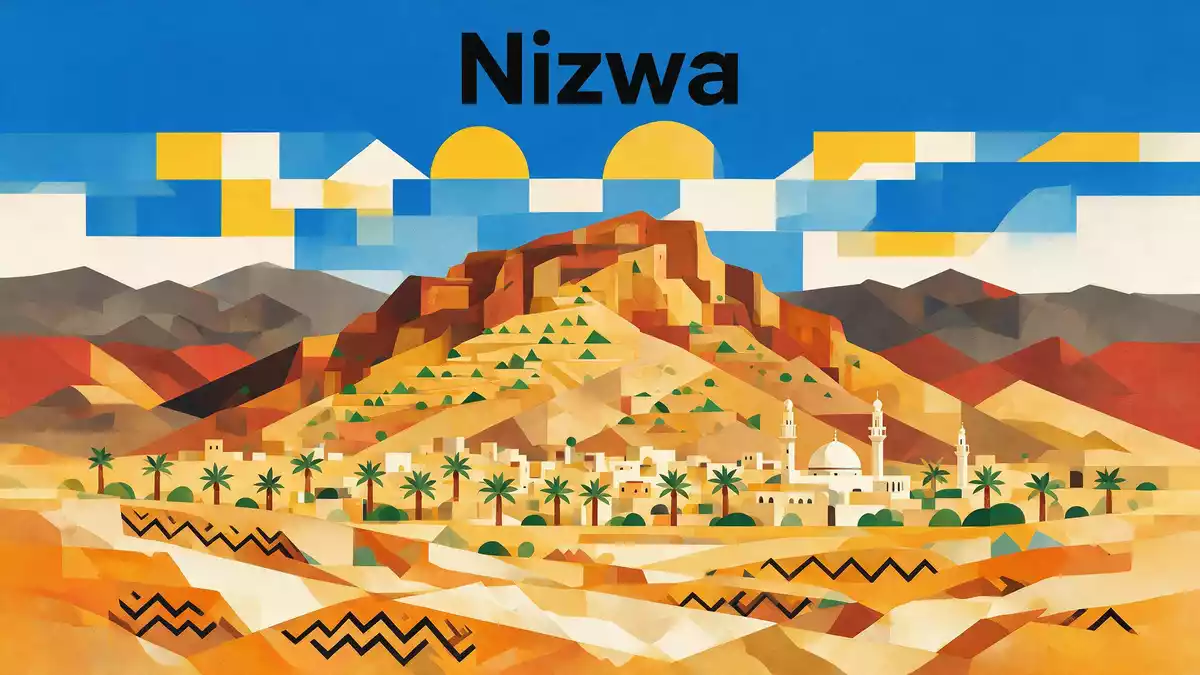
Al Jabal al Akhdar rises above Nizwa as a high limestone plateau in Oman’s Western Hajar Mountains. Its exposed cliffs, cultivated terraces and orchard villages form a landscape where rugged geology and intensive agriculture occupy the same slopes.
Al Jabal al Akhdar as a limestone plateau
The name means “Green Mountain”, although the landscape is shaped as much by pale rock as by vegetation. Al Jabal al Akhdar belongs to the Western Hajar range in Ad Dakhiliyah Governorate, north of Nizwa.
The upper plateau lies at roughly 2,000 m (6,562 ft), while the broader mountain region rises to peaks exceeding 2,400 m (7,874 ft). The rock is predominantly limestone, weathered into ledges, cliffs and steep valley walls. fertile wadis and high peaks define the terrain.
Terraces, orchards and falaj water channels
Agriculture occupies pockets of soil across the plateau. Stone terraces hold orchards of pomegranates, walnuts, grapes, apricots, peaches, figs and other fruit, while rose gardens are associated with the villages around Saiq.
Water reaches cultivated ground through falaj irrigation channels. These traditional systems carry water across the mountain settlements and terraces, linking springs, gardens and household landscapes. Wadi Bani Habib, Wadi Bani Kharus, Wadi Mistal and Wadi Al Ain are among the named valleys associated with the region’s agricultural setting. the limestone mountain landscape includes agriculture, pasture and settlements.
Villages and the cultural landscape
The Saiq Plateau contains mountain villages surrounded by terraces and orchards. Al Aqr, Al Ayn and Ash Sharayjah are associated with cultivated slopes, while Wadi Bani Habib contains stone settlement remains and garden terraces.
The landscape reflects long-established relationships between water, rock and cultivation. Falaj systems form part of Oman’s wider cultural heritage, and the Al Jabal Al Akhdar area is included in UNESCO’s Man and the Biosphere Programme. the mountain’s orchard crops include pomegranates, figs, grapes and several stone fruits.
Rose cultivation gives the plateau a distinctive agricultural identity. The flowers are linked with rosewater production, while pomegranates and walnuts remain characteristic products of the highland gardens. the plateau’s fruit plantations sit among rocky slopes and village terraces.
Visiting Al Jabal al Akhdar: what travellers from Western Europe should know
- Al Jabal al Akhdar lies north of Nizwa in Oman’s interior, within the Western Hajar Mountains. The approach follows mountain roads towards the Saiq Plateau.
- The high plateau sits around 2,000 m (6,562 ft), with steep cliffs, exposed limestone and deep wadis forming the permanent terrain.
- Villages and gardens are scattered across the plateau. Wadi Bani Habib, Saiq and the orchard settlements provide named landscape points.
- The official language is Arabic and the currency is the Omani rial.
- Entry requirements depend on your nationality; UK travellers can check the FCDO travel advice at gov.uk/foreign-travel-advice, Irish travellers the Department of Foreign Affairs at ireland.ie.
Searching for Al Jabal al Akhdar on social platforms
These links open searches for Al Jabal al Akhdar on each platform.Frequently asked questions about Al Jabal al Akhdar
Where is Al Jabal al Akhdar?
Al Jabal al Akhdar is in northern Oman, north of Nizwa, within the Western Hajar Mountains and Ad Dakhiliyah Governorate.
What can visitors expect to see?
The plateau contains limestone cliffs, deep wadis, villages, falaj channels, orchard terraces and rose gardens around Saiq.
What makes the mountain distinctive?
Al Jabal al Akhdar combines high limestone terrain with intensively cultivated terraces, pomegranates, walnuts, fruit orchards and rosewater traditions.


