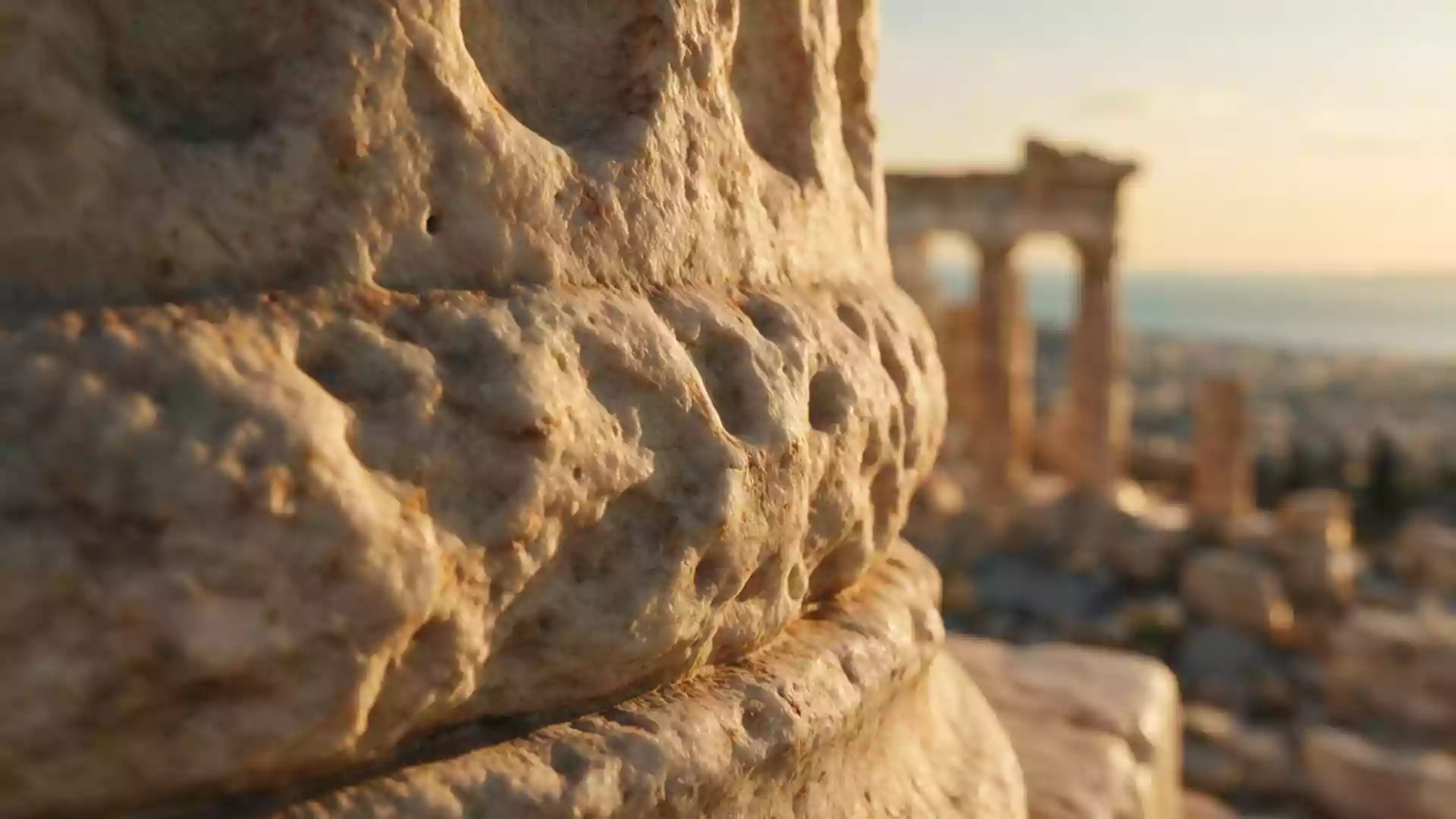
Akropolis in Athen, where marble and rock meet
Published on 08/24/2026 at 06:29 | Editorial responsibility: Rafael Müller, Editor-in-Chief AD HOC NEWS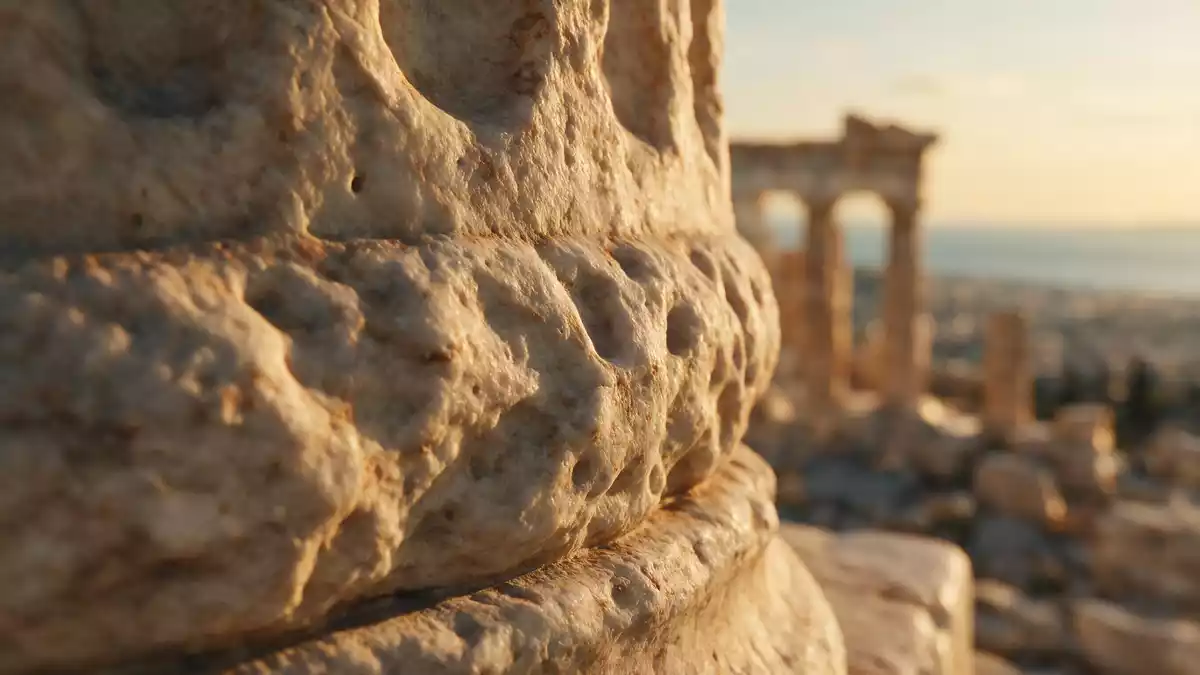
Akropolis in Athen is a rocky hill crowned with marble monuments from classical Greece. The complex includes the Parthenon, the Erechtheion, the Propylaia and the temple of Athena Nike, and it has been a UNESCO World Heritage site since 1987.
Akropolis and the classical hilltop
The Acropolis hill rises above the basin of Athens and has a nearly flat top. Its visible contrast is part of its force: rough limestone and marble on the same summit, with fortification walls enclosing the ancient acropolis on all sides.
In the fifth century BC, Pericles stood at the centre of the building programme that gave the site its best-known monuments. Ictinus, Mnesicles, Kallikrates and Pheidias are among the names associated with that phase, and the result is a compact ensemble of temples, gateways and terraces.
UNESCO World Heritage lists the property as a cultural site. The inscription in 1987 places the Acropolis among Greece’s formally recognised heritage places, while the hill itself keeps the architecture visible against the open sky.
Monuments on the rock
The Parthenon is the largest building on the summit and the clearest emblem of the site. Close by stand the Erechtheion, with its famous porch, the Propylaia at the entrance, and the small temple of Athena Nike.
These monuments belong to the high point of classical Greek architecture. The site also preserves earlier layers of history, including fortification walls from the thirteenth century BC and an ancient religious character that developed in the archaic period.
Greek Ministry of Culture identifies the Athenian Acropolis as a UNESCO inscription from 1987. That formal status sits alongside the older stonework, making the hill both an archaeological site and a living public landmark.
History written in stone
The Acropolis reflects several historical layers rather than a single moment. A Mycenaean ruler was linked to the earliest fortification, the cult of Athena took hold in the eighth century BC, and the fifth century BC brought the monumental form seen today.
Later periods left their own traces through alteration and different uses. The same summit has carried military walls, sanctuaries and classical temples, and the surviving monuments still show that long sequence in their fabric.
Visiting Akropolis: what travellers from Western Europe should know
- The site stands in central Athen, above the modern city and close to the Acropolis Museum. Access is on foot from the surrounding streets.
- The ground is rocky and uneven, with stone paths and exposed slopes. The summit is open and broad, so the monuments stand clearly apart from one another.
- The hill reaches about 156 m (512 ft) above the basin of Athens. That height makes the architecture read against the city and the wider Attic landscape.
- The official language is Greek and the currency is the euro.
Searching for Akropolis on social platforms
These links open searches for Akropolis on each platform.
Frequently asked questions about Akropolis
Where is Akropolis?
Akropolis stands above Athen, on a rocky hill in the centre of the city. The site belongs to Greece’s best-known ancient landscape.
What does a visit involve?
Expect stone paths, slopes and a broad summit with several monuments spread across it. The setting is archaeological rather than enclosed, with open views between the buildings.
What makes Akropolis distinctive?
The site combines the Parthenon, the Propylaia, the Erechtheion and the temple of Athena Nike on one fortified hill. Its UNESCO listing and fifth-century BC monuments define its character.