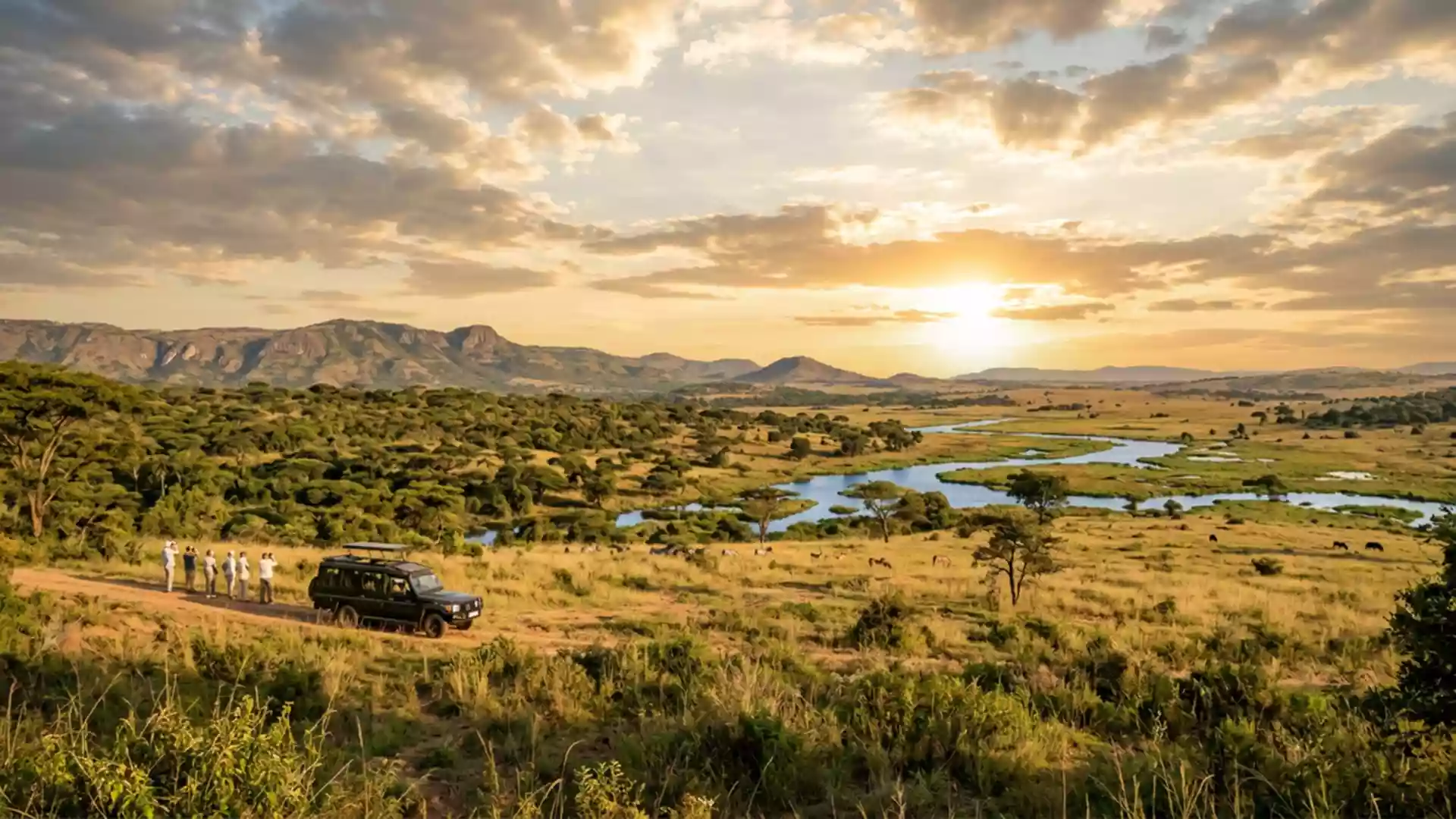
Akagera National Park reports elephant research on 26 November
Published on 11/28/2026 at 08:32 | Editorial responsibility: Rafael Müller, Editor-in-Chief AD HOC NEWSElephant monitoring update
- The park announced the research on 26 November 2026 through its biodiversity conservation team.
- The database now records 124 of 142 elephants, including 70 females and 54 males.
- Twenty-six elephants were introduced to the park in 1975 after numbers had declined.
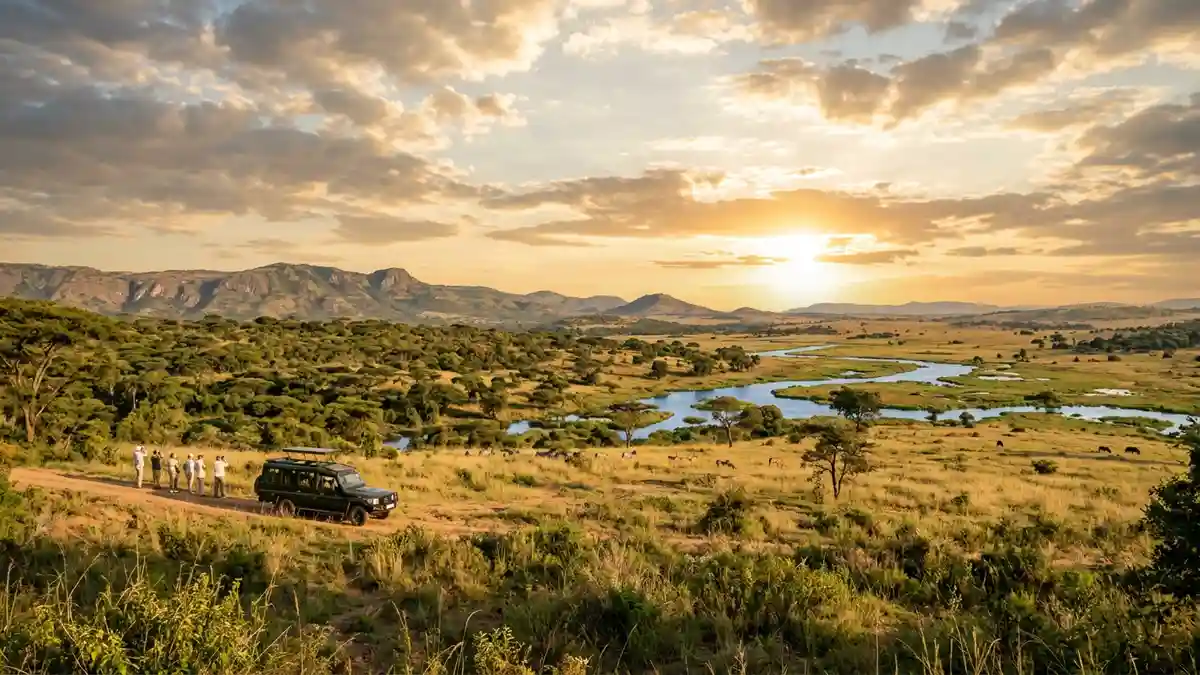
Akagera National Park announced new elephant research in Kayonza, Rwanda, on 26 November 2026, after its biodiversity conservation team added three animals to the park's identification database. The update concerns 124 of the 142 elephants living in the reserve and gives travellers a current conservation detail to look for during visits.
Elephant research update reaches 124 identified animals
The announcement followed a survey conducted in October 2026. The three newly identified elephants are two females and one male, bringing the recorded total to 124. The park said 70 of the identified animals are female and 54 are male, with the total representing 87 per cent of the population.
The figure had stood at 121 in the park's third-quarter 2026 report and at 106 in 2025. The change therefore reflects continuing fieldwork rather than a new introduction of elephants. The 26 November research update said that researchers use photographs and distinctive physical features, including ear shapes, tusks and body size, to distinguish individuals.
How the research fits Akagera's conservation work
Individual records allow conservation teams to follow family structures, recognise long-term residents and monitor changes in the elephant population. The database also gives researchers a more detailed basis for decisions intended to strengthen protection, linking the new finding directly to the way the reserve is managed.
Elephants have a longer conservation history at the site. Twenty-six young animals were introduced in 1975 after numbers had fallen significantly, and later monitoring has tracked the population that developed from that intervention. The reserve's wider landscape combines savannah, woodland, wetland and a dozen lakes, according to Visit Rwanda's park description.
That setting matters to the research because elephants move through more than one habitat. A visitor may encounter them alongside other species, but the current announcement is about identification and monitoring, not a special viewing event or a change to the visitor route.
Visiting Akagera National Park: what travellers from Western Europe should know
- The research announcement was made on 26 November 2026 and concerns elephants living in Akagera National Park in Kayonza, Rwanda.
- The announcement does not state a closure or altered entrance, so the practical change for visitors is access to a park where ongoing conservation research forms part of its management.
- The park is explored by vehicle, either through a tour operator or by self-drive, and Lake Ihema is a named setting for boat trips.
- The terrain includes savannah, woodland, wetlands, lakes and low-lying plains, so visits cover varied natural environments rather than a single enclosed attraction.
- Entry requirements depend on your nationality; UK travellers can check the FCDO travel advice at gov.uk/foreign-travel-advice, Irish travellers the Department of Foreign Affairs at ireland.ie.
Searching for Akagera National Park on social platforms
These links open searches for Akagera National Park on each platform.
Frequently asked questions about Akagera National Park
What was announced at Akagera National Park on 26 November 2026?
The park announced that its biodiversity conservation team had individually identified 124 of the 142 elephants living there.
What does the elephant research mean for visitors?
It documents ongoing conservation work and does not announce a closure or changed entrance.
Where is Akagera National Park and how do you get there?
The park is in Rwanda's Kayonza region and is explored by vehicle, either through a tour operator or by self-drive.