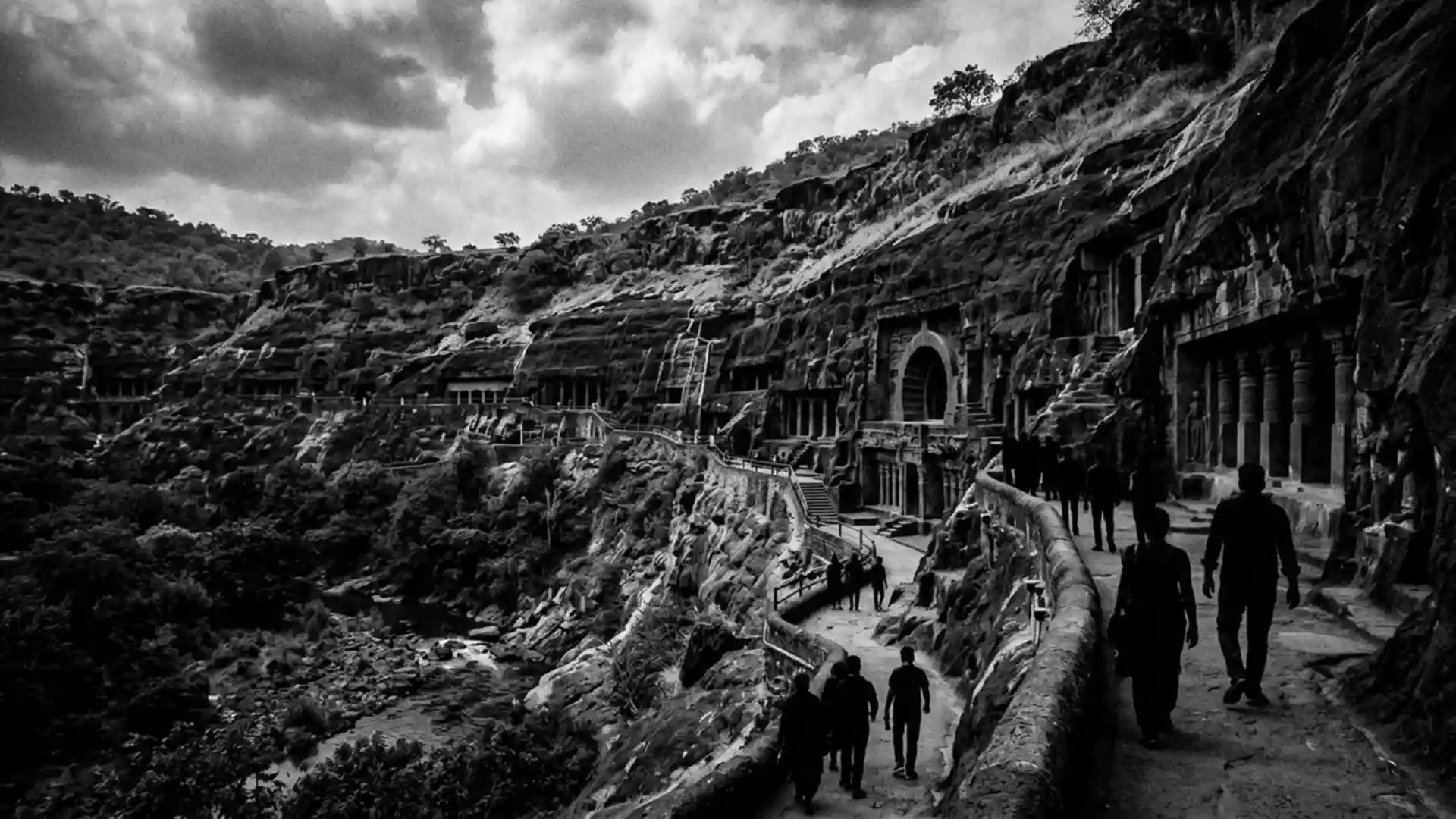
Ajanta Caves join World Heritage Week from 19 to 25 November
Published on 11/21/2026 at 09:18 | Editorial responsibility: Rafael Müller, Editor-in-Chief AD HOC NEWSHeritage programme and site
- The Archaeological Survey of India runs World Heritage Week from 19 to 25 November 2026 across its Aurangabad circle.
- Ajanta Caves are included in the programme, alongside an exhibition and heritage activities linked to conservation.
- UNESCO inscribed the property as a World Heritage Site in 1983.
- The Waghora River runs below the 30 rock-cut Buddhist caves.
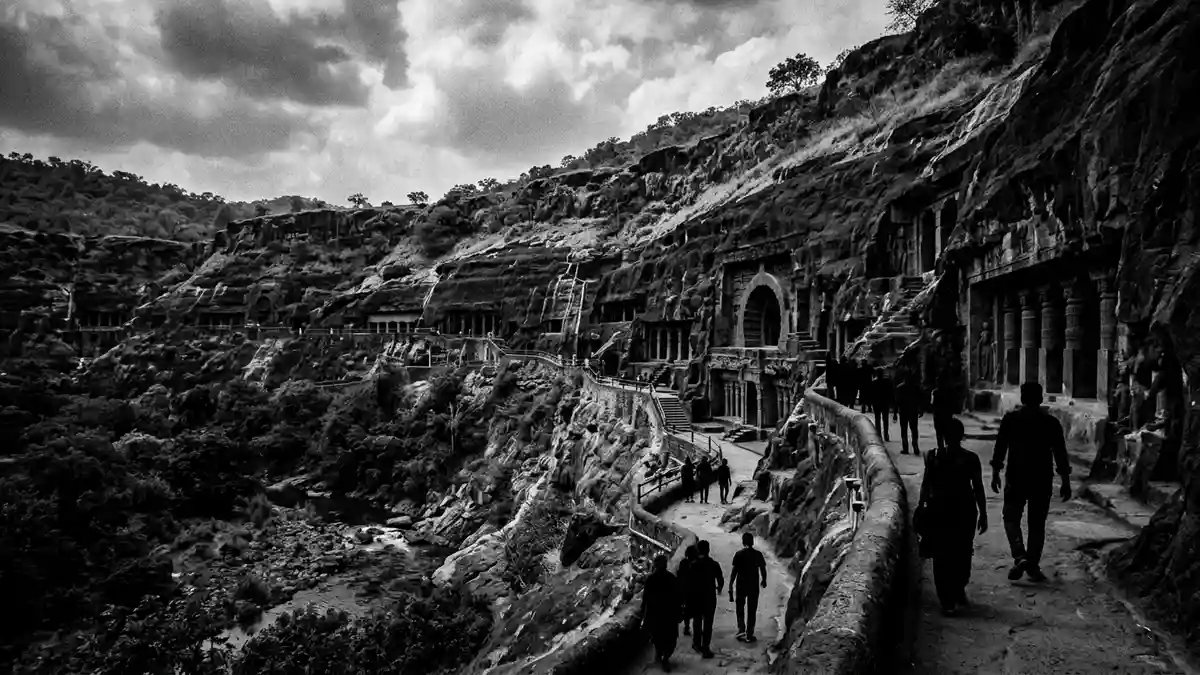
Ajanta Caves are taking part in World Heritage Week from 19 to 25 November 2026 near Aurangabad, India. The Archaeological Survey of India has linked the week to an exhibition, free entry on its opening day and heritage activities at protected monuments in the region.
World Heritage Week brings Ajanta into a wider programme
The Archaeological Survey of India’s Aurangabad circle began its week-long programme on 19 November 2026. The programme includes Ajanta Caves and Ellora Caves, as well as Bibi Ka Maqbara and Daulatabad Fort. Its stated purpose is to promote awareness of heritage conservation through exhibitions, competitions and public activities.
The opening exhibition, Ajanta and Ellora Through the Ages, presents archival photographs documenting paintings and sculptures alongside their present condition. It is being shown at Bibi Ka Maqbara during the week. A heritage rally at Ajanta Caves is also listed among the programme activities, connecting the site directly with the regional celebration rather than treating it only as a name in the exhibition.
The opening day, 19 November 2026, included free entry to ticketed monuments in the district, including Ajanta Caves. That one-day access measure has ended, but World Heritage Week continues through 25 November 2026. Visitors can therefore still find the wider programme during the stated period, while the special entry arrangement should not be assumed to continue.
The ASI programme details identify the Archaeological Survey of India as the organiser and name Ajanta as one of the venues for the activities.
Ajanta links the programme to Buddhist rock-cut art
The caves occupy a horseshoe-shaped ravine above the Waghora River in Maharashtra. The site contains 30 rock-cut Buddhist monuments, including prayer halls known as chaityas and monasteries known as viharas. Rock-cut stairways connect the cave group with the river below.
The first Buddhist cave monuments date from the second and first centuries BC. A later phase during the fifth and sixth centuries AD added richly decorated caves, paintings and sculptures. This two-phase history gives World Heritage Week a specific setting: the conservation message is being presented at a place whose artistic record spans several centuries.
UNESCO inscribed Ajanta as a World Heritage Site in 1983. The World Heritage Centre identifies the Archaeological Survey of India as the manager of the property and lists visitor pressure, structural stability and loose boulders among the management concerns. The UNESCO site description also records the caves’ paintings, sculptures and Buddhist architectural forms.
Where the heritage activities meet the cave landscape
Ajanta lies in Maharashtra near Aurangabad, also known as Chhatrapati Sambhajinagar. The Maharashtra tourism department describes the site as a group of caves carved into volcanic basalt in the Sahyadri Hills and confirms that visitors reach it through a horseshoe-shaped ravine overlooking the Waghora River.
The setting matters for visitors attending a heritage activity. The caves are not a single enclosed museum: they extend along a cliff, with uneven ground, rock-cut steps and passages between distinct cave spaces. Paintings and sculptures are distributed through prayer halls and monastic rooms, while the surrounding gorge remains part of the protected landscape.
The Maharashtra tourism overview places the caves near Chhatrapati Sambhajinagar and confirms that the site is closed to visitors on Mondays.
Visiting Ajanta Caves: what travellers from Western Europe should know
- World Heritage Week runs from 19 to 25 November 2026, with Ajanta included in the Archaeological Survey of India’s Aurangabad circle programme.
- The special free-entry arrangement applied on 19 November 2026; regular admission arrangements should be expected after that day.
- The site is in Maharashtra near Aurangabad, beside the Waghora River, and is reached through the Ajanta gorge.
- Visitors encounter rock-cut steps, uneven ground, cliffside paths and narrow cave passages across the 30-monument complex.
- India’s national currency is the Indian rupee, and Marathi is the official language of Maharashtra.
- Entry requirements depend on your nationality; UK travellers can check the FCDO travel advice at gov.uk/foreign-travel-advice, Irish travellers the Department of Foreign Affairs at ireland.ie.
Searching for Ajanta Caves on social platforms
These links open searches for Ajanta Caves on each platform.
Frequently asked questions about Ajanta Caves
When does World Heritage Week take place at Ajanta Caves?
The Archaeological Survey of India’s regional programme runs from 19 to 25 November 2026 and includes activities linked to Ajanta.
What is Ajanta Caves?
Ajanta is a UNESCO World Heritage Site of 30 rock-cut Buddhist monuments above the Waghora River, with prayer halls, monasteries, paintings and sculptures.
Where is Ajanta Caves and how do you get there?
The site is in Maharashtra near Aurangabad, in a horseshoe-shaped ravine overlooking the Waghora River.