
Aitutaki Lagoon and its almost-atoll of turquoise shallows
Published on 09/23/2026 at 20:17 | Editorial responsibility: Rafael Müller, Editor-in-Chief AD HOC NEWS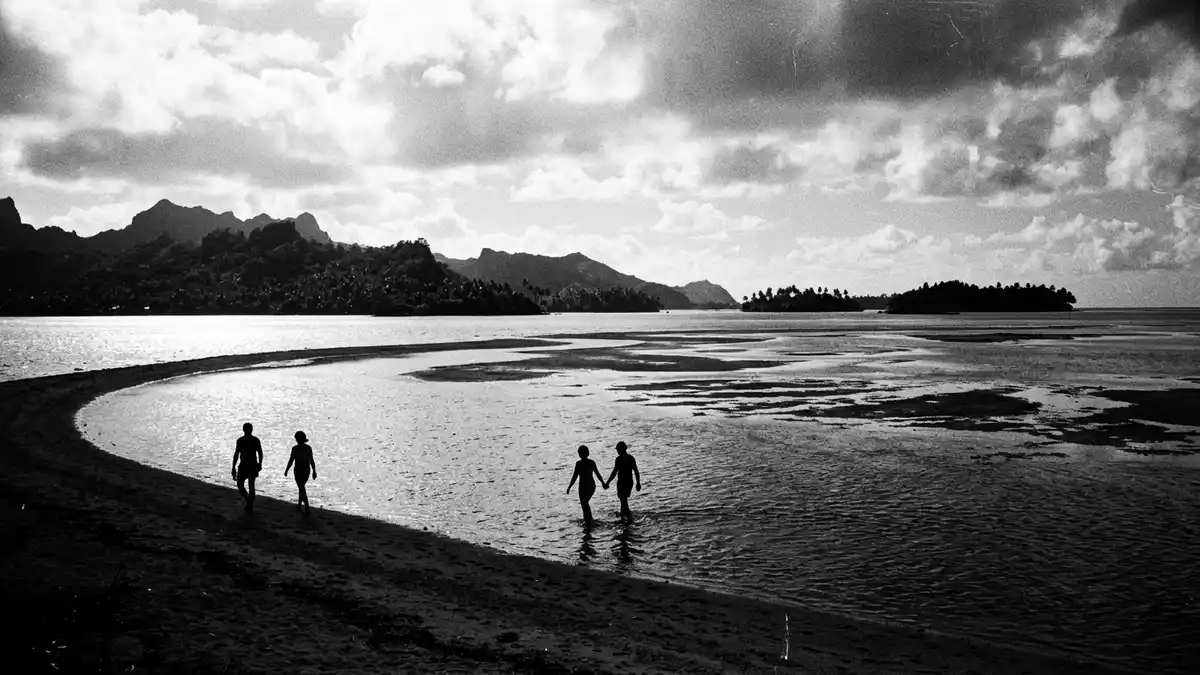
Aitutaki Lagoon is a broad expanse of shallow turquoise water surrounding the volcanic island of Aitutaki in the southern Cook Islands. Coral reef, low motu and a higher central island form an almost-atoll landscape whose parts remain visible from the water.
The lagoon is not a separate coastal feature beside Aitutaki. It is the defining space of the island, widening towards the south and enclosed by reef. Its colours, coral formations and scattered islets create a landscape that combines volcanic rock with coral-built land.
Aitutaki Lagoon: water around a volcanic island
Aitutaki Atoll is volcanic in origin, while its offshore islets are low coral formations. The main island rises to about 140 metres above sea level, giving the atoll a landform different from a ring made entirely of reef.
A reef encircles the island, enclosing the lagoon and shaping its southern breadth. The contrast between the green main island, pale reef and blue water is visible from the air, from the shore and from boats crossing the lagoon. Aitutaki’s volcanic origin is part of the place’s geographical identity.
Coral motu, reef channels and open shallows
The lagoon contains reef motu, including low sandy islands with vegetation and beaches. The Cook Islands tourism guide records fifteen motu in the lagoon, while broader descriptions distinguish the low coral islets from Aitutaki’s volcanic main island.
Coral heads rise within the lagoon, forming habitat for tropical fish and other marine life. Snorkelling, kayaking, paddleboarding, fishing and boat excursions all take place in this shallow reef setting, where the water changes colour across sand, coral and deeper channels. the lagoon’s reef motu are among its most recognisable features.
Aitutaki’s Polynesian and European history
Aitutaki was settled by Polynesian seafarers around 900 AD. The island’s name is commonly translated from words meaning “God” and “led”, and Polynesian culture remains part of its community life and landscape.
Captain William Bligh and the crew of HMS Bounty reached Aitutaki on 11 April 1789, shortly before the ship’s mutiny. Missionary John Williams arrived in 1821, and Aitutaki became the first of the Cook Islands to adopt Christianity. Aitutaki’s recorded history includes both its Polynesian settlement and its contact with European voyagers.
Arutanga is the main settlement, and the Arutanga Cook Islands Christian Church is built from coral limestone. During the Second World War, New Zealand and American forces built airstrips on the island. The lagoon also became a stopover for flying boats operating across the Pacific.
Visiting Aitutaki Lagoon: what travellers from Western Europe should know
- Aitutaki lies in the southern group of the Cook Islands, north-east of Rarotonga. Domestic flights connect the island with Rarotonga, and boats provide access to the lagoon and its motu.
- Maunga Pu is Aitutaki’s highest point at 123 metres. The hill provides views across the lagoon, reef and scattered motu.
- The lagoon is a marine landscape of shallow water, coral heads, reef channels and low islets. Boat trips, snorkelling, kayaking and paddleboarding take place on the water.
- The official language is English and the currency is the New Zealand dollar.
- Entry requirements depend on your nationality; UK travellers can check the FCDO travel advice at gov.uk/foreign-travel-advice, Irish travellers the Department of Foreign Affairs at ireland.ie.
Searching for Aitutaki Lagoon on social platforms
These links open searches for Aitutaki Lagoon on each platform.
Frequently asked questions about Aitutaki Lagoon
Where is Aitutaki Lagoon?
Aitutaki Lagoon surrounds Aitutaki in the southern group of the Cook Islands, in the South Pacific Ocean. The island lies north-east of Rarotonga.
What can visitors expect at Aitutaki Lagoon?
Visitors encounter shallow turquoise water, coral reef, low motu and marine life. Snorkelling, boating, kayaking, paddleboarding and fishing are associated with the lagoon.
What makes Aitutaki Lagoon distinctive?
The lagoon combines an encircling coral reef with a volcanic main island and low coral islets. This combination gives Aitutaki its almost-atoll form.


