Abisko nationalpark and the open valley of Lapland
Published on 08/20/2026 at 12:05 | Editorial responsibility: Rafael Müller, Editor-in-Chief AD HOC NEWS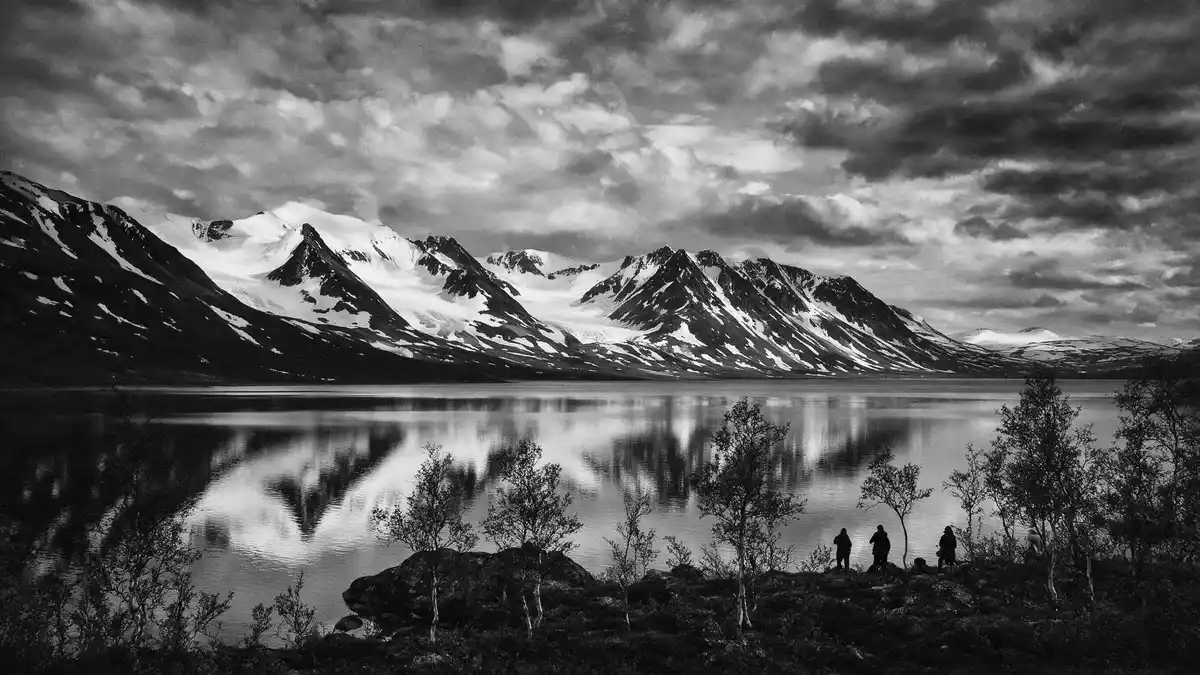
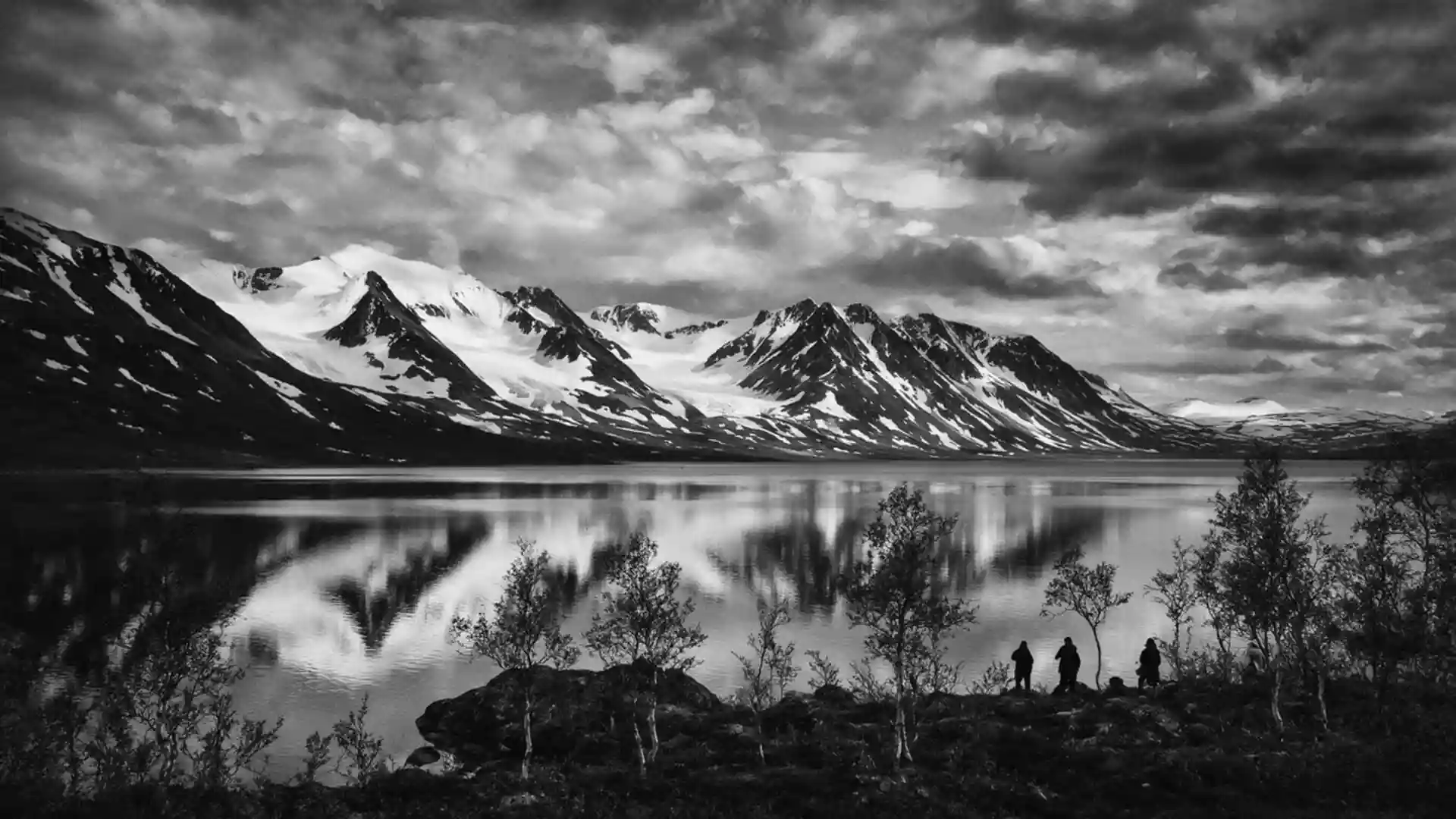
Abisko nationalpark in northern Sweden spreads south of Torneträsk, revealing a broad Arctic valley framed by dark mountain ridges and light birch forest. Established in 1909 in Kiruna Municipality, it protects a high?northern landscape where low trees, open heath and bare fell lie within sight of one another.
An Arctic valley between lake and mountains
The core of Abisko nationalpark is Abiskodalen, a valley that runs inland from the southern shore of Torneträsk towards the Scandinavian mountains. The park extends from the lakeside up through mountain terrain, forming a band of protected land between water and higher peaks.Abisko nationalpark extends 7,700 hectares and includes both lowland and upland habitats within Swedish Lapland.
The valley floor carries birch woodland broken by meadows and heath, while the slopes rise towards bare fell where vegetation thins and rock dominates.The national park is described as deciduous forest, open meadow, open heath and alpine terrain, and those types sit close enough together that a walk can cross several in a short span. To the north?east the open water of Torneträsk anchors the landscape, while to the south and west the park is backed by larger mountain massifs that mark the start of the Scandinavian range.
From early protection to a landscape for research and hiking
Abisko nationalpark belongs to one of the earliest generations of national parks in Europe. It was formally established on 24 May 1909 as part of Sweden’s first laws on nature and conservation, with a stated purpose of preserving a northern Nordic fell landscape in its original condition and as a field for scientific work.The park’s founding year and conservation purpose give it a long history of protection compared with many mountain areas elsewhere.
Scientific interest is visible in the presence of research facilities near the park, while recreation follows marked paths through the valley and up towards the fell. The long?distance Kungsleden trail runs through Abisko nationalpark, following the course of Abiskojåkka as it cuts through the canyon before reaching the broad delta at Torneträsk.Kungsleden passes through the Abisko valley along Abiskojåkka, and the Abisko Turiststation beside the railway serves as a starting point for many journeys on foot into the park.STF Abisko Turiststation stands within the national park.
Terrain, light and the character of the far north
Abisko nationalpark lies far inside the Arctic Circle in Norrbotten County, in the northern part of Sweden and close to the border with Norway.The park covers 77 km² in Kiruna Municipality and forms part of the wider mountain belt that crosses the frontier between the two countries. Elevation rises from the shore of Torneträsk to higher ground that carries fell and bare rock, with a mix of slopes and flatter sections along the valley floor.
The climate is characterised by cold winters and short summers, with snow on the mountains and a period of continuous daylight in the warmer season. The combination of clear winter skies and the park’s northern position gives Abisko nationalpark a reputation as a place where the aurora borealis can be seen, while summer brings bright nights and abundant plant life in the meadows and birch woods.The park lies roughly 195 km north of the Arctic Circle, and its latitude shapes both the vegetation and the quality of light across the seasons.
Visiting Abisko nationalpark: what travellers from Western Europe should know
- Abisko nationalpark lies near the settlement of Abisko in Kiruna Municipality in northern Sweden, on the southern shore of Torneträsk. The E10 road and the main railway line pass through the park, with stops at Abisko Östra in the village and Abisko Turiststation beside the national park.
- The terrain combines valley paths, sections of birch forest and steeper mountain slopes. Routes include level stretches near the lake and more demanding ground higher up, and some approaches follow the Abiskojåkka canyon where the river has cut down through the rock.
- Abisko nationalpark can be reached by train or bus from Kiruna and Narvik as well as by car, and the presence of a tourist station inside the park makes overnight stays more straightforward than in many remote mountain areas of similar latitude.
- The official language is Swedish and the currency is the Swedish krona.
Searching for Abisko nationalpark on social platforms
These links open searches for Abisko nationalpark on each platform.Frequently asked questions about Abisko nationalpark
Where is Abisko nationalpark located?
Abisko nationalpark is in Kiruna Municipality in Norrbotten County in northern Sweden, south of Torneträsk and near the settlement of Abisko, close to the Norwegian border.
What can visitors expect on a visit to Abisko nationalpark?
Visitors find an Arctic valley landscape with birch forest, heath, meadows, river canyon and bare fell, with marked paths including the start of the long?distance Kungsleden trail.
What makes Abisko nationalpark distinctive among northern landscapes?
The park combines early twentieth?century protection, scientific interest, easy access by road and rail, and a location far inside the Arctic Circle where lake, valley and mountains meet.