
The White Stripes’ Seven Nation Army keeps stadiums roaring and playlists buzzing
Published on 06/18/2026 at 00:49 | Editorial responsibility: Rafael Müller, Editor-in-Chief AD HOC NEWS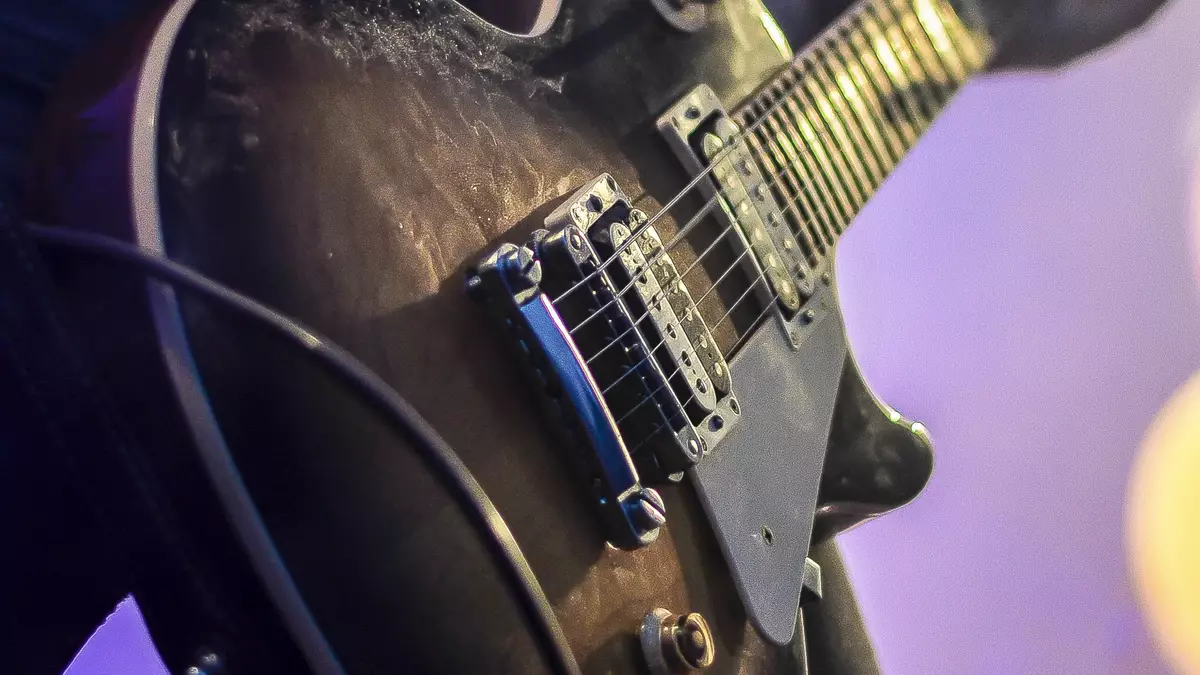
The White Stripes have been split up for more than a decade, yet their music still feels omnipresent. From football stadiums to festival fields and viral playlists, the Detroit duo’s signature song Seven Nation Army keeps roaring, drawing new listeners back into a compact but highly influential body of work.
Jack and Meg White’s stripped-down mix of garage rock, blues and punk attitude arrived at the turn of the millennium just as guitar music was shaking off the excess of the late 1990s. The White Stripes stood out instantly: red, white and black visuals, thunderous riffs, no bass player and an almost minimalist approach that still felt huge.
How The White Stripes reshaped garage rock in the 2000s
Background, album stories and chart moments: follow more coverage on The White Stripes in the AD HOC NEWS archive.
More news on The White Stripes at AD HOC NEWS ->Thursday spotlight: how The White Stripes turned minimal gear into maximum impact
At a time when many bands relied on layers of overdubs and studio effects, The White Stripes leaned into simplicity. Jack White played guitar, occasional keyboards and sang; Meg White held down the drums with a deliberately primitive style. That approach gave their songs a raw, unpolished edge that fans and critics embraced.
Their early albums, recorded on modest equipment and often to analog tape, captured a live-in-the-room feel that stood in stark contrast to overproduced rock. The sound referenced Delta blues, early rock and roll and 1960s garage bands, yet it never felt like nostalgia. Instead, the duo filtered those influences through a modern, sometimes almost punk-like urgency.
Visually, the band’s strict red-white-black color scheme became as recognizable as their riffs. From stage outfits to album art and music video sets, the limited palette created a striking identity. Few rock acts of the 2000s were as instantly identifiable from a distance as The White Stripes, whether on TV, in magazines or on festival posters.
The lack of a bassist, long considered a rock band necessity, turned into an advantage. Jack White’s detuned guitars, octave pedals and clever arrangements filled out the low end, giving songs surprising weight. That distinctive texture, particularly on tracks like Seven Nation Army, helped the band sound like a full group despite being only two people.
Live, this lean configuration translated into intense performances. Setlists often shifted from night to night, with Jack and Meg sometimes changing songs on the fly. That spontaneity and the sheer volume of the guitar-and-drums attack made their shows feel unpredictable in the best way, even when they were playing increasingly large venues.
Critically, the band’s minimalism was often interpreted as a reaction against both glossy pop and overly technical rock. Yet the White Stripes’ music was not anti-melody. Tracks such as Fell in Love with a Girl, Dead Leaves and the Dirty Ground and We’re Going to Be Friends showcased Jack White’s knack for hooks as much as his love for distortion and slide guitar.
The duo’s influence can be heard in later generations of rock acts who embraced duo line-ups, retro-leaning sounds or a back-to-basics band concept. The White Stripes showed that a compelling voice, memorable riffs and a clear aesthetic could cut through the noise of the early digital era without relying on elaborate production tricks.
Beyond rock circles, producers and pop artists also took note of the band’s stark arrangements. The way The White Stripes carved out space in their recordings, leaving air around instruments instead of filling every frequency, can be heard echoed in later minimalist pop and indie releases. Their work proved that restraint can be as powerful as excess.
The project’s roots in Detroit and the Midwest’s DIY culture also resonated with aspiring musicians. Stories of early shows in small venues, self-financed recordings and a gradual rise helped cement the image of The White Stripes as a band that built its reputation from the ground up rather than through major-label engineering from day one.
Even as their fame grew, the duo remained committed to analog formats and independent record stores. That stance, combined with Jack White’s later efforts with labels and vinyl pressing plants, strengthened the band’s reputation among collectors and audio purists who appreciated their attention to sound and physical releases.
From self-titled debut to Icky Thump: a concise but powerful album run
The White Stripes’ studio discography is surprisingly compact. Across six main albums, the band charted a clear evolution from raw garage recordings to more expansive, yet still focused, arrangements. Each release built on the previous one while preserving the core guitar-and-drums chemistry that defined the project.
Their self-titled debut introduced many of the key ingredients: fuzzy riffs, blues standards reimagined with punk energy and a lo-fi charm that made the record feel like a hidden gem. While it did not yet command major chart positions, underground buzz began building around the duo’s intense shows and unconventional aesthetic.
The second album pushed the ideas further. With more confident songwriting and improved production, it set the stage for what would become a breakthrough moment. Critics started to pay closer attention, noting that the band’s minimal instrumentation did not limit their creativity but instead forced inventive arrangements.
Everything changed with the third album, which contained the future stadium anthem Seven Nation Army. That record balanced explosive rockers with quieter, almost folk-like moments, showcasing a wider emotional and sonic range. It also helped move garage rock back into mainstream focus, alongside peers from the early 2000s rock revival.
Follow-up releases continued the exploration. One album leaned into British and folk influences, another into a more playful, almost childlike side, and the final studio effort arrived with heavier riffs and a broader palette that included brass, bagpipes and more adventurous studio ideas.
Despite the increasing complexity in arrangements, The White Stripes never lost sight of their core identity. Even the most ornate moments retained a directness that connected back to the duo’s early days in Detroit clubs. That continuity is one reason their catalog still feels cohesive when listeners stream the albums in sequence.
The relative brevity of their discography also means there are few weak links. With only a handful of full-length records and various EPs and singles, new fans can explore the band’s output in a concentrated listening session, discovering B-sides and deep cuts without having to wade through filler.
For long-time followers, each album marks a distinct era. The evolution in songwriting, tone and artwork invites repeated listening, with details revealing themselves over time. Hidden references to old blues songs, clever lyrical turns and subtle shifts in drum feel continue to reward close attention years after release.
Special editions, remasters and colored vinyl reissues keep the albums circulating in physical form. Collectors often trade stories of limited pressings, rare sleeves and regional editions, underscoring how much The White Stripes matter to the vinyl community and to those who still enjoy holding albums in their hands.
Even without new studio records, the existing catalog remains active on streaming platforms. The most popular songs regularly appear in curated rock playlists, algorithmic recommendations and user-made mixes, ensuring that the band’s albums keep reaching new listeners around the world.
Seven Nation Army: from riff to global chant
Seven Nation Army has become one of the most recognizable rock riffs of the 21st century. Its simple, descending melody is easy to sing even without instruments, which explains why it migrated from clubs and festivals into stadiums, political rallies and street celebrations around the globe.
The track’s status as a sports anthem grew organically. Fans in Europe and beyond began chanting the riff at football matches, first as a celebration song and later as a general rallying cry. Before long, crowds of tens of thousands were singing the melody in unison, often long after the final whistle.
This transformation from indie-rock single to folk-like chant is unusual in modern music. Most contemporary songs remain tied to recorded versions, but Seven Nation Army escaped the boundaries of radio and streaming. It became a kind of shared musical language that supporters used regardless of club colors or national teams.
The song’s longevity is partly due to its structure. The riff repeats with subtle variations, supported by a steady beat that makes it easy for groups to follow. There are no complicated chord changes to disrupt the flow, giving fans plenty of space to adapt the melody with their own chants and lyrics.
On streaming services, Seven Nation Army continues to pull huge numbers. Massive plays show how the song bridges generations: listeners who discovered it in the early 2000s still return to it, while younger fans often encounter the track first through sports broadcasts, gaming videos or social media edits.
Beyond the hit, The White Stripes’ catalog contains other anthems that translate well to large audiences. Tracks like Icky Thump, Blue Orchid and The Hardest Button to Button have riffs and rhythms that resonate in live settings, whether blasted from stadium PA systems or covered by marching bands and street musicians.
The success of Seven Nation Army also underscores the power of distinctive guitar tones. The song’s riff, famously played on a semi-acoustic guitar run through an octave pedal, occupies a sonic space between bass and guitar. That unconventional sound helped the track stand out on radio and made it instantly recognizable from the first notes.
For many casual listeners, the song served as a gateway into The White Stripes’ broader work. After hearing it on TV or in a stadium, fans often dove into full albums, discovering quieter tracks, blues covers and deep cuts that revealed a more nuanced side to the band than the roaring main riff suggests.
The track’s cultural footprint has expanded into film, advertising and video games, yet it still retains a certain rawness. Unlike heavily polished pop hits, Seven Nation Army carries the grit of analog recording, small-room reverb and the palpable energy of two musicians pushing their setup to the limit.
In discussions of modern rock history, the song frequently appears on lists of the most important guitar tracks of the century so far. Its blend of simplicity, memorability and cross-cultural reach makes it a benchmark for how a single riff can reshape a band’s trajectory and leave a lasting mark on popular culture.
Visual identity: red, white, black and carefully managed mystery
Beyond the music, The White Stripes’ visual world helped them cut through crowded music channels. The strict red-white-black rule applied to clothes, instruments and graphic design, giving photos, videos and stage setups a unified, almost cinematic look.
This consistency was unusual in an era when many acts chased rapid image changes. By contrast, The White Stripes committed to their concept with near-total discipline. Album covers, single sleeves and merchandise rarely broke the palette, turning every appearance into another piece of a larger visual puzzle.
Music videos made creative use of this framework. Stop-motion experiments, optical illusions and carefully staged performance clips leaned into the color contrast, making the band instantly recognizable even in brief TV rotations or early online video platforms.
The duo also cultivated a sense of mystery by limiting public explanations about their private lives and focusing interviews on art, influences and the mechanics of the band. That approach encouraged listeners to project their own stories onto the songs instead of treating the project as a reality show.
On stage, the visual discipline extended to lighting and props. Minimal set designs, classic-looking microphones and matching outfits reinforced the impression of a band that had stepped out of time, drawing equally from vintage Americana and bold graphic design.
Photography from the era shows how strongly the concept worked. Even candid backstage shots and early club photos often include touches of red, white and black, whether in clothing, drum kits or flyers pinned to the walls. Over time, this built an iconography that fans could instantly identify.
The overall effect was to make The White Stripes feel like more than just another rock band. They appeared as a self-contained art project with its own rules, symbols and recurring motifs. That sense of coherence continues to attract new fans who discover the group through album art, posters and retro-styled T-shirts.
The lasting appeal of the imagery can be seen in ongoing references across pop culture. Designers borrow the color scheme, artists pay tribute with minimalist posters, and fashion shoots occasionally echo the duo’s bold contrasts. In each case, the association with The White Stripes lends a certain raw, guitar-driven energy.
For younger listeners encountering the band through streaming thumbnails and social media images, the visuals still feel striking. In feeds dominated by pastels and filters, a stark red-white-black composition stands out, sparking curiosity, clicks and ultimately listens.
The combination of musical hooks and a strong visual brand offers a lesson for newer acts: a clearly defined aesthetic can amplify songs and help them travel further, especially in fragmented digital landscapes where attention is scarce and first impressions matter.
Legacy and influence on modern rock and pop
The White Stripes’ influence stretches far beyond their own discography. Many bands that emerged in the mid-2000s and 2010s adopted aspects of their sound, from overdriven guitar tones to unpolished drum recordings, often citing the duo as proof that raw rock still had mainstream potential.
Several two-piece rock acts found a path onto festival stages and charts after The White Stripes demonstrated that a duo could deliver a full-bodied live show. While each of those groups developed its own style, the template of guitar-plus-drums stripped back to essentials owes much to Jack and Meg’s breakthrough.
The band’s success also encouraged labels and audiences to take more risks on acts that did not fit classic rock band molds. Projects centered around a single strong songwriter, unusual line-ups or hybrid genres found more open ears in the wake of The White Stripes’ mainstream rise.
In the broader pop landscape, the group’s impact can be heard in the way some chart artists incorporated crunchier guitars and bluesy turns into otherwise radio-friendly tracks. The idea that a hit single could pivot around a gritty riff rather than glossy synthesizers became easier to sell after Seven Nation Army.
Critically, The White Stripes are often mentioned alongside other key players in the early-2000s rock resurgence. Reviews and retrospectives point to their ability to bridge underground credibility and chart success, something relatively rare at the time and still difficult to achieve consistently.
The band’s devotion to analog recording and vinyl also helped keep physical formats in the conversation during a period of rapid digital expansion. Their stance did not halt the rise of downloads and streaming, but it did contribute to a parallel narrative in which records and turntables remained relevant cultural objects.
Educational programs, music schools and guitar teachers frequently use White Stripes songs as examples in lessons. Riffs are straightforward enough for beginners to attempt, yet they also teach musical lessons about groove, dynamics and the power of space in arrangements.
Film and TV supervisors continue to license The White Stripes’ tracks for scenes needing high-impact rock energy. That constant presence in soundtracks ensures that new generations stumble upon the band even if they do not seek out older rock catalogues actively.
For fans, the legacy is personal as well as historical. Many people recall learning their first guitar parts from White Stripes songs, attending formative concerts or discovering older blues and rock pioneers after reading about Jack White’s influences in interviews.
Because the band’s recorded output is finite, the catalog has acquired a completed-works status. New listeners can explore it knowing that they are hearing the full story, while long-time supporters often revisit albums as a compact, self-contained journey through a distinctive musical world.
Why The White Stripes still matter in streaming and social feeds
In the streaming age, longevity is measured in more than physical sales or initial chart positions. The White Stripes’ continued relevance shows up in algorithmic recommendations, user playlists, social media edits and the way younger artists name-check the band in interviews and posts.
On major streaming platforms, core tracks remain playlist staples. Users add songs to workout mixes, rock retrospectives, study sessions and driving compilations, often blending The White Stripes seamlessly with newer acts that share a love of loud guitars and strong hooks.
Short-form video platforms regularly recycle the most famous riffs. Creators sync footage of sports highlights, skate sessions, festival clips or gaming moments to White Stripes songs, introducing the music to audiences who may have been toddlers when the tracks originally came out.
The band’s visual identity translates effectively into social media content. Fan art, vintage concert posters and carefully staged outfit photos referencing the red-white-black palette all circulate widely, particularly on image-focused platforms and nostalgia-themed pages.
Meanwhile, music critics and long-form podcasters use The White Stripes as a touchstone when discussing the evolution of rock in the 2000s. The duo’s ability to cross from indie circuits into mainstream awareness offers a case study in how strong branding, memorable songs and striking visuals can intersect.
For younger musicians, the band’s story remains instructive. The White Stripes demonstrate that creative constraints can unlock originality: limited instrumentation, a consistent color scheme and a commitment to analog methods became strengths rather than limitations, helping the group stand out.
Collectors and audiophiles continue to seek out original pressings, reissues and special editions. That ongoing demand keeps physical releases in production and reinforces the idea that The White Stripes are not just another playlist band but a cornerstone act worth dedicating shelf space to.
As rock cycles through periods of mainstream visibility and relative underground status, The White Stripes serve as a reminder of how quickly a distinctive band can re-energize the genre in the public eye. Their songs still feel ready-made for both sweaty club gigs and massive festival stages.
Even with no active touring schedule and no current studio sessions, the band’s presence in conversations about modern rock remains strong. Fans trade bootleg recordings, share old interviews and debate favorite tracks, keeping the community around the music very much alive.
In this sense, The White Stripes occupy a rare position: a band with a closed chapter of studio work whose cultural impact is still unfolding, as each new generation of listeners finds fresh meaning in the crackling guitars, pounding drums and bold colors that defined the project.
Key facts about The White Stripes
- Act: The White Stripes
- Genre: Garage rock, alternative rock, blues rock
- Origin: Detroit, Michigan, United States
- Active since: Late 1990s (band officially disbanded in the 2010s)
- Key works: Albums White Blood Cells, Elephant, Get Behind Me Satan, Icky Thump; songs Seven Nation Army, Fell in Love with a Girl, We’re Going to Be Friends
- Label: Associated over time with independent and major labels including Third Man-related projects
- Charts / certifications: Multiple gold and platinum-certified albums and singles in several countries, with Seven Nation Army accumulating high sales and streaming milestones
FAQ: The White Stripes for new and returning fans
How did The White Stripes start?
The White Stripes emerged from the Detroit underground scene in the late 1990s. Jack White and Meg White began playing small shows with a basic setup of guitar, drums and voice, gradually drawing attention for their explosive live performances and strict red-white-black aesthetic.
What makes The White Stripes’ sound unique?
The band’s sound relies on heavily overdriven guitar tones, simple but powerful drum patterns and a blend of blues, garage rock and punk influences. The absence of a traditional bass player led to creative use of detuned guitars and effects, giving songs a deep, throbbing low end despite the minimal line-up.
Which The White Stripes songs should new listeners start with?
For an introduction, many fans recommend Seven Nation Army, Fell in Love with a Girl, Dead Leaves and the Dirty Ground, Blue Orchid, The Hardest Button to Button and We’re Going to Be Friends. From there, exploring full albums like White Blood Cells and Elephant gives a deeper sense of the band’s range.
This article was created with a.i. assistance and reviewed by editors. All information without guarantee.


