The Strokes extend 2026 world tour with New York finale
17.06.2026 - 02:17:04 | ad-hoc-news.de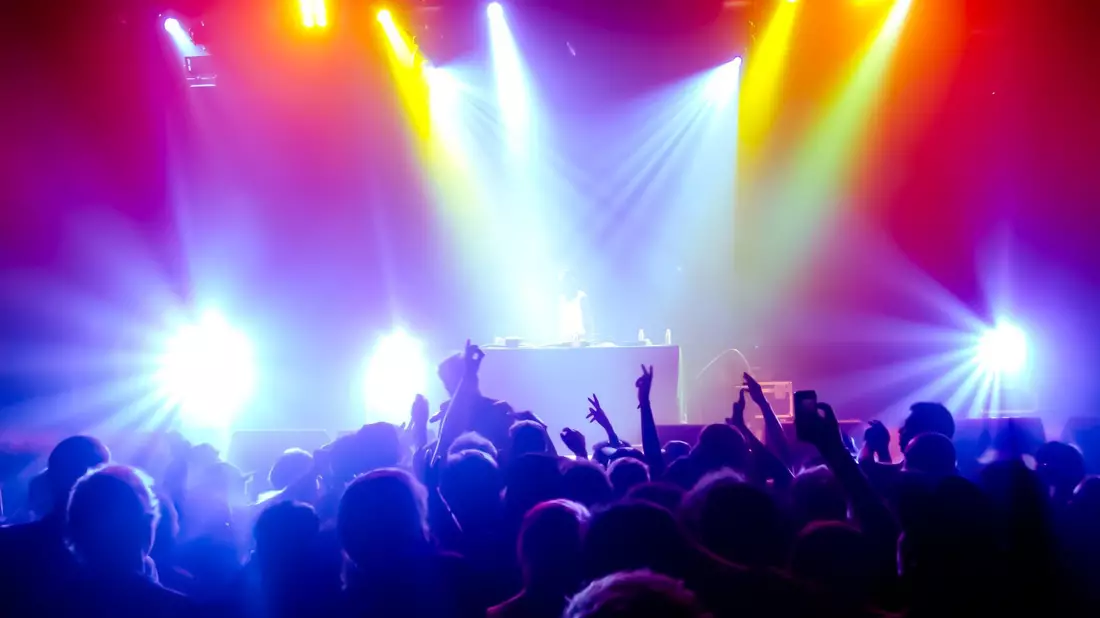
On Wednesday, The Strokes underlined their status as one of the defining rock bands of the 2000s by extending their 2026 world touring schedule with a newly announced New York finale. Recent festival slots and headline shows keep the New York five-piece firmly in the spotlight while fans continue to rediscover the band’s early-2000s breakthrough records.
Two and a half decades after their formation, The Strokes continue to draw large audiences with a mix of early hits, deep cuts and later material that leans into synths and more expansive arrangements. The current run of dates gives the band another chance to show how songs from Is This It, Room on Fire and The New Abnormal sit comfortably side by side on one setlist.
How The Strokes reshaped indie rock in the 2000s
Discover more background, chart moves and tour updates on The Strokes in the AD HOC NEWS archive.
More news on The Strokes at AD HOC NEWS ->Wednesday spotlight: The Strokes on stage in 2026
For many fans, The Strokes still embody the early-2000s guitar-rock revival that emerged in New York’s club circuit. Across recent shows, the band has leaned into that legacy, often opening with material from Is This It before moving into songs from First Impressions of Earth and later albums. The balance keeps long-time listeners satisfied while offering entry points for a younger crowd.
The 2026 tour follows years of stop-start live activity, with the group combining festival appearances, special one-off events and headline dates. On stage, frontman Julian Casablancas delivers the familiar rasping vocal lines while guitarists Nick Valensi and Albert Hammond Jr. trade sharp, interlocking riffs. Bassist Nikolai Fraiture and drummer Fabrizio Moretti hold the groove in place, giving even older tracks a renewed punch.
Recent setlists have highlighted how the band’s songwriting has evolved. Early songs race by with tight structures and short runtimes, while later tracks allow for more dynamic builds and occasional extended outros. Fans report that the contrast between concise early singles and expansive, synth-tinged cuts from The New Abnormal adds drama to the live experience.
Visually, The Strokes rely on a simple, often backlit stage design that echoes the minimal artwork of their early records. The emphasis remains on the songs themselves rather than elaborate staging. That approach fits a band that built its reputation on club shows and festival slots where energy and tight musicianship mattered more than spectacle.
Because the current run includes both festival and standalone headline dates, the band adapts its pacing to each setting. Festival sets tend to focus on recognisable tracks to win over mixed audiences quickly. Headline evenings, by contrast, make room for slower fan favorites and deeper cuts that rarely appear in shorter slots.
On social media, clips from recent performances circulate widely, often capturing singalong moments during early-2000s singles. Younger fans comment on discovering the group through streaming services and then experiencing the songs in a crowded venue for the first time. That crossover between digital discovery and physical concert energy has become a central part of The Strokes’ current momentum.
Promoters highlight that demand for tickets remains strong in multiple regions, underlining the band’s cross-generational appeal. While the group has not rushed out a new studio album every cycle, their existing catalog provides enough material to sustain a tour that still feels varied over several legs.
From a sound perspective, recent shows benefit from modern production standards without losing the rough edges that defined the band’s early reputation. Engineers capture the crunch of the guitars and the tight drum sound while allowing Casablancas’ vocal to cut through the mix. The result keeps the raw feel of small clubs even in larger arenas.
Fan communities document each show, trading notes on rare songs aired, small improvisations and changes to arrangements. For collectors of live recordings, the 2026 tour offers a snapshot of a band comfortable with its legacy but still willing to adjust details from night to night. That balance between reliability and small surprises is part of the appeal.
While the wider rock landscape shifts between retro influences and genre hybrids, The Strokes occupy a particular lane that they helped define. The current shows do not attempt to chase every new trend; instead, they present a distilled version of the band’s strengths, from tightly wound rhythms to melodic guitar lines that remain stuck in listeners’ heads long after the encore.
The Strokes’ path from New York clubs to global stages
The story of The Strokes begins in New York City in the late 1990s, when the future band members moved in overlapping social and musical circles. Their early rehearsals produced lean, guitar-driven songs that stood out during an era dominated by nu metal and polished pop. That contrast helped their debut releases cut through the noise when they finally hit independent record shops and club stages.
The band’s early demos circulated widely, generating a buzz that crossed the Atlantic and caught the attention of UK music media. When Is This It arrived in 2001, it quickly drew praise for its concise songwriting and live-in-the-room production. The album’s tight tracklist and unvarnished sound felt like a reaction against overproduced mainstream rock of the time.
Key songs from that debut became staples of indie discos and alternative radio playlists, helping to cement the band’s reputation beyond their home city. The combination of Casablancas’ drawling vocal style, interlocking guitars and hooks that unfolded over just a few minutes created a recognizable template. Many younger bands adopted elements of that approach in the years that followed.
With 2003’s Room on Fire, The Strokes refined their sound rather than reinventing it. The album pushed the guitar interplay further and leaned on punchy arrangements that rarely exceeded four minutes. Fans embraced the continuity between the first two releases, while critics debated whether the band had progressed enough. Over time, many listeners came to view the first pair of albums as companion pieces.
By the time First Impressions of Earth arrived in 2006, The Strokes faced the challenge of sustaining momentum in a quickly shifting musical landscape. The record experimented with longer structures and darker tones, giving the band a broader canvas. Though reactions were mixed, several songs from the album now enjoy renewed appreciation within the fanbase and appear occasionally in live setlists.
After a period of reduced activity and side projects, The Strokes regrouped for later albums that folded in new influences. Releases like Angles and Comedown Machine featured a greater use of keyboards and slightly more polished production, while still keeping guitars central. These records showed a group willing to play with structure and texture without fully abandoning its core identity.
Their most recent studio album, The New Abnormal, presented a band drawing on experiences from two decades together. Longer track lengths, synthesizer layers and reflective lyrics painted a picture of musicians aware of their own history. Many listeners praised the album for striking a balance between experimentation and the band’s classic traits, with several songs quickly joining the live rotation.
Across this discography, one constant has been the chemistry between the band members. Even when side projects and external collaborations pull them in different directions, the core lineup has remained intact. That continuity allows The Strokes to perform older material with a sense of ease and shared memory that is hard to replicate with lineup changes.
Looking back, the group’s rise aligned with a broader wave of guitar bands that emerged around the turn of the millennium. However, The Strokes distinguished themselves with a particularly focused aesthetic, from their artwork and stage outfits to the concise design of their records. This coherent presentation helped them become a reference point for later bands seeking to channel similar energy.
While the band rarely comments at length on its own legacy, interviews over the years suggest a mix of pride and ambivalence. On one hand, they recognize the impact of their early work; on the other, they continue to explore fresh ideas in the studio and through live re-interpretations. That tension between past achievements and present curiosity drives much of the current interest in their activity.
Albums that defined The Strokes’ sound
For many listeners, Is This It remains the starting point when exploring The Strokes. The album runs just over half an hour yet manages to pack in a sequence of tightly structured songs that feel instantly familiar. The production favors slightly distorted guitars, dry drums and vocals pushed forward in the mix, giving the impression of a band playing in a small, echoing room.
Each subsequent album has added layers to that foundation. Room on Fire sharpened the guitar counter-melodies, often allowing one guitar to handle rhythmic duties while the other delivered trebly lead lines. The rhythm section locked into grooves that supported Casablancas’ melodies without crowding them, creating a sense of forward motion across the record.
On First Impressions of Earth, The Strokes took advantage of studio time to experiment with dynamics. Some tracks build slowly before exploding into choruses, while others play with time signatures and extended instrumental passages. That willingness to stretch out signaled that the band was not content to stay within the confines of its initial formula.
Later albums leaned further into textural variation. Synthesizers and chorus-drenched guitars appeared more frequently, and the band toyed with elements of new wave and art rock. The vocal delivery sometimes softened, trading the early growl for a more melodic approach that allowed nuanced phrasing. These shifts broadened the band’s sonic palette without abandoning the underlying emphasis on hooks.
When discussing The Strokes’ evolution, fans often point to the contrast between the urgency of the early work and the contemplative mood of The New Abnormal. On the latter, songs unspool more slowly, and the arrangements leave room for atmospheric touches. Yet recurring motifs, such as ascending guitar lines and tightly wound rhythm parts, remind listeners of the band’s origins.
Collectors and critics sometimes assemble their own unofficial best-of tracklists, blending songs from across the group’s career. Such playlists highlight how well early- and late-period material can sit together when sequenced thoughtfully. A track from Is This It followed by a song from The New Abnormal may reveal shared rhythmic ideas or melodic turns that are not immediately obvious when albums are heard in isolation.
In live settings, The Strokes treat their catalog as a toolbox rather than a fixed script. Some songs are rearranged slightly, with new intros or extended outros, while others remain close to their recorded versions. That mix preserves the thrill of recognition while giving devoted fans subtle variations to notice from tour to tour.
For new listeners approaching the band’s work, a common route is to start with the debut, then move chronologically to hear how the sound broadens. Another approach is to begin with more recent material and work backward, tracing familiar modern production elements to their rawer origins. Streaming platforms make both paths easy, and the band’s relatively compact discography rewards focused listening.
Over the years, several songs have become enduring fan favorites, frequently cited in discussions, playlists and cover versions by other artists. These tracks often share characteristics: propulsive drum patterns, intertwined guitar parts and choruses that feel both coolly detached and emotionally direct. Such qualities have inspired countless young bands to pick up guitars and attempt their own twist on the template.
Influence on indie and alternative rock
The impact of The Strokes on indie and alternative rock is visible in the wave of bands that followed their breakthrough. Groups from both sides of the Atlantic adopted elements of their sound and style, from tight, syncopated guitar lines to casual yet sharp stage outfits. The band’s early success demonstrated that a lean, back-to-basics approach could thrive alongside more polished mainstream pop.
In the early 2000s, music media often grouped The Strokes with other guitar bands in a perceived revival. However, the New York outfit stood out due to a distinctive melodic sensibility and a knack for memorable riffs. Many journalists and historians now refer to their debut as a touchstone for the decade’s independent rock scene.
Beyond sound, The Strokes influenced how bands approached image and presentation. Their artwork favored minimal designs, bold color blocks and a certain retro-modern aesthetic. This visual language resonated with fans and designers, shaping posters, fanzines and merch associated with the broader scene.
On stage, their relatively static, non-theatrical presence suggested a cool detachment that contrasted with more demonstrative performers. Many later acts adopted a similar stance, emphasizing musical tightness over choreographed movement. That approach became part of the broader indie-rock identity of the 2000s.
The Strokes also played a role in shifting industry expectations around how quickly bands should release albums. After the initial burst of activity, they took longer breaks between records, focusing on quality and side projects. Observers noted that this pace allowed the band to avoid burnout and maintain a degree of mystique, a strategy later mirrored by other established acts.
In addition, the group’s willingness to integrate elements of new wave, synth-pop and art rock in later work encouraged younger bands to explore genre blending. Rather than remaining firmly within a garage-rock label, The Strokes demonstrated that evolution could be gradual yet meaningful, incorporating new textures without alienating core fans.
Many contemporary artists cite The Strokes as an early inspiration, recalling hearing their songs on radio, at clubs or via older siblings’ CD collections. For some, the band provided a blueprint for writing concise, hook-heavy songs that still felt emotionally resonant. This influence extends beyond rock, with elements of their guitar tone and rhythmic sense appearing in pop and even certain electronic-leaning tracks.
In music writing, references to The Strokes often serve as shorthand for a specific blend of cool detachment and melodic directness. Critics use the band as a comparison point when describing new acts that pair jangling guitars with understated vocals. This persistent presence in reviews and features underscores how deeply their aesthetic has penetrated the vocabulary of modern music commentary.
At festivals, lineups sometimes pair The Strokes with younger bands that draw on similar influences, creating intergenerational dialogues. Fans are able to witness the original template and its descendants on the same stage or across the same weekend, highlighting the group’s continuing relevance within the live ecosystem.
How The Strokes navigate streaming and catalog revival
Like many bands that broke through in the CD era, The Strokes have had to adapt to a landscape dominated by streaming platforms. Their catalog now exists in multiple formats, from original physical releases to remastered digital versions. This availability has enabled a steady flow of new listeners who discover the band via playlists, algorithmic recommendations or curated editorial features.
Streaming data suggests that certain early tracks act as gateways, drawing listeners into full albums. Once engaged, many fans explore deeper cuts and later records, creating a long tail of engagement that benefits the entire catalog. This pattern helps explain why songs from the early 2000s continue to appear in metrics and charts focused on catalog music.
Curated playlists often place The Strokes alongside both older influences and younger contemporaries. In a single listening session, a fan might hear the band next to post-punk pioneers, fellow 2000s guitar acts and current indie-pop artists who incorporate similar tones. This context situates the group within a broader lineage, which can deepen appreciation.
Catalog revival has also been driven by social media, where short clips of songs become background audio for user-generated videos. When a particular riff or chorus gains traction, streaming counts for the associated track can spike. The Strokes benefit from this phenomenon thanks to their supply of concise, hook-laden songs that fit well into short video formats.
For long-time fans, the streaming era offers opportunities to revisit alternate versions, live recordings and remixes that were once limited to specific territories or physical formats. Labels have gradually added such material to digital platforms, providing a richer picture of the band’s evolution. This depth rewards listeners who move beyond the most obvious hits.
The group’s current live activity reinforces this catalog engagement. When fans see setlists shared online, they often queue up albums to revisit or prepare for shows. Streaming platforms become a supplementary layer to the concert experience, allowing audiences to arrive at venues with fresh familiarity or to continue exploring after the tour moves on.
For younger aspiring musicians, easy access to The Strokes’ discography makes detailed study possible. Guitarists can loop specific sections, drummers can analyze patterns, and songwriters can examine structure and melody. This educational aspect contributes to the band’s enduring influence, indirectly shaping new compositions that will, in turn, populate future playlists.
Labels and management have also used digital channels to mark anniversaries of key releases, occasionally highlighting special editions or remasters. These campaigns remind casual listeners of albums they may have missed or not revisited in years. In many cases, spikes in catalog consumption align with these focused moments of attention.
In terms of audience demographics, streaming data typically shows a mix of age groups engaging with The Strokes. Some fans first encountered the band in the early 2000s and now revisit the music alongside newer discoveries. Others came of age in the streaming era and approach the entire discography at once, creating a more holistic view of the band’s career.
Industry observers often cite The Strokes as an example of how a band with a relatively compact discography can sustain long-term interest in the streaming era. By maintaining a recognizable identity, periodically refreshing their catalog with new material and staying active on the live circuit, they keep their songs circulating through both algorithmic and human-curated channels.
Why The Strokes still matter for rock fans
Fans and critics often ask why The Strokes remain such a reference point more than twenty years after their debut. One answer lies in the balance they strike between accessibility and attitude. Their songs are melodically direct, but the performances carry a certain looseness and grit that prevent them from feeling overly polished. That combination appeals to listeners who want both hooks and edge.
Another factor is the emotional resonance of their material. Many early tracks capture the uncertainty, excitement and disillusionment of youth in big cities. Later songs, by contrast, reflect on time, change and the weight of expectations. This spectrum of themes allows listeners to grow with the band, finding different lyrics and moods relevant at different life stages.
The Strokes also occupy a special place in the memories of fans who associate their music with a particular era. For some, hearing a familiar guitar line evokes college dorm rooms, small clubs or first festivals. These personal associations give the songs staying power beyond their formal qualities, turning them into markers of time.
In discussions about rock’s future, the band is often invoked as an example of how guitar music can remain vital without relying on nostalgia alone. Their later albums and current live shows demonstrate that it is possible to respect past achievements while still experimenting. For younger acts, this offers a model for longevity that does not depend solely on greatest-hits tours.
Moreover, The Strokes’ story encapsulates both the opportunities and challenges faced by bands that break big early. They experienced intense media attention, shifting expectations and evolving industry trends, yet managed to maintain their core lineup and continue releasing work on their own terms. That narrative resonates with musicians navigating similar pressures today.
For rock fans following the broader scene, keeping an eye on The Strokes provides a lens on how the genre adapts. Each tour and album cycle reveals new ways the band integrates influences, addresses its audience and positions itself within changing musical conversations. Even when activity slows between releases, anticipation remains high.
Because the group’s catalog is relatively compact compared with some peers, it is easier for new listeners to explore thoroughly. This accessibility contrasts with bands that have dozens of releases, where entry points may feel more daunting. The Strokes’ discography offers a focused, coherent journey that can be absorbed in a few dedicated listening sessions.
In live contexts, the band’s presence at major festivals and standalone dates continues to signal rock’s enduring draw in a landscape filled with pop, hip-hop and electronic headliners. Mixed-genre lineups often rely on The Strokes and similar acts to represent a strand of guitar-based music that remains central for a significant part of the audience.
Ultimately, The Strokes matter because they have become part of the shared vocabulary of modern rock and indie culture. References to their songs, aesthetics and career arc appear in films, television, fashion and online discourse. As long as new listeners keep pressing play and bands continue citing them as an influence, their role in the story of contemporary music remains secure.
Key facts about The Strokes at a glance
- Act: The Strokes
- Genre: Indie rock, alternative rock, garage rock revival
- Origin: New York City, United States
- Active since: Late 1990s
- Key works: Is This It, Room on Fire, First Impressions of Earth, The New Abnormal
- Label: Associated over time with independent and major labels
- Charts / certifications: Multiple albums and singles charted internationally and contributed to the early-2000s indie-rock wave
FAQ: The Strokes for new and long-time fans
How did The Strokes get their start?
The band formed in New York City in the late 1990s, coming together from school friendships and local music circles. Early demos and club shows built a reputation that soon spread beyond their home city.
Which The Strokes album should I hear first?
Many listeners recommend starting with Is This It to understand the band’s core sound, then moving to Room on Fire and The New Abnormal to hear how that formula evolved over time.
What makes The Strokes’ music distinctive?
Their songs often combine interlocking guitar lines, driving rhythm sections and vocals that blend detached cool with melodic hooks. The production tends to favor a raw, immediate feel, especially on early releases.
Are The Strokes still active as a live band?
Yes, the group continues to perform, mixing festival appearances with headline shows. Their live sets draw on the full catalog, from debut-era highlights to later, more expansive tracks.
How have The Strokes influenced modern rock?
The band’s early success helped define the sound and image of 2000s indie rock, inspiring many subsequent acts. Elements of their style can be heard in the guitar tones, song structures and stage presence of numerous younger bands.
This article was created with a.i. assistance and reviewed by editors. All information without guarantee.