
The Offspring extend 2024 tour as Supercharged keeps punk legacy alive
Published on 06/17/2026 at 00:21 | Editorial responsibility: Rafael Müller, Editor-in-Chief AD HOC NEWS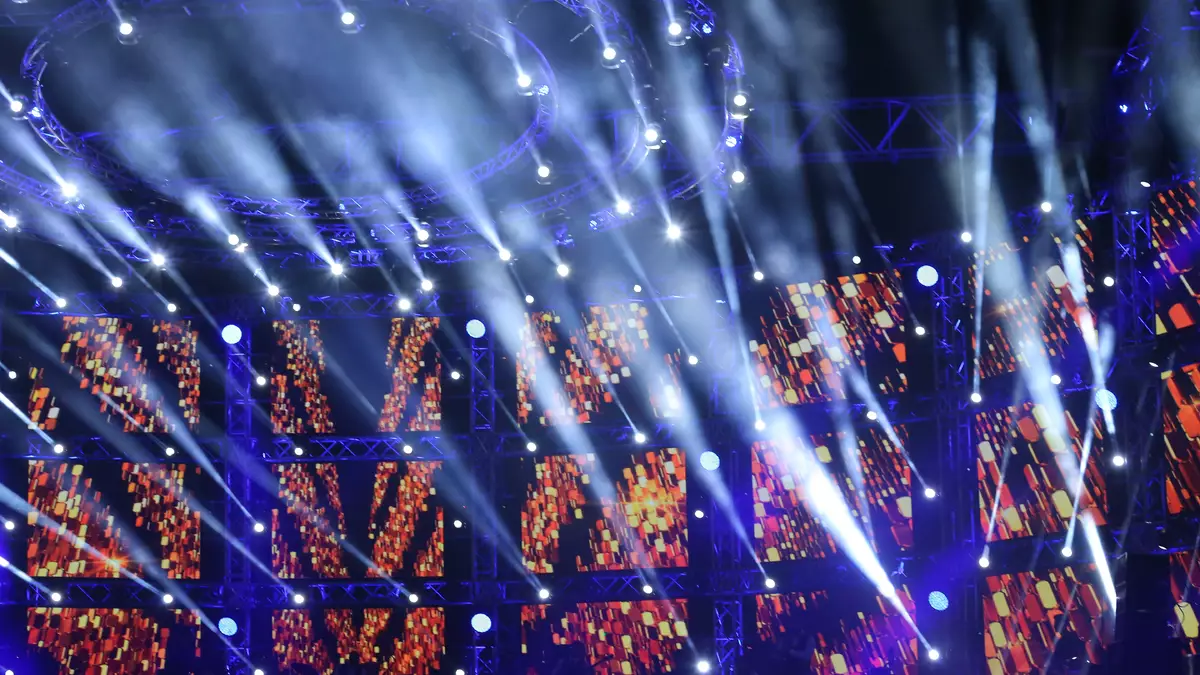
The Offspring remain one of the most visible punk rock bands of 2024. While many peers slow down, the Orange County veterans keep their schedule busy around their latest studio album Supercharged, extending their touring cycle and staying firmly planted on major rock playlists and summer festival stages worldwide.
Three decades after their commercial breakthrough, The Offspring still move large crowds and draw millions of streams. The band lean on a catalog of radio staples while feeding fans with fresh material, keeping a balance between nostalgia and forward drive that many 1990s acts struggle to find.
How The Offspring grew from club punks to global rock radio staples
Background pieces, chart moves and industry analysis around The Offspring's long career can be found in the AD HOC NEWS archive.
More news on The Offspring at AD HOC NEWS ->Wednesday focus: how The Offspring's live show keeps their punk energy sharp
The Offspring built their reputation on high-energy performances in small California clubs. That same spirit still shapes their 2024 live show, even as they headline arenas and big outdoor events. Dexter Holland and Noodles drive the set with fast tempos, big hooks and a catalogue built for group singalongs.
Setlists typically combine era-defining hits with newer material from Supercharged and its predecessor Let The Bad Times Roll. Longtime fans get the 1990s anthems they expect, while curious younger listeners hear how the band update their sound with modern production without abandoning skate-punk roots.
On stage, The Offspring often lean into their melodic side. Songs that once blasted from alternative radio now double as festival-field choruses. At the same time, heavier riffs and brief flashes of hardcore influence remind listeners why the band emerged from a tight-knit Southern California punk scene rather than the mainstream pop circuit.
Lighting, visuals and pacing stay relatively lean compared with pop superstars. The Offspring still prioritize tight playing and crowd interaction over elaborate staging. Banter from Holland and Noodles bridges older and newer songs, with jokes, self-deprecation and short stories about early tours cutting through any sense of distance between band and audience.
For many younger fans, 2020s shows provide a live gateway into a back catalog they previously knew mostly from playlists and gaming soundtracks. Older concertgoers often bring teenagers or even younger kids, turning Offspring gigs into multigenerational rock nights where first-wave skate punks stand alongside a TikTok-savvy crowd.
The band also benefit from strong support slots at major festivals. Paired with newer pop-punk and alternative acts, The Offspring often serve as a bridge between 1990s radio punk and today’s more genre-fluid rock scene. Their ability to hold that middle ground keeps them relevant even in lineups dominated by much younger artists.
On a Wednesday in the touring cycle, the group may find themselves in a secondary city rather than a big capital. Those midweek shows can be surprisingly intense. With fewer casual visitors and more dedicated fans, the band often stretch out introductions, invite crowd participation and play deep cuts that do not always appear at festival headline sets.
Another factor in the enduring live appeal lies in the band’s rhythm section. Fast, precise drumming and punchy bass lines anchor even the most melodic songs. That drive gives club-sized energy to large halls and open-air venues, preventing nostalgia from turning the shows into purely retrospective celebrations.
Over time, The Offspring have also adjusted their arrangements to suit shifting vocal ranges and room acoustics. Tempos stay brisk, but not every song is as relentlessly fast as in the early 1990s. That balance allows the band to maintain a demanding schedule without sacrificing quality, which in turn reinforces their reputation as a reliable live draw for promoters.
Compared with some peers, The Offspring have avoided long touring breaks. That consistency keeps their performance muscles in shape and means new material has a chance to settle into the setlist. Fans often notice how songs from more recent albums sit comfortably alongside classic hits, rather than feeling like obligatory additions.
Merchandise displays at venues tell a similar story. Classic logo designs sit next to artwork from Supercharged and other 21st-century releases. This mix reflects the audience itself, where vintage T-shirts share the floor with brand-new tour hoodies and social media posts tagged in real time from the pit.
As streaming reshapes how rock fans discover music, the live show remains a key entry point for The Offspring. Clips from concerts circulate quickly, feeding back into playlist adds and algorithmic recommendations. The band’s knack for simple, immediate hooks makes those short social media videos especially effective for discovery.
At the same time, The Offspring must continually calibrate their presence in a landscape dominated by big pop tours and elaborate stage experiences. Their response has been to double down on the fundamentals of tight playing, strong choruses and a certain sideways humor in their presentation, rather than competing directly with pop spectacle.
Industry observers note that this strategy aligns well with how rock functions in the mid-2020s marketplace. Instead of chasing chart dominance, veteran acts like The Offspring build sustainable touring businesses and rely on streaming catalog strength. In that environment, a dependable live show becomes as important as any single promotional campaign.
Wednesday shows, often placed in the middle of tour legs, allow the band to adjust pacing and experiment slightly. Some nights might feature altered set orders, extended intros or surprise song choices. For fans following the tour closely online, those midweek variations add another layer of engagement.
Across continents, The Offspring also adapt their performances to local audiences. In regions with long histories of punk scenes, they might lean harder into early material. In markets where their biggest impact came through mainstream rock radio, mid-tempo hits receive prominent placement. This flexibility reflects a career that has seen the band chart in multiple territories.
Backstage, a modern touring operation supports the group’s ability to keep that pace. Technicians, production staff and local crews work together to maintain consistent sound in very different venues. By keeping their visual production relatively straightforward, The Offspring can focus resources on audio quality and efficient turnarounds between shows.
In the broader live music economy, such a consistent, mid-to-upper level rock act plays a crucial role. The Offspring can headline their own nights, help anchor festival bills or provide co-headline value alongside other veterans. That versatility makes them an asset for promoters and festival bookers designing lineups that must attract multiple generations.
As rock radio formats evolve and streaming playlists take over some of their functions, live appearances also serve as the most concrete evidence of a band’s enduring pull. Photographs of sold-out crowds and videos of mass singalongs from Offspring shows feed back into media coverage and reinforce the band’s profile among casual listeners.
From Smash to Supercharged: mapping The Offspring's studio evolution
The Offspring’s profile changed dramatically with their 1994 album Smash, released on the independent label Epitaph Records. Powered by breakout singles and relentless touring, the record introduced a global audience to the band’s blend of skate-punk tempos, metal-inflected riffs and melodic choruses.
Earlier releases had already established the group within California’s underground, but Smash pushed them far beyond that community. Its success demonstrated that punk-rooted bands could reach commercial rock radio without flattening their sound completely, a message that resonated with a wave of younger acts in the mid-1990s.
Signing with a major label later in the decade, The Offspring expanded their sonic palette. Albums like Americana folded in more pop sensibilities, prominent backing vocals and occasional stylistic experiments. Humor and social observation sat side by side, with lyrics that tackled both everyday frustrations and broader cultural shifts.
Key singles from this period brought The Offspring into heavy rotation on both rock and pop-focused stations. Music television networks played the band’s videos regularly, making Dexter Holland’s distinctive voice and Noodles’s spiky guitar personality familiar to mainstream audiences well beyond punk circles.
As the 2000s progressed, The Offspring experimented with different production approaches. Some records pushed toward a sleeker rock sound with layered guitars and polished vocal harmonies. Others leaned back into their punk roots with faster tempos and more stripped-back arrangements, responding in part to feedback from longtime fans.
Throughout these shifts, certain elements remained constant. Holland’s melodic instincts, Noodles’s guitar tone and the band’s fondness for punchy, mid-length songs kept the material recognizable. This consistency helped maintain a sense of identity even as trends in rock, pop and alternative music changed around them.
The arrival of the streaming era presented both challenges and opportunities. Catalog tracks that once depended on physical album sales or radio play found new life in playlists, video game soundtracks and algorithm-driven recommendations. Younger listeners discovered older albums in non-linear ways, often starting with a single song before working backward.
In response, The Offspring structured later albums with an eye toward both traditional listening and digital consumption. Strong openers, clearly defined singles and concise tracklists made it easier for songs to stand out amid crowded release schedules. At the same time, the band continued to write material that functioned as part of cohesive albums.
Supercharged arrives in this context as a statement of continued relevance. While details of individual songs vary, the record reflects a band aware of their history yet unwilling to become a purely legacy act. Fast tracks sit next to more mid-tempo, radio-friendly cuts, echoing the balance they have always sought between speed and melody.
Lyrically, newer releases tend to blend personal reflection with broader social themes, avoiding overly specific topical references that might date quickly. This approach allows songs to age more gracefully and keeps them adaptable to different live arrangements as years pass.
Production-wise, modern Offspring albums use contemporary recording techniques while maintaining the attack and edge associated with punk rock. Drum and guitar tones benefit from present-day clarity, but the band steer clear of over-compression that might flatten dynamic impact, especially important for material that must translate to stage volumes.
Critics often frame The Offspring’s studio evolution in comparison to peers from the 1990s punk boom. Some bands took longer breaks or shifted sharply into different styles, while others stuck rigidly to one formula. The Offspring occupy a middle path, adjusting enough to avoid stasis without abandoning the core features that made them recognizable.
In interviews over the years, band members have described songwriting as a process of balancing instinct with craft. Some songs arrive quickly from a burst of inspiration, while others undergo many revisions. This mix helps explain why certain tracks feel immediate and raw while others display more intricate arrangement work.
From an industry perspective, albums like Smash and Americana remain key reference points in discussions about the commercial viability of punk and alternative rock. Their success stories circulate among younger bands and managers as examples of how independent roots can coexist with major mainstream exposure.
At the same time, later albums sometimes earn more nuanced appreciation from fans who followed the band through multiple cycles. Deep cuts from 2000s and 2010s releases appear in online fan polls and live requests, showing that The Offspring’s creative output extends far beyond a core of radio hits.
The challenge for a band with such a long discography lies in presenting new work without overwhelming audiences. In practice, this means choosing a few key tracks from Supercharged to push in setlists and media while letting the rest of the album find its audience gradually through streaming and word of mouth.
For collectors and audiophiles, vinyl pressings of classic Offspring albums remain in demand. Reissues, colored variants and anniversary editions draw interest from fans who first encountered the music on CD or tape, as well as younger listeners building physical collections to complement streaming libraries.
Digital deluxe editions and curated playlists also play a role in how The Offspring present their catalog. Sequenced collections of hits, live tracks and rarities help new listeners navigate decades of output without getting lost, while still leaving room to dive deeper into individual albums.
In rock history narratives, The Offspring often appear as part of a 1990s wave that connected underground punk lineage with global mainstream success. Their later albums, including Supercharged, show that they intend to contribute new chapters to that story rather than simply tour on memories of a single era.
Punk roots and pop reach: how The Offspring fit into rock's shifting landscape
The Offspring emerged from a California punk environment shaped by DIY ethics, small labels and community-focused venues. Early on, they shared bills with other regional bands and cultivated a following through word of mouth, photocopied flyers and limited-run releases.
When the wider music industry turned its attention toward punk-inspired rock in the early 1990s, The Offspring were well positioned. Their songwriting already featured strong choruses and memorable riffs, making the transition to larger stages and broader audiences smoother than for some peers who prioritized rawness over melody.
As alternative rock and punk-pop gained momentum on global charts, The Offspring became part of a small group of bands that defined the sound of rock radio for a generation. Their singles featured distinctive vocal lines and guitar parts that listeners could recognize instantly, a key factor in both radio success and long-term catalog strength.
Yet even at their commercial peak, the group maintained ties to their origins. Links to independent labels, connections with other punk bands and a certain rough-edged humor in their work kept them from being seen purely as a polished mainstream act. This dual identity remains part of their appeal.
In the streaming age, that combination of punk pedigree and pop accessibility serves The Offspring well. Curated playlists focused on 1990s nostalgia, punk essentials or skate culture often include their songs alongside both older pioneers and newer bands influenced by the same lineage.
At the same time, modern genre boundaries are porous. Younger listeners who discover The Offspring might also follow hip-hop, electronic music or bedroom pop. The band’s direct, hook-focused songwriting helps them compete for attention in that crowded listening environment, even when algorithms throw very different styles into the same mix.
The Offspring’s humor, sometimes broad, sometimes dark, distinguishes them from more solemn rock acts. While some critics have debated how effectively certain jokes age, many fans appreciate this playful streak as a vital counterpoint to heavier lyrical themes and high-energy performances.
Social and political commentary appears in varying degrees across the catalog, often filtered through character sketches and everyday scenarios rather than direct sloganizing. This approach allows listeners to project their own experiences onto the songs and helps material remain relevant across changing news cycles.
On the business side, The Offspring navigate a landscape where catalog rights, publishing deals and long-term streaming strategies play major roles in an artist’s financial picture. Their history with both independent and major labels gives them insight into multiple models of distribution and promotion.
Merchandise, sync placements and touring all contribute to the overall picture. Songs used in films, television or games can trigger streaming spikes, reintroducing older tracks to new audiences and bringing additional attention to current releases like Supercharged.
The band’s visual identity, from album covers to logos and stage backdrops, also supports recognition. Bold colors, graphic motifs and memorable artwork across multiple eras help fans identify records at a glance, whether in physical shops, digital storefronts or streaming interfaces.
In a rock landscape where many legacy acts focus primarily on greatest-hits tours, The Offspring’s decision to keep releasing new albums signals a different philosophy. They position themselves as an ongoing creative project rather than a static museum piece, even as they honor the songs that established their name.
Critical reception to newer material often centers on questions of evolution versus familiarity. Some commentators praise the band for sticking to what they do best, while others call for more stylistic risk. The Offspring seem comfortable occupying the space between those expectations, tweaking formulas without abandoning them.
Fans’ reactions, captured in comment sections, forums and social media threads, reveal a broad range of preferences. Some listeners champion the raw energy of early albums, others favor the polished hooks of late-1990s releases, while a growing subset highlight deep cuts from 21st-century records as underrated.
For younger musicians, The Offspring’s career path offers several lessons: the value of distinctive songwriting, the long-term benefits of a strong live show, and the importance of adaptable branding that can weather shifts in distribution technology and genre fashion.
In the context of rock radio, the band’s enduring presence illustrates how certain songs transcend trends. Tracks that once defined youth culture for one generation now serve as classics for another, played alongside newer releases by artists who grew up with Offspring records in their homes.
Collaborations and guest appearances remain relatively rare in The Offspring universe compared with some contemporary acts, which may actually strengthen their brand. When they do share stages or playlists with other artists, the event feels notable precisely because it is not an everyday occurrence.
Streaming statistics indicate that a handful of signature songs draw the largest numbers, but album tracks also accumulate steady listening over time. This pattern suggests that new listeners often go beyond best-of compilations to explore full records, a positive sign for any band with a deep catalog.
As rock critics, fans and industry professionals debate the future of guitar-based music, The Offspring’s continued activity offers one data point: there remains a substantial audience for melodic, high-energy rock rooted in punk but open to pop hooks. The band’s ability to fill venues and maintain streaming relevance underlines that demand.
Education, side projects and personal interests of individual members occasionally intersect with the band’s work, but The Offspring largely keep focus on the music itself. That choice helps maintain a clear narrative around the group as a unit, rather than fragmenting public attention across separate endeavors.
In press features and retrospectives, The Offspring frequently appear in discussions of how 1990s rock shaped modern pop culture. Their songs soundtrack memories of skate parks, high-school corridors, road trips and early internet culture, giving the band a place in the emotional histories of listeners who now span wide age ranges.
At the same time, tracks from Supercharged and other recent albums are already forming part of newer memories: festival firsts, streaming playlist discoveries and hybrid listening habits where vinyl listening sessions and social media clips coexist. The Offspring, in other words, function both as a legacy act and a current participant in rock’s ongoing story.
Key facts about The Offspring at a glance
- Act: The Offspring
- Genre: Punk rock, alternative rock
- Origin: Orange County, California, USA
- Active since: Mid-1980s
- Key works: Smash, Americana, Conspiracy of One, Let The Bad Times Roll, Supercharged
- Label: History with Epitaph and major-label partners over time
- Charts / certifications: Multi-platinum success in several countries with 1990s and 2000s albums
FAQ: The Offspring today
How have The Offspring stayed relevant in the streaming era?
The Offspring combine a strong back catalog with ongoing new releases like Supercharged. Their classic tracks perform well on rock and 1990s-themed playlists, while current singles keep their name in rotation. Consistent touring and active social profiles help translate that digital presence into real-world engagement.
Which songs define The Offspring for new listeners?
For many, the entry point still comes through 1990s hits that dominated rock radio and music television. However, playlist culture means listeners increasingly encounter a mix of older and newer tracks together. This blend encourages deeper exploration of albums beyond a handful of singles.
What does the album Supercharged represent for The Offspring?
Supercharged underscores the band’s intention to continue as a creative force rather than rest solely on past achievements. It features fast, guitar-driven songs alongside more melodic cuts, reflecting their long-standing balance between punk urgency and rock-radio clarity.
How important is touring for The Offspring's career model?
Touring is central. Live shows connect generations of fans, drive merchandise sales and sustain streaming interest. Consistent touring, including midweek dates and festival appearances, positions The Offspring as a reliable rock draw for promoters and a dependable live act for audiences.
Where do The Offspring sit within punk and rock history?
The Offspring bridged California punk roots and global mainstream success in the 1990s, helping prove that high-energy, guitar-driven music with melodic hooks could thrive on major radio. Their ongoing releases and tours maintain that legacy while adapting to the realities of the 2020s music economy.
This article was created with a.i. assistance and reviewed by editors. All information without guarantee.


