
The Cure keep gothic pop vital with tours, reissues and a devoted new generation
Published on 06/16/2026 at 12:12 | Editorial responsibility: Rafael Müller, Editor-in-Chief AD HOC NEWS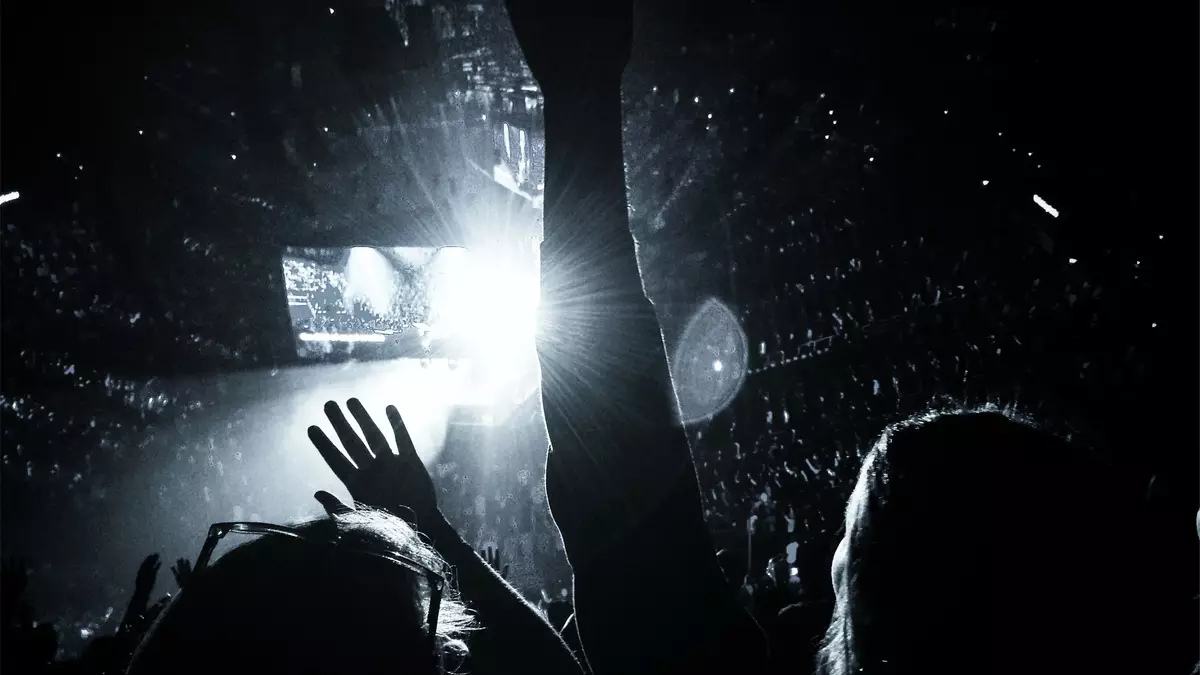
The Cure are one of those rare bands whose shadow over rock and pop only seems to grow longer with each passing decade. From early post-punk tension to widescreen gothic anthems and radiant pop hits, Robert Smith and his constantly evolving group helped define what alternative music could sound and feel like. Even as new generations of artists reshape guitar music in 2026, The Cure’s melodies, moods and aesthetics remain a vital reference point, with tours, archival releases and streaming discovery keeping their catalog in constant circulation for fans old and new.
Tuesday focus: how The Cure’s live legacy keeps growing
When fans talk about The Cure today, they almost always mention the band’s marathon concerts. For many listeners, especially younger ones discovering the group through streaming, the live show has become the gateway to a catalog that stretches back to the late 1970s. The Cure’s concerts are famous for lasting well over two hours, sometimes approaching three, with deep cuts, B-sides and chart hits flowing together in a kind of immersive, emotional narrative.
That approach to the stage has helped cement their reputation as one of rock’s most generous live acts. In an era when many legacy artists streamline their sets to under 90 minutes, The Cure still treat performance as an epic, communal experience. Long-time fans know to expect dramatic shifts in mood, from the austere minimalism of early songs like Primary or A Forest to the shimmering pop of Just Like Heaven, In Between Days or Friday I’m in Love.
Those live dynamics also underscore just how broad the band’s catalog really is. A typical Cure set might move from the dense, stormy textures of their gothic period to the jangling brightness of their mid-1980s singles and on to the introspective, guitar-drenched sound of their 21st-century work. For younger musicians, watching that range play out on stage has become a lesson in how to sustain a career without repeating yourself.
Even without focusing on specific dates, it is clear that The Cure’s presence on festival bills and arena stages in recent years has kept their fan base remarkably multi-generational. Parents bring teenagers to their first Cure shows, while older fans who saw the band on their breakthrough tours in the 1980s return to reconnect with music that has soundtracked much of their adult lives. That ongoing exchange between generations is one reason the band continues to feel central to discussions about rock and pop, rather than merely a historical footnote.
The Cure’s sound: from post-punk edges to gothic grandeur and pop clarity
The Cure emerged out of the post-punk landscape of the late 1970s, when bands were stretching the raw energy of punk into new rhythmic and emotional territory. Early releases carried a stark, skeletal sound: clipped guitars, driving bass lines and tight, insistent drumming supporting Smith’s unmistakable voice. In these records you can hear echoes of contemporary post-punk and early goth groups, but The Cure quickly carved out their own space through a mixture of vulnerability, melodic instinct and experimentation.
As the 1980s unfolded, the band leaned into darker textures and atmospheres that would become a cornerstone of gothic rock. Reverb-drenched guitars, brooding basslines, swirling synths and deliberate tempos created a kind of nocturnal space in which Smith’s lyrics could explore melancholy, romance and internal conflict. Instead of relying on shock or theatrical horror, The Cure found drama in emotional nuance and in the shadows between genres, crafting songs that could sound both fragile and monumental.
At the same time, The Cure were never content to be defined purely by gloom. Their famous knack for writing instantly memorable hooks allowed them to release some of the most radiant pop singles of their era. Tracks like Just Like Heaven, Close to Me and Friday I’m in Love paired guitar-driven arrangements with chiming keyboards and upbeat rhythms, demonstrating that a band associated with darkness could just as easily capture joy and euphoria.
This duality is essential to understanding The Cure’s lasting impact. They proved that a group could be sonically adventurous and emotionally complex while still connecting with mainstream audiences. The contrast between their moodier album cuts and their sparkling singles also helped widen the range of what alternative rock could encompass, making room for bands that would later mix introspective lyrics with anthemic choruses.
Over the years, as production trends shifted from analog warmth to digital clarity and back again, The Cure adapted without losing their identity. Guitars might grow heavier or more atmospheric, keyboards move from vintage synths to newer textures, but the core elements remained: basslines that anchor the songs, guitar figures that weave melody and mood together, and vocals that carry traces of both weariness and wonder.
Key albums that shaped alternative rock
Few bands in modern rock can point to as many pivotal albums as The Cure. Each major phase in their discography pushed alternative music into new territory. While fans will always debate which era is definitive, several records stand out for their influence and enduring popularity.
One important thread runs through their work: the refusal to sit still creatively. Early albums channeled the urgency of post-punk, while subsequent releases moved into darker, more expansive territory that would influence generations of gothic and alternative bands. Later records blended dense guitar work with electronic touches, proving that The Cure could remain relevant as production styles evolved.
These albums also function as cultural landmarks. Certain tracks have become shorthand for particular moods or subcultures, frequently popping up on film and TV soundtracks when directors want to signal introspection, romance with an edge, or a specific 1980s or 1990s atmosphere. That kind of widespread usage has introduced the band to countless listeners who may not initially realize they are hearing The Cure but find themselves drawn in by the distinct blend of melody and mood.
For music historians and critics, The Cure’s catalog offers a case study in how a band can maintain a clear artistic identity while spanning multiple subgenres. Gothic rock, post-punk, new wave, alternative pop and even hints of shoegaze and dream pop all surface in different eras. This stylistic mobility helps explain why so many younger acts cite The Cure as an influence, even when their own music might sound quite different on the surface.
Streaming-era listeners, who often discover music through curated playlists and algorithmic recommendations, encounter The Cure in a variety of contexts. A song with a strong beat and churning bassline might appear on a post-punk revival playlist, while a luminous pop single shows up in 1980s hits collections. This fragmented but constant presence keeps the band woven into the fabric of everyday listening, ensuring that their albums remain more than museum pieces.
Robert Smith: distinctive voice, songwriting vision and visual icon
The Cure’s story is inseparable from Robert Smith, whose songwriting, guitar work and visual style have defined the band for more than four decades. Smith’s instantly recognizable voice, capable of moving from breathy vulnerability to full-throated intensity, gives the music a human center even when the arrangements are at their most expansive. His lyrics often balance concrete imagery with emotional abstraction, inviting listeners to project their own experiences onto the songs.
Visually, Smith’s look — teased hair, eyeliner, smeared lipstick, black clothing — became one of rock’s most enduring silhouettes. While often simplified in popular culture as a shorthand for goth, it also represents a challenge to narrow definitions of masculinity in rock. By embracing a more androgynous, theatrical presentation, Smith carved out space for future generations of artists to experiment with gender expression and stage personas.
As a songwriter, Smith excels at building songs around memorable motifs. A repeating guitar figure, a cyclical bassline or a simple keyboard phrase might anchor a track while layers of texture and harmony grow around it. This approach has given many Cure songs a hypnotic quality: they unfold gradually, drawing the listener deeper into the sound world without relying solely on big choruses or sudden dynamic shifts.
Smith’s role as bandleader has also meant navigating numerous lineup changes over the years. Different eras of The Cure have featured different guitarists, keyboard players and drummers, each contributing distinct colors to the group’s palette. Yet fans can still trace a consistent thread running through the music, which speaks to Smith’s steady artistic compass. That continuity has helped maintain trust between band and audience, even when albums take unexpected turns.
Beyond the studio and stage, Smith has often been an outspoken presence in interviews, weighing in on industry trends, the pressures of fame and the importance of artistic integrity. His skepticism toward fleeting fads and his emphasis on making music that feels honest rather than fashionable resonate strongly with musicians who see their own work as a long-term project rather than a quick sprint up the charts.
The Cure and the evolution of gothic and alternative scenes
The Cure’s impact cannot be understood solely through chart positions or album sales. Their influence on subcultures and scenes is just as significant. Alongside a handful of peers, they helped lay the groundwork for what would become gothic rock, not only through sound but through aesthetics and community. Fans built entire social worlds around the imagery and mood of The Cure’s music, from club nights and fanzines to fashion and visual art.
Over time, gothic culture evolved and splintered into many substyles, and The Cure’s role shifted from active scene leaders to foundational reference points. New bands in goth, darkwave and related genres still nod to The Cure, whether through reverb-heavy guitar lines, baritone bass figures or the framing of romantic themes in a darker emotional register. In many ways, The Cure provided a blueprint for how to be melancholic without slipping into self-parody.
At the same time, their catalog provided comfort to listeners far outside any specific subculture. Songs about longing, disorientation, fragile joy and the weight of memory transcended style labels. This universality helped the band bridge gaps between underground and mainstream, influencing indie groups, post-punk revivals and even some strands of pop that borrow their sense of bittersweet melody.
In the 1990s and 2000s, as alternative rock fractured into new forms and electronic music gained prominence, The Cure’s legacy continued to be felt. Bands that blended guitars with electronic textures, or that combined introspective lyrics with anthemic arrangements, often cited The Cure as a key inspiration. That influence persists today, even as digital-native artists sample or reference the band in new ways.
Crucially, The Cure’s presence in the cultural imagination has also been reinforced by their music’s use in film, television and other media. Directors turn to their songs when they want to evoke a specific emotional temperature — a mix of longing, beauty and unease. As those scenes reach new audiences, The Cure’s association with introspective and emotionally rich storytelling deepens.
Streaming age rediscovery and the band’s ongoing relevance
In an era dominated by playlists and short-form content, it might seem like sprawling, mood-driven albums would struggle to find younger listeners. Yet The Cure’s catalog has proven remarkably well suited to streaming culture. Individual tracks thrive in curated contexts, while the albums reward listeners who decide to explore more deeply once a few songs catch their attention.
For many people discovering The Cure today, the entry point is a single iconic song that appears in a playlist, a social media clip or a series soundtrack. Curious listeners then dive into full records, noticing how the band organizes music into emotional arcs. This process mirrors, in some ways, the experience of earlier generations who bought albums on vinyl or CD and absorbed them in full, but with the added convenience of instant access to the whole discography.
The band’s ability to cross generational lines is visible at shows and on social platforms, where fans from different age groups share favorite songs, live memories and personal stories connected to the music. Younger musicians often talk about discovering The Cure through a parent’s record collection or a playlist algorithm, and then gradually realizing how many of their current favorite bands owe the group a creative debt.
In the wider landscape of rock and pop, The Cure’s continued relevance challenges the idea that guitar-based bands from earlier decades are only of nostalgic interest. Their songs are frequently used as reference tracks in studios, where producers and artists study how the band balanced clarity with atmosphere, or how a particular bassline can carry emotional weight. The result is a subtle but persistent presence in the DNA of contemporary music.
As conversations about genre boundaries grow more fluid, The Cure’s genre-straddling approach feels increasingly ahead of its time. They were a band that moved freely between post-punk, goth, pop, indie and even hints of shoegaze before such crossings were widely celebrated. That flexibility gives modern artists permission to draw from multiple traditions without feeling constrained by purist expectations.
Influence on today’s indie, post-punk and pop scenes
Listen closely to today’s indie and post-punk revival scenes and echoes of The Cure are everywhere. Bands that combine chiming guitars with driving bass and melancholic vocals are, consciously or not, working in a sound world the group helped shape. The influence can be as explicit as a tribute cover or as subtle as a guitar tone, a vocal phrasing or a particular way of pacing a song’s build and release.
Beyond the sonic fingerprints, there is a broader influence in the way artists think about mood. The Cure showed that songs could inhabit complex emotional spaces without offering neat resolutions. That approach resonates strongly with contemporary musicians exploring themes of anxiety, identity, climate worry and digital-age alienation. When a modern band lets a song linger in ambivalence or bittersweetness, they are following a path The Cure helped open.
Pop artists, too, have learned from The Cure’s blending of melody and atmosphere. Some of today’s chart-friendly acts incorporate subtly gothic visual motifs or darker lyrical themes beneath shiny production, drawing on a lineage that includes The Cure’s most accessible singles. Even when the connection is not made explicit in interviews, listeners with long memories can hear how certain harmonic moves or chord progressions recall the band’s classic tracks.
The Cure’s aesthetic has also influenced fashion and visual storytelling in music videos. From the use of smudged makeup and black clothing to the preference for fog, shadows and abstract imagery, elements that were once niche now appear regularly in mainstream pop visuals. The band’s willingness to lean into stylized melancholy paved the way for artists who want to express vulnerability and theatricality simultaneously.
On the live circuit, many younger bands model their stagecraft on The Cure’s balance of intensity and introspection. Rather than relying on constant crowd banter or elaborate choreography, they focus on letting the music create an atmosphere, trusting that audiences will respond to immersion as much as to spectacle. This approach reinforces The Cure’s reputation not only as influential songwriters but as mentors in how to design an emotionally coherent show.
Why The Cure still matter to rock and pop fans
Part of The Cure’s enduring appeal lies in the way their music accompanies listeners through different stages of life. For some, the band’s darker songs provide a soundtrack to adolescence, offering a sense of recognition and solidarity. Later, the more luminous or reflective tracks take on new resonance, speaking to adult relationships, nostalgia and the complexity of memory. Few bands manage this kind of multi-phase connection with their audience.
Another key factor is the band’s commitment to authenticity. Even when experimenting with new production techniques or stylistic twists, The Cure have avoided chasing short-lived trends. This consistency of vision builds trust: listeners feel that each release is a genuine extension of the band’s inner world rather than a calculation driven by market pressures.
At the same time, The Cure have never presented themselves as untouchable rock icons. There is an offbeat, self-effacing quality to Robert Smith’s stage presence and interviews that keeps the band grounded. That humility, combined with the emotional openness of the songs, makes it easier for fans to form deep attachments. The band may occupy legendary status, but the music often feels like a private conversation.
For the broader rock and pop ecosystem, The Cure’s ongoing popularity demonstrates the lasting power of albums and long-form listening. Even as singles and viral clips dominate many conversations, fans still gather around complete records, discussing track sequences, thematic arcs and deep cuts. The band’s success across formats — vinyl, cassette, CD, digital download and streaming — highlights how strong songwriting can transcend technological shifts.
In discussions about the future of guitar music, The Cure’s role is often cited as proof that bands can evolve gracefully. Rather than burning out quickly or endlessly repeating early formulas, they have allowed their sound to breathe, accepting changes in lineup, production and performance circumstances while holding onto a core emotional and melodic identity. For emerging artists, that path offers a roadmap for longevity.
Collecting The Cure: physical editions, reissues and fan culture
While streaming offers instant access to The Cure’s catalog, a devoted community of collectors continues to seek out physical editions. Original vinyl pressings, limited edition picture discs, box sets and expanded reissues all hold special appeal for fans who want a tangible connection to the music. Album artwork, lyric booklets and photography contribute to the atmosphere around the songs, turning each release into an object of design as well as sound.
Reissues and remastered editions play an important role in keeping the band’s legacy fresh. Updated sound quality can reveal details that were less apparent on older formats, while bonus tracks and archival material offer insights into the creative process. Demos, alternate versions and live recordings allow listeners to trace how songs evolved from initial sketches to finished works.
This culture of collecting extends to live recordings as well. Many fans document concerts, share setlists and trade memories of standout performances. Online communities catalog the band’s tours, comparing how songs shift arrangements over time and how different lineups emphasize different aspects of the sound. For some, following The Cure across multiple dates becomes a way of life, with friendships and travel stories intertwined with the music.
Visual memorabilia also plays a part. Posters, T-shirts, badges and photography from different eras help fans situate themselves within the band’s timeline. Wearing a classic logo or artwork from a particular album can signal not only fandom but a connection to the mood and themes of that period. In this way, The Cure’s aesthetic becomes portable, accompanying fans into their daily routines.
All of these elements — reissues, collectibles, fan communities — contribute to a sense that The Cure are not just a band but a shared cultural project. Each new remaster or archival release gives fans a reason to revisit the music with fresh ears, keeping the conversation alive across decades.
Looking ahead: The Cure’s place in tomorrow’s music landscape
As the music industry continues to change, The Cure’s legacy offers valuable lessons for both artists and fans. They demonstrate that it is possible to maintain artistic integrity while embracing new formats and audiences, and that cultivating a passionate, long-term fanbase can be more rewarding than chasing short-lived virality. Their willingness to let songs stretch out, to build atmosphere slowly and to trust listeners’ attention spans stands in contrast to some current trends but also feels increasingly refreshing.
For young bands starting out, studying The Cure’s evolution provides insights into how to balance experimentation with coherence. Each phase of their career reflects both the times in which it was made and the band’s internal priorities, creating a dialogue between the outside world and an inner creative compass. That dynamic may be particularly important in a digital climate that constantly demands new content; The Cure’s example suggests that depth and patience can still resonate.
From the audience perspective, continuing to engage with The Cure’s catalog is a way of resisting the flattening effects of shuffle play and algorithmic listening. Albums that unfold gradually, songs that reward repeat listens and live performances that prioritize immersion all encourage a more intentional relationship with music. In this sense, The Cure’s work remains not just historically important but actively relevant to how we might choose to listen in the future.
Crucially, The Cure’s story is still being written. As long as their songs are performed, reissued, covered and discovered anew, they will remain a living force in rock and pop culture. Whether a listener’s first encounter is a classic single on a playlist, a deep album cut late at night or an unforgettable live performance, the journey into their world continues to offer surprise, solace and inspiration.
The Cure at a glance
- Act: The Cure
- Genre: Post-punk, gothic rock, alternative pop
- Origin: Crawley, West Sussex, England
- Active since: Late 1970s, with a continuous presence in alternative music for more than four decades
- Key works: Influential albums and singles spanning dark gothic releases and bright, hook-filled pop hits that helped define alternative rock
- Label: Associated over the years with major international labels and imprints supporting rock and alternative artists
- Charts / certifications: Multiple gold and platinum releases, iconic singles and albums that have charted in numerous countries and remain fixtures in streaming-era playlists
Frequently asked questions about The Cure
What makes The Cure unique in rock and pop history?
The Cure stand out for combining post-punk intensity, gothic atmosphere and pop accessibility in a way that has remained influential for decades. Their ability to shift between dark, introspective songs and bright, melodic hits while maintaining a consistent emotional core sets them apart from many of their peers.
Why do younger listeners continue to discover The Cure?
Younger listeners find The Cure through streaming playlists, film and TV soundtracks and recommendations from other artists. The emotional honesty of the songs, the distinctive sound and the band’s iconic image resonate across generations, making their catalog feel fresh even to those who did not grow up with their original releases.
How important are The Cure’s live performances to their legacy?
Live performances are central to The Cure’s reputation. Their lengthy, immersive concerts showcase the full range of their catalog and create a strong bond with audiences. For many fans, seeing the band on stage is a defining musical experience that deepens their connection to the studio recordings.
More perspectives on The Cure
Discover additional angles, background pieces and breaking developments around Robert Smith’s band, from catalog deep dives to chart movements and scene analyses.
More news on The Cure at AD HOC NEWS ->This article was created with a.i. assistance and reviewed by editors. All information without guarantee.


