
Tame Impala’s psychedelic pop legacy and live comeback rumors
Published on 06/17/2026 at 01:09 | Editorial responsibility: Rafael Müller, Editor-in-Chief AD HOC NEWS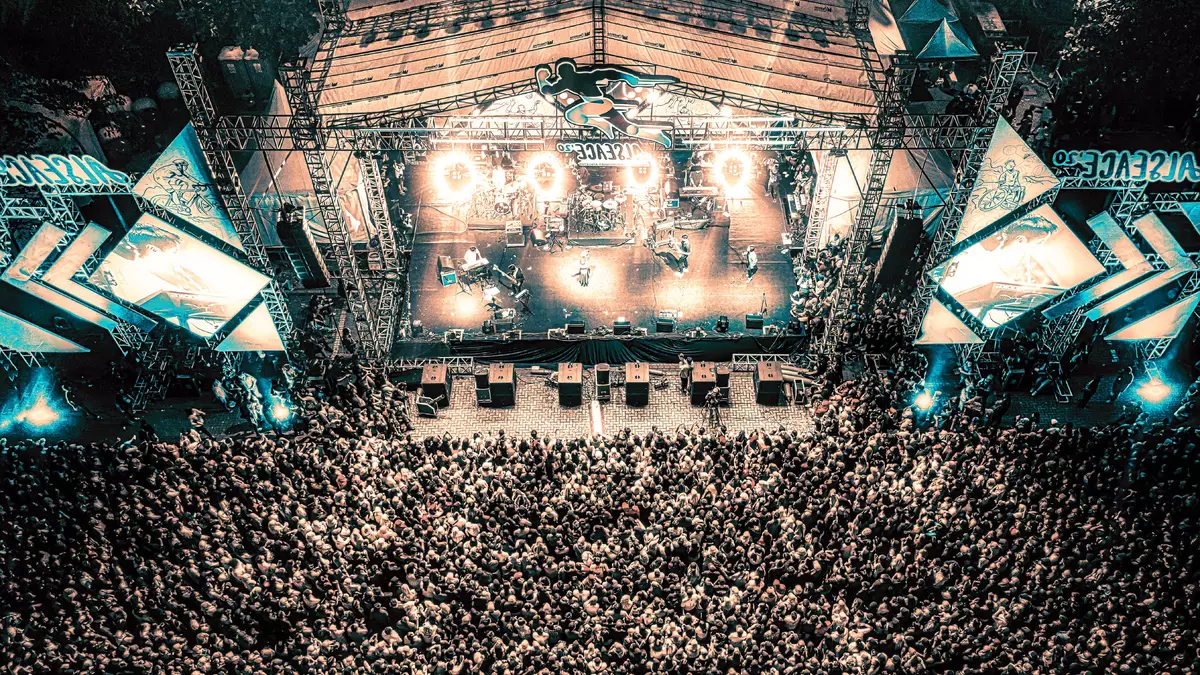
Tame Impala stand today as one of the most influential psychedelic rock and pop projects of the 21st century, celebrated for lush studio production, hypnotic grooves and a crossover appeal that reaches from indie kids to mainstream pop fans. Australian multi-instrumentalist Kevin Parker turned his once-solitary home-recording project into a global headline act whose songs fill arenas, dominate festival livestreams and soundtrack countless playlists.
At the center of Tame Impala’s story is Parker’s meticulous approach to songwriting and sound design. He writes, plays and records almost every instrument himself, blurring the line between rock band and producer-driven pop project. That unusual setup has helped create an instantly recognizable sonic signature built on phased guitars, warm synths, deep basslines and reverb-heavy drums.
More background and news on Tame Impala
Discover additional reports, chart moves and context pieces on Tame Impala in the AD HOC NEWS archive with one click.
More news on Tame Impala at AD HOC NEWS ->Wednesday spotlight: how Tame Impala blurred the line between band and producer
Wednesday features often look at long-running careers, and Tame Impala’s evolution is a textbook case of modern rock and pop hybridization. Emerging from Perth’s guitar-driven psych scene, Parker channeled classic references into compact, melodic songs that connected with blog-era indie audiences and vinyl collectors alike. As the project grew, he increasingly embraced modern production tools usually associated with pop, hip-hop and R&B.
This development becomes clear when comparing early recordings with later albums. The guitar-forward psych-rock of the debut gave way over time to a richer palette of synths and drum programming, while the melodies moved closer to contemporary pop writing. Yet the swirling effects, dreamy harmonies and introspective lyrics kept Tame Impala firmly rooted in a tradition that stretches back to late-1960s psychedelia.
At the same time, Parker’s decision to perform live with a full band preserved the energy and spontaneity of classic rock shows. On stage, the recorded layers transform into a dense wall of sound built by live drums, bass, guitar and keyboards working in tandem with visuals and lighting. Fans often describe the concerts as immersive experiences rather than simple rock sets.
Over the years, Tame Impala became a staple on festival posters around the globe. The name appears regularly at or near the top of line-ups, a position once reserved for more traditional rock bands or mainstream pop stars. That shift illustrates how far psychedelic pop has traveled from its niche origins into the center of live music culture.
Across streaming platforms, Tame Impala’s catalog functions as a gateway into modern psych and left-field pop for younger listeners. Songs circulate heavily in algorithmic and editorial playlists, ensuring that tracks from different eras coexist in the daily listening of millions of users. This constant presence helps cement the project’s status as both cult favorite and mainstream force.
From Perth beginnings to global recognition
The roots of Tame Impala lie in Perth, one of the most remote major cities on the planet and yet a fertile ground for guitar music. Parker grew up surrounded by bands that mixed classic rock, stoner riffs and psych textures, all feeding his fascination with layered sounds. Early demos circulated locally and online, attracting attention for their lo-fi charm and ambitious arrangements.
Labels soon noticed, and the first releases introduced Tame Impala to an international audience that was rediscovering psychedelic sounds through blogs, fanzines and streaming playlists. Critics praised the project for balancing retro aesthetics with fresh song structures. While the choice of fuzz guitar and tape echo felt familiar, the hooks and rhythmic twists pointed decisively forward.
International touring gradually transformed Tame Impala from a studio-centered idea into a dynamic live act. Audiences in Europe, North America and beyond responded enthusiastically to the mix of heavy grooves and floating melodies. As venues grew larger, Parker and his touring band expanded their visual production, using projections and lighting to match the music’s cinematic scope.
This global presence also fed back into the studio work. Exposure to different club scenes, festivals and collaborating artists encouraged Parker to incorporate more rhythmic diversity and sound-design experimentation. The once clearly rock-oriented project started leaning into elements that listeners might associate with dance music, R&B or even contemporary chart pop.
Despite this shift, Tame Impala’s identity remained anchored in a recognizably psychedelic framework. Reverb-drenched vocals, swirling stereo images and slowly evolving song structures kept long-time fans on board, even as new listeners discovered the project through more pop-oriented tracks that found their way onto radio and streaming charts.
Key albums that redefined psychedelic pop
The discography of Tame Impala reads like a map of modern psychedelic pop, with each major album marking a new phase in Kevin Parker’s craft. Early work introduced the world to heavy guitar riffs and roomy drums that evoked late-1960s rock, while later releases increasingly embraced synthesizers, sequencers and electronic textures.
One crucial turning point came with a record that doubled down on melody, bass groove and emotional directness. This album showcased a more polished sound, with Parker refining his approach to songwriting and vocal production. Listeners heard fewer sprawling jams and more tightly focused tracks built around memorable choruses and meticulous arrangements.
Another landmark release pushed the project even further into the realm of pop-adjacent psychedelia. Tracks from this period often feature shimmering synths, intricate drum programming and basslines that nod to funk and disco. Yet the introspective themes and blurred, effects-heavy vocals preserved the project’s core character, making the evolution feel natural rather than forced.
For many fans, these albums form a trilogy that captures Tame Impala’s rise from cult favorite to festival-headlining institution. Each record not only extended the sonic palette but also influenced a wave of younger artists who absorbed Parker’s approach to mixing guitars with electronic production techniques.
The long-form nature of these releases encourages immersive listening. Tracks flow into each other with carefully curated transitions, and the sequencing often tells a loose emotional story. Vinyl editions accentuate this album-centric thinking, inviting listeners to experience each side as a self-contained journey within the larger work.
Critics frequently highlight the balance between technical precision and emotional vulnerability in these records. The production sparkles with detail, yet the lyrics circle around uncertainty, change and inner conflict. That contrast, between sonic confidence and personal doubt, lies at the heart of Tame Impala’s broad appeal.
Studio magic: Kevin Parker’s production approach
Kevin Parker’s reputation as a producer rivals his status as a songwriter. He is known for building songs almost like detailed collages, layering drums, bass, guitars, keyboards and vocals into dense yet spacious mixes. Each track often starts from a simple musical idea that he gradually transforms through re-recording, effects and editing.
The drum sound, in particular, has become a signature element. Instead of chasing hyper-clean clarity, Parker often favors a compressed, slightly distorted texture reminiscent of vintage recordings. Combined with roomy reverb and subtle delay, the result gives even digital sessions a warm, analog feel that listeners associate with classic psychedelic records.
Basslines carry extraordinary weight in the arrangements. Rather than simply doubling guitar riffs, they often move melodically, pulling songs forward and guiding the listener through chord changes. That approach aligns Tame Impala more closely with funk, disco and certain forms of electronic music than with straight guitar rock.
Synthesizers enter as both atmospheric pads and lead instruments. Parker uses them to fill the stereo field with evolving textures, building a sense of depth around the core rhythm section. Arpeggiated lines, gliding leads and swelling chords all contribute to the impression of constant motion, even in slower tracks.
Vocals typically sit slightly back in the mix, wrapped in reverb and phasing effects. This positioning treats Parker’s voice as another instrument rather than a separate focal point. The lyrics remain intelligible, but the sonic emphasis lies on the overall mood rather than on individual words.
In the mixing stage, subtle automation and effects changes keep the ear engaged. Filters open and close, delays shift in timing, reverbs swell and retract. These details reward repeated listening and high-quality headphones, turning each track into a small world of its own.
Collaborations and influence on mainstream pop
Tame Impala’s reach extends well beyond its own albums. Kevin Parker has become a sought-after collaborator for major pop, R&B and hip-hop artists who want to tap into his distinctive sense of space, color and groove. Co-writing and production work has helped carry his aesthetic into the upper tiers of the charts without diluting its psychedelic core.
For pop listeners, these collaborations often serve as an entry point into Tame Impala’s universe. A single feature or co-produced track on a star’s album can prompt fans to explore Parker’s own catalog, where they find the same melodic flair and atmospheric sound design in a more expansive, rock-rooted context.
At the same time, younger indie and alternative acts openly cite Tame Impala as inspiration. You can hear echoes of Parker’s drum tones, bass focus and dreamlike vocal production in countless releases across the psych-pop, bedroom-pop and alt-R&B spectrum. The project’s success has validated the idea that heavily produced, studio-centric music can still feel personal and emotionally direct.
This influence also appears in live setups. More bands now combine guitars and traditional drums with extensive backing tracks, synth rigs and sophisticated light shows. While the practice predates Tame Impala, Parker’s ability to translate studio detail into a compelling stage experience has become a prominent reference point.
Crossover collaborations further blur genre boundaries. Tame Impala tracks have appeared in remixed form on electronic releases, and DJs often slot songs into sets alongside house, techno or downtempo material. The mid-tempo grooves and swirling textures suit both chillout stages and peak-time transitions.
Beyond sound, Tame Impala’s artwork and visual identity have impacted the aesthetics of contemporary psych. Bold colors, abstract shapes and optical illusions populate posters, videos and merch, feeding a visual language that many younger artists mimic or remix for their own projects.
Live reputation: festivals, arenas and immersive shows
Tame Impala’s rise from clubs to major festival stages is a key part of the project’s legacy. Early shows often took place in intimate rooms where the crowd could feel the physical vibration of each bass note. As word spread, the band graduated to theaters, arenas and eventually festival headline slots, bringing the studio’s saturated textures to ever larger audiences.
On stage, the emphasis lies on building a continuous, flowing experience rather than presenting a strict reproduction of the studio versions. Songs stretch out with extended intros, breakdowns and outros that give the band room to play while still respecting the hooks that fans expect. Visuals sync tightly with key musical moments, turning drops, tempo shifts and chord changes into shared, collective peaks.
Setlists typically cover multiple eras, weaving fan favorites with deeper cuts to keep long-time followers engaged. The mood can shift from contemplative, slow-burning tracks to ecstatic, dance-oriented passages in a matter of minutes. That dynamic range helps Tame Impala fit just as easily on rock-focused bills as on more electronic or pop-driven festivals.
Fans often travel considerable distances to catch a show, treating the concerts almost like pilgrimages. Social media platforms fill with recordings, photos and personal stories after each performance, reinforcing the sense of community around the project. For many listeners, seeing Tame Impala live marks a turning point in their relationship with the music, deepening their attachment beyond streaming playlists.
Even when Tame Impala are not currently on tour, professionally shot festival appearances continue to circulate in highlight reels and fan-made edits. These clips keep the live reputation alive during quieter phases, reminding audiences of the show’s intensity and keeping anticipation high for eventual returns to the road.
Behind the scenes, the live production requires meticulous planning. Sound engineers, lighting designers and visual artists work closely with the band to ensure that each venue’s acoustics and layout support the desired impact. That level of detail mirrors Parker’s studio standards, tying the overall Tame Impala experience together.
Lyrics, themes and emotional resonance
While Tame Impala’s sound often draws the initial attention, the project’s lasting impact also depends on its lyrical themes. Kevin Parker writes in a direct yet introspective register, circling around change, self-doubt, relationships and the passage of time. Even when the voice is drenched in effects, the emotional content remains clear.
Many songs explore moments of transition, whether personal, romantic or existential. The music captures the feeling of standing on a threshold, half in the past and half in an uncertain future. That emotional landscape resonates strongly with listeners navigating their own shifts in identity, work or relationships.
Parker frequently juxtaposes upbeat, almost euphoric arrangements with lyrics that hint at anxiety or hesitation. That contrast creates a bittersweet tone: the track moves bodies on the dancefloor while the words gently confront inner doubts. Fans often describe this duality as a key reason why Tame Impala’s music stays with them over years.
The repetition of phrases and harmonic progressions contributes to a trance-like effect. Rather than overloading each song with dense narrative, Parker often works with shorter lines that gain power through context and delivery. This approach suits the psychedelic tradition while also aligning with contemporary pop’s emphasis on memorable, singable fragments.
Listeners project their own experiences into the lyrics, finding personal meaning in the open-ended imagery. Online communities frequently share interpretations, playlists tailored to specific moods and stories of how certain songs accompanied breakups, moves, new jobs or travels. This collective storytelling helps keep older tracks emotionally fresh.
Even instrumental sections carry emotional weight. Changes in chord progressions, key or arrangement often mirror the lyrical themes of uncertainty or transformation, giving the music an almost cinematic narrative arc without the need for explicit explanation.
Reception, charts and critical acclaim
Across the past decade and more, Tame Impala have enjoyed a rare combination of critical respect and popular embrace. Reviews in major music publications consistently praise the project’s innovative production, nuanced songwriting and cohesive album concepts. Even as the sound shifted closer to pop structures, critics generally framed the change as a natural evolution rather than a compromise.
Chart performance has reflected this growing profile. Singles and albums have appeared prominently in various territories, bringing psychedelic textures into spaces traditionally dominated by straightforward rock or commercial pop. Streaming numbers, in particular, demonstrate how tracks can accumulate massive audiences over time without always relying on traditional radio cycles.
End-of-year and end-of-decade lists regularly feature Tame Impala releases, placing them alongside landmark records from across genres. Journalists often highlight the project’s role in re-centering psychedelia within the conversation about contemporary music, treating Parker’s work as a reference point for the broader fusion of rock and electronic production.
Awards and nominations have followed, underscoring the project’s standing among peers. While trophies alone never tell the full story, the recognition from industry bodies and critic associations confirms that Tame Impala operate at a level of craft that commands respect across stylistic boundaries.
Fan polls and reader lists add another perspective, revealing deep loyalty. Even tracks that did not achieve major chart peaks often rank highly among core listeners, suggesting that the catalog functions as a unified universe rather than a handful of isolated hits. This album-oriented listening behavior remains relatively rare in a playlist-driven era.
As new generations discover the music, the project’s reputation continues to grow. For some younger fans, Tame Impala now represent a gateway not just into contemporary psych-pop but into classic albums from previous decades that share similar adventurous spirit and studio experimentation.
Tame Impala in the streaming age
The rise of Tame Impala coincided with the consolidation of streaming as the dominant listening format, and the project adapted in ways that preserved album integrity while embracing new patterns of discovery. High-playlist visibility ensures that songs reach casual listeners, while carefully sequenced records reward those who dive deeper.
One notable aspect is the longevity of individual tracks. Instead of spiking quickly and disappearing, many songs accumulate steady streams year after year, suggesting that they function as long-term touchstones in personal libraries. This slow-burn model fits a project whose detailed production encourages repeated listening.
Algorithmic recommendations place Tame Impala alongside artists from diverse genres, spreading the influence across psych, indie rock, alt-pop, electronic and even lo-fi scenes. That positioning reflects the hybrid nature of the sound and keeps the project in circulation for users who might never have sought out psychedelia explicitly.
Curated playlists dedicated to concentration, study, late-night drives or emotional reflection often feature Tame Impala tracks, leveraging the music’s ability to create a consistent atmosphere. Fans report using the songs as soundtracks for work, travel, creative pursuits or quiet evenings at home, turning the project into a reliable companion for everyday life.
Visual content also plays a role. Official videos, live sessions and fan-made edits circulate widely on video platforms, giving the music an additional dimension and further embedding it in online culture. These clips introduce the band’s live presence and visual style to audiences who may initially encounter Tame Impala only through audio streams.
As streaming platforms continue to shape listening habits, Tame Impala’s approach demonstrates how a clear artistic identity and cohesive body of work can thrive in an environment that often favors singles over albums. The project’s success suggests that listeners still seek immersive, long-form experiences when presented with compelling options.
Legacy and what keeps fans listening
After years of acclaimed releases, headline performances and high-profile collaborations, Tame Impala occupy a distinctive place in rock and pop history. The project represents a bridge between classic psychedelic traditions and a modern, production-driven approach more commonly associated with electronic and pop music.
Fans often cite the combination of emotional honesty, sonic richness and rhythmic pull as the reason they return to the catalog over time. Songs accompany them through different life phases, revealing new details with each listen. The layered arrangements and subtle shifts in texture mean that even familiar tracks can sound newly alive on different speakers or in different environments.
Younger artists look to Tame Impala as proof that a singular vision can succeed on a global scale without conforming to narrow genre expectations. The project’s trajectory encourages experimentation, suggesting that adventurous sound design and personal songwriting can coexist with broad appeal.
For live music culture, Tame Impala’s shows offer a blueprint for translating intricate studio work into powerful, communal experiences. The combination of band performance, electronics and visuals points toward a future in which genre boundaries matter less than emotional impact and sensory immersion.
As the catalog circulates across vinyl shelves, playlists and festival fields, Tame Impala’s influence continues to ripple outward. The project has already left a clear mark on how rock and pop can sound in the 21st century, and its songs keep finding new listeners who step into the swirling, colorful world that Kevin Parker built track by track.
Whatever directions may come next, the existing body of work already secures Tame Impala a firm place in the story of modern music. For fans pressing play today, the journey through these albums still feels immediate, alive and full of detail waiting to be discovered.
Key facts about Tame Impala at a glance
- Act: Tame Impala
- Genre: Psychedelic rock, psychedelic pop, indie rock
- Origin: Perth, Western Australia
- Active since: Late 2000s
- Key works: Innerspeaker, Lonerism, Currents, The Slow Rush
- Label: Associated with indie and major-label partners over the years
- Charts / certifications: Multiple charting albums and widely streamed singles across several countries
FAQ: Tame Impala for new and long-time listeners
Who is behind Tame Impala?
Tame Impala is led by Australian musician Kevin Parker, who writes, records and produces the studio material largely on his own. For live shows, he is joined by a full band that helps bring the layered songs to the stage.
What kind of music does Tame Impala make?
The sound blends psychedelic rock, pop, indie and electronic influences. Expect lush synths, fuzzed-out guitars, melodic basslines and drums that feel both vintage and modern, wrapped around introspective, hook-driven songwriting.
Where should I start with Tame Impala’s albums?
New listeners often begin with the widely acclaimed mid-period and later albums, then work backwards to the earlier, more guitar-heavy releases. Each record has its own character, but all share the same attention to detail and immersive production.
This article was created with a.i. assistance and reviewed by editors. All information without guarantee.


