
Robbie Williams extends Las Vegas 2026 residency with orchestral twist
Published on 06/17/2026 at 00:09 | Editorial responsibility: Rafael Müller, Editor-in-Chief AD HOC NEWS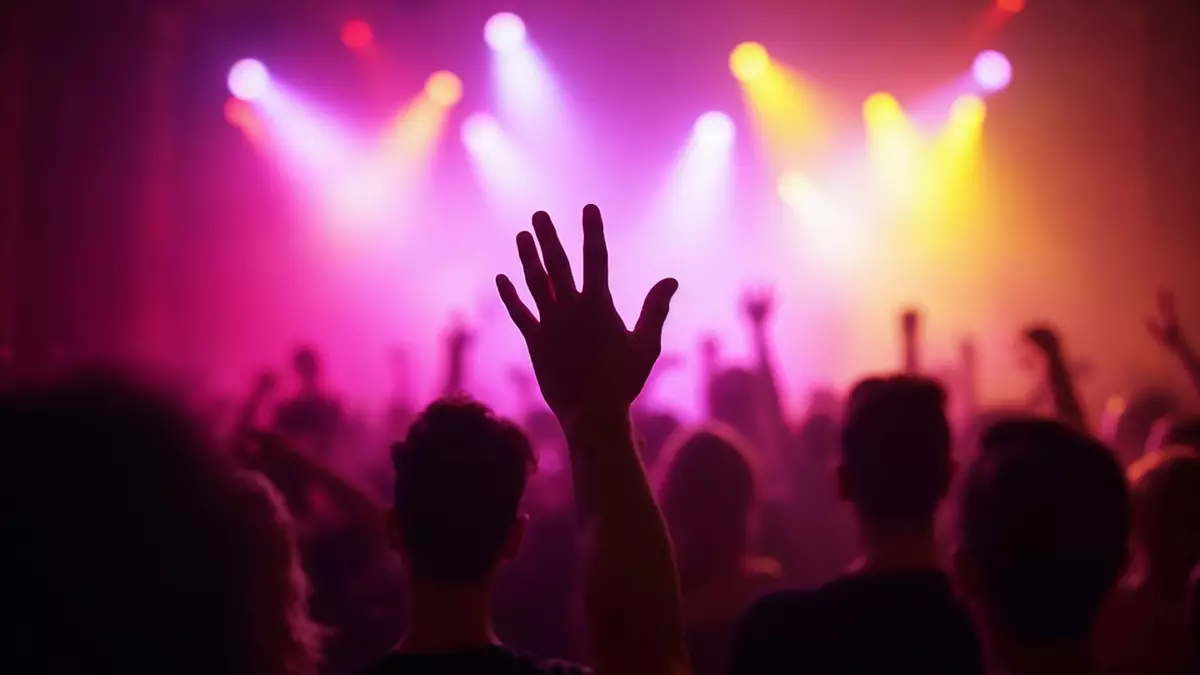
Robbie Williams is once again betting big on Las Vegas. The British pop star has announced an extended 2026 residency in the US entertainment capital, promising a show that blends orchestral arrangements, swing standards and his biggest pop hits for fans traveling from Europe and beyond.
Williams has already used Sin City as a showcase for his swing persona and his catalogue of chart-topping singles. The new 2026 dates continue that story, with a production that leans into his experience from albums such as Swings Both Ways and his long pop history, while targeting not only US tourists but also loyal fans from the UK and continental Europe.
More background on Robbie Williams and his career
Discover how Robbie Williams moved from boyband phenomenon to Las Vegas headliner and solo pop mainstay.
More news on Robbie Williams at AD HOC NEWS ->Wednesday spotlight: Robbie Williams turns Las Vegas into a swing-pop playground
The Las Vegas shows build on Robbie Williams's long flirtation with classic entertainment culture. His earlier swing releases saw him reinterpret big band standards and crooner material, and on stage he now mixes that tradition with the anthemic pop that defined his solo breakthrough after leaving the boyband Take That. Fans can expect a carefully paced evening that shifts from crooned ballads to high-energy sing-alongs.
Across previous residencies, Williams has paid tribute to the Rat Pack legacy while keeping his own humor and personality at the center of the performance. He chats with the audience, plays with self-deprecating jokes, and revisits key moments from his career. In 2026, this formula is refined with fresh arrangements and visual upgrades, making the show attractive both for first-time visitors and for fans who have already seen him live.
Part of the appeal is the setting itself. Las Vegas venues are built for spectacle, with state-of-the-art sound, elaborate lighting and flexible staging. Williams, who came of age as a performer in arenas and stadiums, uses that environment to move from intimate piano-based passages to full big band explosions, giving his catalog new colors while staying close to the original spirit of the songs.
The residency also functions as a living retrospective of his journey from UK teen idol to global solo artist. The setlist typically touches on early solo singles, mid-career stadium staples and more recent material, drawing a line from the late 1990s to the present. For fans, it is a chance to experience decades of hits compressed into a single carefully staged evening.
As in previous years, the audience composition is international. Las Vegas attracts visitors from North America, Europe and Asia, and the dates fall into a period in which many fans from the UK and Germany plan long-distance trips. For Robbie Williams, whose fan base has stayed loyal across generations, the residency becomes a meeting point where different national scenes converge around a shared soundtrack.
The concert design makes use of Williams's showman instincts. He is known for commanding large crowds, leading call-and-response moments and turning even slower numbers into communal experiences. With a live band that can handle both jazz-influenced swing and modern pop, the Vegas stage lets him switch moods quickly without losing the narrative through-line of the evening.
Beyond the concert hall, the residency extends his visibility in the US market. Although his strongest chart positions historically came from the UK and Europe, a long-running show in Las Vegas places his name on billboards along the Strip and in hotel lobbies, reaching casual listeners who may associate him primarily with a handful of global hits. For a catalog as deep as his, that renewed exposure can lead to rediscovery of lesser-known album tracks.
For long-term followers, the residency underscores how Williams has navigated different phases of pop. He started as part of a boyband backed by polished production teams, then reinvented himself as a solo writer and performer with a more personal voice. Along the way he experimented with swing, ballads and rock-inflected tracks, and the Vegas shows serve as a curated cross-section of these eras, often accompanied by video sequences or spoken introductions that give context.
The 2026 run also reflects how live entertainment in Las Vegas has shifted. Where residencies once were seen as late-career resting spots, they are now used by artists at various career stages to build high-production shows for concentrated periods. Williams fits neatly into that trend, bringing an arena-scale personality to a theater environment where he can fine-tune details and adjust the setlist across multiple nights.
Sound-wise, the shows highlight his ability to navigate between classic crooning and pop belting. Songs originally built for radio now share space with arrangements that feature horns, strings and old-school rhythm sections. This approach mirrors his recording history, where he alternated between chart-focused albums and projects that indulged his love of earlier musical eras.
Audience reactions in previous seasons have indicated that this blend works. Fans often describe the contrast between hushed, spotlighted moments and full-band climaxes as a core part of the experience. In 2026, with expanded dates and updated staging, those dynamics are set to be even more finely calibrated, appealing both to nostalgic listeners and to younger visitors discovering his catalog live.
Williams's decision to return to Las Vegas also ties into his broader live activity. In recent years he has balanced one-off festival appearances, selective tours and special themed shows. The residency becomes the structural center of that schedule, giving him a fixed base where production can reach a higher level of polish than is possible on a constantly moving arena tour.
From a business perspective, residencies offer predictable scheduling and production conditions. For an artist with a long track record and a loyal audience, this format can be less physically draining while still providing the scale and energy of major concerts. Robbins fans benefit from the stability as well, since travel planning becomes easier when the artist is in the same city for an extended stretch rather than cycling through different countries in quick succession.
The artistic upside is that setlists can evolve over the run. Williams has enough material to rotate deep cuts, fan favorites and covers, and a residency format lets him test combinations across multiple nights. For listeners attending more than one show, these variations become part of the appeal, turning the series into an unfolding narrative rather than a single fixed program.
Visually, the show draws on Las Vegas conventions: sharp lighting cues, large-scale video backdrops and costume changes that underline shifts in musical mood. In swing sections he leans into classic tailored looks, while pop segments allow for more contemporary styling. This visual storytelling mirrors the musical journey, with past and present colliding under the neon glow of the city.
The residency also intersects with a broader wave of British acts finding new platforms in Las Vegas. In recent years, major UK performers from different genres have taken up temporary homes on the Strip, using the opportunity to stage productions that may be difficult to tour. Robbie Williams, with his mix of showbiz flair and pop credibility, is a natural fit in that context.
For German-speaking fans, the residency is a reminder of how strongly his music has resonated in Central Europe. Many of his major singles reached high chart positions in Germany, Austria and Switzerland, and his stadium shows in the region have become part of pop history there. The prospect of seeing him in an intimate but high-tech Las Vegas environment adds a different dimension to that relationship.
While the residency is the current focus, it sits on top of a discography that continues to stream heavily. Classic albums and compilations introduce new listeners via digital platforms, while long-term fans revisit favorite tracks. The Vegas spotlight often leads to spikes in streaming numbers, as visitors search for songs they heard during the live set once they return home.
On stage, Williams is known for revisiting narratives surrounding his early years, his time in Take That and his journey into solo territory. These spoken interludes, often delivered with humor and candid reflections on fame and pressure, provide more than simple nostalgia. They contextualize the songs as chapters in a larger story that many fans have followed for decades.
Musically, the residency underscores his range as a vocalist. Even though his catalog leans heavily on pop, he can deliver jazz-inflected phrasing on standards before pivoting into big choruses. The live arrangements reinforce that flexibility, with arrangements built to showcase both his subtler delivery and his ability to lead crowd-pleasing climaxes.
The show also foregrounds the musicians accompanying him. A tight rhythm section, horn players and backing vocalists contribute to a sound that remains organic despite the scale of the venue. For listeners used to the polished sheen of studio recordings, hearing these songs with a live band offers a renewed appreciation of their structure and melodic hooks.
Swing segments tap into the glamour associated with classic Vegas. Williams leans into that image but adds his own ironic twist, aware of the theatricality of the setting. Pop sections, in contrast, pull the evening into a contemporary festival atmosphere, with crowd participation, shout-along choruses and energy levels closer to arena shows than to traditional cabaret.
This interplay between styles mirrors his broader career. Few artists of his generation have moved as confidently between boyband pop, adult contemporary ballads and swing projects, all while maintaining a recognizably personal brand. The Las Vegas residency uses that versatility as its central asset, inviting audiences to move through different musical worlds within a single night.
As with earlier runs, setlists are expected to balance fan-service staples with occasional surprises. Deep cuts from lesser-known albums or B-sides may appear alongside widely known singles, rewarding long-time followers who have kept up with his complete discography. These moments also invite newer fans to explore beyond the obvious hits when they return to streaming services.
Production teams behind the residency build the show around dynamic pacing. After opening with attention-grabbing numbers, Williams can strip back the arrangement for a mid-set ballad section, then slowly ramp the energy back up toward a final sequence of signature songs. This structure mirrors classic show formats and keeps both casual listeners and dedicated fans engaged.
For observers of the live music industry, the residency illustrates how legacy acts adapt to new touring realities. Instead of long global circuits, concentrated runs in destination cities offer a balance between visibility, artistic control and sustainability. Robbie Williams embodies this shift, turning his Vegas stint into a central pillar of his current live strategy.
The shows also function as a bridge between generations of fans. Older listeners who discovered him in the late 1990s share the venue with younger attendees who may know his music primarily through streaming playlists or family car rides. The communal experience of singing along to choruses that have outlived their original release cycles anchors his continued relevance.
Because Las Vegas residencies often attract global press coverage, Williams's 2026 run keeps his name in international headlines. Feature stories, reviews and fan reports circulate online, fueling interest in his catalog and documenting how the show evolves over time. This ongoing documentation reinforces his status as a long-term player rather than a nostalgia-only act.
From a sonic perspective, the residency allows certain songs to be reinterpreted with new instrumentation. Tracks that originally leaned on late-1990s production styles can be refreshed with live horns or strings, giving them fresh impact. For fans who have heard the studio versions countless times, these subtle changes can be particularly satisfying.
Audience members often describe the emotional arc of the evening as a key draw. The show moves from exuberant celebration to reflective moments and back again, mirroring the ups and downs that many listeners associate with different phases of their own lives. Williams, who has never shied away from autobiographical themes in his writing, leans into this connection from the stage.
Merchandise and visual branding around the residency underline its role as a distinct chapter in his career. Posters, programs and on-screen graphics often reference the fusion of classic Vegas imagery with his personal iconography. For collectors, these items become souvenirs that mark the 2026 run as a specific moment in his ongoing story.
At the same time, the residency keeps open the possibility of future recordings. Artists often use such runs to test new songs or to gauge audience reaction to refreshed versions of older material. While the focus is on live performance, the interplay with studio work remains strong, especially for someone whose career has long balanced radio presence with stage charisma.
Fans planning trips to Las Vegas around the residency often turn the concert into the centerpiece of broader travel itineraries. The combination of city attractions, dining and the show itself turns the journey into a cultural package, with the performance serving as a high point. For German-speaking travelers, this mix can be particularly appealing, as many have followed his career across multiple decades.
Robbie Williams's Las Vegas presence also contributes to the ongoing conversation about how pop from the 1990s and early 2000s ages. By presenting music from that era in a modern, high-end theatrical environment, he demonstrates that these songs can stand alongside classic standards in terms of audience impact. The residency effectively argues for their place in a long continuum of popular entertainment.
Even for those who do not make the trip, the 2026 residency creates a narrative thread to follow. Setlists and fan-shot clips circulate on social media, sparking debates about favorite songs and dream sequences. This digital echo extends the life of each performance beyond the walls of the Las Vegas venue.
For Williams, who has navigated both extreme visibility and quieter periods, the residency symbolizes a form of stability. The stage remains a place where he can connect directly with the people who carried his music through different life stages, without the constant movement of a world tour. That sense of continuity is written into the structure of the shows, which revisit old material while also remaining open to subtle evolution.
In broader industry terms, his 2026 run shows how artists with strong catalogs can leverage destination shows without retreating into pure nostalgia. The mix of swing, pop and storytelling gives the residency a distinct identity, anchored by his personality and performance style rather than by staging gimmicks alone. For fans and analysts alike, it is a case study in how long-term careers can adapt to changing live landscapes.
As the 2026 dates unfold, each evening adds another layer to his performance history. From big band flourishes to stadium-style sing-alongs compressed into a theater setting, the residency encapsulates much of what has made Robbie Williams a persistent presence in pop culture. In Las Vegas, under the city’s neon light, that legacy is once again written live, night after night.
Key facts about Robbie Williams
- Act: Robbie Williams
- Genre: Pop, pop rock, swing
- Origin: Stoke-on-Trent, England
- Active since: Early 1990s (with Take That), solo since mid-1990s
- Key works: Albums such as Life Thru a Lens, I've Been Expecting You, Sing When You're Winning, Escapology, Swings Both Ways
- Label: Associated over the years with major labels including Chrysalis and Island Records
- Charts / certifications: Multiple multi-platinum albums and numerous number-one singles in the UK and Europe
Robbie Williams FAQ: Las Vegas residency and career
How does the 2026 Las Vegas residency fit into Robbie Williams's career?
The residency functions as a live retrospective, blending his swing projects with his pop hits in a high-production setting. It underlines his evolution from boyband member to solo entertainer and uses Las Vegas as a stage to reframe his catalog for an international audience.
What can fans expect musically from Robbie Williams in Las Vegas?
Fans can expect a mix of swing standards, reimagined versions of classic singles and energetic pop moments. A live band with horns and strings supports him, allowing quick transitions from intimate ballads to crowd-pleasing anthems, all staged with the production values typical of major Vegas shows.
Why is Robbie Williams considered important in modern pop?
Williams is seen as one of the defining British solo artists of the late 1990s and 2000s, combining charismatic live performances with a string of chart successes. His ability to shift between genres while keeping a distinctive personality has helped his music remain present across generations.
This article was created with a.i. assistance and reviewed by editors. All information without guarantee.


