
Pink Floyd catalog surges again as dark side of the moon stays in focus
Published on 06/18/2026 at 00:58 | Editorial responsibility: Rafael Müller, Editor-in-Chief AD HOC NEWS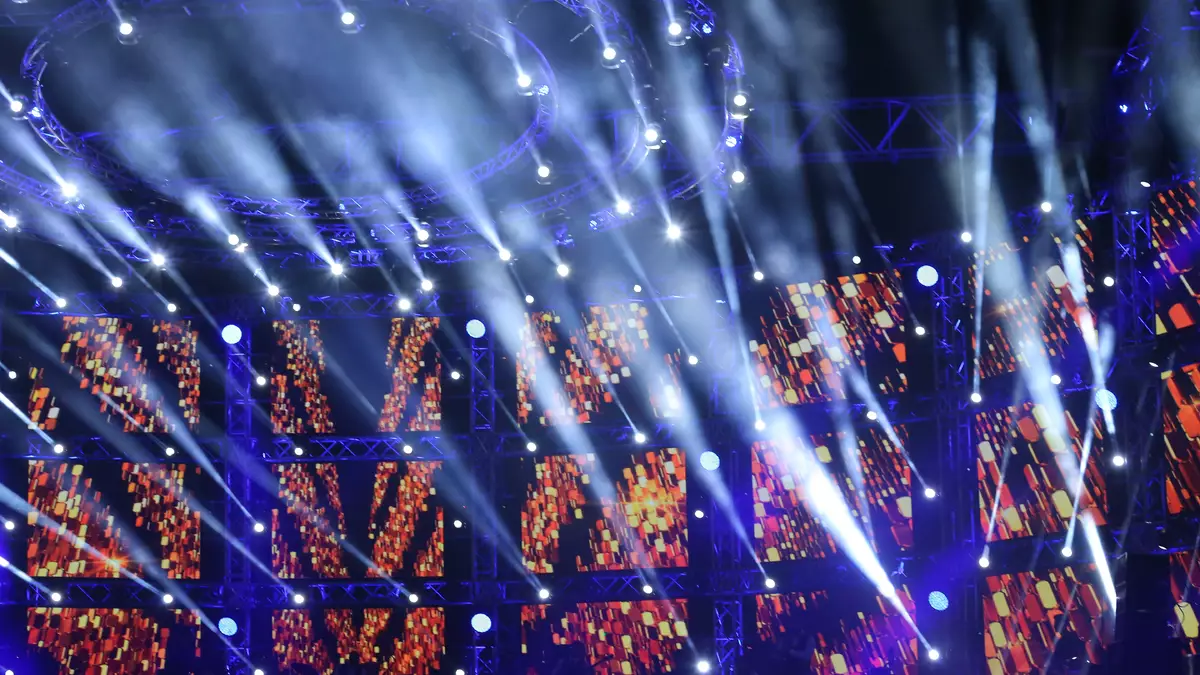
Pink Floyd have not released a studio album in almost three decades, yet the band’s music keeps gaining new listeners on vinyl, on streaming platforms and in immersive audio editions. Their catalog from The Dark Side of the Moon to The Wall continues to chart regularly and drives constant debate about sound, sequencing and legacy among rock fans worldwide.
For many listeners, Pink Floyd are a gateway band into progressive rock, concept albums and audiophile listening. Their work is regularly reissued in box sets, anniversary editions and remastered formats, which keeps the music visible in stores and on digital front pages. At the same time, younger fans discover the band via playlists, social media clips and film soundtracks, often starting with a single track before diving into full albums.
How Pink Floyd’s sound keeps returning to the charts
Background pieces, chart movements and catalog stories offer even more context on the band’s ongoing impact.
More news on Pink Floyd at AD HOC NEWS ->Thursday spotlight: why Pink Floyd albums still feel like an event
On a Thursday deep dive into rock history, Pink Floyd stand out as a band whose records still feel like self-contained journeys. Listening to Wish You Were Here or Animals from start to finish invites a different kind of attention than skipping through a playlist. Long instrumental sections, recurring themes and detailed sound design reward focused listening with headphones or a dedicated stereo system.
The albums were conceived for the LP format, with deliberate side breaks and dynamic arcs that build tension and release. That design translates surprisingly well to modern streaming, where many listeners now treat revered albums as curated listening sessions. In fan forums and comment sections, people often describe hearing a complete Pink Floyd record as a personal ritual, whether late at night, on long train journeys or during shared listening parties.
Because the band experimented early with surround sound in concert, their catalog is particularly suited to immersive formats. Modern 5.1 and Dolby Atmos mixes highlight subtle studio details, from echo trails to background voices, that might be missed in stereo. These remixes are often discussed in detail by collectors, who compare different masterings and debate which version best captures the atmosphere of the original vinyl issues.
At the same time, the narrative side of Pink Floyd’s work keeps attracting new generations. Concept albums explore alienation, the pressures of fame, authoritarian education systems and the traumas of war. Fans and critics frequently point out how tracks that reflect on isolation or systemic control resonate with current debates about mental health, surveillance and social fragmentation, even though the songs were written decades ago.
The band’s visual language also plays a major role in that ongoing relevance. Iconic cover art such as the prism on The Dark Side of the Moon or the burning man on Wish You Were Here remains instantly recognizable on T-shirts, posters and social media avatars. Graphic design students, tattoo artists and merchandise creators keep reinterpreting these motifs, which stabilizes the band’s presence in everyday visual culture beyond the actual music.
For collectors, each reissue campaign becomes a small event. Limited vinyl color variants, heavyweight pressings and box sets with booklets or replica tour programs appeal to fans who want to hold the history in their hands. Meanwhile, budget-friendly digital editions make the same recordings available to casual listeners, balancing exclusivity with accessibility and helping to maintain a broad audience base.
Debates about sound quality continue to shape the Pink Floyd conversation. Audiophile listeners weigh the merits of analog versus digital mastering, early pressings versus remixed editions, and different streaming bitrates. These discussions might sound technical, but they reflect a deeper question: how close can listeners get to the sonic experience the band and producers originally intended in the studio and on stage.
Cover versions underline how strong the underlying songwriting is. From jazz interpretations of Money to metal takes on Run Like Hell, musicians across genres use Pink Floyd compositions as frameworks for their own expression. Tribute shows and full-album performances by other bands often draw audiences eager to hear familiar pieces in a fresh context, especially in regions the classic lineup never visited on tour.
Film and television placements also help keep key tracks in circulation. Whenever a series uses an atmospheric Floyd instrumental or a dramatic vocal moment under a pivotal scene, there is usually a visible spike in search queries and streams. Younger viewers sometimes encounter the band for the first time this way, then track down the original album to understand the song’s wider narrative setting.
Beyond the big classic albums, deeper cuts such as tracks from Meddle or Obscured by Clouds maintain cult followings. Dedicated fans trade recommendations, pointing newcomers toward longer pieces, early psych-era songs or live recordings that show the band in a more improvisational light. This second tier of material ensures that the Pink Floyd story does not shrink to only three or four hits in public memory.
Even the band’s internal conflicts have become part of rock history lore. Lineup changes, creative disagreements and legal disputes over the name or catalog underline how much was at stake artistically and financially. For many observers, these tensions highlight the importance of authorship, band democracy and long-term vision when a group reaches stadium level and becomes a global brand.
Music historians often position Pink Floyd within a broader wave of British acts that pushed the album as an art form in the late 1960s and 1970s. Compared with some contemporaries, however, the band managed to balance experimental soundscapes with memorable melodies, making their records more accessible to mainstream audiences without losing their sense of ambition and risk-taking.
The group’s influence on stage production and concert technology also continues to echo. Later generations of artists in rock, pop and electronic music have cited Pink Floyd’s large-scale tours, elaborate lighting rigs and synchronized film projections as inspirations for immersive live shows. Modern arena productions with complex visuals and surround sound owe a debt to these earlier experiments.
Pink Floyd’s relationship with political and social commentary remains a recurring discussion topic in fan communities. Some albums approach war, consumerism or state control directly, while others work more symbolically. Listeners debate how literal the band intended specific images, and how those meanings shift when songs are used in new contexts, from protests to online memes.
Education and academic analysis form another strand of the band’s legacy. University courses on rock history, cultural studies and media theory regularly use Pink Floyd albums as case studies for concept narrative, studio production or the interaction between music and visual art. Students dissect song structures, lyrical themes and cover artwork to understand how different elements create a unified artistic statement.
For guitarists and keyboard players, individual band members remain reference points. Aspiring musicians study David Gilmour’s phrasing and tone, Richard Wright’s textural playing, Roger Waters’s concept-driven writing and Nick Mason’s drumming approach. Instructional videos and lessons break down solos, chord progressions and sound designs, keeping those techniques alive in rehearsal rooms around the world.
In the streaming age, curated playlists focused on classic rock, psychedelic sounds or late-night listening often include Pink Floyd alongside newer acts. This juxtaposition allows listeners to hear how later bands borrowed from or reacted against the Floyd sonic template, from echo-laden guitars to spacious synthesizer patterns and slow-burning song structures.
The band’s fans are unusually intergenerational. Many older listeners still remember buying the LPs on release or seeing the group live, while younger fans discover the music through family members or algorithmic recommendations. Shared listening between generations helps anchor the albums as cultural touchstones rather than distant museum pieces, keeping them emotionally alive in households and friend groups.
Because Pink Floyd’s lyrics often explore introspective or existential themes, listeners frequently connect specific songs with key life events. People mention using the albums as soundtracks for late-night conversations, long drives, exams or difficult personal phases. This emotional investment translates into loyalty to the catalog and a readiness to explore different editions or formats over time.
The band’s presence in vinyl charts whenever there is a significant reissue suggests that physical formats still matter in the digital era. Record store owners report that Pink Floyd titles are reliable sellers, especially in gateway collections for new vinyl collectors. Box sets, anniversary pressings and even secondhand copies circulate actively in both independent shops and online marketplaces.
Looking at the broader rock scene, Pink Floyd’s slow, expansive approach offers an alternative to fast-paced single cycles. Albums with long tracks and gradual builds invite listeners to disconnect from constant notifications and immerse themselves in sound. In this way, the catalog can function as a kind of analog antidote to digital overload, even though it is now accessible with a tap on a phone screen.
Sound engineers and producers continue to analyze the production techniques behind the classic albums. Tape manipulation, early synthesizer use, field recordings and creative microphone placements all contributed to the distinctive atmosphere. Modern studios may use digital tools, but the underlying idea of treating the studio as an instrument owes much to pioneers including Pink Floyd and their collaborators.
As rock and pop genres keep splintering into substyles, Pink Floyd serve as a common reference point shared by progressive rock fans, psych heads, ambient listeners and even certain electronic communities. Remixes, mashups and sample-based works occasionally incorporate fragments of classic songs, though licensing and rights issues ensure that official releases remain tightly controlled.
The band’s story also intersects with discussions about intellectual property and catalog ownership. Deals involving song publishing and recording rights illustrate how valuable long-lasting works can become, decades after their original release. Industry observers use Pink Floyd as an example when explaining why investors, labels and artists negotiate intensively over control of master tapes and copyrights.
For many casual listeners, however, the business side fades into the background once the opening heartbeat of The Dark Side of the Moon or the acoustic guitar of Wish You Were Here starts. The staying power of these works suggests that the combination of sound, storytelling and atmosphere still speaks directly to human experience, regardless of changing music consumption technologies.
While the classic lineup will not tour again, tribute productions and immersive listening events keep the concert aspect alive. Planetarium shows or surround playback nights offer audiences a chance to experience the music at high volume with coordinated visuals, echoing the theatrical ambition of earlier Floyd tours without attempting to recreate them literally.
As new high-resolution and spatial formats emerge, it is likely that Pink Floyd’s catalog will again be revisited and remastered. For fans, each new technical step provides another excuse to sit down with these albums and hear familiar sounds in a slightly different light. For newcomers, the constant presence of these releases on front pages and recommendation carousels ensures that the band’s name remains one search away.
- Pink Floyd albums continue to appear in vinyl and streaming charts, attracting new generations of fans.
- Immersive audio mixes and remastered editions give the catalog fresh visibility on modern platforms.
- Iconic artwork, concept storytelling and emotional themes help the music stay relevant across decades.
Ultimately, Pink Floyd’s ongoing impact shows how a carefully crafted body of work can function as more than nostalgia. Through technological updates, scholarly readings, fan debates and everyday listening rituals, the albums keep opening spaces for reflection and shared experience. That living dialogue between recordings and listeners might be the most convincing proof that the band’s journey did not end with the final studio sessions.
Key facts about Pink Floyd at a glance
- Act: Pink Floyd
- Genre: Progressive rock, psychedelic rock, art rock
- Origin: London, England
- Active since: mid-1960s in various lineups
- Key works: The Dark Side of the Moon, Wish You Were Here, Animals, The Wall
- Label: Releases across labels including major international companies over time
- Charts / certifications: Multiple multi-platinum albums and long-running chart presence worldwide
FAQ: Pink Floyd today
How can new listeners best approach the Pink Floyd catalog
Many fans recommend starting with The Dark Side of the Moon or The Wall as entry points, then exploring earlier albums like Meddle or later works. Listening to complete albums in sequence helps reveal the narrative arcs and transitions that individual tracks cannot fully show on their own.
Why does Pink Floyd remain such a popular search term and streaming choice
The combination of atmospheric soundscapes, memorable melodies and striking artwork keeps attracting listeners who want immersive experiences. Algorithmic recommendations, film placements and word-of-mouth also play a role, making Pink Floyd a recurring presence in rock and classic playlists.
What makes Pink Floyd albums stand out in rock history
The band treated the studio as a creative laboratory, using sound effects, field recordings and innovative mixing alongside strong songwriting. Conceptual frameworks give the albums thematic cohesion, while distinctive guitar tones and keyboards create a recognizable sonic identity that influences artists across genres.
This article was created with a.i. assistance and reviewed by editors. All information without guarantee.


