
Nine Inch Nails: catalog reissues, live legacy and the sound of industrial rock today
Published on 06/17/2026 at 01:00 | Editorial responsibility: Rafael Müller, Editor-in-Chief AD HOC NEWS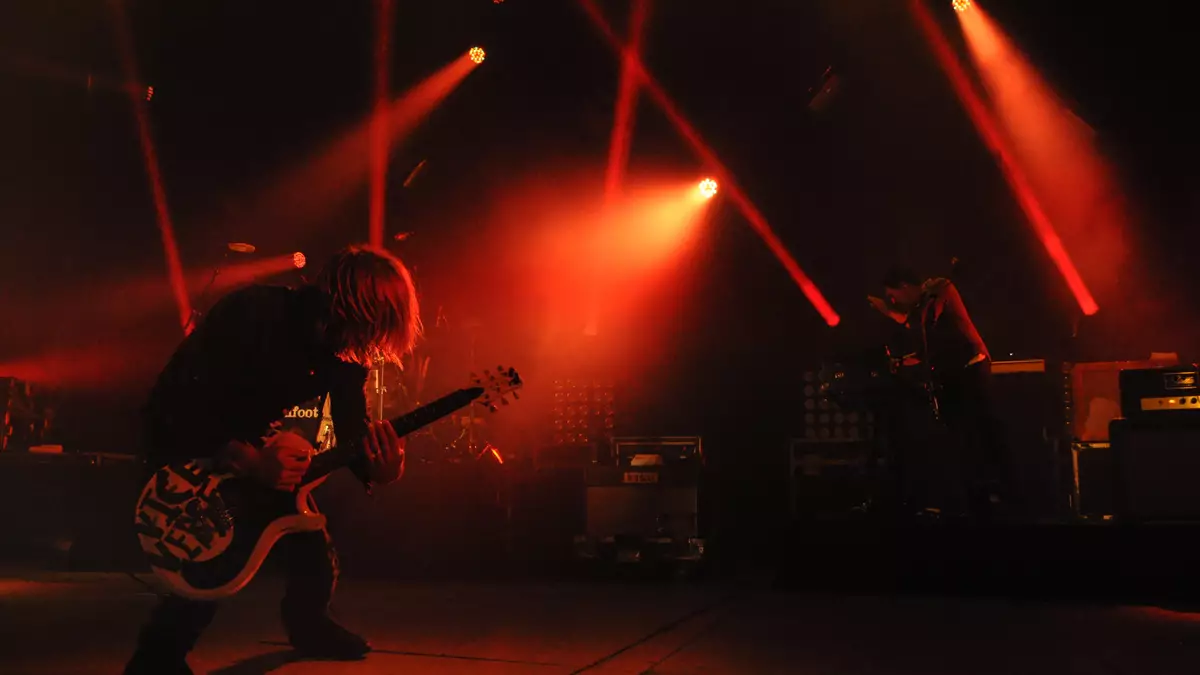
Nine Inch Nails continue to shape how heavy, electronic-leaning rock is heard, talked about and reissued, even without a headline-grabbing new studio album on the calendar. Across classic records like The Downward Spiral and With Teeth, the project led by Trent Reznor has built a catalog that still drives reissue campaigns, inspires new acts and fuels ongoing demand for their songs in playlists, video games and film trailers.
For many rock listeners, Nine Inch Nails mark a gateway between underground industrial scenes and the mainstream rock festival stages of the 1990s and 2000s. The project grew from home-recorded tracks and abrasive EPs into a Grammy-winning, arena-filling band that still speaks to younger fans discovering industrial textures through streaming platforms.
How Nine Inch Nails reshaped rock between club culture and stadium stages
Explore more reporting, background pieces and chart stories on Nine Inch Nails in the AD HOC NEWS archive.
More news on Nine Inch Nails at AD HOC NEWS ->Wednesday focus: why Nine Inch Nails still matter far beyond industrial rock
On a Wednesday when playlists refresh and new tracks fight for attention, catalog acts like Nine Inch Nails prove how strongly a coherent sound and visual language can age. Listeners stream decades-old tracks next to new releases, and the contrast throws the crisp, mechanical precision of the band into sharp relief.
Nine Inch Nails emerged in the late 1980s, combining programmed drums, harsh synthesizers and distorted guitars into songs that still worked as hooks-driven rock. Fans encountered material that was both physical and introspective, a combination that later generations would echo in everything from metalcore to dark pop with industrial edges.
The group gained a reputation for intense shows and a commitment to sound design, with noise, ambience and silence used as precisely as riffs and beats. On stage, the concept of a single studio mastermind translated into a flexible live unit that could shift lineups while maintaining a clearly defined aesthetic. For many followers, that balance gave Nine Inch Nails a unique position between solo project and band.
When listeners talk about industrial rock today, they frequently compare newer releases with the high points of the Nine Inch Nails discography. Albums such as Pretty Hate Machine, The Downward Spiral, The Fragile and With Teeth appear in think pieces, reaction videos and fan discussions as benchmarks for production quality, emotional intensity and the ability to cross over without losing edge.
Even for people who never bought a CD or attended a concert, Nine Inch Nails remain familiar through sync placements, soundtrack contributions and the overall influence on film and game soundtracks. The tension-filled, often textural approach that characterizes many modern scores clearly resonates with what the project developed on record and later expanded in direct scoring work.
The catalog continues to attract reissues and deluxe treatments, from expanded digital editions to vinyl pressings that emphasize artwork and sequencing. Collectors treat original pressings and special packages as artifacts from an era when industrial rock moved from niche clubs to major-label campaigns, but the music itself keeps drawing in younger fans via streaming algorithms that connect it to contemporary dark pop and alternative metal.
This ongoing resonance means that Nine Inch Nails’ story is more than a closed 1990s success narrative. Instead, the project bridges old and new distribution models, from tape trading and early CDs to high-resolution downloads and playlist culture. Each shift has altered how listeners experience the dense production layers, but the core songwriting stays surprisingly resilient.
Part of the fascination lies in the way Nine Inch Nails mix vulnerability with aggression. The songs rarely present a one-dimensional image of anger or despair; they often pivot between whispered lines, electronic pulses and sudden walls of sound. That dynamic construction helps the material stand up to repeated listening, especially on headphones or high-quality systems where subtle production choices become clearer.
Listeners who came to the band through later albums often work backwards, discovering how early tracks already contained seeds of the cinematic approach that would emerge more strongly on double albums and soundtrack work. The sense of narrative, pacing and contrast threads through the discography, giving even standalone singles an almost visual quality.
Beyond sound, Nine Inch Nails maintain a strong visual identity. Artwork, typography and video direction tend to favor distressed textures, stark contrasts and a kind of industrial minimalism. That consistency has turned logos and album covers into instantly recognizable markers on record shelves, streaming grids and social media feeds.
For younger producers, the project functions as a practical lesson in building a sonic brand that spans formats. Many cite Nine Inch Nails when explaining how to combine software instruments and live performance, how to make programming feel human or how to use distortion and saturation without losing clarity. In tutorials and studio breakdowns, the band’s influence shows up even when tracks do not sound directly industrial.
Catalog listening patterns underline this ongoing relevance. Streams for core records spike around anniversaries, documentary mentions or viral social media posts, showing how context still matters in a supposedly on-demand world. Fans often frame full-album listening sessions as events, recreating the feeling of engaging with a complete work rather than a shuffled playlist.
Nine Inch Nails also embody a particular approach to career pacing. Long breaks between releases, changes in live activity and shifts into parallel work such as scoring demonstrate a refusal to follow a strict album-tour cycle. Instead, the project adapts to changing circumstances while retaining control over presentation and sound, which appeals to artists navigating a more fragmented music economy.
The Grammy recognition for later work, especially in film scoring, highlights another dimension: the ability to translate industrial rock sensibilities into orchestral and electronic hybrid scores. That crossover success helps keep the project in broader cultural conversation, even when no traditional rock single is climbing charts.
For rock and pop fans discovering Nine Inch Nails now, the range can be surprising. Some tracks hit like tightly constructed singles with immediate choruses, while others unfold slowly over extended runtimes with long instrumental passages. This variety allows listeners to pick entry points that match their mood, whether they prefer heavy riffs, glitchy electronics or brooding ambience.
Because the band’s peak years intersected with the rise of music television, many classic tracks are tied to memorable videos. These clips helped define the visual language of alternative and industrial rock for a generation, with stark imagery, unsettling settings and a willingness to embrace discomfort rather than glossy polish.
In the streaming era, that visual legacy lives on through remastered uploads, documentary excerpts and fan-made tributes that reuse motifs from original videos. Younger creators borrow textures, color palettes and editing styles, proving that the influence of Nine Inch Nails extends beyond audio production into broader visual culture.
From a scene perspective, the band played a key role in bringing industrial aesthetics into alternative rock lineups and festivals. Their presence on major stages exposed audiences to harsher sonics while maintaining accessibility through strong song structures. This combination made it easier for other industrial acts to reach wider crowds.
The project’s history also maps onto shifts in technology. Early releases relied on hardware samplers, tape machines and analog gear, while later work increasingly integrated software-based production. Discussions among fans and producers about the warmth and grit of particular eras often turn into debates about gear, workflows and the pros and cons of digital precision.
At the same time, Nine Inch Nails have often released material in ways that encourage listeners to think about audio quality, from high-resolution downloads to vinyl editions emphasizing mastering choices. For many fans, this emphasis validates a more active, attentive listening style in contrast to low-bitrate, background streaming.
The legacy also owes much to how the project navigated the relationship between artist and audience. Direct communication channels, creative release strategies and occasional surprise drops created a sense of involvement. Fans felt treated as participants rather than passive consumers, especially when multitrack files or remix-friendly stems appeared, inviting reworks and community engagement.
That openness helped spark a flourishing remix culture around Nine Inch Nails material. Official and unofficial reworks circulate among DJs, producers and fans, demonstrating how the core stems can be reinterpreted across genres. From drum and bass to techno and ambient, many styles have absorbed motifs or samples reminiscent of the band’s sound.
As industrial textures seeped into mainstream pop and hip hop, commentators often pointed back to Nine Inch Nails as a reference. The idea that dissonance, noise and unsettling atmospheres could coexist with catchy hooks became less unusual, paving the way for more experimental production choices in radio-friendly releases.
In discussions about mental health representation in music, the project frequently appears as an early, if raw, example of artists addressing inner turbulence through unflinching lyrics and soundscapes. While the work does not offer simple solutions, its honesty resonates with listeners who find comfort in hearing complicated emotions expressed without smoothing out the edges.
Certain songs have become shorthand for specific moods or scenes in film and television. When supervisors seek to convey tension, alienation or overwhelming intensity, Nine Inch Nails tracks or similarly styled pieces often enter the shortlist. That pattern reinforces the band’s association with cinematic storytelling, even outside explicit soundtrack work.
The idea of an evolving lineup under a central creative figure also speaks to current debates about band identity. Many modern projects operate as loose collectives or studio-driven endeavors with rotating collaborators. In that sense, Nine Inch Nails anticipated a shift away from fixed four-piece rock formations toward more fluid configurations.
Collectors and archivists document every phase of the project, from early demo cassettes to lavish box sets and tour-specific merchandise. This documentation not only serves fan interest but also provides valuable material for historians examining how alternative and industrial scenes developed in the late 20th and early 21st centuries.
When music schools and production programs discuss sound design, Nine Inch Nails tracks often function as case studies. Educators point to the use of distortion as texture, creative panning, layered drum programming and the strategic use of reverb and delay to build space around otherwise dense arrangements.
The band’s influence extends into hardware and software development as well. Some manufacturers and plugin designers explicitly cite the project as inspiration for certain distortion units, filters and virtual instruments. Users seeking those characteristic harsh-yet-controlled timbres often gravitate toward tools marketed with industrial or NIN-adjacent references.
For fans navigating the discography, the contrast between studio albums and live documents offers another entry route. Live releases capture how songs evolve on stage, gaining new arrangements, extended outros or improvisational sections. This ongoing reinterpretation keeps the catalog alive and prevents it from becoming a fixed museum piece.
As listening habits fragment, Nine Inch Nails maintain a solid presence in curated playlists covering industrial rock, 1990s alternative, soundtrack-style instrumentals and gym-friendly heavy music. That cross-listing multiplies discovery points and ensures that new listeners encounter the project from multiple angles rather than a single hit.
In interviews and retrospectives, artists from metal, pop, electronic and experimental backgrounds frequently name Nine Inch Nails as a formative influence. This broad cross-genre respect underscores how the project transcends narrow scene boundaries, functioning as a shared reference space for very different musical communities.
The interplay between abrasive elements and melody remains central to that appeal. Even when tracks feature harsh textures, they usually anchor around memorable motifs, whether in vocal lines, synth hooks or guitar figures. That balance helps the music resonate with listeners who might otherwise avoid more extreme noise or industrial releases.
Many fans describe discovering Nine Inch Nails as a turning point in their relationship with music, opening doors to heavier or more experimental artists. Once the initial step into industrial-leaning sound is taken, listeners often branch out into related scenes, from classic industrial to darkwave, post-metal and beyond.
In the age of social media, this discovery process often plays out in public. Fans post track recommendations, share personal stories connected to specific songs and create visual art inspired by lyrics and sonic textures. This ongoing creative feedback loop keeps the project in circulation among younger audiences who encounter it primarily through online communities.
Streaming numbers for key tracks reflect this multigenerational interest. Older fans return to familiar favorites, while new listeners gravitate toward iconic songs highlighted in playlists, documentaries and algorithm-driven recommendations. In combination, these patterns sustain a steady baseline of attention that many acts from the same era do not match.
As formats continue to evolve, Nine Inch Nails offer a case study in how a project can embrace change without losing identity. From physical releases to digital experiments and high-profile collaborations, the core aesthetic remains recognizable even when the surrounding industry shifts markedly.
This adaptability suggests that the band’s work will continue to serve as both inspiration and reference point in production discussions, cultural criticism and fan communities. For rock and pop listeners looking to understand how industrial sounds entered the broader mainstream, following the path of Nine Inch Nails still offers one of the clearest, most compelling narratives available.
Key facts about Nine Inch Nails at a glance
- Act: Nine Inch Nails
- Genre: Industrial rock, alternative rock, electronic
- Origin: Cleveland, Ohio, USA
- Active since: Late 1980s
- Key works: Pretty Hate Machine, The Downward Spiral, The Fragile, With Teeth
- Label: Various, including major-label and independent releases
- Charts / certifications: Multiple platinum and gold albums in key markets, Grammy-winning recordings and widely streamed catalog tracks
Nine Inch Nails in context: questions fans often ask
How did Nine Inch Nails define industrial rock for a wider audience?
Nine Inch Nails combined abrasive electronic textures with strong song structures, visual concepts and intense live shows. This mix allowed industrial sounds to reach rock radio, television and major festival stages, where they interacted with grunge, alternative metal and electronic dance music.
Which Nine Inch Nails albums are essential starting points for new listeners?
Many fans recommend beginning with The Downward Spiral for its impact, The Fragile for immersive sound design and Pretty Hate Machine to hear the early fusion of synth-pop and industrial elements. From there, later releases reveal how the project evolved its production language and emotional palette.
Why does the sound of Nine Inch Nails still feel contemporary?
The focus on texture, dynamics and emotional contrast gives these recordings a timeless quality. Modern producers continue to use similar distortion techniques, layered drums and atmospheric synths, so the band’s classic albums sit comfortably alongside newer releases in playlists and soundtracks.
This article was created with a.i. assistance and reviewed by editors. All information without guarantee.


