
New Order honor Joy Division in rare Manchester homecoming show
Published on 06/17/2026 at 00:47 | Editorial responsibility: Rafael Müller, Editor-in-Chief AD HOC NEWS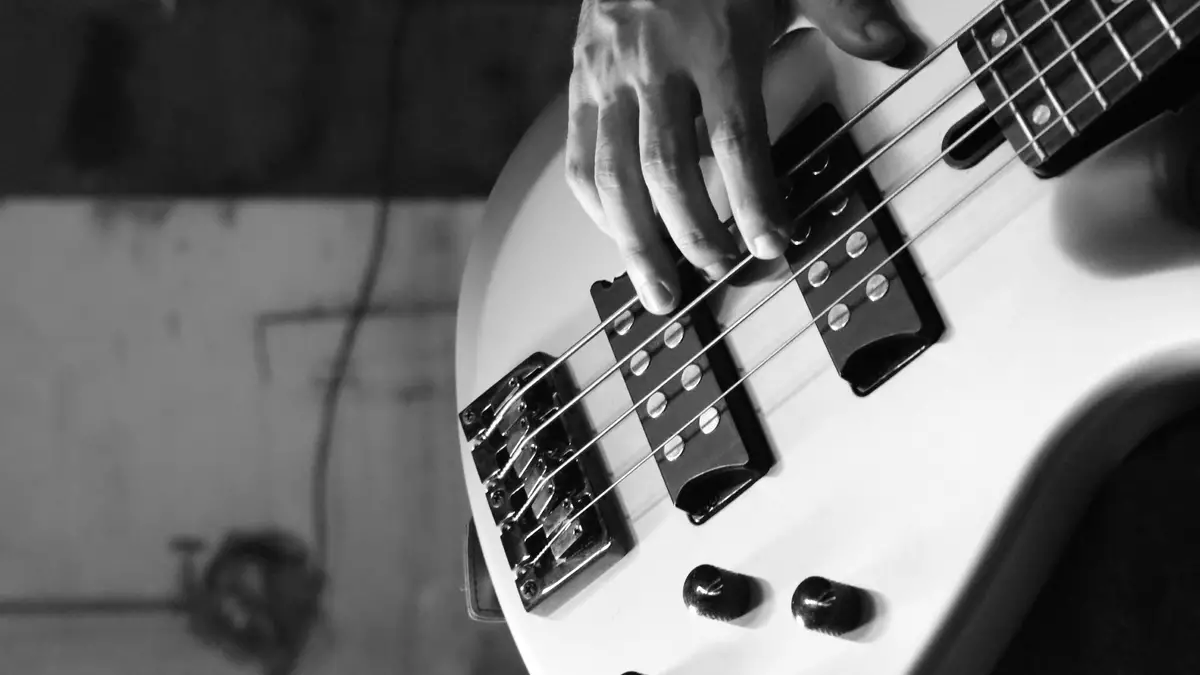
New Order have underlined their status as one of the most influential crossover bands between post-punk and electronic pop with a rare, emotionally charged homecoming performance in Manchester, where the group once again wove Joy Division material into a set that bridged four decades of music history.
The Manchester legends used the show to highlight their unique journey from post-punk beginnings to stadium-ready synth-pop, with a setlist that balanced deep cuts, global hits like Blue Monday and Bizarre Love Triangle, and carefully placed Joy Division tributes that drew long, reflective ovations from the hometown crowd.
How New Order shaped post-punk and synth-pop
Background, milestones and context on New Order for readers who want to dive deeper into their catalog and Manchester roots.
More news on New Order at AD HOC NEWS ->Why New Order still matter on a Wednesday night in Manchester
For a Wednesday night show in their hometown, New Order did not rely on nostalgia alone. Instead, they used the opportunity to remind fans how they rebuilt themselves from the tragedy of Joy Division into one of the most distinctive bands in modern rock and pop, influencing generations of guitar groups, DJs and electronic producers alike.
Bernard Sumner and his bandmates steered the evening through shifting moods: stark, guitar-driven tracks echoing their early 1980s work, followed by expansive synth sequences that pushed the concert toward a club-like atmosphere. The contrast highlighted how naturally New Order connect post-punk tension with dance-floor euphoria.
Audience reactions reflected this duality. During the Joy Division sections, the venue fell almost silent between lines, with fans treating the songs like a communal remembrance. When the familiar, sharp drum programming and iconic synth bass of Blue Monday arrived, the hall turned into a jumping sea of arms, proving how New Order can still turn introspection into release.
Visually, the group leaned on clean, modern production rather than retro staging. LED backdrops, color-blocked lighting and minimalist projections supported the beats and bass lines, while leaving space for the emotional weight of the older material to breathe and connect.
The band also emphasized their collective identity. While Sumner remained the main focal point, long standing members Gillian Gilbert, Stephen Morris and Tom Chapman anchored the sound with a mixture of analog synths, live drums and bass that gave even their most familiar songs fresh punch and clarity.
Newer fans, many of them encountering the group live for the first time, responded strongly not only to chart staples but to deeper album tracks. This underlined how New Order’s catalogue functions less like a set of isolated singles and more like a coherent narrative of experimentation, risk and reinvention over the decades.
Throughout the set, the band’s performance underlined a simple fact: New Order are not only an important historical act, they remain a vital live force capable of competing sonically and visually with acts half their age. The Manchester crowd rewarded that energy with sustained applause well beyond the final encore.
From Joy Division to New Order: how the sound evolved
New Order’s story is inseparable from Joy Division. After the death of singer Ian Curtis in 1980, the remaining members decided to continue together, slowly shifting from the stark, guitar-heavy sound of their previous band into a new direction driven by drum machines, sequencers and synthesizers, while retaining a dark emotional core.
Early New Order albums such as Movement still carried heavy Joy Division shadows, with colder textures and introspective lyrics. As the band gained confidence in the studio and on the road, they increasingly folded in the pulse of New York clubs, European synth-pop and emerging electronic scenes, giving birth to a hybrid that proved hugely influential.
This evolution did not happen overnight. New Order experimented with configuration, songwriting approaches and production partners. The group’s willingness to allow rhythm and texture to take up as much space as traditional rock structures opened doors not only for their own hits but for countless acts that would later blend guitars with sequencers.
Key to this development was their relationship with legendary Manchester venue and label Factory Records. The open, artist-first philosophy of that environment gave New Order both freedom and responsibility. They could stretch songs far beyond radio norms, test club mixes and embrace extended 12-inch releases without pressure to conform.
At the same time, the band were not purely studio-focused. Extensive touring across the UK, Europe and North America helped them refine how their hybrid sound translated to live rooms, from small clubs to festivals. Each era brought new arrangements and technology, whether analog synth rigs or more contemporary digital setups.
By the mid-1980s, New Order had established a blueprint that many later bands would follow: guitar-driven songwriting enhanced by drum machines, bass sequencers and layered keyboards. This blend allowed them to perform equally comfortably on rock festival stages and in dance-focused environments, something that still sets them apart in the modern live landscape.
New Order’s decision to honor Joy Division on stage without turning every show into a memorial has become a defining characteristic of their modern performances. They integrate a handful of Joy Division songs as respectful tributes, offering context without letting the past overshadow the continued life of the band.
In Manchester, that balance felt especially poignant. The city that gave birth to Joy Division and New Order witnessed a set where history, grief and celebration intertwined, yet the focus remained on the music’s continued relevance rather than on any single moment in time.
Blue Monday, Bizarre Love Triangle and the anatomy of crossover classics
Few bands can claim one of the most famous 12-inch singles in history, but New Order achieved exactly that with Blue Monday. The track’s rigid drum programming, instantly recognizable bass line and minimalist vocal delivery helped transform the group from cult favorite into global club force.
On stage, Blue Monday continues to act as the pivot point of a New Order set. The band often extends or reworks the intro, allowing the venue’s tension to climb before the drum pattern finally drops. The reaction in Manchester reinforced how deeply ingrained the song remains for fans across generations.
Bizarre Love Triangle plays a different, but equally important role. Where Blue Monday feels clinical and mechanical in its perfection, Bizarre Love Triangle offers a more melodic and emotionally open angle on the band’s sound, with guitar, synths and vocals weaving together into an anthem that fits both indie discos and mainstream playlists.
Over the years, both songs have been remixed, covered and referenced by artists spanning electronic, indie, pop and even R&B scenes. Each new interpretation reaffirms how New Order’s core ideas can be recontextualized without losing their essence, from minimal techno edits to lush, band-oriented arrangements.
In the live context, New Order treat these classics not as museum pieces but as evolving frameworks. Tempos shift slightly, textures become heavier or lighter, and Sumner’s vocal phrasing changes with time. This keeps the music alive, preventing the band from slipping into routine even after hundreds of performances.
Manchester’s recent show showcased that dynamic approach, with transitions that stitched Blue Monday, Temptation and Bizarre Love Triangle into a sustained wave of energy. The audience’s singalongs almost drowned out the PA at points, a reminder that these tunes now belong as much to the crowd as to the musicians on stage.
Beyond chart positions or sales figures, the longest lasting impact of these songs lies in their role as templates. Countless younger acts have studied New Order’s dance-rock fusion to understand how bass, rhythm and melody can be combined to create tracks that appeal simultaneously to club DJs and guitar fans.
New Order themselves seem fully aware of that legacy, yet their performance suggests they prefer to simply play these songs with conviction rather than dwell on their canonical status. The energy they bring to these moments ensures the classics feel like part of an ongoing story rather than a closed chapter.
How New Order connect generations of fans
One of the striking aspects of the Manchester show was the mix of fans present. Older listeners who experienced Joy Division and early New Order releases first hand stood next to younger fans who discovered the band through streaming playlists, film soundtracks or recommendations from DJs and indie artists.
This generational blend mirrors the band’s own history. New Order have passed through vinyl, cassette, CD, download and streaming eras without losing their core identity. Each technological shift altered how listeners discovered and consumed their music, but the material remained strong enough to adapt to new formats.
In the streaming age, algorithms often place New Order tracks alongside much younger acts influenced by them. This has created fresh entry points into the catalogue, with playlists focused on post-punk, indie dance or electronic pop frequently positioning classics like Age of Consent next to contemporary bands adopting similar aesthetics.
Live, this cross-generational dialogue plays out visually. During guitar-led sections, older fans often react strongly, revisiting their own formative concert memories. When the set leans into four-on-the-floor beats and extended synth passages, younger crowds respond with the same intensity they might bring to a contemporary electronic headliner.
New Order appear to embrace this diversity. Their stage presentation avoids pandering to any single demographic, instead trusting that the songs themselves can bridge age gaps. The result is a concert atmosphere where shared respect for the music overrides differences in when or how fans first encountered the band.
This multigenerational appeal also contributes to New Order’s lasting relevance. As long as their music continues to feel emotionally resonant and physically compelling in a live setting, new listeners will keep arriving, drawn by word of mouth, recommendations and algorithmic discovery alike.
For Manchester, a city with deep ties to music history, seeing such a broad spectrum of fans united by a homegrown band carried additional weight. New Order’s performance functioned both as an act of local pride and as evidence that their songs have long outgrown any single place or time.
Inside the sound: rhythm, bass and synth architecture
At the heart of New Order’s approach lies a carefully constructed interplay between drums, bass and synthesizers. Stephen Morris’s precise drumming pairs with programmed patterns to create a rhythmic grid that is both strict and surprisingly fluid, leaving room for live adjustments while maintaining a strong pulse.
Tom Chapman’s bass work, echoing and expanding on Peter Hook’s signature melodic style, carries much of the emotional weight. Rather than simply anchoring chords, the bass often serves as a lead instrument, carving memorable lines that listeners can hum as easily as vocal melodies.
Gillian Gilbert’s synth layers and guitar textures add depth, shifting from icy, minimal lines to lush pads and arpeggios. Her parts help define the mood of each song, whether it is the stark tension of early tracks or the warmer, more expansive character of later material.
Bernard Sumner’s guitar tone, often clean with chorus or delay, cuts through the electronic layers, reminding audiences that New Order remain a band with strong roots in post-punk guitar music. His playing contrasts with the machines around him, providing a human, sometimes deliberately imperfect counterpoint to the tight rhythm programming.
In the live mix, engineers give each element space, allowing the kick drum and bass to drive the room while preserving clarity for synth hooks and vocals. This balance is crucial for a group that straddles club and rock aesthetics: too much low-end weight and the guitars vanish, too little and the dance floor energy dissipates.
The Manchester show highlighted how effectively New Order have refined this balance over the years. Songs that were originally recorded with limited 1980s technology now sound larger and more detailed, thanks to modern PA systems and updated stage rigs that respect the original character while enhancing impact.
During extended sections, the band occasionally locked into almost hypnotic repetition, letting small changes in filter settings, drum fills or vocal inflections create momentum. These moments underscored how much New Order share with electronic live acts, even as they remain firmly rooted in the tradition of a four-piece band on stage.
Lyrics, emotion and the Manchester connection
While much discussion around New Order focuses on sound design, rhythm and technology, the emotional tone of their lyrics also plays a crucial role in the band’s lasting appeal. Often impressionistic rather than narrative, Sumner’s words create open spaces in which listeners can project their own experiences.
In Manchester, that emotional openness resonated particularly strongly. Many fans in the venue have long histories with the band, associating specific tracks with personal milestones, relationships or losses. When those songs were performed, the atmosphere carried a sense of shared memory that went far beyond simple singalong pleasure.
The decision to include Joy Division songs heightened this effect. Tracks associated with Ian Curtis’s voice and presence took on additional intensity when delivered by New Order, functioning both as tributes and as reminders of the band’s origins in the same city where they were now performing again.
Despite this weight, the concert never felt overly sombre. New Order’s catalogue balances melancholic themes with music that often invites physical movement and release. This contrast between introspective lyrics and life-affirming rhythm gives their shows an emotional complexity that many fans cherish.
Manchester’s own urban landscape, with its industrial heritage and long musical lineage, adds another layer to that narrative. For local fans, New Order’s success stands as proof that artists from their city can shape global pop culture without abandoning their roots or smoothing out their rough edges for international consumption.
On stage, the band acknowledged that connection subtly rather than with grand speeches. Occasional references to the city, venue and shared past were enough to anchor the night in place, leaving the music itself to carry the majority of the meaning.
New Order in the wider rock and pop landscape
New Order’s influence can be traced across several distinct waves of rock and pop. In the late 1980s and early 1990s, their blend of guitars and dance rhythms paved the way for indie dance scenes, from Manchester’s own club culture to international movements that blurred the boundaries between rock concerts and DJ nights.
Later, as electronic music diversified, producers and bands working in house, techno, big beat and alternative rock drew on New Order’s approach to arrangement and hook writing. Their songs became regular reference points when artists sought to combine emotional depth with club-ready structures.
In the 2000s and 2010s, a new generation of bands absorbed these lessons more or less second-hand. Acts that listeners might classify as dance-punk, electro-rock or indie-electronica often owe an indirect debt to New Order, even when the younger groups primarily cite more recent influences.
New Order’s continued presence on festival line-ups and touring circuits reinforces this cross-generational relevance. When they share stages with younger acts, the connections between eras become tangible, offering audiences a living overview of how post-punk and electronic pop have evolved together over forty years.
The band’s positioning also challenges simplistic genre labels. While some see them primarily as a post-punk act with synths, others frame them as an early electronic group with guitars. In reality, New Order’s career shows how such categories often fail to capture the fluidity of musicians who treat rhythm, harmony and technology as interchangeable tools.
For Manchester, having such a globally recognized band associated with the city has long been a point of pride. New Order sit alongside other local icons in public memory, yet their particular combination of industrial melancholy and dance-floor liberation gives them a unique place in that story.
By delivering a confident, emotionally rich set in their hometown, New Order reminded both older and younger fans that their music remains an active part of contemporary rock and pop culture rather than a relic from a closed chapter in music history.
Key facts about New Order at a glance
- Act: New Order
- Genre: Post-punk, synth-pop, alternative dance
- Origin: Manchester, England
- Active since: Early 1980s (formed after Joy Division)
- Key works: Movement, Power, Corruption & Lies, Low-Life, Technique, Republic, Music Complete
- Label: Associated with Factory Records in early years, later various major and independent labels
- Charts / certifications: International success with singles like Blue Monday and albums that reached high positions in UK and European charts
FAQ: New Order, Manchester and their lasting influence
How did New Order form out of Joy Division?
After the death of Joy Division singer Ian Curtis in 1980, the remaining members decided to continue making music together. They shifted toward a more electronic, dance-oriented sound while retaining the emotional intensity of their earlier work, eventually adopting the name New Order and beginning a new chapter.
What makes New Order’s sound unique in rock and pop?
New Order combine post-punk guitars and bass with drum machines, sequencers and synthesizers, creating songs that work both in rock venues and on dance floors. Their melodic bass lines, minimalist lyrics and willingness to experiment with extended 12-inch formats helped establish a blueprint for later indie dance and electronic acts.
Which New Order songs should new listeners start with?
Entry points often include Blue Monday, Bizarre Love Triangle, Age of Consent, Temptation and True Faith. These tracks showcase different sides of the band, from harder-edged, beat-driven material to more melodic, song-oriented pieces that highlight their crossover appeal.
This article was created with a.i. assistance and reviewed by editors. All information without guarantee.


