
New era on stage for Twenty One Pilots fans
Veröffentlicht am: 02.06.2026 um 15:18 Uhr | Redaktionelle Verantwortung: Rafael Müller, Chefredakteur AD HOC NEWS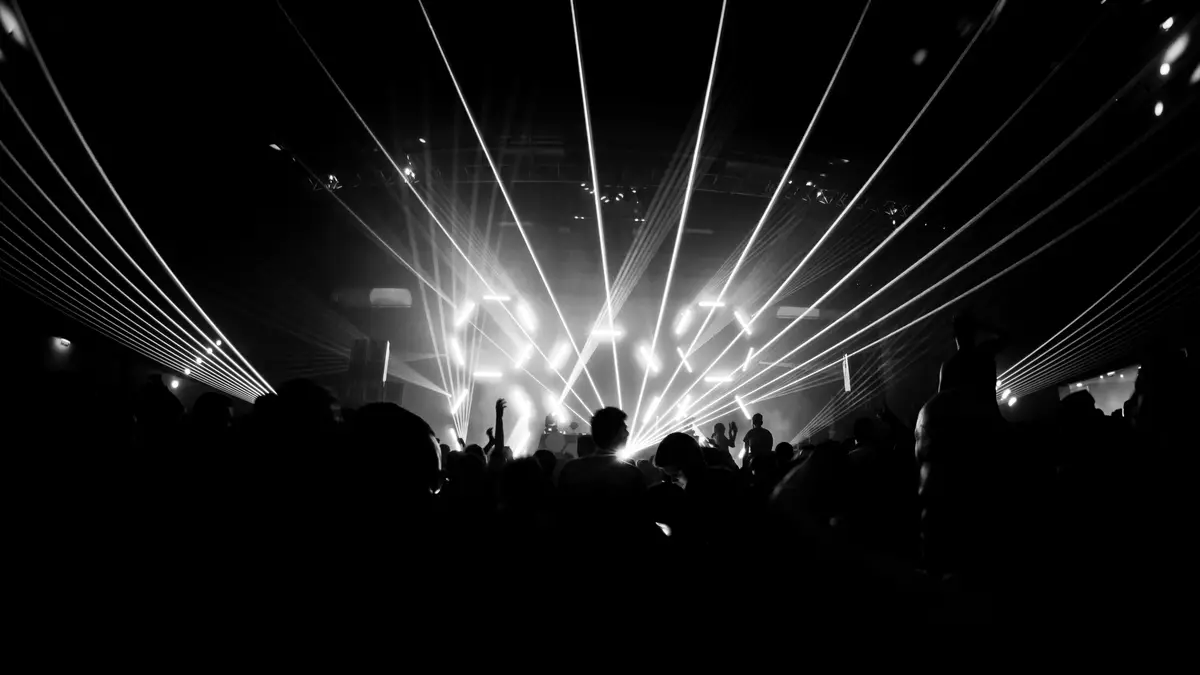
The first time Twenty One Pilots filled a US arena with thousands of voices rapping and roaring along to Stressed Out, it was clear the Columbus duo was building a different kind of rock phenomenon. Fusing piano-driven alt-pop, hip-hop cadences, emo confessionals, and big-tent hooks, Twenty One Pilots have turned their catalog into a live spectacle that still feels intimate to fans scattered across the upper deck.
From club crowds to arena spectacle
Across the past decade, Twenty One Pilots have evolved from a Midwestern cult favorite into one of the most reliable live draws in American alt-pop rock. As Billboard has documented, the band steadily climbed from club and theater tours to full arena runs on the strength of albums like Blurryface and Trench, helped by singles that crossed rock, alternative, and pop radio formats.
US audiences first felt that rise in rooms where frontman Tyler Joseph and drummer Josh Dun were still dragging their gear through the crowd, climbing lighting rigs, and performing drum breaks perched on plywood platforms held aloft by fans. As their production budgets grew, that do-it-yourself physicality never disappeared; it simply scaled up into multi-level staging, pyro bursts, and elaborate lighting that echo arena-rock tradition while keeping the focus on the duo at the center.
The group built its reputation show by show, often returning to cities like Columbus, Chicago, and Los Angeles for multiple nights as demand outstripped venue capacity. According to reporting from outlets such as Rolling Stone and Variety, the band leaned into theatrical set pieces and visual storytelling, using masks, color schemes, and recurring characters to connect disparate songs into a loose narrative arc that plays differently in each city.
That combination of theatrical flair and rough-edged sincerity has positioned Twenty One Pilots as a bridge act: comfortable on mainstream festival main stages beside pop stars, yet still rooted in the punk-adjacent, underdog energy that fueled their early shows. As of June 2, 2026, the band stands as one of the clearest examples of how a hybrid rock-pop project can translate streaming success into physical ticket demand without sacrificing its offbeat identity.
- Genre-blending arena productions that still foreground fan interaction and improvisation
- Set lists drawing deeply from albums like Blurryface, Trench, and Scaled and Icy
- A visual language built around recurring motifs, masks, and color palettes that reward long-term fans
- Live arrangements that often rework hits such as Stressed Out and Ride into new stylistic settings
Media coverage increasingly treats the duo as standard-bearers for a generation of listeners who never saw hard borders between rock, rap, EDM, and singer-songwriter pop. That fluidity is especially visible in the way their live shows move from piano ballads to blast-beat-adjacent drum breaks and sing-rap verses without losing momentum.
Why Twenty One Pilots resonate in 2026
For US listeners navigating a fragmented streaming landscape, Twenty One Pilots offer something that feels rare: a body of work that is idiosyncratic yet easy to share across friend groups with different genre loyalties. Their music sits comfortably in alternative playlists while also showing up on pop radio rotations, a dual presence that publications like NPR Music and The New York Times have highlighted when charting the evolution of 2010s and 2020s rock-adjacent pop.
The band’s breakthrough period in the mid-2010s coincided with a larger shift in how young audiences discovered music, through platforms like YouTube and early social media rather than traditional rock radio alone. Twenty One Pilots leaned into that shift by releasing visually distinctive videos, posting behind-the-scenes clips, and building lore around their albums that encouraged online discussion. That narrative dimension, combined with the emotional transparency of songs like Car Radio, helped listeners feel that the duo was speaking directly to them rather than broadcasting from a distant rock-star pedestal.
Today, that same philosophy underpins the band’s relevance. Even as they operate at arena scale, they maintain a conversational presence in lyrics, stage banter, and digital communication. Fans often describe a Twenty One Pilots show as a communal check-in, where songs about anxiety, self-doubt, and resilience become shared rituals. In a US live market where many acts chase spectacle for its own sake, the duo’s willingness to foreground vulnerability sets them apart.
Critical coverage reflects this tension between grand scale and emotional intimacy. Outlets such as Pitchfork and Stereogum have wrestled with how to categorize the band, sometimes bristling at their earnestness while acknowledging how rare it is for a mainstream act to tackle mental health themes head-on without reducing them to shallow slogans. That ongoing conversation keeps Twenty One Pilots in the discourse even between album cycles, as writers revisit their catalog to trace how their narratives of struggle and hope have evolved.
The group’s US impact also shows up in everyday metrics: consistent streaming numbers for back-catalog tracks, high engagement on social media, and strong physical sales for vinyl editions of albums like Trench. As of June 2, 2026, the band remains a staple on alternative and pop playlists, with their songs functioning as entry points into broader conversations about genre hybridization and emotional candor in mainstream music.
Columbus roots and the slow-build breakthrough
Long before Twenty One Pilots appeared on national charts, the project took shape in Ohio’s local scene. Tyler Joseph began performing under the name in the late 2000s, eventually self-releasing early material and playing small shows around Columbus. Local press and college-radio coverage helped the group cultivate a grassroots following, an origin story that US outlets like Billboard have emphasized when contrasting the duo’s path with more traditional major-label launches.
Josh Dun joined as drummer in the early 2010s, solidifying the lineup that would take the band to international audiences. They built their reputation through relentless touring across the Midwest and beyond, often playing multi-act bills and all-ages venues where their mix of piano, ukulele, and hard-hitting drums puzzled genre purists but connected immediately with younger listeners. That period of experimentation laid the groundwork for the sound that would later power their commercial breakthrough.
The band’s move from independent status to a major-label deal with Fueled by Ramen, an imprint associated with acts like Paramore and Panic! At The Disco, marked a turning point. The label’s experience with emo, pop-punk, and alternative-leaning pop gave Twenty One Pilots a supportive infrastructure that understood their hybrid aesthetic. Press coverage at the time framed the signing as part of a broader wave of internet-savvy rock and pop acts who leveraged online fan communities into traditional industry support.
Once on a larger platform, the duo continued to refine their sound while holding onto their DIY sensibility, frequently involving fans in the visual and narrative layers around their releases. This approach created a sense of continuity between their early Columbus shows and later national tours, reinforcing the idea that success had not severed them from their origins.
Albums like Blurryface and Trench defined their sound
Twenty One Pilots’ discography functions as a map of their evolving sonic and thematic preoccupations. Early releases established Tyler Joseph’s penchant for rapid-fire vocal delivery over piano-driven arrangements, but it was Blurryface that crystallized the formula in a way that resonated on a mass scale. According to Billboard and the RIAA, the album produced multiple high-performing singles and earned significant US certifications, underscoring its role as a mainstream alt-pop milestone.
Blurryface introduced a fictionalized persona through which Joseph could explore anxiety, self-doubt, and performance pressure. This device allowed the band to stage songs as internal dialogues, a technique that mirrored the visual aesthetic of the era, with red-and-black color schemes and face paint becoming recurring motifs. Tracks like Stressed Out and Ride balanced radio-ready hooks with lyrics that unpacked everyday worries, a combination that helped the songs travel across rock, pop, and even adult contemporary formats.
With Trench, the band expanded its world-building, constructing a metaphorical landscape populated by characters and factions that represented emotional states and societal pressures. Critics in outlets such as The Guardian and NME praised the album’s ambitious narrative structure and more subdued, often darker production palette, which leaned into atmospheric synths, intricate drum patterns, and nuanced vocal performances.
Their 2021 album Scaled and Icy shifted the mood again, introducing brighter textures and more overtly pop-oriented melodies while retaining the introspective core of Joseph’s writing. Some reviewers read the album’s title as a play on words hinting at both scale and isolation, reflecting the constraints and emotional complexities of making music during a period when global touring was disrupted.
Throughout these releases, recurring musical traits emerge: syncopated drum work from Dun that draws on rock, hip-hop, and electronic traditions; melodic lines that drift between rapped cadences and sung hooks; and arrangements that leave space for audience participation. Songs such as Heathens, initially tied to a film soundtrack, demonstrated the duo’s ability to adapt their sound to external contexts while preserving their identity, further expanding their presence in US pop culture.
Behind the boards, the band has worked with producers and engineers who understand how to translate their idiosyncratic blend into radio-competitive mixes without flattening its quirks. Industry analysis in trade publications like Variety and The Hollywood Reporter has pointed to this careful balancing act as a reason the group has remained relevant across multiple album cycles, even as the streaming ecosystem and rock’s position on the charts have shifted.
Influence, fandom, and the alt-pop future
Twenty One Pilots’ impact extends beyond sales figures and streaming counts. Their success has opened doors for other acts that blend rock instrumentation with rap flows, electronic textures, and emotionally direct lyricism. Critics and commentators often mention the duo alongside artists who occupy similar borderlands between rock, pop, and hip-hop, noting that their mainstream visibility helped normalize genre hybridity for a generation raised on algorithmically mixed playlists.
In the US festival ecosystem, the band has become a dependable draw, capable of headlining alternative-leaning events and appearing high on the bill at more pop-centric gatherings. Their shows are known for visual coherence, with color schemes and symbols that fans adopt in their own outfits and artwork. This shared iconography strengthens the sense of community that has always been central to their appeal, echoing earlier eras when rock subcultures signaled affiliation through band T-shirts and zines.
Fan culture around Twenty One Pilots thrives online, where listeners dissect lyric sheets, tease out narrative connections between albums, and share personal stories of how songs have intersected with their lives. Publications like Rolling Stone have highlighted how this participatory storytelling, encouraged by the duo’s own cryptic teasers and Easter eggs, turns each release into a kind of interactive puzzle to be solved collectively.
From an industry perspective, the band’s trajectory is often cited in conversations about the future of rock-adjacent music in the United States. At a time when traditional guitar bands face headwinds on the charts, Twenty One Pilots have demonstrated that rock’s energy and ethos can be carried by keyboard-driven arrangements, programmed elements, and vocal approaches that owe as much to rap and pop as to classic rock frontmen. Trade outlets and analysts point to their sustained touring power as evidence that genre labels matter less to younger audiences than whether an act feels authentic and emotionally resonant.
The duo’s influence can be heard in newer artists who cite them as inspirations, borrowing elements such as hybrid vocal delivery, narrative world-building, and a willingness to address mental health issues without euphemism. In this way, Twenty One Pilots occupy a role previously held by alternative titans of earlier decades: not necessarily redefining rock in a narrow sense, but modeling how to adapt its spirit to contemporary conditions.
Looking ahead, the band’s legacy will likely be measured not only in awards or chart positions but in the number of young musicians who saw in their work a blueprint for making deeply personal, formally adventurous music that still reaches mainstream audiences. In a fragmented, algorithm-driven musical environment, that may be their most enduring contribution.
Key questions about Twenty One Pilots
How did Twenty One Pilots break through to US mainstream audiences?
Twenty One Pilots broke into the US mainstream through a combination of relentless touring, strategic use of online platforms, and albums that were both conceptually ambitious and packed with radio-ready singles. As outlets like Billboard and Rolling Stone have noted, the success of Blurryface and its singles such as Stressed Out and Ride marked the moment when the duo’s hybrid sound moved from alternative circles into broader pop awareness.
What makes the band’s sound distinct in today’s rock and pop landscape?
The band’s sound stands out because it synthesizes elements from multiple genres without feeling like a novelty mash-up. Tyler Joseph’s fluid movement between rapped verses and sung choruses, combined with Josh Dun’s dynamic drumming and a production style that alternates between sparse intimacy and full-scale bombast, gives their tracks a recognizable signature even as they experiment with new textures on albums like Trench and Scaled and Icy.
Why do Twenty One Pilots maintain such a devoted US fanbase?
Twenty One Pilots maintain a devoted US fanbase by aligning their creative choices with a consistent emphasis on community and emotional transparency. Fans describe their concerts as cathartic, communal experiences, reinforced by the band’s willingness to address anxiety, self-doubt, and resilience in their lyrics and staging. Media outlets including NPR Music and The New York Times have pointed out that this blend of vulnerability and spectacle resonates strongly with listeners navigating an era of social and economic uncertainty.
Streaming and social snapshots of the duo
From viral performance clips to fan-made lyric videos, the digital footprint around the band offers a constantly updating snapshot of how their songs travel through everyday life.
Twenty One Pilots – moods, reactions and trends across social media:
Further reading on Twenty One Pilots
More coverage of Twenty One Pilots at AD HOC NEWS and in other media:
Read more about Twenty One Pilots on the web ->Search all Twenty One Pilots stories on AD HOC NEWS ->


