New era on stage for Evanescence fans
Veröffentlicht am: 03.06.2026 um 06:47 Uhr | Redaktionelle Verantwortung: Rafael Müller, Chefredakteur AD HOC NEWS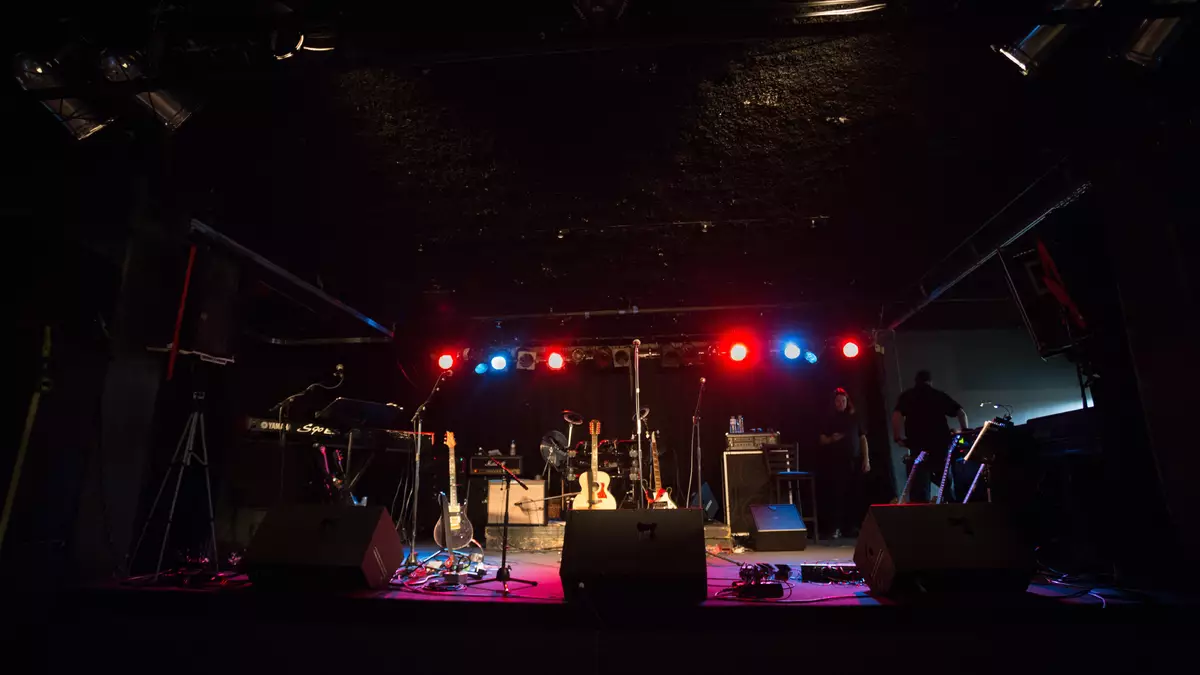
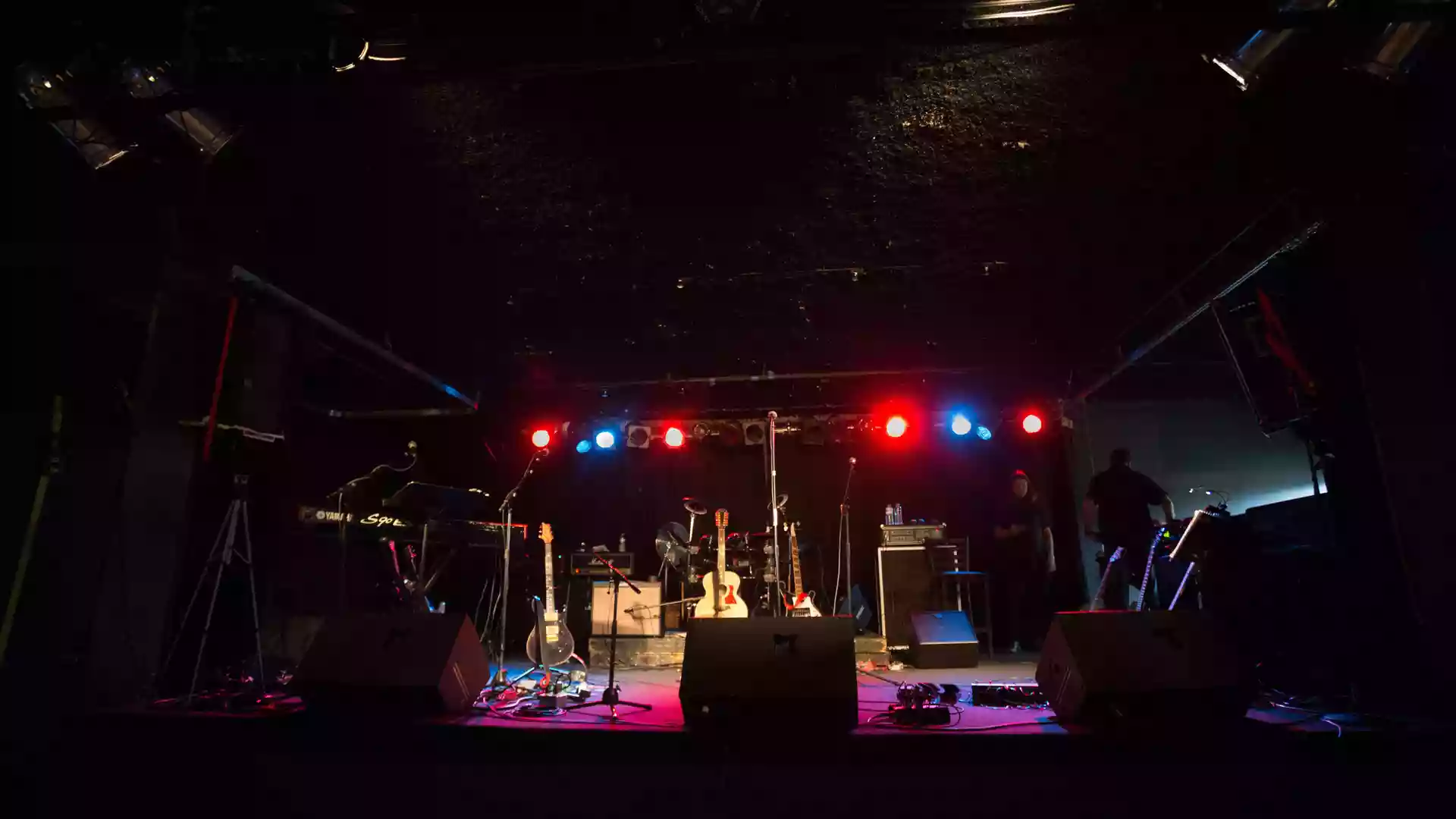
The lights drop, a piano line cuts through the noise, and Evanescence charge into a set that feels both nostalgic and newly sharpened for a post-streaming rock era. For a generation that discovered the band through early-2000s radio and for teens who met them on TikTok, the group’s current live chapter shows how a once-in-a-lifetime breakout can evolve into a durable modern rock institution.
From Fallen to arena mainstays in 2020s
When Evanescence’s debut studio album Fallen arrived in March 2003 on Wind-up Records, few predicted it would become one of the defining hard rock releases of the 21st century. Powered by hit singles like Bring Me to Life and My Immortal, the record moved from rock and alternative radio into mainstream Top 40 rotation across the United States.
According to Billboard, Fallen reached the top 3 of the Billboard 200 albums chart and stayed on the chart for more than a year as it crossed over from niche rock outlets into mall soundtracks, movie trailers, and MTV rotation. As of the mid-2010s, the Recording Industry Association of America (RIAA) had certified the album multi-Platinum in the US, underlining its status as one of the era’s heavyweight rock debuts.
For many fans, that era is still the emotional core of the band’s story. But on stage in the 2020s, the group is determined not to be locked into nostalgia. The current live show integrates songs from later releases like The Open Door, the self-titled Evanescence, and 2021’s The Bitter Truth alongside reimagined early material, creating an arc from nu-metal and gothic balladry to a more cinematic, progressive rock sound.
That balance between the past and present is what keeps Evanescence relevant as festival lineups lean on legacy names while audiences keep discovering older catalog through streaming. It also supports a renewed interest in the band from rock outlets such as Rolling Stone and Loudwire, which have highlighted the group’s resilience, Amy Lee’s vocal power, and the band’s ability to adapt their sound without abandoning the core emotional intensity that made them famous.
- Breakthrough era: multi-Platinum success of Fallen and cross-format hits like Bring Me to Life.
- Mid-period evolution: darker, more progressive writing on The Open Door and Evanescence.
- Recent chapter: 2021 studio album The Bitter Truth and refreshed touring lineup.
- Ongoing appeal: a catalog that continues to draw new listeners on streaming and social platforms.
Amy Lee’s band as a modern US rock fixture
In 2026, Evanescence sit in a rare lane: a rock band still associated with the post-nu-metal mainstream boom, yet flexible enough to share festival stages and playlists with both classic metal acts and contemporary alternative and pop-leaning artists. Frontwoman Amy Lee, the group’s founding singer, pianist, and primary songwriter, remains the band’s central creative force and public face.
Lee’s classically informed piano playing and soaring mezzo-soprano vocals help distinguish Evanescence from many of their early-2000s peers. While heavy guitars and downtuned riffs connect them to the era of bands like Linkin Park and Korn, the band’s arrangements often weave in orchestral textures, choral backing, and piano-driven intros that nod to film scores and symphonic metal.
For US listeners, that blend has made the group a gateway into heavier sounds. Rock fans who grew up on mainstream radio singles discovered heavier riffs through tracks like Going Under, while ballads such as My Immortal resonated with pop audiences. The band’s presence on stations that played both rock and pop helped them cross demographic lines and build a multigenerational fan base.
Today, the group’s relevance is reinforced by steady streaming numbers and curated playlist placements on services like Spotify and Apple Music. Catalog cuts from Fallen appear alongside tracks from younger acts who fuse rock, emo, and alternative pop, keeping Evanescence in conversation with newer movements without the group having to chase trends directly.
Evanescence’s ties to US rock culture also run through their touring history. Over the years, the band has shared bills with outfits ranging from Seether to Disturbed and Halestorm, reinforcing their positioning at the intersection of hard rock, alternative metal, and gothic-leaning mainstream rock. Their visual aesthetic—dark stage clothes, moody lighting, and theatrical set design—aligns with that identity while remaining accessible to casual listeners.
Little Rock origins and industry breakthrough
Evanescence’s story begins in Little Rock, Arkansas, where Amy Lee started collaborating with guitarist Ben Moody in the mid-1990s. The pair bonded over a shared interest in heavy rock, classical music, and film scores, writing early material that blended piano, distorted guitars, and dramatic vocal melodies.
Before signing a major-label deal, the band circulated independent releases and demos in the regional scene. These early recordings, while rough compared with later studio work, already showcased Lee’s ability to turn personal, often spiritual or introspective themes into sweeping rock songs. Word-of-mouth and a growing local following eventually drew industry attention.
The group’s break came when they secured a deal with Wind-up Records, a label that had found success with Creed and other post-grunge acts. Label support gave Evanescence access to larger production budgets and professional producers, helping shape their sound for a broader rock and pop audience. Producer Dave Fortman, who worked extensively on Fallen, played a key role in refining the band’s arrangements and integrating Lee’s piano and vocal lines with modern rock guitar tones.
The label’s push to secure soundtrack placements turned out to be crucial. The inclusion of Bring Me to Life on the 2003 film soundtrack for the Marvel adaptation Daredevil put the song in front of millions of moviegoers and soundtrack buyers. MTV and rock radio picked up the single, turning it into a global hit not only in rock markets but on pop charts worldwide.
At the same time, internal tensions and lineup changes created challenges behind the scenes, with co-founder Moody departing during the early promotional cycle for Fallen. Despite these shifts, Amy Lee maintained control of the band’s musical direction, recruiting new collaborators while keeping the core aesthetic intact.
Piano, heavy riffs and songs that endure
Musically, Evanescence sit at a crossroads where alternative metal, gothic rock, and radio-ready pop hooks intersect. The band’s signature sound rests on a few core elements: Lee’s piano and voice, thick guitar layers that reference nu-metal and hard rock, and arrangements that build from quiet introspection to cathartic, full-band climaxes.
On Fallen, songs like Bring Me to Life combined a rap-style male vocal part with Lee’s soaring chorus, reflecting the influence of early-2000s rap-rock crossovers while maintaining a melodic center that appealed to pop listeners. Going Under leaned more heavily into alternative metal, with churning guitar riffs driving the verses and a huge chorus that showcased Lee’s range.
Ballads such as My Immortal highlighted another dimension of the band’s sound. Built around piano and strings, the track drew comparisons to power ballads and adult contemporary pop even as its lyrics and vocal delivery kept it rooted in the band’s darker emotional palette. According to coverage in outlets like Billboard and The New York Times, this dual identity—heavy but melodic, dark but accessible—made Evanescence a rare act that could headline rock festivals and appear on mainstream award shows.
Later releases expanded that template. The Open Door, released in 2006, delved into more complex song structures and denser arrangements, with tracks like Call Me When You’re Sober and Lithium incorporating choirs, layered harmonies, and more intricate guitar work. Critics from publications such as Rolling Stone and Entertainment Weekly noted that the album pushed the band toward a more progressive, theatrical sound while preserving the emotional intensity that fans expected.
The self-titled 2011 album Evanescence sharpened the band’s hard-rock edge, with songs like What You Want and My Heart Is Broken emphasizing driving rhythms and expansive choruses suitable for large venues. The production incorporated modern metal tones and digital textures without sacrificing the organic feel of piano and live drums.
After a period of relative quiet in terms of studio releases, the band returned with The Bitter Truth in 2021. Written and recorded in a world grappling with political turmoil and a global pandemic, the album presented a heavier, more urgent Evanescence. Tracks such as Use My Voice and Wasted on You showcased lyrics that were more explicitly engaged with themes of resilience, disinformation, and personal agency, reflecting a broader shift in rock toward social commentary.
The production on The Bitter Truth drew praise from heavy music outlets like Loudwire for its balance of modern metal punch and the band’s characteristic melodicism. The record reaffirmed Evanescence’s ability to update their sound for new listeners without losing the cinematic, emotionally charged qualities that made their early work stand out.
Grammy wins, RIAA plaques and lasting influence
Evanescence’s commercial and critical impact on US rock is measurable in both awards and more intangible forms of influence. The band took home two Grammy Awards in early 2004, including Best New Artist and Best Hard Rock Performance for Bring Me to Life, signaling that the music industry viewed the group as more than a passing radio phenomenon.
On the sales side, RIAA certifications for Fallen and key singles underscore the band’s reach well beyond rock specialty outlets. Those plaques translate into an ongoing presence in the rock canon, where the album frequently appears on lists of influential 2000s rock releases compiled by publications like Kerrang!, Rolling Stone, and SPIN.
Evanescence also stand as a touchstone for a wave of bands that combine heavy guitars with prominent female vocals, from symphonic metal outfits to alternative and metalcore acts who cite Amy Lee’s work as formative. In interviews, younger artists have pointed to songs like Imaginary, Haunted, and Whisper as examples of how to embed personal vulnerability inside stadium-scaled arrangements.
Within the broader culture, the band’s aesthetic has become shorthand for a certain strain of early-2000s alternative identity: black eyeliner, layered skirts, and a mix of goth and mall-punk fashion that shows up in nostalgia cycles on social media. Clips of Bring Me to Life and My Immortal circulate regularly on platforms like TikTok and Instagram Reels, introducing the songs to listeners who were not yet born when they first hit US radio.
Streaming-era data reinforces this longevity. Even as new albums come and go, catalog tracks from Fallen retain high play counts on services such as Spotify, driven by algorithmic playlists, user-curated nostalgia mixes, and viral short-form videos. For labels and artists, Evanescence demonstrate how a rock band can maintain a durable digital footprint by cultivating both emotional resonance and a distinct sonic identity.
In live settings, the band’s influence can be felt in the way younger acts structure their own shows, from piano-led intros that bloom into full-band onslaughts to the integration of visual backdrops that match the emotional arc of the music. Evanescence’s willingness to bring symphonic and choral elements into rock venues has contributed to a broader acceptance of cinematic staging in heavy music contexts.
Questions fans still ask about Evanescence
How did Evanescence first break into the US mainstream?
The band’s US mainstream breakthrough centered on the release of Fallen in 2003 and the success of singles like Bring Me to Life and My Immortal. A key factor was the placement of Bring Me to Life on the Daredevil film soundtrack, which put the song in front of movie audiences and helped drive radio and MTV exposure.
What makes Evanescence’s sound different from other rock bands of their era?
Evanescence stand out for their fusion of heavy guitars, piano-led melodies, and Amy Lee’s classically influenced vocals. While they share some sonic DNA with early-2000s alternative metal and nu-metal acts, their use of orchestral textures, choral arrangements, and dramatic song structures gives them a more cinematic feel than many of their peers.
Is Evanescence still active for US audiences today?
Yes. The band continue to release music, tour internationally, and appear on major rock and metal festival lineups, while their classic albums remain fixtures on streaming services and rock radio formats across the United States. Their recent work, including the 2021 album The Bitter Truth, shows a group still evolving rather than simply relying on past hits.
Social feeds, streaming and fan discoveries
For many younger listeners, the gateway into Evanescence in 2026 is not a CD or a movie soundtrack but an algorithmic playlist or a viral clip that surfaces one of the band’s classic choruses. From there, social media and streaming platforms make it easy to explore the group’s deeper catalog and live performances.
Evanescence – moods, reactions and trends across social media:
Further reading on Evanescence and rock
Curious listeners who want to trace Evanescence’s journey from early demos to global rock mainstays can dive deeper into official announcements, tour updates, and background material on the band’s channels and in broader music coverage.
More coverage of Evanescence at AD HOC NEWS and in other media:
Read more about Evanescence on the web ->Search all Evanescence stories on AD HOC NEWS ->