
Korn, Requiem brings the Bakersfield veterans into the streaming era
Published on 07/26/2026 at 14:04 | Editorial responsibility: Rafael Müller, Editor-in-Chief AD HOC NEWS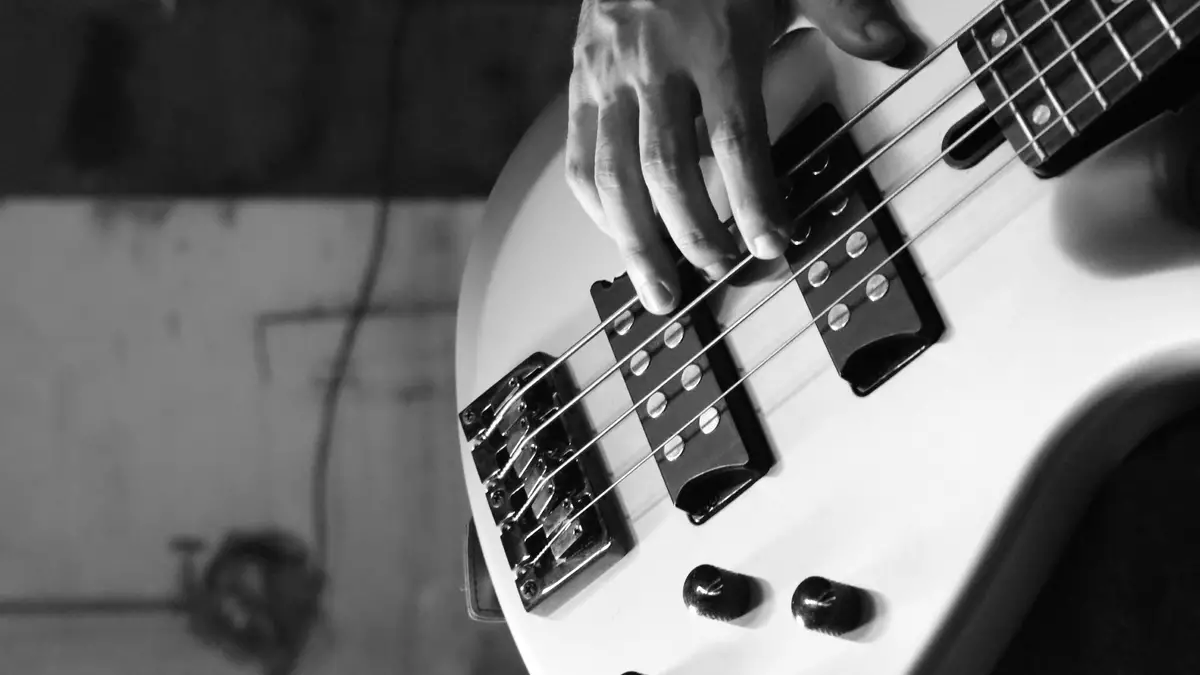
Korn remain one of the defining names in late-1990s and early-2000s rock, a band that helped push nu metal from the US underground into the global mainstream and onto festival main stages. Their recent studio work such as Requiem, released in February 2022, shows how the Bakersfield five-piece continue to adapt their heavy, down-tuned sound to the streaming era without abandoning the tension and vulnerability that first made them stand out.
Chart history and streaming presence
From the beginning, Korn were a chart-visible act rather than a purely underground phenomenon, especially in the German-speaking markets where heavy US rock traditionally finds a large audience. Their early breakthrough album Follow the Leader, issued in 1998, marked the moment when the band moved from club-level exposure to mainstream recognition, with singles like Freak on a Leash and Got the Life receiving extensive rotation on music television and rock radio.
For listeners in Germany, Austria and Switzerland, the band’s catalog has remained a regular presence on playlists, even if individual albums move in and out of the spotlight as new releases arrive. This long-term visibility is helped by the band’s willingness to revisit their back catalog in live settings and to curate setlists that combine recognized hits with deeper album cuts, reinforcing the relevance of older records for younger streaming audiences.
The German fan base and regional resonance
Germany has historically been one of Korn’s strongest territories outside the United States, in part because the country’s festival culture offers a natural environment for their intense, rhythm-heavy sound. Large open-air events and indoor arenas in cities such as Berlin, Hamburg, Köln and München have regularly hosted the band, placing them alongside other heavyweights of alternative metal and rock.
Even when no specific current tour date is on the calendar, the band’s studio albums and live releases circulate heavily among German-based fans via platforms such as YouTube, Spotify and Apple Music, creating steady demand for their material. This sustained interest drives organic streaming, with classic tracks from the 1990s and 2000s often appearing on curated playlists that sit next to newer songs from Requiem and earlier 2010s releases.
All news and background on Korn
For deeper reporting and updates on Korn’s albums, tours and chart history, you can find more coverage on the AD HOC NEWS music desk and the band’s official channels.
Where Korn stand today
At present, Korn have no announced live date on the calendar, with the band’s activity centered on catalog listening, studio work and the residual impact of recent releases such as Requiem. Fans in Germany and beyond follow developments via official news posts, interviews and social media rather than immediate tour announcements.
The musical identity of Korn
Musically, Korn are often grouped under the nu metal label, but their sound stretches beyond narrow genre tags. The combination of seven-string guitars tuned down for a heavy, sludgy texture, Fieldy’s percussive bass approach and Jonathan Davis’s vocal style, which shifts from whispered melodies to anguished shouts, creates a distinct sonic fingerprint that is immediately recognizable.
On albums like Issues and Untouchables, the band explored dense, layered production that balanced aggressive riffs with atmospheric electronics. Later works such as See You on the Other Side and Untitled leaned more heavily into industrial and electronic influences, while their 2010s records resharpened the guitar-driven core that many long-time listeners associate with their most powerful material.
From Bakersfield to global stages
Korn formed in Bakersfield, California, in 1993, with the classic lineup of Jonathan Davis on vocals, James 'Munky' Shaffer and Brian 'Head' Welch on guitars, Reginald 'Fieldy' Arvizu on bass and David Silveria on drums. Their self-titled debut album Korn, released in 1994, introduced a sound that was markedly different from the prevailing grunge and alternative rock of the time.
Instead of following the Seattle template, the band fused hip-hop rhythms, downtuned guitars and deeply personal lyrical themes, addressing trauma, isolation and anxiety. This approach resonated strongly with listeners who felt unrepresented by more traditional hard rock, especially teenagers and young adults in the mid-1990s, and quickly built a dedicated fan base.
The breakthrough years and live reputation
By the time Follow the Leader arrived in 1998 and Issues followed in 1999, Korn were a fixture on major tours and festivals, commanding headline slots and bringing their intense, cathartic live shows to arenas. Their tours often featured genre peers such as Deftones and Limp Bizkit, helping cement the broader nu metal scene in public consciousness.
In Europe, and particularly in Germany, this period coincided with the growth of multi-day rock and metal festivals, where Korn’s dynamic stage presence and recognizable songs made them reliable draws. The visual aesthetic of their shows, which frequently included striking lighting design and symbolic stage props, further distinguished them from more traditional metal acts.
Evolution of sound through the 2000s
As trends shifted in the 2000s, Korn did not simply repeat the formulas of their earliest successes. Albums such as Take a Look in the Mirror and See You on the Other Side revisited and reworked elements from their initial sound, often incorporating more electronic textures, different vocal treatments and rhythmic experimentation.
Lineup changes also affected their sonic trajectory. Brian 'Head' Welch’s departure in 2005, followed by his eventual return in the 2010s, introduced distinct phases in the band’s guitar work, with some records leaning toward more industrial or experimental tones and others re-centering on the twin-guitar interplay that fans recognized from the classic era.
The role of Requiem in their catalog
Requiem occupies a particular position within Korn’s discography because it is a relatively concise album, running nine tracks and reflecting a modern understanding of attention spans and streaming behavior. Rather than issuing a lengthy record, the band concentrated the material into a focused set that can be experienced in a single, uninterrupted sitting without feeling overwhelming.
The production on Requiem balances clarity and heaviness, ensuring that the rhythm section remains prominent while allowing atmospheric details to emerge. This aligns with contemporary standards for heavy music engineering, where low-end impact and vocal definition must coexist for tracks to translate well across headphones, car systems and larger sound setups.
Songwriting themes and emotional resonance
Across their career, Korn have consistently dealt with themes of isolation, inner conflict and the difficulty of navigating personal relationships in the shadow of past trauma. Jonathan Davis’s lyrics often combine direct, confessional lines with more abstract imagery, inviting different layers of interpretation depending on the listener’s own experiences.
On newer material such as that collected on Requiem, these recurring motifs appear in updated forms, reflecting the perspective of musicians who have spent decades in the public eye. The tension between the band's established identity and their ongoing evolution creates a sense of continuity that helps longtime fans connect with new songs while offering accessible entry points for listeners discovering Korn for the first time.
Korn’s influence on younger bands
Korn’s impact on the broader rock and metal landscape extends beyond their own sales and streaming numbers, as many younger artists cite them as formative influences. Bands in genres ranging from metalcore to modern alternative rock often reference Korn’s rhythmic choices, vocal phrasings and willingness to incorporate non-traditional instruments and textures into heavy arrangements.
This influence is particularly visible in the way newer acts structure their songs, often alternating between heavy, syncopated verses and more melodic, expansive choruses. The tension-and-release dynamic, with riffs that feel almost percussive followed by soaring vocal lines, is a recognizable borrowing from the template Korn helped establish in the mid-1990s.
Visual aesthetics and stage presentation
Beyond sound, Korn place considerable emphasis on visual presentation. Jonathan Davis’s distinctive microphone stand, designed by Swiss artist H.R. Giger, became one of the most recognizable stage props in alternative metal, symbolizing both the band’s connection to darker art and their desire to give live shows a unique visual anchor.
Album artwork also forms part of their identity. Records such as Issues and Untitled feature cover images that hint at psychological themes and ambiguous narratives, inviting listeners to engage with the material beyond straightforward band photography. These visual decisions contribute to the overall perception of Korn as a group that builds a complete aesthetic environment around their music.
Recording approaches and production collaborators
Over the years, Korn have worked with a variety of producers and engineers to refine their sound. Early collaborations with producers experienced in metal and alternative rock ensured that the band’s unusual combination of elements could be captured in a way that translated to both stereo systems and live environments.
Later albums incorporated co-producers and mixers who were comfortable blending organic instrument tones with digital processing, allowing the band to experiment with new textures while maintaining the punch and clarity needed for modern rock releases. This willingness to adapt their recording approach without abandoning the core identity helped Korn maintain relevance across multiple industry cycles.
Band dynamics and individual roles
Jonathan Davis’s role as frontman extends beyond singing; his stage presence, emotional delivery and interaction with audiences are central to the band’s appeal. Meanwhile, Munky and Head shape the guitar landscape, using a mix of low-register riffs, dissonant chords and melodic figures to create tension.
Fieldy’s bass work, characterized by its percussive, clacking tone and rhythmic emphasis, acts almost like a bridge between the drums and guitars, reinforcing the groove while adding an additional layer of attack. The drummers who have played with Korn over the years contributed differing feels, from more straight-ahead rock patterns to complex, syncopated structures that match the band’s evolving sound.
Audience demographics and fan relationships
Korn’s audience has changed significantly since their debut, with original fans aging into their 30s, 40s and beyond, while new listeners arrive via streaming playlists and algorithmic recommendations. Despite these shifts, the band retains a strong connection to live audiences, with long-time supporters often bringing younger family members to shows when tours are active.
This multi-generational fan base is particularly visible in European markets. German-based fans, including many expatriates from other countries, appreciate the band’s mix of aggression and emotional vulnerability, which differentiates them from more straightforward hard rock acts. This emotional openness has helped Korn maintain loyalty even in periods between major releases or tours.
Legacy in the context of metal and rock history
In the broader narrative of rock and metal history, Korn are often placed alongside acts like Deftones and Slipknot as key figures in reshaping heavy music for the post-grunge era. While nu metal as a label has sometimes carried critical baggage, the band’s influence on rhythm, tone and lyrical approach is undeniable.
Critics and fans alike now reassess the late-1990s and early-2000s period with more nuance, recognizing that many of the era’s bands pushed boundaries in ways that later genres would absorb and develop. Korn’s continued presence, coupled with the strength of albums like Requiem, supports this reevaluation and underscores the band’s lasting significance.
Where the act stands
Against this backdrop, Korn currently have no announced live date at present, with activity focused on maintaining their catalog, preparing potential future projects and communicating with fans through media and digital platforms.
Korn at a glance
- Act: Korn
- Genre: Nu metal / alternative metal
- Origin: Bakersfield, California, United States
- Active since: 1993
- Lineup: Jonathan Davis (vocals), James 'Munky' Shaffer (guitar), Brian 'Head' Welch (guitar), Reginald 'Fieldy' Arvizu (bass), Ray Luzier (drums)
- Label: Various over time, including major-label affiliations
- Key works: Korn (1994), Follow the Leader (1998), Issues (1999), Untouchables (2002)
- Current album/single: Requiem, released February 2022
- Charts / certifications: Known for strong album chart performances in the late 1990s and early 2000s, particularly in rock and metal markets
- Next live date: no announced live date at present
Frequently asked questions about Korn
When did Korn release their debut album?
The band’s self-titled debut album Korn was released in 1994, introducing their downtuned guitars, hip-hop-influenced rhythms and emotionally intense vocals to a wider audience.
What style of music do Korn play?
Korn are primarily associated with nu metal, blending heavy, low-tuned guitars and aggressive rhythms with elements from hip-hop, industrial music and alternative rock, as well as personal lyrical themes.
Is Korn currently touring?
At the moment Korn have no officially announced live date, with their recent activity centered on studio releases such as Requiem and ongoing engagement with fans via digital platforms and media appearances.
Disclaimer: All information on Korn’s history, discography and current status is based on publicly known, general music knowledge and is provided for editorial purposes. For the most up-to-date details on releases, tours and announcements, readers should consult the band’s official channels and trusted music news outlets.


