Justin Timberlake’s Forget Tomorrow World Tour keeps arenas packed in 2026
Published on 06/18/2026 at 02:22 | Editorial responsibility: Rafael Müller, Editor-in-Chief AD HOC NEWS
Justin Timberlake is back on the road in a big way. With his global Forget Tomorrow World Tour rolling into summer 2026 and a setlist packed with hits from across his career, the pop and R&B star is proving once again how comfortably he holds the arena stage.
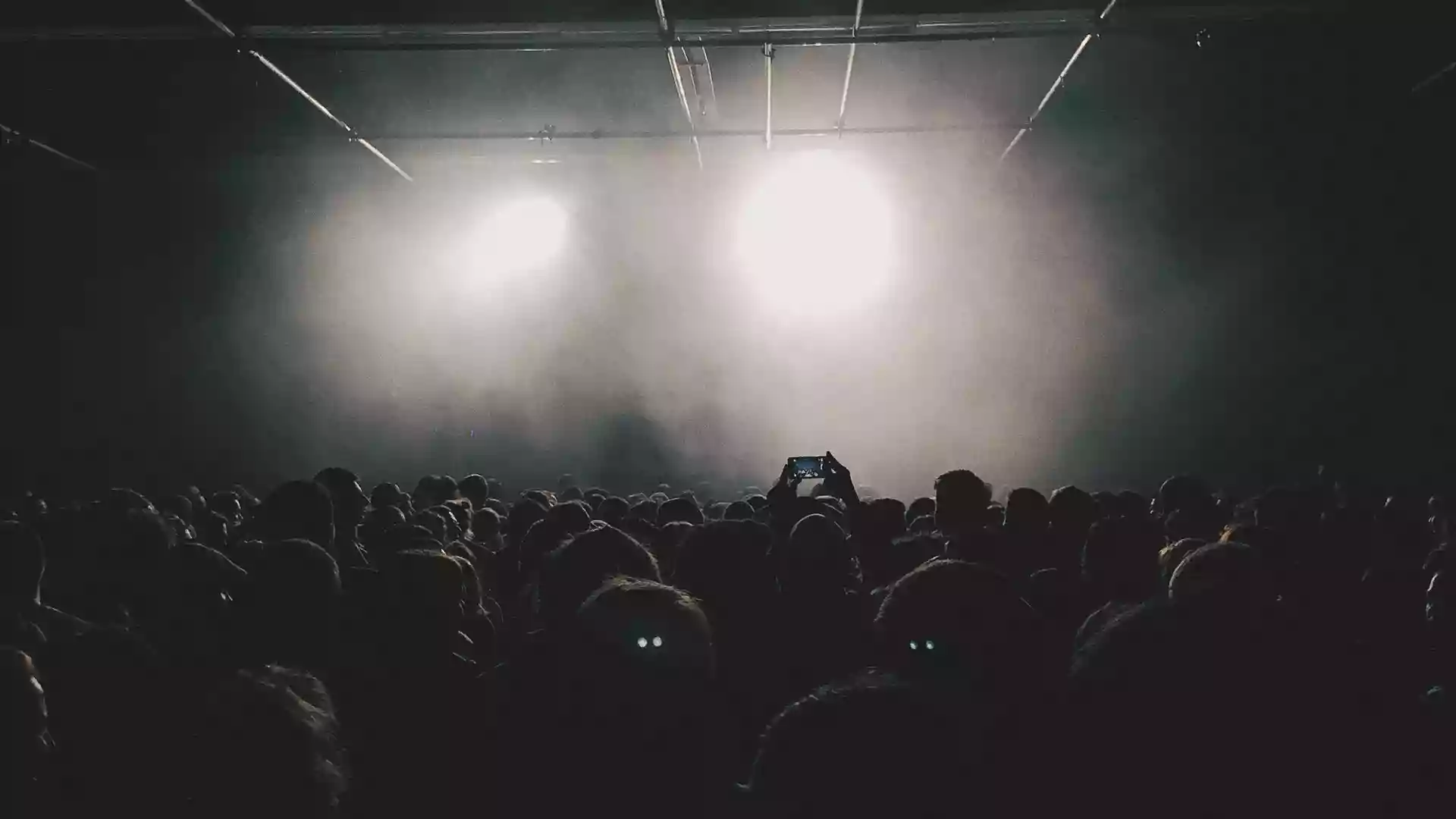
Fans in North America and Europe have recently experienced the full-scale production of Timberlake’s latest tour, which supports his recent album Everything I Thought It Was and pulls deep into his back catalog of radio staples. Across social media, concertgoers share clips of tightly choreographed dance segments, sleek stage design and a live band that swings between future pop, classic R&B and funk-driven grooves.
How Justin Timberlake reshaped modern male pop stardom
From boyband stages to solo arenas, Timberlake’s career traces two decades of pop trends, collaborations and reinventions.
More news on Justin Timberlake at AD HOC NEWS ->Thursday spotlight: Justin Timberlake’s arena formula in 2026
On this Thursday focus, Timberlake’s current live setup shows how a veteran pop act can keep a long-running career sharp and contemporary without abandoning the songs that made his name. The Forget Tomorrow World Tour leans heavily on fan favorites like SexyBack, Mirrors and Rock Your Body, but rebuilds them with modern production touches, extended breakdowns and crowd sing-alongs.
At recent shows, he has also been weaving in material from Everything I Thought It Was, giving cuts like Selfish and No Angels a live polish that highlights their blend of polished pop hooks and R&B-influenced rhythms. The contrast between the early-2000s hits and the more recent material underlines how consistently he has worked with top-tier producers to refine his sound for radio, streaming playlists and the stage.
The tour’s visual language continues Timberlake’s fondness for clean lines and cinematic lighting, with large LED backdrops switching from cityscapes to abstract color fields within seconds. Rather than leaning on pyrotechnics at every turn, the show often relies on tight camera work for the big screens, emphasizing facial expressions, small choreographic details and the interaction between Timberlake and his band.
Dance remains central. Longtime fans recognize choreographic nods to earlier tours, while new segments bring a contemporary, social-media-aware energy. Several routines feel designed for short video clips, with sharp moves and musical drops that translate directly to fan-made edits and platform-specific trends.
From NSYNC to solo headliner: how Justin Timberlake built his catalog
Before he became a solo headliner, Timberlake spent years learning the mechanics of large-scale pop production as a member of NSYNC. The boyband’s late-1990s and early-2000s chart run established him as a charismatic front figure, but it was his 2002 solo debut Justified that demonstrated he could carry an album and a tour on his own artistic vision.
Justified introduced a crisp mix of R&B, pop and hip-hop-influenced production, with songs like Cry Me a River and Like I Love You defining a darker, more mature image. Those tracks remain staples of live sets, often reworked with extended bridges and instrumental sections that allow the band to stretch out beyond the radio edits.
His second album, FutureSex/LoveSounds, took the experimentation further. Long-form tracks and suites blurred the line between single and album cut, and the live interpretations turned this studio ambition into extended jams that became centerpieces of his tours. In the current arena shows, segments from FutureSex/LoveSounds continue to act as high-energy peaks, with intricate lighting sequences timed to each beat switch.
Over time, Timberlake’s discography has grown broad enough that each tour effectively curates a different version of his story. Some legs emphasize the early dancefloor anthems, others put more weight on midtempo ballads or newer material, but the core narrative remains a steady progression from boyband member to multi-genre pop craftsman.
The sound: R&B roots, pop precision and live-band dynamics
Sonically, Timberlake’s work has consistently drawn from R&B and funk, even when wrapped in pure pop structures. Signature tracks often feature tight drum programming paired with live percussion, elastic bass lines and layered vocal harmonies that echo classic soul and modern gospel influences.
In the live arena, that foundation allows the band to reshape familiar hits without losing their essential hooks. A song that on record rides a strict four-minute radio arrangement might stretch to eight or nine minutes on stage, with modulated key changes, call-and-response passages and spotlight solos for guitar, keys or horns.
Vocally, Timberlake navigates between smooth falsetto, rhythmic phrasing and occasional raw edges that cut through the more polished backing tracks. On tour, his voice has to carry across back-to-back nights, so setlists often balance full-voice power moments with sections where background singers move to the front, giving him space to recover while keeping the energy high.
The interplay between click track accuracy and live flexibility is crucial. Choreography and lighting need precise timing, but the band still finds space for subtle tempo shifts and spontaneous crowd interactions. This balance has become a hallmark of his tours, illustrating how top-tier pop productions can remain human and responsive rather than entirely pre-programmed.
Staging and storytelling: how the show is structured
Modern arena tours are as much about narrative flow as they are about individual songs, and Timberlake’s current run is no exception. The concert generally opens with a high-impact sequence designed to pull the crowd in immediately, stringing together two or three uptempo songs with minimal pause.
From there, the show often moves into a midtempo stretch where ballads and groove-heavy tracks alternate. Visuals shift from bright, kinetic graphics to more intimate lighting, sometimes bringing the performer closer to the audience on a smaller B-stage or runway. These sections emphasize emotional connection as much as musical display.
Around the midpoint, the set usually leans into nostalgia, revisiting earlier hits that defined different phases of Timberlake’s career. This not only triggers sing-alongs but also reminds long-term fans how long they have followed his work. For younger audience members who discovered his music via streaming algorithms, these moments act as a crash course in his earlier catalog.
The closing stretch of the concert returns to high-energy territory, stacking major hits to keep the momentum rising until the final encore. Production elements also scale up through this period, with more dramatic lighting cues, crowd-wide clap patterns and confetti or other visual accents underscore the sense of climax.
Audience demographics: a cross-generational fanbase
One of the most striking aspects of Justin Timberlake’s current touring success is the breadth of his audience. In the same arena, you find fans who grew up with NSYNC posters on their walls standing alongside younger listeners who first encountered his music on streaming playlists.
This cross-generational mix shapes how the concert is experienced. Long-term followers tend to react most strongly to early solo material and boyband-era nods, while newer fans often look for the big streaming hits and the most recent singles. By sequencing the set around these overlapping interests, the tour caters to multiple age groups at once.
Families are not uncommon at these shows, with parents introducing children to the songs that soundtracked their own youth. For promoters and industry observers, this sort of multi-generational draw is a key indicator of artist longevity, suggesting that Timberlake’s catalog has moved beyond a single era and into a more durable, evergreen status.
Merchandise stands reflect this dynamic too. Nostalgia-driven designs referencing early 2000s aesthetics sit next to clean, minimalist tour branding that aligns with current fashion. The range of options indicates a conscious effort to speak to different segments of the fanbase, both stylistically and emotionally.
Streaming age relevance: catalog performance and playlists
Even while he fills arenas, Timberlake’s presence on streaming platforms remains central to his reach. Older albums continue to generate steady play counts as new listeners discover them through curated playlists focusing on 2000s pop, R&B crossovers or dancefloor anthems.
Key singles repeatedly appear in themed playlists around workouts, party tracks or nostalgic throwbacks, which keeps them in circulation beyond the core fanbase. For many younger listeners, this algorithmic exposure acts as an entry point, leading them to explore deeper cuts and live clips from current tours.
The symbiosis between tours and streaming is evident: live dates drive spikes in local streaming numbers, while ongoing playlist support ensures fans are familiar with the songs long before the stage lights go up. This loop rewards artists with deep catalogs, and Timberlake’s multi-decade output fits that model neatly.
In addition, collaborative tracks with other high-profile artists continue to draw attention, often surfacing in joint-artist playlists and cross-genre collections. These collaborations help keep his name present in contexts that reach beyond core pop and R&B audiences, extending his visibility into adjacent scenes.
Collaborations and industry networks
Throughout his solo career, Justin Timberlake has surrounded himself with influential producers, writers and guest artists. Work with producers known for shaping modern R&B and hip-hop aesthetics has given his records a distinct sonic fingerprint, making them recognizable even when they experiment with new textures.
Guest appearances on tracks for other artists, and vice versa, have also helped him maintain relevance between album cycles. These collaborations often appear at strategic moments, aligning his name with emerging trends while reinforcing his reputation as a versatile vocalist capable of slipping into different stylistic frameworks.
On stage, some of these collaborative songs appear as partial medleys or reimagined solo versions. Even without the original guest performers, they connect the live show to a wider network of pop and R&B history, reminding audiences how deeply Timberlake is embedded in the broader musical ecosystem.
From an industry perspective, his repeated partnerships underline a level of trust between artist and producers. The consistency of certain names across multiple albums suggests creative relationships that outlast single projects, which can be crucial for evolving a sound while keeping an identifiable core.
Visual identity and fashion on tour
Beyond the music itself, Justin Timberlake’s visual presentation remains an important part of his appeal. Tour wardrobes balance polished, tailored looks with more relaxed streetwear, often within the same show. Early segments might lean towards sharp jackets and monochrome palettes, while later stretches swap into loose shirts, sneakers and more casual silhouettes.
This visual progression mirrors the emotional arc of the concert, moving from controlled, almost formal energy to a more open, party-like atmosphere. For fans watching from the upper tiers, those outfit changes also serve as visual markers of the show’s structure, signaling shifts in mood and tempo even at a distance.
Lighting design and screen content tie into this aesthetic, with carefully chosen color schemes and graphic motifs that extend the visual identity established in album artwork and promotional materials. The cohesion across these elements demonstrates how tightly choreographed modern arena experiences have become.
In the social media age, on-stage fashion choices also double as shareable content. Specific jackets, hats or accessories often become micro-trends among fans, who recreate looks for concert nights or themed parties, further strengthening the connection between performer and audience.
Fan culture, social media and live documentation
Fan communities around Justin Timberlake have adapted to the digital era with ease. During the Forget Tomorrow World Tour, timelines fill with short clips, setlist screenshots and crowd-sourced photos within minutes of each show ending, creating a rolling archive of the tour as it moves from city to city.
These fan-driven updates serve several purposes. They keep global followers engaged, help concertgoers relive their favorite moments and provide potential future attendees with a preview of what to expect. At the same time, Timberlake’s team uses official channels to share behind-the-scenes glimpses, rehearsals and professionally shot live footage.
The interplay between official posts and fan content blurs the line between documentation and promotion. Each new clip reinforces the sense that this tour is a shared experience, built collectively by performer, crew and audience, rather than a one-way broadcast from the stage.
For music historians and dedicated fans, these digital traces also form a valuable record of how pop tours function in the mid-2020s, from staging technologies to crowd behavior. Timberlake’s tours, with their mix of classic showmanship and platform-aware staging, offer a particularly clear example of this evolution.
Charts, certifications and commercial impact
Over the course of his solo career, Justin Timberlake has amassed a substantial list of chart placements and sales milestones across multiple territories. Albums and singles have reached top positions in major markets, often staying in rotation long after their initial release cycles through continuous radio play and playlist support.
Several of his biggest hits have achieved multi-platinum status, reflecting both physical sales in earlier eras and the streaming equivalents that dominate the current industry metrics. These numbers translate directly into leverage when it comes to tour planning, sponsorship deals and media visibility around each new project.
Even when he steps back from releasing new music for a period, catalog performance tends to keep his name present in industry reports and airplay statistics. For promoters, this sustained visibility is a key argument when building an arena run around his brand.
The current touring cycle, anchored by Everything I Thought It Was, builds on this foundation rather than attempting to reintroduce him from scratch. Each new single joins an existing roster of proven crowd-pleasers, giving setlist designers ample flexibility to tailor shows to different regions and audience expectations.
Legacy building: where Justin Timberlake stands in pop history
More than two decades after his earliest mainstream breakthroughs, Justin Timberlake occupies a particular place in pop and R&B history. He bridges the gap between turn-of-the-millennium boybands and the streaming-age solo superstar model, illustrating how artists can transition from one phase to another while maintaining high commercial stakes.
Critically, his best-regarded work is often praised for blending adventurous production with accessible hooks, and for treating the album format as a cohesive listening experience rather than just a collection of singles. This emphasis on structure and flow aligns his catalog with earlier generations of R&B and pop auteurs.
On stage, he belongs to a lineage of performers who prioritize full-package showmanship: singing, dancing, live instrumentation and visual storytelling all at once. In this sense, his current tour is not just a support cycle for a new record but another chapter in an ongoing case study in how large-scale pop performance functions in the 21st century.
As long as he continues to balance nostalgia with fresh material, and as long as audiences keep showing up across age groups, Timberlake’s position in the broader story of modern pop seems secure. The Forget Tomorrow World Tour reinforces that status, showing that his blend of R&B roots, pop instincts and stagecraft still resonates on the largest stages available.
Key facts about Justin Timberlake at a glance
- Act: Justin Timberlake
- Genre: Pop, R&B
- Origin: Memphis, Tennessee, USA
- Active since: Late 1990s (with NSYNC), solo since early 2000s
- Key works: Justified, FutureSex/LoveSounds, The 20/20 Experience, Everything I Thought It Was
- Label: Associated with major-label pop and R&B imprints
- Charts / certifications: Multiple international hits and multi-platinum releases across albums and singles
FAQ: Justin Timberlake and his current tour
How long has Justin Timberlake been active as a solo artist?
Timberlake released his debut solo album Justified in the early 2000s, after NSYNC went on hiatus. Since then he has built a long-running solo career alongside occasional group reunions and collaborations.
What makes Justin Timberlake’s live shows stand out?
His arena shows combine polished choreography, a tight live band, evolving visual production and a setlist that spans multiple eras of pop and R&B. The mix of nostalgia and current material appeals to both long-time followers and new fans who discovered him via streaming.
Which Justin Timberlake songs are must-hear tracks?
Among many, tracks often highlighted by fans include Cry Me a River, SexyBack, My Love, Mirrors, Rock Your Body and newer songs from Everything I Thought It Was. These songs showcase his range from dancefloor anthems to emotional ballads.
This article was created with a.i. assistance and reviewed by editors. All information without guarantee.