
Imagine Dragons extend Loom World Tour with fresh summer arena dates
Published on 06/17/2026 at 00:07 | Editorial responsibility: Rafael Müller, Editor-in-Chief AD HOC NEWS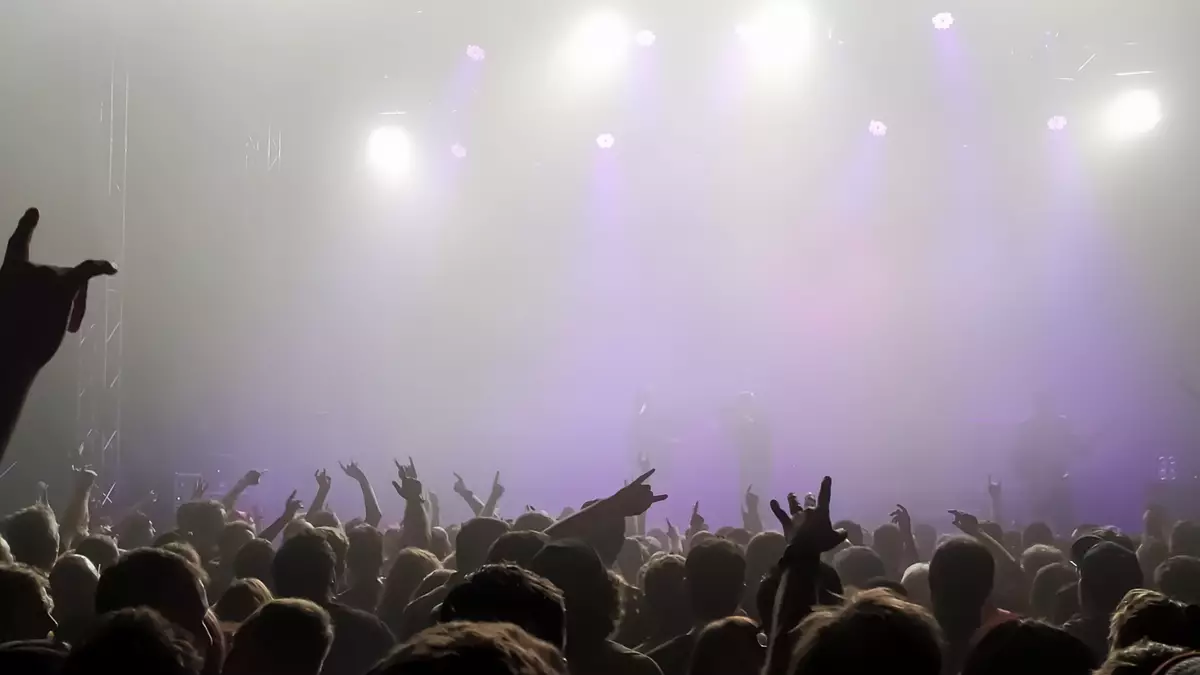
Imagine Dragons keep their global momentum high: the rock?pop giants are extending their Loom World Tour into the summer with newly announced arena shows, giving fans another chance to hear their latest album Loom live alongside multi?platinum hits from the past decade.
With Loom, their first studio album since Mercury - Act 2, Imagine Dragons underline their status as one of the most streamed rock?pop acts on the planet, and the extended tour brings the new material to even more cities while keeping fan favorites like Radioactive, Believer and Thunder at the core of the show.
Background reports and chart checks on Imagine Dragons
Use the AD HOC NEWS search for more analyses, interviews and news on Imagine Dragons and related rock and pop acts.
More news on Imagine Dragons at AD HOC NEWS ->Wednesday focus: How Loom reshapes the Imagine Dragons live experience
On a Wednesday night, Imagine Dragons shows often turn into midweek catharsis, and the current Loom phase intensifies that feeling. The new songs arrive with a tighter sound design, more groove?driven beats and a noticeable focus on dynamics, which play out even more clearly under arena lights and massive LED walls.
Compared to the early days around Night Visions, where guitars and folk?tinged percussion defined the core sound, the Loom era highlights a sleek mix of synth textures, trap?leaning drums and stadium?ready choruses. Live, this translates into sharp contrasts: whispered verses flow into explosive drops, while frontman Dan Reynolds moves constantly between piano, catwalk and drum risers.
The band uses these contrasts to structure the set so that older hits and Loom tracks interlock rather than compete. A heavy anthem might be followed by a mid?tempo new song, which then opens the door for a fan favorite from the Evolve or Smoke + Mirrors period. Fans report that the current shows feel like a curated journey through a decade of radio dominance with a clear new center.
This balance between familiarity and freshness is crucial for a group that regularly fills arenas and festival main stages. The audience wants the viral hits but also expects a narrative that justifies yet another tour. Loom provides that narrative, with lyrics that lean into resilience, doubt and personal transformation while still offering the sing?along hooks that work from the front row to the upper tiers.
From a production standpoint, the new tour adds more synchronized lighting cues, multi?layered video collages and a strong color concept that mirrors the album artwork. Where earlier tours occasionally switched between aesthetics, the Loom setup feels more unified, creating visual arcs that parallel the musical chapters of the show and anchor the audience in the album universe.
Sound engineers on social media highlight the band’s preference for powerful yet relatively dry mixes in 2026, giving drums and vocals dominance in the PA while keeping effects under control. This makes newer songs punch harder, particularly in mid?sized arenas where reverberation can eat up detail if the mix leans too heavily on ambient reverb tails.
For longtime followers, this phase also marks a clear step away from the alternative?rock framing of the early 2010s toward a contemporary pop?rock identity that coexists easily with hip?hop and EDM on playlists. That shift has been unfolding for years, but Loom and its tour give it a coherent aesthetic and a clearly defined live script.
From Night Visions to Loom: a decade of Imagine Dragons evolution
Imagine Dragons emerged from Las Vegas in the early 2010s and quickly positioned themselves as a bridge between alternative rock and mainstream pop radio. Their breakthrough album Night Visions introduced a sound that fused pounding drums, anthemic refrains and electronic flourishes, setting a template countless acts would later emulate.
With Smoke + Mirrors, the band leaned further into experimental textures while preserving their sense for massive choruses. The album era saw them cement their status as a touring force, with shows that already pushed beyond standard rock staging into something closer to a pop spectacle, including elaborate light rigs and multi?instrumental set pieces.
The Evolve cycle marked a pivotal shift toward brighter pop colors and heavier use of synthetic drums, while the lyrics continued to revolve around inner conflict, self?doubt and the search for purpose. Songs like Believer and Thunder dominated charts and soundtracks, turning the band into a near?permanent presence in global streaming rankings and sports broadcasts.
Later, the two?part project Mercury expanded their thematic range to grief, vulnerability and healing. Across Mercury - Act 1 and Mercury - Act 2, Imagine Dragons balanced rawer storytelling with their polished production, suggesting that the group was willing to risk darker tones even at the peak of mainstream visibility.
Loom picks up threads from all these phases but refines them into a concentrated package. The album keeps the big?room hooks while streamlining arrangements and allowing more negative space, which gives individual lines and melodic motifs greater impact. In that sense, it reads as both a distillation and an update of their signature sound.
Critics often debate whether the band belongs primarily to rock, pop or a hybrid commercial category that transcends genre tags. The evolution from Night Visions to Loom shows that Imagine Dragons themselves seem interested less in purity than in reach: their catalog uses any stylistic device that can serve emotional directness and crowd energy.
This open?ended approach has made them a staple of film trailers, series syncs and advertising campaigns. Their songs frequently appear in blockbuster marketing, gaming highlights and sports montages, situations where an immediate, rhythmically driven build?up matters more than strict adherence to alternative rock codes.
The career arc from club stages to headlining stadiums and arenas also reflects a broader shift in rock?related pop toward multi?platform storytelling. Imagine Dragons not only release albums but also design eras with visual identities, social media narratives and stage designs that reinforce each other and extend the life of each cycle beyond a standard touring schedule.
With Loom, that strategy continues in a media environment increasingly dominated by short?form video and algorithmic playlists. The band’s ability to generate instantly recognizable hooks, paired with visuals that cut well into clips, helps keep new material in circulation while older songs continue to rack up streams across platforms.
Setlists, staging and fan response on the Loom World Tour
The current leg of the Loom World Tour illustrates how carefully Imagine Dragons structure their live shows around different fan segments. Casual listeners get a steady stream of radio staples, while dedicated followers hear deeper cuts and new songs that hint at where the band might head next musically.
A typical night opens with a high?energy track that immediately gets the crowd singing, followed by a run of hits that span several album eras. Mid?set, the band often strips things down for an acoustic or semi?acoustic segment, putting Dan Reynolds’s voice at the center and highlighting the melodic core of songs that sometimes sound larger?than?life on record.
The production uses multiple risers and runways to minimize distance between band and audience, a recurring priority for the group. At key moments, confetti cannons, pyro and coordinated wristband lights underline climactic choruses, yet there are also quiet passages where the lighting drops to near darkness and the arena feels surprisingly intimate for such a large?scale show.
Fan reactions on social media regularly emphasize the emotional roller coaster of the sets. Commenters describe the experience as a journey from introspective ballads to cathartic release, with Loom songs fitting seamlessly beside older classics instead of feeling like obligatory new?album placements.
Visually, the stage design for this tour uses layered LED screens that can either function as a single massive backdrop or split into columns and shapes, depending on the song. Abstract animations, glitch effects and silhouette shots mirror the album’s interplay between tension and release, supporting the music without overshadowing the performers.
The band’s rhythm section plays a key role in translating the studio sound to the stage. Live drums are augmented by triggered samples and electronic percussion, giving tracks the punch they need to cut through huge speaker arrays while still maintaining a human feel. Bass lines sit high in the mix, anchoring the groove and giving dance?oriented fans something solid to move to.
Vocally, Dan Reynolds continues to alternate between power?belt choruses and quieter passages where a slightly raspy tone adds vulnerability. Backing vocals from the other band members, supplemented by occasional pre?recorded layers, help reproduce the stacked harmonies that characterize many Imagine Dragons choruses on record.
Lighting designers on this tour favor bold color blocks and sharp transitions over subtle gradients. That choice matches the binary emotional language of many songs: verses dwell in doubt and reflection, while choruses burst into defiant affirmation. The lighting cues amplify these shifts, turning each song into a mini?story with clearly defined chapters.
Merchandise stands underline how the Loom aesthetic has already become part of the band’s visual canon. Fans buy shirts, hoodies and posters featuring the album iconography alongside retro?style designs that reference past eras, effectively treating the current tour as both a celebration of the new album and a retrospective of the group’s evolution so far.
Streaming dominance and chart performance of Imagine Dragons
On the streaming front, Imagine Dragons remain one of the defining rock?pop acts of the 2010s and 2020s. Multiple tracks have long passed the billion?stream mark across platforms, and the band regularly appears on lists of the most streamed groups of all time, underlining their enduring commercial pull.
Early singles like Radioactive and Demons laid the foundation for this dominance, but later hits have kept the curve rising rather than flattening. Songs from Evolve and Origins in particular have proven to be slow?burn streaming successes, accumulating huge numbers over long periods rather than relying solely on short chart bursts.
Albums such as Night Visions and Evolve have earned multi?platinum certifications in several major markets, reflecting strong physical and digital sales in addition to streaming metrics. These certifications underline that Imagine Dragons function not just as a singles act but also as an album band with listeners who engage with complete bodies of work.
Loom enters this discography at a moment when catalog listening plays a crucial role in artists’ careers. The album benefits from the band’s strong playlist presence, with new tracks often appearing on both rock?oriented and mainstream pop playlists, broadening their reach across different listener demographics.
The group’s songs are fixtures on gym playlists, study mixes and focus compilations, a result of their blend of propulsive rhythms and emotionally direct lyrics. This versatility means that a single track can serve as workout fuel, background music or the centerpiece of a personal playlist, depending on context.
On video platforms, official music videos and live clips rack up hundreds of millions of views, while fan?generated content adds another layer of visibility. Concert snippets, cover versions and dance routines to Imagine Dragons tracks circulate widely, particularly on short?form video apps where high?impact choruses work well in 15? to 30?second segments.
For labels and industry observers, the band represents a model for how rock?adjacent music can thrive in a streaming ecosystem dominated by pop, hip?hop and global genres. Consistent release cycles, strong visual storytelling and a reliable live show all feed into an ecosystem that keeps both new and old tracks active years after their initial release.
The continued chart presence of Imagine Dragons also reflects their cross?generational appeal. Younger listeners often discover them through streaming algorithms and social media, while older fans may have followed the group since their early radio breakthrough. This broad base makes the band less dependent on a single demographic wave or short?term trend.
Imagine Dragons and their role in modern rock and pop culture
Beyond charts and tours, Imagine Dragons have become a reference point in debates about the state of rock and pop. Supporters highlight their ability to keep guitar?driven music in mainstream rotation, while critics argue that their polished, hybrid sound diverges too far from traditional rock aesthetics. This tension itself shows how central they have become to the conversation.
The band’s presence in film, television and gaming culture reinforces this status. Their songs accompany high?stakes scenes, game trailers and sports highlight reels, environments where an immediate emotional payoff is crucial. As a result, many listeners first encounter Imagine Dragons not through album campaigns but through multimedia contexts that frame the music as a soundtrack to intense experiences.
The group has also participated in charity events and awareness campaigns over the years, aligning their public image with social engagement without turning it into a primary branding tool. For many fans, this balance supports a perception of authenticity even within a highly commercial pop landscape.
From a sonic perspective, Imagine Dragons contribute to a broader trend toward hybrid genres where rock instrumentation, pop structures and electronic production coexist. Younger artists cite them as an influence for proving that hard?hitting drums and guitars can function within contemporary pop formats rather than operating purely in niche rock scenes.
The band’s impact on live production is also noticeable. Their insistence on combining big?budget visuals with emotionally transparent performances has helped normalize a style of arena show where storytelling and spectacle share equal importance. Many newer acts structure their tours with similar arcs: introspective openings, high?energy peaks, stripped?down mid?sections and cathartic finales.
In fan communities, Imagine Dragons inspire extensive artwork, fan fiction and detailed analysis of lyrics and visual motifs. Online discussions dissect how recurring themes like struggle, resilience and self?acceptance evolve from album to album, suggesting that the band’s work resonates deeply beyond surface?level hooks.
The Loom era adds another chapter to this narrative, presenting a more streamlined version of their sound that still leaves room for stylistic experimentation. As the tour progresses, setlists and fan reactions will continue to show which new songs join the permanent canon of Imagine Dragons classics.
Key facts about Imagine Dragons and Loom
- Act: Imagine Dragons
- Genre: Pop?rock, alternative rock
- Origin: Las Vegas, Nevada, USA
- Active since: Late 2000s
- Key works: Night Visions, Smoke + Mirrors, Evolve, Origins, Mercury, Loom
- Label: Released through major?label structures in partnership with the band
- Charts / certifications: Multiple multi?platinum albums and singles, billions of streams across platforms
FAQ: Imagine Dragons, Loom and the current tour
How does the Loom era change the Imagine Dragons sound?
The Loom era sharpens the band’s mix of rock and pop by streamlining arrangements and emphasizing dynamic contrasts. Songs leave more space around vocals and drums, creating higher impact when choruses hit and making the material particularly effective in large arenas and on streaming playlists.
Where does Imagine Dragons sit between rock and pop in 2026?
Imagine Dragons operate at the intersection of pop?rock, alternative rock and contemporary mainstream pop. Their use of electronic production, big choruses and emotionally direct lyrics appeals to pop audiences, while live drums, guitars and stadium?scale energy keep a strong connection to rock traditions.
Why do Imagine Dragons remain so popular on streaming platforms?
The band’s songs combine instantly recognizable hooks with rhythms that work in many everyday situations, from workouts to studying. A steady flow of new material, strong visual storytelling and an established catalog of hits keep both recent releases and older tracks active in algorithms and playlists.
This article was created with a.i. assistance and reviewed by editors. All information without guarantee.


