
Imagine Dragons celebrate 10 years of Night Visions with hits, charts and live power
Published on 06/18/2026 at 00:31 | Editorial responsibility: Rafael Müller, Editor-in-Chief AD HOC NEWS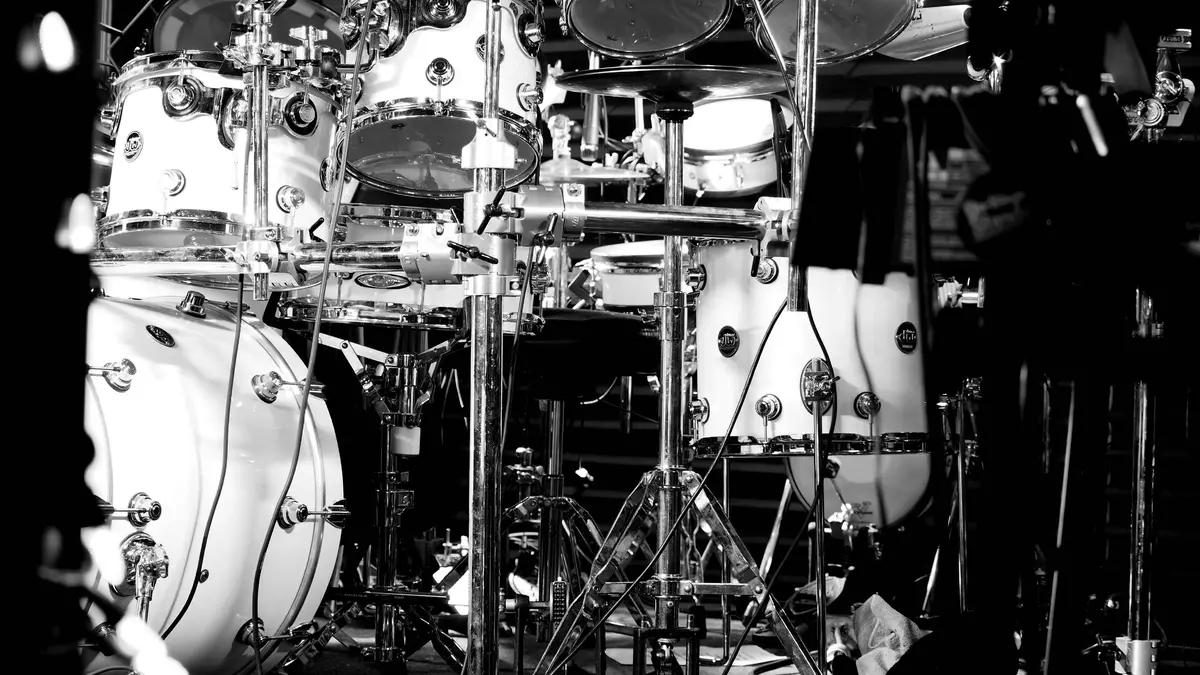
Imagine Dragons have grown from a hard-touring Las Vegas indie outfit into one of the most streamed rock-pop bands on the planet. With multi-platinum singles, record-breaking chart runs and high-energy live shows, the quartet around singer Dan Reynolds continue to shape the sound of mainstream rock for a global audience.
When fans talk about Imagine Dragons, they usually think first of explosive choruses, heavy drums and massive hooks. Tracks like Radioactive, Demons or Believer still dominate playlists and radio rotations years after their release, helping to keep the band at the top of festival wish lists and streaming rankings.
Background, hits and chart facts on Imagine Dragons
Discover more articles, chart checks and background reports on Imagine Dragons in the AD HOC NEWS archive.
More news on Imagine Dragons at AD HOC NEWS ->Thursday spotlight: How Imagine Dragons took rock into the streaming age
The story of Imagine Dragons begins in Las Vegas, where Dan Reynolds started the band in the late 2000s with a rotating line-up before guitarist Wayne Sermon, bassist Ben McKee and drummer Daniel Platzman joined. From the beginning, the group relied on a hybrid sound combining rock guitars, electronic elements and pop-ready melodies that could fill arenas.
Early EPs built a regional buzz, but the real breakthrough came with the debut album Night Visions. Released internationally in 2012 and 2013 depending on territory, the record slowly built momentum through word of mouth, radio play and sync placements in film, TV and advertising. By the mid-2010s, Imagine Dragons had become a mainstay of global charts and festival line-ups.
Night Visions captured a moment when rock needed new ideas to survive in a streaming landscape dominated by pop, hip-hop and EDM. Imagine Dragons responded with songs that were heavy enough for rock listeners, but produced with the impact and clarity of contemporary pop. This made tracks like Radioactive particularly attractive for sports highlights, trailer edits and video games.
In the studio, the band embraced big drums, choir-like vocal layers and modern sound design. Live, they translated that approach into high-energy shows with massive percussion setups, LED screens and audience sing-alongs. This combination of studio polish and live intensity continues to be a key part of their appeal.
A milestone came when Radioactive spent a record-breaking span on the US singles charts. The track, with its dark verses, pounding pre-chorus and explosive hook, became one of the defining rock crossovers of the 2010s. Its success opened doors for Imagine Dragons to experiment further with genre boundaries on later releases.
The band followed Night Visions with a run of albums that extended their sound in different directions while keeping the core dynamic of booming drums, chant-like refrains and emotional lyrics. Smoke + Mirrors, Evolve, Origins and the double project Mercury - Act 1 and Mercury - Act 2 each added new stylistic colors, from electronic textures to more stripped-back arrangements.
Hits such as Believer, Thunder, Whatever It Takes and Enemy underscored the band’s knack for sing-along choruses that work equally well in club sound systems, gym playlists and sports arenas. These songs also cemented Imagine Dragons as one of the first rock bands to fully exploit the logic of the playlist age.
Instead of relying only on album cycles, Imagine Dragons learned to keep a constant presence through singles, collaborations and soundtrack contributions. Each new release is carefully positioned with streaming platforms, radio and sync partners to extend the band’s reach beyond the core rock audience.
Because of that strategy, the group now sits alongside pop, rap and EDM heavyweights on many of the largest global playlists. For younger listeners discovering music primarily on streaming services rather than via rock radio, Imagine Dragons often serve as an entry point into guitar-based sounds.
At the same time, the band’s roots in alternative and indie rock remain audible. Guitar lines, organic drums and live performance energy prevent the songs from drifting fully into pure electronic pop. This balancing act keeps Imagine Dragons connected both to modern trends and the long history of rock bands filling arenas.
Beyond sound and charts, Imagine Dragons have gained attention for their involvement in charitable causes and social issues. Dan Reynolds in particular supports initiatives for LGBTQ+ youth and mental health, using the band’s platform to highlight organizations and events. These activities contribute to the group’s image as an act that takes its reach seriously.
The anniversary of Night Visions has sparked fresh interest in the early days of Imagine Dragons. Fans revisit classic tracks, while new listeners discover how the album laid the groundwork for the band’s later success. In interviews, the musicians often describe how surprised they were by the global resonance of those early songs.
From a music industry perspective, the band’s trajectory is a case study in how rock acts can adapt. The recipe combines strong live performance, clever use of digital platforms, strategic collaborations and a sound that bridges generations. Older rock fans hear echoes of stadium bands of the 80s and 90s, while younger audiences connect with the modern production and emotional directness.
Although styles have shifted repeatedly over the past decade, Imagine Dragons continue to deliver songs that work across formats. Their catalog is built for shuffle: independent singles coexist with album deep cuts, and playlists often mix different eras of the band without loss of coherence.
The group’s visual identity also plays a role. Album artwork, videos and stage design rely on symbolic imagery, cinematic colors and a sense of scale that fits the massive sound. This helps the band stand out in a crowded digital environment where attention spans are short and strong images are essential.
Another reason for the long-term appeal of Imagine Dragons is their focus on big, universal themes. Lyrics often circle around resilience, self-doubt, transformation and personal struggle. Combined with anthemic arrangements, these topics lend themselves to group singing experiences at concerts or in sports venues.
In this way, Imagine Dragons operate in a tradition of arena rock while updating the framework for a younger generation. Instead of guitar solos and blues references, the band uses drops, electronic textures and rhythmic hooks, but the emotional goal is similar: collective catharsis in front of a loud sound system.
For rock and pop observers, Imagine Dragons also highlight how genre labels are dissolving. Are they a rock band, a pop project, an alternative act or something in between? The answer depends on the listener’s perspective. The band seems comfortable in this ambiguity and uses it to connect with different scenes.
Their collaborations underline that openness. Working with pop, hip-hop or electronic artists, Imagine Dragons step outside the classic band format and show how their songwriting adapts to different contexts. These guest appearances and remixes keep the band in circulation between major album phases.
In the live context, a typical Imagine Dragons show is structured almost like a journey through the band’s history. Early tracks from Night Visions sit next to later hits, while quieter, introspective songs provide breathing space between the big bangers. Fans appreciate the balance between nostalgia and current material.
Stage production generally emphasizes movement and light. Dan Reynolds often uses the entire width of the stage, jumping between platforms and interacting with fans in the front rows. Additional percussion stations allow several band members to contribute to the thunderous drum sections that have become a trademark.
For many fans, these concerts are an entry into rock shows in general. Imagine Dragons offer a safe, inclusive atmosphere with a stylistic mix that appeals to a broad age range. Parents attend with teenagers, and festival audiences sing along to choruses they know from radio or streaming.
From a chart perspective, Imagine Dragons belong to the most successful rock-oriented groups of the streaming era. Their singles regularly appear in global top lists, and catalog tracks continue to collect hundreds of millions of plays. This long-tail success demonstrates how strongly the band’s songs have embedded themselves in everyday listening habits.
Radio also continues to support the band. In many markets, Imagine Dragons receive airplay on rock and pop stations, an unusual crossover that signals broad acceptance. The songs fit alongside both classic rock artists and contemporary pop stars, reinforcing the group’s bridge function between different audiences.
Because of this status, Imagine Dragons often appear in discussions about the future of rock. Some critics see them as proof that rock has become part of mainstream pop, while others argue they keep the idea of a guitar-based live band alive in a changing environment. Either way, their impact is undeniable.
The band themselves describe their songwriting process as a group effort shaped by individual experiences. Dan Reynolds often brings initial sketch ideas, which the band then develops together in the studio, experimenting with arrangements and textures until the song reaches maximum emotional and sonic impact.
Over the years, the group has also adjusted how they interact with fans. Social networks, behind-the-scenes clips and short-form video formats play a larger role in the communication strategy than in the early 2010s. Nevertheless, the emphasis remains on the music and the live experience.
In fan communities, debates frequently revolve around the different phases of the band. Some prefer the darker, more alternative sound of the early EPs and Night Visions, while others favor the bright, electronic-driven hits of Evolve and Origins. The coexistence of both camps shows how diverse the catalog has become.
Collectors and physical-format enthusiasts pay attention to special editions, vinyl pressings and limited box sets. Particularly the anniversary editions of key albums attract interest, as they often include bonus tracks, live recordings or artwork variants that document the band’s evolution visually and sonically.
Music journalists often underline how Imagine Dragons manage to translate complex emotions into simple, memorable lines and melodies. Songs rarely require deep prior knowledge to work; instead, they operate with images and feelings that many listeners can immediately understand, which increases their reach.
At the same time, deeper listening reveals recurring motifs and a consistent narrative of struggle, doubt and perseverance. This layer attracts fans who engage more intensively with the band’s lyrics and follow interviews, documentaries and long-form portraits as closely as the music itself.
The production side has also developed. Early recordings used a more organic sound, while later albums brought in more pronounced electronic elements, vocal effects and experimental structures. The group cooperates with experienced producers and engineers who move confidently between rock, pop and electronic music.
In terms of influence, younger artists often refer to Imagine Dragons as a gateway band. For many, tracks like Radioactive or Believer were among the first rock-leaning songs on their streaming playlists, in between hip-hop, EDM and mainstream pop. This gateway function has concrete effects on which instruments and sounds younger musicians reach for.
While trends shift quickly, Imagine Dragons have so far managed to adjust their sound without losing their core identity. Newer tracks often show a slightly more experimental structure or fresh rhythmic ideas, but the essential building blocks remain: strong hooks, dynamic builds and a sense of drama.
Because the band stay active across different channels, their songs constantly find new contexts. Sports leagues use them as soundtrack for highlight reels, TV shows pick them for emotional key scenes, and brands integrate them into campaigns that aim for power and uplift. Each of these placements brings the music to new listeners.
For fans, this omnipresence has ambivalent aspects. Some celebrate the fact that their favorite band is everywhere, others wish for more rare gems away from the mainstream. The band addresses this by also releasing tracks that are somewhat more experimental or introspective, broadening the catalog beyond pure hit singles.
On streaming platforms, the group benefits from the fact that listeners rarely differentiate sharply between genres. If a track feels powerful and emotional, it lands next to hip-hop, EDM or K-pop in playlists. Imagine Dragons have internalized this logic and produce songs that can live in many different environments.
Even in markets where English-language rock traditionally plays a smaller role, the band has built strong fan bases. Tours and festival appearances in Europe, Latin America and parts of Asia show that the sound travels well across cultural borders. Universal themes and accessible choruses help overcome language barriers.
The band’s visual presence on stage mirrors this global orientation. Rather than relying on local in-jokes or region-specific references, Imagine Dragons focus on imagery and gestures that work internationally: explosions of light, mass clapping, call-and-response parts and shared moments when the audience lights up arenas with smartphone flashlights.
Merchandise and visual branding tie into this approach. Logos, symbols and color schemes are designed to be instantly recognizable on T-shirts, posters and social media avatars. In a world where fans often first encounter a band through a short clip, such visual consistency is important.
Over more than a decade, Imagine Dragons have thus built a multi-layered ecosystem of music, imagery and live experiences. At its center lies the promise of emotional release, carried by larger-than-life choruses that invite listeners to sing along, whether alone with headphones or in the middle of a stadium crowd.
Even if opinions about their exact genre classification differ, the impact of Imagine Dragons on mainstream rock and pop is clear. They helped shape the sound of the 2010s and continue to be a benchmark for bands trying to bridge the gap between traditional rock instruments and modern streaming-driven pop production.
For observers of the rock landscape, the band offers a real-time example of how guitar-based music can remain relevant. The formula: openness to collaboration, sensitivity to digital platforms, high production values and a clear focus on songs that can reach millions without losing emotional specificity.
As long as Imagine Dragons keep delivering those kinds of songs and performances, their position in the rock and pop cosmos is secure. Whether in playlists, on festival posters or in stadiums, the band has established itself as a permanent feature of contemporary mainstream music.
Key albums and songs that define Imagine Dragons
To understand why Imagine Dragons resonate so strongly, it helps to look closely at the albums and songs that mark their journey. Each phase of their career introduced a slightly different sound, but certain building blocks recur: rhythmic drive, sing-along hooks and a mixture of light and dark moods.
The debut album Night Visions remains central to the band’s identity. With tracks like Radioactive, Demons, It’s Time and On Top of the World, it lays out the blueprint: anthemic choruses, dramatic builds and production that blends rock and electronic elements. The album’s long-term success shows how well this formula works.
Follow-up album Smoke + Mirrors took a slightly darker, more experimental route. While it still produced hits, it also revealed a band willing to push its sound and themes into more introspective territory. Listeners heard a group exploring how far it could expand its palette without losing its core strengths.
With Evolve, Imagine Dragons moved toward a brighter, hook-heavy direction. Singles such as Believer, Thunder and Whatever It Takes dominated radio and streaming, cementing the band’s status as a global hit machine. These tracks are built for big stages and sports arenas, with instantly recognizable choruses and rhythmic patterns.
The album Origins continued along this path, mixing radio-friendly tracks with slightly more experimental pieces. Across these releases, the band refined its control over dynamics, knowing exactly when to pull back and when to unleash full power. This sense of timing contributes significantly to the songs’ impact.
Later, the two-part project Mercury - Act 1 and Mercury - Act 2 showed a broader emotional spectrum. The band balanced vulnerable moments with explosive sections, stepping further into personal storytelling while still delivering the kind of refrains that fans expect. This combination of introspection and spectacle is a hallmark of their mature phase.
Looking over the catalog, several songs have become modern evergreens. Radioactive is often cited as a defining track of the 2010s, with its gritty verses and towering chorus. Believer served as a soundtrack for countless sports clips and motivational edits, while Thunder used an unusual vocal delivery to stand out on playlists.
Demons represents the quieter, more reflective side of the band. Its focus on inner conflict and vulnerability resonates with listeners who connect more with emotional storytelling than with bombast. Many fans mention this track when they talk about how Imagine Dragons helped them through difficult times.
Newer songs extend these themes, sometimes with more experimental arrangements or production techniques. Yet the basic ingredients rarely change: tension and release, rhythm and melody, intimate verses and choruses that feel built for arenas. This consistency under changing surface textures helps maintain a clear band identity.
For playlist curators and casual listeners alike, this makes Imagine Dragons an easy choice. Whether the mood calls for workout motivation, road-trip soundtracks or background music for studying, there is usually a track in the catalog that fits. That versatility is another reason why the band’s songs continue to accumulate streams year after year.
In summary, the discography of Imagine Dragons can be read as a continuous dialogue between rock tradition and pop innovation. Each album experiments with new colors, but the underlying architecture of big, emotionally direct songs remains intact. That is the through-line that ties the different phases together.
Band members and creative dynamics behind Imagine Dragons
Imagine Dragons function as a classic band with individual personalities and a shared vision. Frontman Dan Reynolds handles lead vocals and is often the public face of the group, but the sound would not exist in its current form without the contributions of guitarist Wayne Sermon, bassist Ben McKee and drummer Daniel Platzman.
Reynolds brings a distinctive timbre and range, shifting from intimate, almost whispered passages to powerful, raspy shouts that cut through dense arrangements. His performance often carries the emotional narrative of the songs, especially in live settings where he pushes his voice into the red for climactic moments.
Wayne Sermon crafts guitar parts that rarely dominate the mix in traditional rock fashion, but instead weave around synths and drum patterns. His playing emphasizes texture, hooks and atmosphere rather than extended solos, aligning the guitar with the modern pop-rock production approach.
Ben McKee acts as an anchor in the low end, connecting drums and harmonic elements. His bass lines often lock tightly with the kick drum to provide the necessary punch that makes the songs work in large rooms and big sound systems. In many tracks, subtle variations in the bass part drive the energy shifts.
Daniel Platzman’s drumming is central to the band’s sonic identity. Big tom patterns, tribal rhythms and complex layering of acoustic and electronic percussion define many of the group’s biggest hits. On stage, additional floor toms and percussion instruments reinforce that emphasis on rhythm.
In the studio, the band collaborates with producers and songwriters who understand the balance between rock band dynamics and contemporary pop structures. This allows Imagine Dragons to keep their music compatible with radio and streaming formats while maintaining a band feel.
Creative decisions are often made collectively, with demos being reshaped repeatedly until they reach a form that satisfies all members. This collaborative process contributes to the coherence of the catalog across different stylistic experiments and production phases.
Because the band has remained stable in its core line-up for many years, a deep musical chemistry has developed. Live improvisations, extended intros and outros or spontaneous transitions between songs benefit from this shared experience, giving concerts a unique character beyond the album versions.
At the same time, Imagine Dragons pay attention to staying flexible. Side projects, collaborations and time off between phases allow members to recharge creatively, which in turn flows back into the main band. This balance between continuous activity and deliberate pauses is important for longevity.
Fans often note how the personal dynamics between band members shine through in live interactions and interviews. Jokes, glances and spontaneous on-stage moments convey that Imagine Dragons is not just a project but a group of people who have spent many years navigating the highs and lows of a global career together.
Musically, this manifests as a certain fearlessness. The band is willing to integrate new influences, experiment with arrangements or adapt live versions of songs for specific tour phases. The underlying trust between members provides a framework for those experiments.
Imagine Dragons and their impact on rock, pop and streaming culture
Seen from a broader perspective, Imagine Dragons are one of the acts that redefined what rock can look like in the streaming era. Instead of relying primarily on album cycles and traditional rock radio, the group positioned itself early on within the logic of playlists, viral sync uses and diverse listening habits.
This approach has several consequences. First, the band focuses strongly on songs that work even outside the album context. Many tracks are designed to make an impression within the first seconds, with distinct rhythmic figures, striking vocal lines or unusual sound effects pulling listeners in before they skip.
Second, the band actively embraces collaborations and cross-media exposure. Appearances in film, series and games, as well as partnerships with brands and sports leagues, expand their reach and diversify income streams. At the same time, these placements ensure that the music continues to circulate outside conventional music channels.
Third, Imagine Dragons show how rock-influenced music can remain commercially viable without clinging to nostalgia. Rather than reproducing the sounds of past decades, the band integrates modern production aesthetics, from tight low-end to expansive reverbs and creative vocal processing.
For rock fans worried about the genre’s future, this provides a different perspective. It suggests that rock does not have to be a museum genre; instead, it can adapt to new technological and cultural conditions while preserving essential elements such as energy, instrumentation and live performance.
At the same time, the band’s success raises questions about what counts as rock today. Purists sometimes criticize the heavy use of electronic elements and pop structures, while others see precisely this hybrid form as the genre’s path forward. The discussions indicate how strongly Imagine Dragons occupy a crossroads in contemporary music.
On a practical level, the group influences how younger acts think about career planning. The combination of relentless touring in the early years, strategic use of streaming platforms and willingness to work with diverse partners provides a blueprint that many up-and-coming bands study.
Within fan culture, Imagine Dragons serve as a shared reference point across age groups. Parents who grew up with classic rock attend shows with their children, who discovered the band through playlists or social media. This intergenerational dimension is one reason why concerts remain vibrant even as trends change.
The band also plays a role in discussions about mental health and social responsibility in pop culture. Dan Reynolds’ openness about personal struggles and his involvement in charity projects have helped to destigmatize certain topics, even if the primary focus of Imagine Dragons remains the music.
In educational contexts, teachers and music educators sometimes use Imagine Dragons songs to introduce younger students to concepts of song structure, dynamics and arrangement. The clear builds, drops and refrains provide accessible examples for understanding modern popular music.
For the music industry, the band’s ongoing success confirms that investments in rock-oriented acts can still pay off if they are positioned smartly in the digital ecosystem. Imagine Dragons bridge the gap between festival headliner credibility and playlist dominance, a combination that not many bands currently achieve.
Fact box: key data on Imagine Dragons
Imagine Dragons at a glance
- Act: Imagine Dragons
- Genre: Alternative rock, pop rock, arena pop
- Origin: Las Vegas, Nevada, USA
- Active since: Late 2000s
- Key works: Night Visions, Smoke + Mirrors, Evolve, Origins, Mercury - Act 1, Mercury - Act 2
- Label: Major-label releases via a global music group
- Charts / certifications: Multiple multi-platinum singles and albums, long-term presence on international charts and in global streaming rankings
FAQ: Imagine Dragons for rock and pop fans
How did Imagine Dragons become one of the most streamed rock-pop bands?
The band combined relentless touring, a hybrid sound of rock and pop, and clever use of streaming platforms and sync placements. Big choruses and emotional themes helped their songs connect with a wide global audience.
Which Imagine Dragons songs should new listeners start with?
A good starting point is a mix of early and later hits: Radioactive, Demons, It’s Time, Believer, Thunder, Whatever It Takes and Enemy. Together they show the range from darker tones to bright arena anthems.
What makes Imagine Dragons stand out in modern rock and pop?
Their ability to merge rock instrumentation with contemporary pop and electronic production, while writing choruses that work on radio, in playlists and in stadiums. They also adapt well to the streaming landscape, keeping a constant presence through singles and collaborations.
This article was created with a.i. assistance and reviewed by editors. All information without guarantee.


