

Bruce Springsteen wraps 2026 European leg with marathon Dublin finale
Published on 06/16/2026 at 14:56 | Editorial responsibility: Rafael Müller, Editor-in-Chief AD HOC NEWS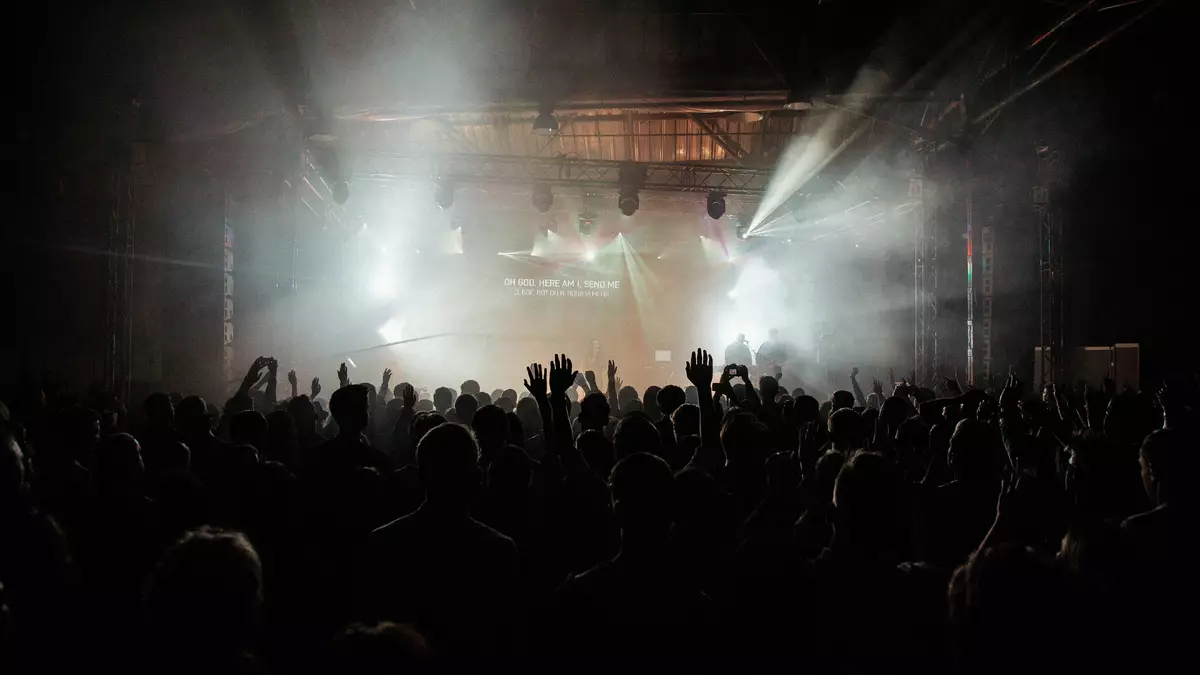
Bruce Springsteen has brought the 2026 European leg of his world tour to a thunderous close in Dublin, cementing once more why the rock icon remains one of the most reliable live forces in stadium rock. Across more than three hours on stage, the 74-year-old and the E Street Band mixed fan favorites, deep cuts and tributes into a set that felt like a career-spanning celebration.
Fans in Ireland experienced the Boss in full storyteller mode, turning stadium sing-alongs and intimate moments into one flowing narrative about rock, loss, resilience and community. The final European show of this leg underscored how tightly drilled the E Street Band remains after years back on the road.
Bruce Springsteen news, charts and tour updates in one view
Use the AD HOC NEWS search to follow Bruce Springsteen across tours, releases and chart stories whenever new developments break.
More news on Bruce Springsteen at AD HOC NEWS ->Tuesday night in Dublin: how Springsteen still turns stadiums into clubs
On this particular Tuesday, the mood in Dublin showed again that Bruce Springsteen’s shows differ from most large-scale rock events. Instead of relying solely on spectacle and pyrotechnics, he leans on the chemistry of the E Street Band and the lived-in weight of songs that fans have carried for decades. The result feels more like a giant neighborhood gathering than a distant star show.
Springsteen has long perfected the art of stretching songs into communal rituals. Call-and-response sections, extended intros and mid-song stories keep audiences fully engaged, even during long stretches without visual gimmicks. The Dublin crowd responded with word-for-word sing-alongs, waves of clapping and a level of focus more common at intimate club shows.
The pacing of the concert followed a structure that long-time observers know well. A tight burst of high-energy openers laid the groundwork, followed by a middle section that allowed for narrative storytelling and quieter pieces before Springsteen kicked into a rush of anthems for the finale. This kind of careful sequencing keeps the emotional arc intact across more than three hours.
What stands out is the bandleader’s physical commitment despite his age. Springsteen still runs the width of the stage, jumps from risers and leans far into the front rows to lock eyes with fans, guitar slung low. Even when his voice shows a bit of rasp from the relentless schedule, he turns it into expressive grit rather than a weakness.
Across this tour leg, the setlists balanced fan expectations and Springsteen’s own narrative priorities. He revisited core songs that define his reputation as a chronicler of working-class lives and small-town dreams, but he also used the stage time to highlight later work that reflects on aging, mortality and friendship. By placing these songs side by side, he invited listeners to hear his catalog as one evolving conversation.
The Dublin show also marked the end of a particularly intense European stretch that has seen Springsteen move through major cities and regional hubs alike. Instead of treating each stop as interchangeable, he regularly adapted his spoken introductions and local shout-outs to the history and mood of the host country, giving audiences small details that signaled attention and respect.
On a Tuesday, when many tours might face slightly quieter crowds than at weekend shows, Springsteen pushed as if it were a season finale. Reports from fans on the ground described the energy inside the stadium as closer to a Saturday night blow-out than a midweek gig, a testament to how the band approaches every date as a headline moment.
As with previous nights on this run, the encore segment in Dublin served as both a victory lap and a last chance to drain every bit of collective energy from the venue. Classic sing-along hits appeared in rapid succession, transforming the stadium into a vast choir where generations sang side by side, from long-time followers who saw Springsteen in the 1980s to younger fans catching the Boss live for the first time.
Visually, the production remained comparatively uncluttered by current stadium standards. The show relied on a strong but not overwhelming light design, clear live video and well-timed close-ups of solos and crowd reactions. This understated elegance fit Springsteen’s long-standing belief that the performance itself, not the stage machinery, should remain center stage.
Even in quieter songs, the hush that fell over parts of the audience revealed a level of attention that many artists struggle to command in large venues. When Springsteen stepped back from the microphone and allowed the crowd to carry refrains on their own, the effect proved how deeply these songs are woven into listeners’ lives.
The E Street Band machine: why the Boss still sounds so powerful
At the heart of every Bruce Springsteen show lies the E Street Band, whose members now bring decades of shared experience to each song. The interplay between guitars, keyboards, rhythm section and horns creates a living, breathing wall of sound that can shift from bar-band looseness to almost orchestral precision in the space of one bridge.
Veterans like Steven Van Zandt and Max Weinberg show their value not only through tight playing but also through instinctive decisions on dynamics and feel. A subtle drum accent, a slightly delayed guitar entrance or a background vocal push can turn a familiar chorus into something newly electrifying. Over the length of a tour leg, these micro-adjustments keep the material fresh for both the band and listeners.
The horn section has become a crucial element in Springsteen’s modern live sound. It adds color, punch and warmth to songs across different eras, from early rock and soul-inspired material to more recent tracks with cinematic arrangements. Solos often double as emotional spotlights, giving individual band members moments to stand in the center of the stadium’s attention.
Keyboard textures, often divided between piano, organ and synthesizer pads, glue the arrangements together. In uptempo songs, the piano can drive the groove like a second percussion instrument; in ballads, it cushions Springsteen’s vocals in soft harmony. The organ, meanwhile, lends a church-like depth that fits the quasi-revival atmosphere many fans associate with his shows.
Bass and drums anchor the evening with relentless consistency. The rhythm section holds steady through tempo changes, extended outros and sudden stops, allowing Springsteen to stretch, improvise and interact with the audience without worrying about losing the band. That level of trust only comes from long-term collaboration and constant rehearsal.
Backing vocals remain another decisive factor. Layered harmonies accent key phrases, reinforce hooks and sometimes answer Springsteen’s lead lines in call-and-response patterns. These details help stadium crowds latch onto melodies more easily, turning even lesser-known songs into opportunities for mass participation.
Throughout the European leg, the band has been rotating secondary songs and deep cuts depending on location, mood and Springsteen’s instincts. This flexibility prevents the show from feeling rigidly scripted. Dedicated fans who follow multiple concerts on the same tour leg often compare setlists and discuss how different song combinations change the emotional tone of the night.
Despite the long runtime, sound quality remains a priority. Careful mixing ensures that guitars bite without becoming shrill, vocals stay intelligible and drums retain punch without overwhelming other elements. This attention to detail supports the emotional narrative: listeners can hear not only the main tune but also the supporting lines that add shades of meaning.
Another strength is how the band navigates tempo. Powerful anthems gain extra force when they come after intimate, slower numbers. Springsteen and his musical director read the crowd and adjust momentum accordingly, sometimes holding a quiet moment longer than expected, other times cutting straight from a ballad into a blast of rock and roll to jolt the stadium back onto its feet.
Instrument changes help sustain variety on stage. Springsteen himself alternates between electric and acoustic guitars and occasionally sets the instrument aside to roam the stage with only a microphone in hand. Other band members shift between guitars, horns and keyboards, offering different tonal colors that keep even long-time classics from sounding static.
Crucially, the E Street Band’s current form embodies the idea of rock as a collective enterprise. Even with Springsteen clearly positioned as the focal point, visual cues, shared smiles and onstage banter communicate a sense of mutual respect and camaraderie. Fans recognize this chemistry and often highlight it as a reason why seeing the band live offers something that studio recordings cannot fully capture.
From Jersey shore to Dublin: Springsteen’s ongoing European bond
Bruce Springsteen’s connection to European audiences stretches back to the 1970s, when his high-energy shows first began to draw passionate followings outside North America. Over the decades, he has built a special rapport with fans across Ireland, the United Kingdom, Germany, Spain, Italy and the Nordic countries, turning each tour into a kind of rolling reunion.
Part of the bond comes from how his songs resonate with European listeners’ own histories of industrial change, migration and political turbulence. Themes of work, family, hope and disappointment travel easily across borders. When fans in Dublin or Berlin sing along to stories rooted in New Jersey or small-town America, the geographic details fade and the shared feelings take center stage.
Springsteen has repeatedly expressed appreciation for the intensity and loyalty of his European fan base. Many concertgoers travel significant distances and plan their holidays around tour itineraries, creating networks of followers who meet repeatedly in different cities. This sense of community turns individual shows into chapters of a longer shared journey.
At the same time, each country and city brings its own flavor. In Ireland, the mix of American heartland rock with local folk traditions feels particularly natural to many ears. Street musicians, pub sessions and long storytelling traditions form a cultural backdrop that meshes with Springsteen’s own emphasis on narrative songwriting and communal singing.
Over successive tours, Springsteen has also shown a willingness to adjust phrasing, introductions and occasional cover choices to acknowledge local histories. Whether through a brief spoken reflection on a country’s political past or a musical nod to familiar songs, these gestures contribute to the feeling that the Boss is not simply dropping the same show into every stadium.
European dates often produce extended setlists, sometimes running even longer than North American shows. Fans interpret this as a sign of affection and as proof that Springsteen thrives on the particular energy he encounters across the Atlantic. Long encores and last-minute song additions feed the legend of his marathon concerts.
Through media coverage, live recordings and fan-shared clips, the mythology of these tours spreads far beyond those who can attend in person. Younger listeners discovering Springsteen through streaming services frequently cite live videos from European shows as their entry point, highlighting how global the audience for his music has become.
This ongoing transatlantic relationship also shapes how critics discuss Springsteen’s legacy. Many point to the way he bridges American rock traditions and European audience sensibilities, treating his concerts as a form of cultural exchange where stories and experiences travel in both directions.
In cities like Dublin, where he has returned multiple times across his career, the cumulative effect is powerful. Each new visit builds on the emotional memory of previous tours. Fans compare setlists not only across nights but across decades, mapping how the Boss’s concerns have evolved alongside their own lives.
By closing the 2026 European leg in Dublin, Springsteen symbolically circled back to one of the cities that has consistently welcomed him with open arms. The finale did not feel like a farewell but like another milestone in a relationship that shows no sign of fading, even as artist and audience both grow older.
Setlist storytelling: how Springsteen structures a night
Although Springsteen’s setlists change from night to night, certain principles shape the experience. He tends to open with a burst of high-energy tracks to establish momentum quickly. These early songs function almost like a thesis statement, announcing that the night will combine physical release with narrative depth.
After this opening rush, he usually introduces pieces that expand the emotional palette, sometimes shifting into mid-tempo rockers or reflective songs about family, aging or loss. This middle section often includes spoken intros that frame the lyrics as fragments of a larger life story. For many fans, these storytelling interludes count among the most memorable moments of a concert.
Later in the main set, Springsteen ramps up toward a climactic sequence of anthems. Songs dealing with perseverance, solidarity and personal reinvention cluster together, turning the stadium into a communal space where strangers sing with one another as if they had known each other for years. These peaks generate the iconic images associated with Springsteen shows: arms raised, faces turned toward the stage, choruses echoing into the night.
The encore often functions as both celebration and farewell. Springsteen typically returns with at least one song that invites dancing and full-throated singing, followed by a gradual descent toward a more introspective close. In Dublin, he maintained this pattern, offering both joyous release and quieter reflection before finally waving goodbye to the crowd.
What makes this structure effective is how it respects the audience’s stamina. After lengthy bursts of high-energy performance, Springsteen deliberately places songs that allow both band and listeners to catch their breath without losing emotional tension. These carefully chosen valleys make the subsequent peaks feel even more powerful.
Song placement across a tour leg can also reflect external factors: weather conditions at outdoor venues, local curfews or the physical demands of travel. Yet Springsteen’s core goal remains constant: to send people home feeling that they have experienced a complete emotional journey rather than a mere string of disconnected hits.
For dedicated followers who attend multiple shows, part of the appeal lies in tracking which songs return regularly and which appear only sporadically. A deep cut that surfaces unexpectedly can become the highlight of a night for long-term fans, while newer listeners may experience it as a fresh discovery that encourages them to explore studio albums in more depth.
Even when performing long-established favorites, Springsteen often tweaks arrangements, tempos or vocal phrasing. These changes may be subtle, but they keep the songs alive and responsive to the present moment. A slower verse, a slightly rawer vocal tone or a guitar solo stretched by a few extra bars can shift the emotional color of a familiar track.
The result is that no two nights feel identical, even when many titles overlap. The context of the city, the particular crowd energy, the band’s mood and the precise order of songs interact to create unique combinations. The Dublin finale of this European leg now joins a long list of storied shows that fans will rank, debate and remember for years.
Behind the scenes, this level of variation requires intense preparation. The band needs to have dozens of songs ready to go at performance level, able to follow Springsteen’s last-minute decisions with confidence. That readiness speaks to disciplined rehearsal schedules and a shared musical vocabulary built up through decades of collaboration.
Springsteen in 2026: legacy, voice and the question of age
As Bruce Springsteen continues to tour massive venues in 2026, discussions about age and longevity inevitably surface. At 74, he defies typical expectations for a rock frontman, especially one known for marathon shows. Instead of scaling back dramatically, he has adjusted aspects of his performance while preserving the core intensity that made his name.
Vocally, listeners sometimes notice changes in timbre and range compared with earlier decades. Rather than hiding these shifts, Springsteen leans into them, using a rougher edge to convey emotional weight in songs about mortality, regret and resilience. In many cases, this adds depth, making certain lyrics land more heavily than they did when he was younger.
Physically, he remains remarkably active on stage, though he now chooses his moments more carefully. Bursts of sprinting and jumping tend to occur at strategic points that maximize impact. Between these, he uses stagecraft, facial expression and controlled movement to hold the crowd’s attention without constantly pushing his body to extremes.
Culturally, Springsteen occupies a rare position as both classic rock elder statesman and still-active touring draw. New releases and archival projects keep his catalog in circulation for younger audiences, while long-time fans view current shows as chances to reconnect with music that has accompanied them through multiple life phases.
Media coverage surrounding this European leg highlights how he has turned questions about aging into part of his artistic narrative. Instead of pretending that time stands still, he acknowledges change openly, often addressing it in song introductions or in the songs themselves. This honesty resonates with audiences who have grown older alongside him.
His approach to legacy appears work-oriented rather than purely nostalgic. Touring, recording and curating his body of work remain active processes rather than museum curation. The Dublin finale did not read as a farewell or last lap but as another installment in a long-running commitment to bring these songs to life in front of real people.
At the same time, the rarity of artists maintaining this level of performance at his age adds a sense of occasion to each show. Fans are acutely aware that such opportunities cannot be taken for granted. That awareness contributes to the quietly emotional atmosphere that often surfaces in quieter moments of the set.
In 2026, Springsteen’s ongoing activity also shapes broader conversations about rock music’s place in a streaming-dominated landscape. His tour demonstrates that, for many listeners, live concerts still represent the ultimate way to experience rock: not as background sound but as a structured, communal ritual with a clear beginning, middle and end.
Industry observers point out that his tours continue to rank among the most commercially successful rock runs, showing that well-established artists with deep catalogs can still draw large, cross-generational audiences if they deliver consistently powerful experiences. That success sends signals across the touring business, influencing how promoters, venues and younger acts think about longevity.
For Springsteen himself, the Dublin show stands as another reminder that the connection between a performer and an audience can grow more meaningful over time. Years of shared history, shifting personal contexts and evolving interpretations of lyrics turn each new concert into both a fresh event and a continuation of a longer story.
Bruce Springsteen at a glance
- Act: Bruce Springsteen
- Genre: Rock, heartland rock, singer-songwriter
- Origin: Freehold, New Jersey, USA
- Active since: Late 1960s, breakthrough in the mid-1970s
- Key works: Born to Run, Darkness on the Edge of Town, The River, Born in the U.S.A., Tunnel of Love, Ghosts era material with the E Street Band
- Label: Primarily Columbia Records for core studio albums
- Charts / certifications: Multiple multi-platinum albums, numerous Top 10 singles and high-grossing international tours over several decades
FAQ: Bruce Springsteen, Dublin 2026 and beyond
How long did Bruce Springsteen play at the Dublin finale of the 2026 European leg?
Reports from the show describe a marathon concert lasting more than three hours, in line with the extended performance lengths that have long been a Springsteen hallmark.
What makes Bruce Springsteen concerts in Europe, including Dublin, so special for fans?
European shows combine powerful rock performances with a sense of community, long setlists and tailored storytelling. Many fans travel between cities to experience multiple nights, turning the tour into a shared journey that spans borders and languages.
How does the 2026 European leg fit into Bruce Springsteen’s broader legacy?
The 2026 dates underline that, even in his mid-70s, Springsteen can still deliver physically demanding, emotionally intense stadium shows. This reinforces his reputation as one of rock’s most committed live performers and keeps his music present for both long-time followers and new audiences.
This article was created with a.i. assistance and reviewed by editors. All information without guarantee.


