
Bastille mark 10 years of Pompeii with reimagined shows and festival summer
Published on 06/16/2026 at 13:02 | Editorial responsibility: Rafael Müller, Editor-in-Chief AD HOC NEWS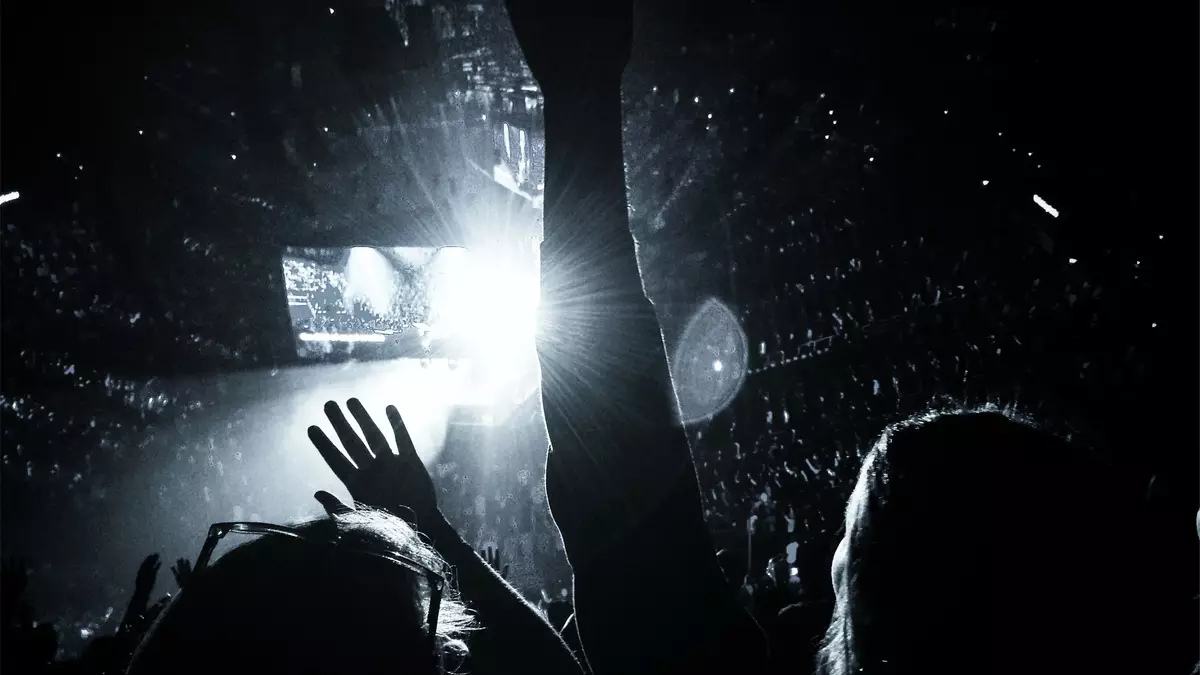
Bastille are using the 10-year anniversary wave of their breakthrough single Pompeii to redefine their live show in 2025 and 2026, bringing orchestral arrangements, fan-centric setlists and a run of high-profile festival slots to stages across Europe and beyond.
When Bastille first released Bad Blood in 2013, few predicted that its volcanic hit Pompeii would still define festival singalongs a decade later. Yet the band have turned that staying power into a creative engine, using the song's anniversary to revisit their catalogue and reshape their stage production for a new touring cycle.
Bastille from Bad Blood to Give Me The Future
Background, reports and classifications on Bastille's albums, tours and chart successes in the AD HOC NEWS topic area.
More news on Bastille at AD HOC NEWS ->Bastille's cinematic pop-rock: from indie project to arena act
Bastille formed around singer and songwriter Dan Smith in London at the end of the 2000s, first as a solo project and soon as a full band with guitarist and multi-instrumentalist Will Farquarson, keyboardist Kyle Simmons and drummer Chris Wood. They built an early following through mixtapes and word-of-mouth shows before signing to Virgin Records and releasing their debut album.
The breakthrough came with Bad Blood, a record that blended arena-ready choruses with dark storytelling, synth textures and choir-like backing vocals. Pompeii, with its instantly recognizable chant hook and apocalyptic lyrics, became a global hit, pushing the album to multi-platinum status in several countries and earning Bastille Brit Award attention and international headline tours.
From early on, the band treated pop as a playground rather than a genre straightjacket. Mixtapes such as Other People's Heartache stitched together film dialogue, 1990s R&B hooks and classic rock fragments, showing Smith's love for cinema and collage. That cut-and-paste aesthetic later resurfaced in albums that focused on news cycles, virtual futures or emotional survival in the digital age.
While many peers aimed squarely at indie credibility, Bastille set their sights on big, emotive hooks that could carry in arenas and at festivals. Heavy use of floor toms, choral arrangements and dramatic key changes gave tracks like Flaws, Laura Palmer and Of The Night a widescreen feel, positioning the band at the intersection of alternative rock, synth-pop and mainstream chart pop.
The arc of Bastille's albums and key collaborations
After the breakout of Bad Blood, Bastille expanded their sonic palette rather than repeating themselves. Second album Wild World pushed guitars and live drums further forward while sampling news broadcasts and political speeches, underscoring the anxiety of mid-2010s headlines. Songs such as Good Grief balanced personal loss with media overload, helping the record reach high chart positions in the UK and beyond.
On Doom Days, the band zoomed into a single hedonistic night in a collapsing world, threading themes of escapism and dread through electronic textures and gospel-tinged vocals. The concept album structure gave the band freedom to play with interludes, sonic transitions and recurring melodic motifs, while singles like Quarter Past Midnight kept the dancefloor energy intact.
Collaboration has been central to Bastille's identity. Their feature on Marshmello's Happier became one of their biggest global hits, marrying Smith's melancholy topline with an EDM build-and-drop structure. The track dominated radio, streaming services and festival sets, further raising the band's profile in North America and on global pop playlists.
Other collaborations, including work with Craig David, Alessia Cara and emerging producers, showed Bastille's willingness to lean into dance, R&B or acoustic textures without losing their core melodic sensibility. These projects often ran alongside their own mixtape series, blurring the lines between official albums and side explorations.
With 2022's Give Me The Future and its companion releases, Bastille fully embraced a sci-fi lens, exploring virtual reality, algorithmic life and the tension between escapism and responsibility. The album fused shiny synth-pop, spoken-word interludes and choral swells, earning critical attention for its thematic coherence and production detail.
Live shows built on choruses, drums and crowd connection
On stage, Bastille emphasize rhythm and communal singing. Drummer Chris Wood's powerful tom patterns, often doubled by Dan Smith on extra floor toms at the front of the stage, give songs a primal drive. The band frequently rework older tracks, stretching intros, adding breakdowns or incorporating unexpected covers and mashups.
Smith is known for leaving the stage during key moments, weaving through crowds or climbing onto barriers to lead chants. These gestures, combined with confetti, lighting cues and layered vocal arrangements, have turned songs such as Pompeii and Happier into set-piece events rather than standard live renditions.
Across European arenas and festival main stages, Bastille's visuals echo their conceptual albums. For the Doom Days era, television screens, phone imagery and news tickers reinforced the overnight narrative. On the Give Me The Future tour, neon grids, VR helmet imagery and retro-futurist typography played off the record's lyrical themes of digital escape and simulation.
Stripped-back shows and orchestral collaborations have also become part of their toolkit. The band have performed with chamber ensembles and full orchestras, reimagining hits with strings and piano, slowing down tempos and revealing the songs' harmonic details. These concerts often attract audiences who know every word, turning ballads and mid-tempo tracks into hushed communal experiences.
The ongoing impact of Pompeii and other Bastille anthems
Pompeii remains Bastille's calling card, a track that crosses generational and genre boundaries. Its chanted vocal hook is instantly recognizable, whether blaring from stadium sound systems, TV soundtracks or sports highlight reels. Over the years, the song's lyrics about paralysis and disaster have taken on new resonances in times of crisis.
Streaming data and radio rotations continue to reflect the song's durability. It still appears in curated playlists focused on 2010s hits, road-trip soundtracks and alt-pop essentials. For many listeners, Pompeii serves as an entry point into Bastille's deeper cuts, leading them to melancholic ballads, politically charged anthems and experimental mixtape tracks.
Other songs have built their own mini-legacies. Happier became a staple at parties, gyms and gaming streams, while Good Grief and Things We Lost In The Fire resonate with fans navigating loss, change and adulthood. Fan communities often trade live recordings of rare performances where Bastille mash up their hits with unexpected covers.
Because the band emphasize narrative and atmosphere, their songs lend themselves to film, series and advertising synchronizations. That exposure has helped them reach listeners who do not necessarily follow rock or alt-pop scenes but connect with cinematic, emotive music that feels both intimate and larger-than-life.
Festival stages, fan culture and critical reception
Bastille's path has been shaped by both mainstream media and an active, online-savvy fanbase. Early support from radio and TV pushed them quickly into the spotlight, but long-term loyalty has been built through tour diaries, behind-the-scenes content and regular engagement on social platforms. Fans often share art, edits and cover versions, reinforcing the band's visual and narrative universe.
On the festival circuit, Bastille typically occupy high evening slots, tasked with transforming large, sometimes distracted crowds into unified choirs. Setlists usually blend hits with deeper album cuts, as well as occasional mixtape material. The band have become known for maintaining energy across entire sets, rarely leaving long gaps between songs.
Critical reception has evolved over time. Early on, some reviewers framed Bastille as a pure pop act leaning on chant hooks. As later albums tackled political anxiety, digital identity and narrative concepts, more writers acknowledged the ambition and cohesiveness of Smith's songwriting, even when they debated individual production choices.
Within the broader pop-rock landscape, Bastille are often cited as part of a wave of British acts that brought cinematic, choir-inflected textures into the mainstream in the 2010s. Their success has paved the way for younger artists who combine indie instincts with polished pop production and streaming-era collaboration strategies.
How Bastille balance studio experimentation and mainstream reach
In the studio, Bastille work as a collaborative unit, but Dan Smith remains the central writer and conceptual driver. He often begins with piano or vocal sketches, then develops arrangements with the band and co-producers to blend organic instruments and electronic layers. This process allows them to pivot between intimate storytelling and dramatic, festival-sized hooks.
The group treat albums, mixtapes and stand-alone singles as different playgrounds. Albums carry the narrative weight, with interludes and recurring motifs; mixtapes provide space for spontaneous covers, genre detours and collaborations; standalone singles can respond quickly to ideas, trends or opportunities without fitting a larger concept.
Technology has always played a role in their work. Sampling, sound design and digital processing help Bastille blur lines between strings, synths and choirs. Yet the band remain committed to keeping human voices and live drums at the core of their sound, ensuring that material can translate to the stage without relying solely on backing tracks.
This balance between experimentation and accessibility appears in their vocal production as well. Layered harmonies, group shouts and choir stacks create density, while Smith's lead vocal often remains dry and conversational, sitting close to the listener. The contrast underlines the emotional core of songs even as arrangements reach for grandeur.
Bastille's place in 2010s and 2020s pop-rock
Looking back at the 2010s, Bastille occupy a particular niche. They are neither a traditional guitar rock band nor a pure synth-pop act. Instead, they draw from indie rock, EDM drops, cinematic scores and R&B rhythms to create songs that can live on festival main stages, streaming playlists and film soundtracks alike.
The 2010s saw many bands struggle to bridge the gap between album cycles and the new realities of streaming. Bastille adapted by embracing collaborations, thematic projects and a continuous flow of material. Their presence on high-profile dance-pop collaborations and their willingness to rework songs for new contexts helped them maintain relevance across shifting trends.
In the 2020s, as rock and pop boundaries blur further, Bastille's hybrid identity feels less like an exception and more like a blueprint. Younger acts now emerge with the assumption that they can mix guitars, 808s, choirs and samples in a single track. Bastille's discography shows one path through that landscape, rooted in strong melodies and clear conceptual themes.
While critics and fans may differ on which album best captures the band, there is broad recognition that Bastille have built a distinct aesthetic: gothic-tinged pop with big choruses, cinematic atmospheres and a fascination with how individuals move through a world shaped by media, technology and collective anxiety.
What the next Bastille chapter may look like
As Bastille continue to tour and release music, several threads seem likely to define their future steps. The band have shown a willingness to revisit and reinterpret older material, whether through orchestral shows, acoustic EPs or reimagined live arrangements. That suggests further projects that look back even as new songs emerge.
At the same time, their interest in topical themes such as digital life, political uncertainty and emotional resilience in an always-on world offers fertile ground for future concept albums. Each record so far has captured a certain mood of its moment, and fans often describe Bastille albums as time capsules for how the world felt when they were released.
On the collaboration front, Bastille's history with artists from EDM, R&B and alternative pop hints at more cross-genre partnerships. Streaming culture and social media continue to reward unexpected pairings, and the band have the melodic and conceptual toolkit to adapt to a wide range of contexts without losing their identity.
Whatever shape new music takes, live shows will likely remain central. Bastille's bond with their audience is built as much on shared singalongs, spontaneous crowd interactions and evolving setlists as on studio recordings. As long as fans are ready to chant the opening syllables of Pompeii, the band will have a foundation for exploring new sounds on top.
Key facts about Bastille at a glance
- Act: Bastille
- Genre: Alternative pop, indie rock, synth-pop
- Origin: London, United Kingdom
- Active since: Late 2000s (breakthrough with Bad Blood in 2013)
- Key works: Bad Blood, Wild World, Doom Days, Give Me The Future, singles Pompeii, Happier, Good Grief
- Label: Associated with Virgin Records and major-label partners
- Charts / certifications: Multi-platinum success for Bad Blood in several territories, global hit status for Pompeii and Happier
FAQ: Bastille, Pompeii and their evolving sound
How did Bastille first become famous?
Bastille broke through internationally with their debut album Bad Blood and its single Pompeii, which turned into a global hit thanks to its chanted hook, radio support and festival exposure. The album's mix of pop, rock and cinematic atmospheres established the band on both charts and live circuits.
What kind of music do Bastille make?
Bastille sit between alternative pop, indie rock and synth-pop. Guitars, keyboards and live drums meet electronic production, choirs and cinematic textures. Their songs often feature big choruses, chant-like backing vocals and lyrics that explore anxiety, technology, relationships and how people cope with an overloaded world.
Why is Pompeii still so popular after ten years?
Pompeii combines an instantly memorable vocal chant with a driving rhythm and lyrics that can be read in multiple ways, from personal paralysis to broader social collapse. Its structure makes it ideal for communal singing at festivals, sports events and parties, which in turn keeps it in playlists and collective memory.
This article was created with a.i. assistance and reviewed by editors. All information without guarantee.


