The Who announce farewell US tour dates after years away
31.05.2026 - 00:28:03 | ad-hoc-news.de
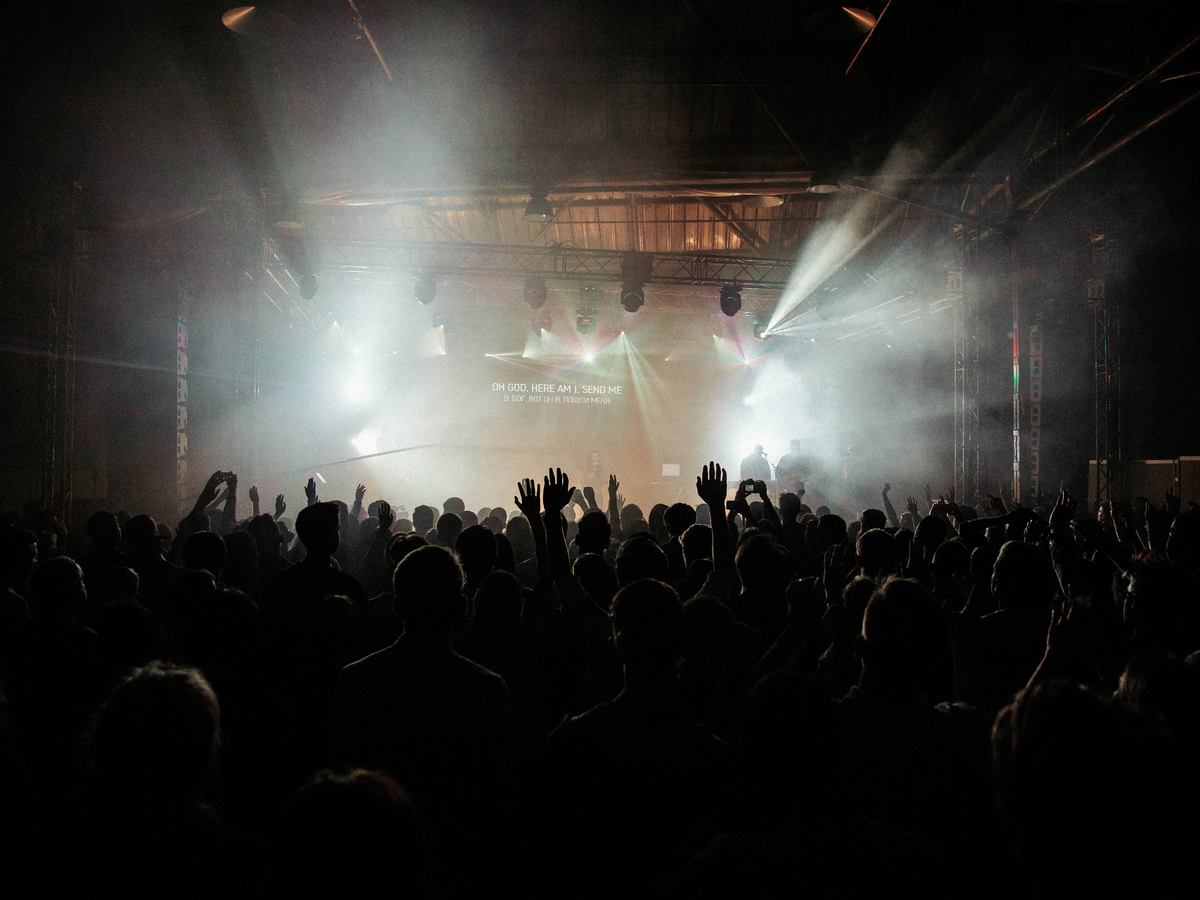
The Who are gearing up for what is being billed as a major farewell run through US arenas and amphitheaters, bringing one of rock’s most explosive live acts back to American stages for a final lap that will lean heavily on orchestral arrangements, deep cuts, and multi?generational fans singing along to every chorus. As of May 31, 2026, the band’s newly announced US dates extend their long career into yet another touring cycle, even as Pete Townshend and Roger Daltrey continue to frame this as a last large?scale road trip across the States.
Why The Who are back in US headlines now
The new wave of interest around The Who in the United States centers on their latest round of tour dates, framed by the band and promoters as a farewell?style return to key American markets after years of only sporadic appearances. According to Rolling Stone, The Who’s most recent North American outings combined the band’s classic rock energy with full orchestras in cities like Boston, Chicago, and Los Angeles, turning their catalog into a kind of live career retrospective for fans who grew up with FM radio and those who discovered them through streaming playlists decades later. Per Billboard, those orchestral shows performed strongly at the box office, with several major arenas reporting near sell?outs and robust VIP demand, underlining how durable the band’s US draw remains even in the streaming era.
In practical terms, that legacy momentum sets the stage for a farewell?branded tour in 2026 that feels more like a celebration than a cautious last stand. As of May 31, 2026, US fans are watching The Who’s official announcements closely for city?by?city details, on?sale dates, and whether more nights will be added in markets like New York, Los Angeles, and Chicago, which have historically been among the band’s strongest territories according to Pollstar’s touring archives. The fact that The Who are still building full arena and amphitheater itineraries at this point in their career is itself part of the story, especially in a US live market dominated by younger pop and hip?hop acts.
For fans who have been tracking their movements through resources like more The Who coverage on AD HOC NEWS, the new US swing offers a rare chance to see Townshend’s windmill power chords and Daltrey’s microphone lasso in person, backed by an expanded onstage ensemble that blurs the line between rock concert and symphonic event. In the broader landscape of classic rock tours, this farewell?style outing reads as both a nostalgia event and a reminder of how deeply The Who’s catalog is woven into American pop culture.
Tour dates, venues, and ticket demand in the US
Even before every city is fully confirmed, the shape of The Who’s US run reflects long?term patterns in the live business. Per Variety, previous modern tours by The Who have typically concentrated on major metropolitan areas—New York, Los Angeles, Chicago, Boston, Philadelphia, and Washington, D.C.—while also hitting secondary markets with strong classic rock radio footprints such as Denver, Phoenix, Nashville, and Dallas. As of May 31, 2026, early indications point toward a similar routing strategy, pairing iconic arenas with large outdoor amphitheaters that can accommodate both rock staging and orchestral sound reinforcement.
According to the Los Angeles Times, the band’s earlier symphonic concept shows at venues like the Hollywood Bowl and the Forum (now Kia Forum) drew a diverse crowd that ranged from original 1960s fans to teenagers hearing “Baba O’Riley” live for the first time, suggesting that ticket demand for a farewell?branded US lap could be driven by multiple generations in the same household. That demographic spread has been critical for long?running rock acts in the US, allowing them to sustain arena?level touring long after their chart peak. As of May 31, 2026, ticket sales for The Who’s newly announced dates are expected to follow that template, with premium packages and VIP experiences positioned for older fans with higher disposable income, while more affordable lawn and upper?bowl seats keep the shows accessible.
Touring industry analysts quoted by Billboard note that nostalgia?driven tours have remained resilient in the US market even as overall touring costs have risen, pointing to recent strong numbers for legacy acts at venues like Madison Square Garden, Bridgestone Arena, and Red Rocks Amphitheatre. In that context, The Who’s 2026 US run is part of a broader wave of classic rock and heritage pop tours that continue to compete with contemporary stars for prime venue holds and consumer attention.
For fans hoping to secure seats, the recommended strategy—based on prior on?sales tracked by Pollstar and major US promoters such as Live Nation and AEG Presents—is to monitor pre?sale windows tied to credit card partners or fan clubs, which often unlock preferred seating and packages. As of May 31, 2026, it remains standard practice for high?demand tours like The Who’s to reserve blocks of tickets for staggered release, meaning that a quick initial sell?out does not always mark the absolute end of availability as production holds are released closer to show dates.
While specific pricing is always market?dependent, previous US legs have seen a wide band of price points, from more modest upper?deck seats in the $60–$80 range to premium floor and VIP packages running into several hundred dollars per ticket, according to USA Today coverage of recent legacy rock tours. The 2026 run is expected to follow a similar pattern, with some dynamic pricing tied to demand. As of May 31, 2026, the main takeaway for US fans is to budget early and be ready for quick on?sale windows once each city’s date is officially announced.
What to expect from The Who’s setlists and production
The modern incarnation of The Who on tour is a carefully balanced mix of classic rock band and orchestral showcase. According to Rolling Stone’s review of recent shows, the group has leaned into a two?part concert format: one portion with full band and orchestra, and another that strips things back closer to a traditional rock show. That structure allows The Who to cover a broad cross?section of their catalog while also showcasing the cinematic sweep of albums like “Tommy” and “Quadrophenia,” which were always half a step away from full symphonic treatment even in their original studio arrangements.
Per NPR Music, prior tours have typically featured cornerstone songs such as “Baba O’Riley,” “Won’t Get Fooled Again,” “Pinball Wizard,” “Love, Reign O’er Me,” and “Who Are You,” alongside deeper cuts that reward longtime fans. The orchestral configuration gives these tracks more dynamic range, with strings and horns expanding key motifs while Townshend’s guitar remains at the center of the sound. As of May 31, 2026, there is no reason to expect a drastically different philosophy for the upcoming US dates, especially given how strongly the symphonic approach has been received by critics and fans alike.
Production?wise, The Who have historically favored clean but powerful staging rather than the kind of elaborate props and narrative interludes associated with some pop tours. According to Variety, recent US shows have used large LED screens to mix live close?ups with archival footage, underscoring the historical arc of the band’s career from 1960s London clubs to modern arenas. That visual storytelling adds another emotional layer for US audiences who remember seeing The Who on television, at festivals, or on earlier reunion tours.
Sound reinforcement is a particularly important piece of the puzzle when a rock band shares the stage with an orchestra. Reviews in outlets like the Chicago Tribune and The New York Times have noted that recent tours by The Who have invested heavily in audio design, ensuring that orchestral instruments remain clear without diluting the impact of drums and guitar. As of May 31, 2026, fans attending the new US dates can reasonably expect a similarly high?end production approach, optimized for both classic rock punch and the nuance of symphonic arrangements.
The emotional tone of the shows is likely to reflect both celebration and farewell. With every new tour potentially the last at this scale, setlists often include spoken reflections from Townshend and Daltrey about the band’s history, the loss of Keith Moon and John Entwistle, and the meaning of playing this material in front of new generations. US audiences, in particular, have long been central to The Who’s mythology, thanks to iconic moments such as their famous sets at Woodstock and their explosive TV appearances in the States.
The Who’s legacy in American rock culture
The Who’s impact on American music and pop culture is hard to overstate. According to the Rock & Roll Hall of Fame, which inducted the band in 1990, The Who helped define the sound and attitude of British rock’s invasion of the US in the mid?1960s, alongside peers like the Beatles and the Rolling Stones. Their blend of power?chord guitar, aggressive rhythm sections, and introspective lyrics spoke directly to American youth navigating social upheaval, Vietnam War anxiety, and generational divides.
Per The New York Times, The Who’s concept albums “Tommy” and “Quadrophenia” anticipated the rock opera format that later acts and Broadway productions would explore, making them a bridge between traditional album?oriented rock and theatrical storytelling. In the US, those records became soundtrack staples on classic rock radio and found new life through film adaptations, stage productions, and anniversary tours. As of May 31, 2026, they remain key entry points for younger listeners discovering the band via streaming playlists and curated catalog sections on platforms like Spotify and Apple Music.
Beyond the albums themselves, The Who’s US presence has been amplified by sync placements, particularly the heavy use of their songs as theme music for the long?running “CSI” television franchise—an association that, according to USA Today, introduced hits like “Who Are You” and “Won’t Get Fooled Again” to millions of American viewers who might never have sought out the records directly. Those TV uses have helped keep The Who culturally present in the US, even for casual music fans who primarily engage with oldies and classic rock through television and movies.
In the live realm, few bands are as strongly linked to the image of amplified chaos as The Who. Vintage footage of Townshend smashing guitars and Moon demolishing drum kits remains part of the visual vocabulary of rock rebellion, frequently referenced by newer artists and used in documentaries about the evolution of stage performance. The band’s reputation for volume and physicality has also influenced US acts in hard rock, punk, and alternative scenes, from early American punk outfits to 1990s grunge bands that cited The Who as an inspiration for their own explosive shows.
As younger American artists continue to borrow from classic rock’s sonic and visual language, The Who’s ongoing presence on US stages—even in a farewell context—anchors that history in living performance rather than museum nostalgia. As of May 31, 2026, that living link is part of what makes the new tour announcement feel significant beyond the immediate circle of devoted fans.
How The Who fit into the current US rock and pop landscape
In today’s US music ecosystem, dominated on the charts by hip?hop, pop, country crossovers, and Latin hits, The Who occupy a different lane: a legacy act whose primary value lies in ticket sales, streaming catalog strength, and cultural influence rather than contemporary radio airplay. According to Billboard’s chart analyses, many classic rock bands now earn most of their US revenue from touring and catalog consumption, with physical reissues and deluxe editions targeting collectors and super?fans. That pattern holds for The Who, who have seen periodic surges in US streaming when their songs are featured in prominent TV, film, or sports moments.
Per Luminate (formerly Nielsen Music), catalog streams make up a significant share of overall US listening, with rock and classic rock remaining powerful genres for older demographics. The Who benefit from that dynamic, as their most famous tracks appear on a wide array of curated playlists that target everything from “classic rock road trip” to “70s anthems.” The US touring circuit, meanwhile, has increasingly relied on festivals and package tours that combine multiple legacy acts, but The Who’s ability to headline major venues on their own underscores their distinct stature.
From an industry perspective, the 2026 US run underscores how promoters like Live Nation and AEG Presents continue to view classic rock as a cornerstone of the amphitheater and arena business. According to Pollstar, legacy acts often provide more predictable ticket sales and older, higher?spending audiences, making them attractive even as promoters court younger artists for festivals and stadium runs. In that sense, The Who’s “farewell” positioning is both a fan story and a business story in the US live ecosystem.
At the same time, younger US fans discovering The Who often do so through algorithmic recommendations rather than radio, which subtly reshapes the audience profile at shows. NPR Music has highlighted that teens and twenty?somethings at legacy rock concerts increasingly arrive with deep familiarity with greatest hits but less context for full albums, leading to a different energy when the band dives into album tracks or conceptual pieces. As of May 31, 2026, The Who’s challenge—and opportunity—on US stages is to create a show that satisfies both long?term fans and newer listeners whose connection to the band comes through streaming snippets and iconic choruses.
How US fans can follow official updates and secure tickets
For American fans planning around work, travel, and budgets, keeping up with official information is crucial. The most reliable source for up?to?the?minute tour details—including dates, city lists, venue confirmations, and on?sale timing—is The Who’s official website, which aggregates announcements from promoters, agents, and management in one place. As of May 31, 2026, that site remains the primary hub for verified updates, with social media channels and email newsletters amplifying information for fans who prefer real?time alerts.
Industry coverage in outlets like Billboard, Variety, and Rolling Stone typically supplements those official posts with analysis of market strategy, opening acts, and box office performance. For US readers specifically, that kind of coverage is useful for understanding whether additional dates might be added, how quickly tickets are moving in certain cities, and what kind of production scale to expect at different types of venues. As past tours have shown, initial routing for a major act can expand significantly if shows sell out quickly, especially in major US markets where adding a second or even third night is logistically feasible.
As of May 31, 2026, standard ticketing best practices apply for The Who’s US dates. Fans should:
• Sign up early for verified fan or artist pre?registration programs when offered, which can reduce the risk of bots and scalpers capturing prime seats.
• Keep track of credit card?linked pre?sales, which often open before general public on?sales and can include special allotments.
• Be prepared to refresh official ticketing pages at on?sale time and have multiple price options in mind, in case a preferred section sells out quickly.
• Avoid unverified secondary sellers where possible, as consumer advocates and US state attorneys general have repeatedly warned about potential scams and inflated prices around high?demand tours.
For fans who cannot travel or secure tickets, US media coverage and official live video content often provide the next best thing. Outlets like NPR Music and YouTube channels that host official tour footage help preserve a record of standout performances, giving American audiences a way to experience at least part of The Who’s farewell run even if they are not in the room.
FAQ: The Who’s new US tour and legacy
Is this really The Who’s final US tour?
The language used around The Who’s 2026 dates emphasizes farewell?style positioning, suggesting that this could be their last large?scale US tour. However, rock history is full of farewell tours that lead to later returns. According to reporting in outlets like Rolling Stone and Variety on other legacy acts, artists sometimes step back from multi?month arena itineraries while still playing occasional one?off shows, residencies, or festival appearances. As of May 31, 2026, fans should treat this run as potentially the final chance to see The Who in a full US arena and amphitheater context, while recognizing that smaller or special?event performances may still emerge down the line.
Which classic songs are most likely to be in the setlist?
Based on recent tours reviewed by NPR Music and the Los Angeles Times, staples such as “Baba O’Riley,” “Won’t Get Fooled Again,” “Pinball Wizard,” “Who Are You,” and “Love, Reign O’er Me” are all but guaranteed to appear in some form. The orchestral show structure also makes it likely that extended suites from “Tommy” and “Quadrophenia” will continue to anchor the middle portions of the concert. As of May 31, 2026, deeper cuts and rotating tracks are harder to predict, but previous US legs have shown Townshend and Daltrey willing to tweak setlists to keep things interesting for themselves and fans who catch multiple shows.
How early should I arrive at venues in the US?
Given the combination of security screening, merch demand, and parking logistics at major US arenas and amphitheaters, most venue operators and promoters like Live Nation recommend arriving at least 60–90 minutes before showtime. That window allows time for bag checks, concessions, and finding seats before any opening act begins. As of May 31, 2026, heightened security policies, including restrictions on bag sizes and prohibited items, remain in place at many major US venues, so fans should check local venue websites for updated guidance on what they can bring.
Will there be special editions or recordings from the tour?
While no specific US?market live album or concert film tied to the 2026 tour has been formally confirmed as of May 31, 2026, The Who have a history of documenting key tours through live releases and archival projects. According to the band’s past catalog activities covered by Billboard and Rolling Stone, significant tours often generate live recordings, deluxe box sets, or expanded video releases in subsequent years, especially when they mark milestones or anniversaries. Fans interested in collectible physical media should watch for announcements around the end of the tour cycle or aligned with major industry events and holidays.
How does The Who’s influence show up in newer US artists?
The Who’s fingerprints can be seen across multiple generations of US rock and alternative music. Per interviews collected by outlets like Spin and Stereogum, American punk and grunge bands—from the Ramones through Pearl Jam and beyond—have cited The Who’s volume, stagecraft, and conceptual ambition as influences. Their use of feedback, extended song structures, and narrative albums helped normalize experimentation within rock, paving the way for US acts who combined mainstream appeal with more adventurous ideas. As of May 31, 2026, that influence continues to echo in the guitar?driven end of the US indie and alternative spectrum, even as mainstream charts tilt toward other genres.
For US fans in 2026, The Who’s latest tour announcement is more than a date on the concert calendar; it is a reminder that rock history is still unfolding onstage, in real time. Whether this proves to be their last major cross?country run or a prelude to yet another chapter, the band’s decision to return to American arenas and amphitheaters gives audiences one more chance to hear iconic songs roar to life in the kind of venues where they were meant to be heard.
By the AD HOC NEWS Music Desk » Rock and pop coverage — The AD HOC NEWS Music Desk, with AI?assisted research support, reports daily on albums, tours, charts, and scene developments across the United States and internationally.
Published: May 31, 2026 · Last reviewed: May 31, 2026
Share this article
Tell a friend about The Who’s latest US tour news:
• Copy the link and drop it in your group chat.
• Post a screenshot of the tour dates to your social feeds.
• Add this story to your reading list so you do not miss updates on added shows and new announcements.
So schätzen die Börsenprofis Aktien ein!

Für. Immer. Kostenlos.