Silver’s Unusual Retreat: Rate-Fueled Headwinds Overwhelm Geopolitical and Supply Tailwinds
11.06.2026 - 05:35:31 | boerse-global.de
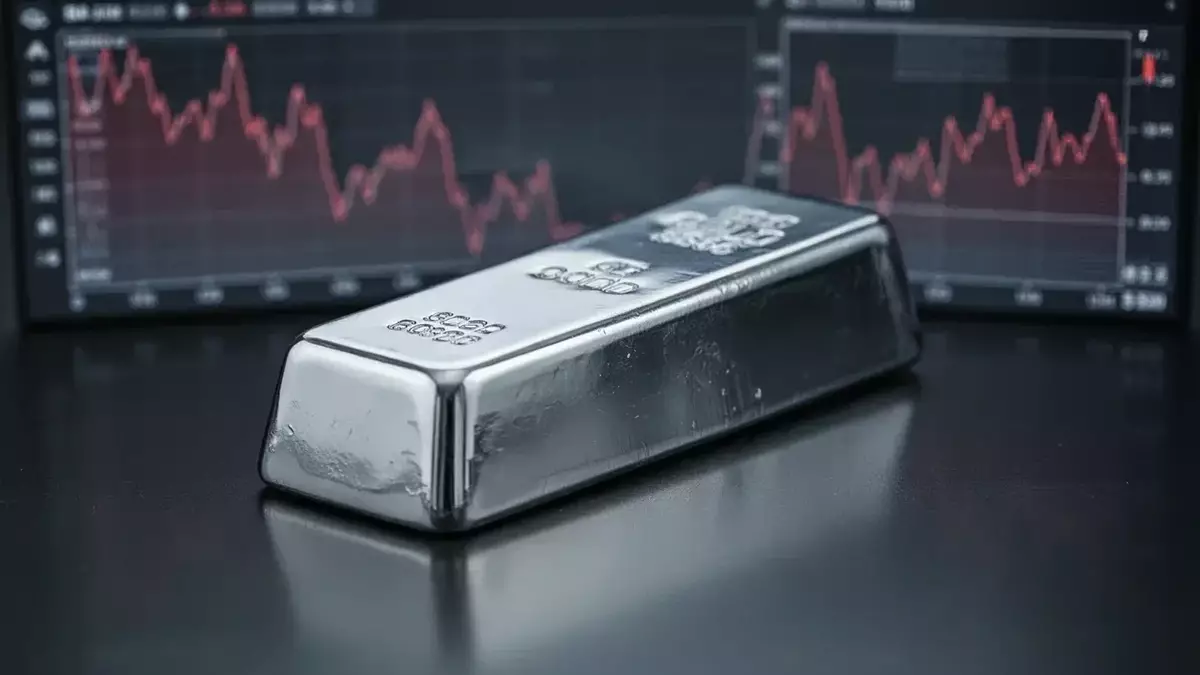
Silver has lost more than a fifth of its value over the past month, yet the forces behind the rout are anything but straightforward. Instead of finding support from escalating Gulf tensions and a persistent supply deficit, the white metal has been dragged lower by the very inflation those tensions are feeding.
On Wednesday, spot silver touched $64.45 an ounce after shedding roughly 1.5% in a single session. The monthly decline stands at more than 21% — a brutal selloff for a commodity that historically benefits from geopolitical uncertainty. By Thursday’s Asian trading, it had bounced 1.6% to $64.42, but the relief was modest.
The root cause lies in the U.S. inflation picture. On June 10, the Labor Department reported that consumer prices rose 0.5% month-on-month in May, pushing the annual rate to 4.2% — the highest since April 2023 and up from 3.8% a month earlier. Energy led the charge, surging 3.9% and accounting for over 60% of the total increase.
That data has reignited the Federal Reserve debate. According to the CME FedWatch Tool, the probability of at least one more rate hike before the end of 2026 now sits above 70%. The yield on 10-year U.S. Treasuries remains comfortably above 4.5%. For silver, which generates no income, rising real yields and higher opportunity costs make holding the metal increasingly expensive.
Should investors sell immediately? Or is it worth buying Silber Preis?
Geopolitical turmoil backfires
The irony of the current moment is that the very event that would typically boost safe-haven assets is working against silver. U.S. forces launched fresh strikes against Iranian air-defense systems on June 10, and Iran retaliated with missile attacks on American bases, threatening to close the Strait of Hormuz. The Pentagon insists commercial shipping can still pass, but the oil market has already reacted: Brent futures jumped to $95.40 a barrel, and West Texas Intermediate hit $92.63.
Higher crude prices add to the inflation narrative, which in turn strengthens the case for tighter monetary policy. The geopolitical shock, rather than triggering a flight into precious metals, has indirectly intensified the rate-driven pressure on silver.
Chart pattern flashes warning
The technical picture offers little comfort. The 10-week simple moving average has crossed below the 20-week average, a classic bearish signal known as a death cross. The relative strength index stands at 32, hovering near oversold territory but not yet confirming a reversal.
Immediate support lies in the $61-to-$60 range. Should that zone give way, the focus shifts to $54 — a former double-top level — and a break below $50 would seriously undermine the long-term uptrend. A recovery above $67.80 would be the first evidence that selling pressure is easing; for now, that level remains distant.
Deficit narrative intact, but delayed
Despite the selloff, the fundamental backdrop remains constructive. The Silver Institute projects 2026 will mark the sixth consecutive year of structural market deficit, with the shortfall last measured at roughly 67 million ounces. Global supply is expected to grow 1.5% to 1.05 billion ounces, driven by higher mine output and a recycling boom that could push secondary supply above 200 million ounces for the first time since 2012.
Silber Preis at a turning point? This analysis reveals what investors need to know now.
Industrial demand, however, is softening. It is forecast to decline 2% to 650 million ounces, partly because solar panel manufacturers are using less silver per unit and substitution is accelerating. Physical investment demand is expected to absorb the gap, but not to the extent needed to offset the broader slowdown.
Coeur Mining, a major producer, provided a concrete glimpse into the supply side on Wednesday, reiterating its 2026 production target of 18.7 million to 21.9 million ounces of silver.
What to watch next
The next catalyst is the release of U.S. producer price data. If those figures confirm that May’s inflation spike was not a one-off, the pressure on silver through the interest-rate channel will intensify — regardless of how events unfold in the Persian Gulf. For now, the metal remains caught between a hawkish Fed and a market that is pricing in more tightening, leaving its traditional safe-haven credentials on the sidelines.
Ad
Silber Preis Stock: New Analysis - 11 June
Fresh Silber Preis information released. What's the impact for investors? Our latest independent report examines recent figures and market trends.