Nvidia Rolls Out a Revenue-Share Model, Hires a Microsoft Veteran, and Eyes $30 Billion in Sovereign AI Deals
02.07.2026 - 22:25:01 | boerse-global.de
The transformation underway inside Nvidia is as radical as anything Wall Street has seen from a hardware giant in years. The company is quietly dismantling its traditional chip-selling business and replacing it with a model built on recurring revenue, long-term partnerships, and a direct stake in its customers’ success. The immediate stock market reaction has been nervous, but the strategic picture is becoming clearer.
On Thursday, shares slipped 2.76% to €168.94, pushing the stock more than 16% below its 52-week high of €202.50. The sell-off extends over the past month to a decline of 11.82%, and the price now sits just 2.95% above the 200-day moving average of €164.10. With the relative strength index at 40.3, some chart watchers are calling the stock oversold. Yet the weight of the transformation, not just market rotation, is behind the retreat.
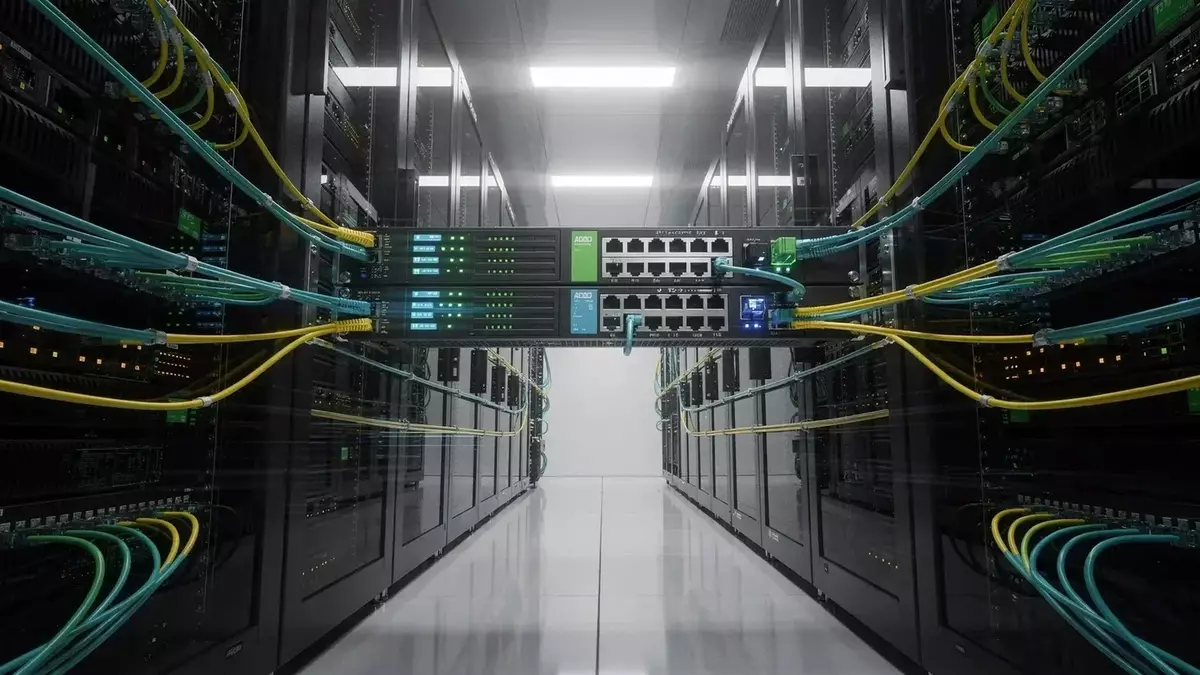
The centrepiece of that transformation is a new initiative Nvidia calls the DSX AI Factory. Under it, the company no longer simply sells GPUs to cloud providers. Instead, it guarantees computing capacity, takes a cut of the customer’s ongoing revenue, and buys back unused capacity at a fixed price if demand falls short. Silicon thus becomes a yield-bearing asset rather than a one-off product.
Initial projects are already taking shape. Sharon AI plans to deploy up to 40,000 of Nvidia’s new GB300 Grace-Blackwell chips, while Firmus Technologies is building a 360-megawatt data-centre campus in Indonesia that will house as many as 170,000 GPUs. For Nvidia, these tie-ups convert one-time hardware sales into an annuity-like stream that rides on top of the original equipment margin.
Should investors sell immediately? Or is it worth buying Nvidia?
To oversee this new go-to-market strategy, Nvidia is bringing in Nicholas Parker from Microsoft, where he spent more than two decades, most recently running the global solutions business. Parker will take up the role of executive vice president of worldwide sales on August 24, replacing Ajay K. Puri, who is retiring. His compensation package includes a base salary of $1 million and substantial stock awards, but those awards vest only if Nvidia’s total shareholder return beats the S&P 500 over a three-year period. The message from the board is clear: the share price must catch up to the strategy.
That strategy extends well beyond the cloud. A separate but complementary pillar is sovereign AI — the push by national governments to build their own domestic AI infrastructure. In the just-completed fiscal 2026, contracts with Canada, France, Singapore, and the United Kingdom are estimated to have contributed roughly $30 billion in revenue. Analysts expect the sovereign segment to represent an even larger share of Nvidia’s total addressable market by 2030, as countries seek to reduce dependence on US technology giants.
At the same time, demand from the private sector is shifting from episodic model training to permanent inference. The rise of agentic AI — autonomous systems that run continuously — means data centres are becoming true “AI factories” that need round-the-clock capacity. Jensen Huang’s internal revenue projections have reportedly crossed the $1 trillion mark. A recent billion-dollar deal between SpaceX and Reflection AI already leverages the latest chip generation for non-training workloads.
Nvidia at a turning point? This analysis reveals what investors need to know now.
Not everything is going smoothly. The European Union’s antitrust authorities have widened their probe, asking industry participants in detail about the definition and comparability of data-centre components. That regulatory risk, combined with a broader rotation out of technology names, has weighed on the stock. The average analyst price target still stands at €263.63, implying potential upside of 56.1% from current levels. But the near-term path depends on execution.
Later this year, Nvidia is set to launch the Vera-Rubin platform, the next architecture after Blackwell. Whether the company can sustain year-on-year revenue growth of 50% hinges on how quickly it can translate its hardware lead into recurring service revenue from the agentic AI wave. With a market capitalisation of roughly €4.148 trillion, Nvidia is no longer just a chipmaker — it is positioning itself as the infrastructure landlord for both enterprises and governments. The stock’s current weakness may be less about doubt over the concept and more about the market waiting for the financials to prove it works.
Ad
Nvidia Stock: New Analysis - 2 July
Fresh Nvidia information released. What's the impact for investors? Our latest independent report examines recent figures and market trends.