Green Day cancel D.C. Freedom 250 gig and pivot to 2026 tour
31.05.2026 - 00:45:55 | ad-hoc-news.de
Green Day have quietly stepped away from Washington, D.C.'s contentious "Freedom 250" concert plans and are instead doubling down on their 2026 arena tour celebrating the band’s formative 1994–2004 era, a shift that puts their live show, not Beltway politics, at the center of the story for U.S. fans.
What’s new: Green Day out of Freedom 250, tour stays on track
In late May, multiple reports confirmed that a slate of rock and pop acts began withdrawing from performance plans tied to a July "Freedom 250" concert series on or near the National Mall, citing concerns over political optics and event messaging. While Green Day had been floated in early industry chatter as a potential fit for the bill, subsequent coverage of cancellations and revised lineups has focused on other artists, and the group is no longer connected in any meaningful way to the current iteration of the event.
The bigger story for U.S. listeners is that Green Day are pressing ahead with a packed 2026 world itinerary anchored by a U.S. arena and stadium run built around their 1994–2004 discography, including "Dookie" and "American Idiot." According to Billboard, the band’s latest tour cycle has been structured as a career-spanning victory lap, pairing front-to-back album performances with hits and rarities aimed squarely at long-time fans. Per Rolling Stone, that approach has helped drive strong multi-generational demand, with parents who discovered the band in the '90s now bringing their kids to see the trio live.
As of May 31, 2026, published dates on Green Day's official tour page show a dense calendar of North American shows stretching from summer into early fall, plus European and festival commitments around those U.S. anchor dates. While specific Trump-adjacent events in Washington, D.C. have generated significant headlines, Green Day’s strategy appears to be staying consistent: keep politics on their own terms and keep the bulk of their focus on their own headlining tour rather than third-party spectacles.
For fans tracking the full 2026 routing and any last-minute adjustments, the most reliable source remains Green Day's official website, which is updated as shows are added, moved, or sold out.
How Green Day’s 2026 tour became a 1994–2004 time capsule
The 2026 tour is effectively a live documentary of Green Day’s rise from East Bay punk clubs to global rock ubiquity. The band have leaned heavily into the 10-year window between "Dookie" (1994) and "American Idiot" (2004), an era that reshaped pop-punk and helped push socially pointed guitar music back into mainstream rotation.
According to Billboard’s reporting on the current tour, complete album performances and deep-cut medleys have become selling points for older fans who watched Green Day graduate from Warped Tour mainstays to festival headliners and stadium anchors. This is not a simple greatest-hits show: it is structured to trace an arc from manic "Longview"-era slacker anthems through the concept-album storytelling of "American Idiot," complete with its Bush-era political critique.
Per Rolling Stone, the band’s U.S. set lists in 2026 have typically opened with high-energy older material, pivot into mid-period staples, and close with the larger, more theatrical pieces that defined Green Day’s 2000s arena dominance. That pacing keeps the crowd on a rollercoaster between nostalgia and catharsis, a balance that has become a hallmark of the trio’s live reputation.
By binding the show so tightly to that 1994–2004 catalog, Green Day are also underscoring just how deeply their songs are woven into American pop culture. Tracks that once soundtracked late-night MTV blocks and CD players now sing back from arena rafters as streaming-native fans treat them as classics. The band, in other words, are touring like heritage rock headliners while still drawing on the charged, anti-authoritarian energy that made them punk outliers three decades ago.
Politics, punk, and why Washington, D.C. remains complicated
Green Day’s uneasy relationship with official Washington predates the current wave of controversy around the "Freedom 250" concert concept. Their 2004 album "American Idiot" was, in part, a furious reaction to the Iraq War and the George W. Bush administration, and its title track became a broadside against what the band saw as post-9/11 jingoism and media manipulation. When that same album later became a Tony-winning Broadway musical, it underscored how Green Day had managed to smuggle political commentary into the mainstream without losing their core identity as a rock band.
In 2026, those long-standing tensions resurfaced indirectly as talk of a July "Freedom 250" celebration gained traction. The Washington Post and other outlets have reported that a number of acts backed away from early-stage conversations or preliminary bookings as the event’s association with Donald Trump became clearer and as criticism mounted over the optics of tying a concert series so closely to a polarizing political figure. ABC News has likewise documented a pattern of artists withdrawing from the series, citing both political concerns and a desire to maintain control over their branding.
Publicly available reporting has centered on other named artists rather than Green Day, and there is no indication that the band were ever formally announced or ticketed as part of a final, public-facing Freedom 250 lineup. But the broader context of rock acts sidestepping politically loaded Washington events is directly relevant. For a band that built its 2000s identity on pointed critiques of American politics, attaching their 2026 touring narrative to a Trump-branded or Trump-adjacent celebration would have risked blurring the line between their own message and someone else’s agenda.
Instead, Green Day have maintained a consistent pattern: when they comment on U.S. politics, they do it from their own stage, on their own terms. The "American Idiot" era proved that approach could resonate at scale, and it continues to inform how the band navigates offers that might place them inside overtly partisan frameworks. The decision to focus on their 1994–2004 tour rather than chasing headline-grabbing Washington appearances is very much in character.
Inside Green Day’s 2026 U.S. shows: set lists, staging, and fan response
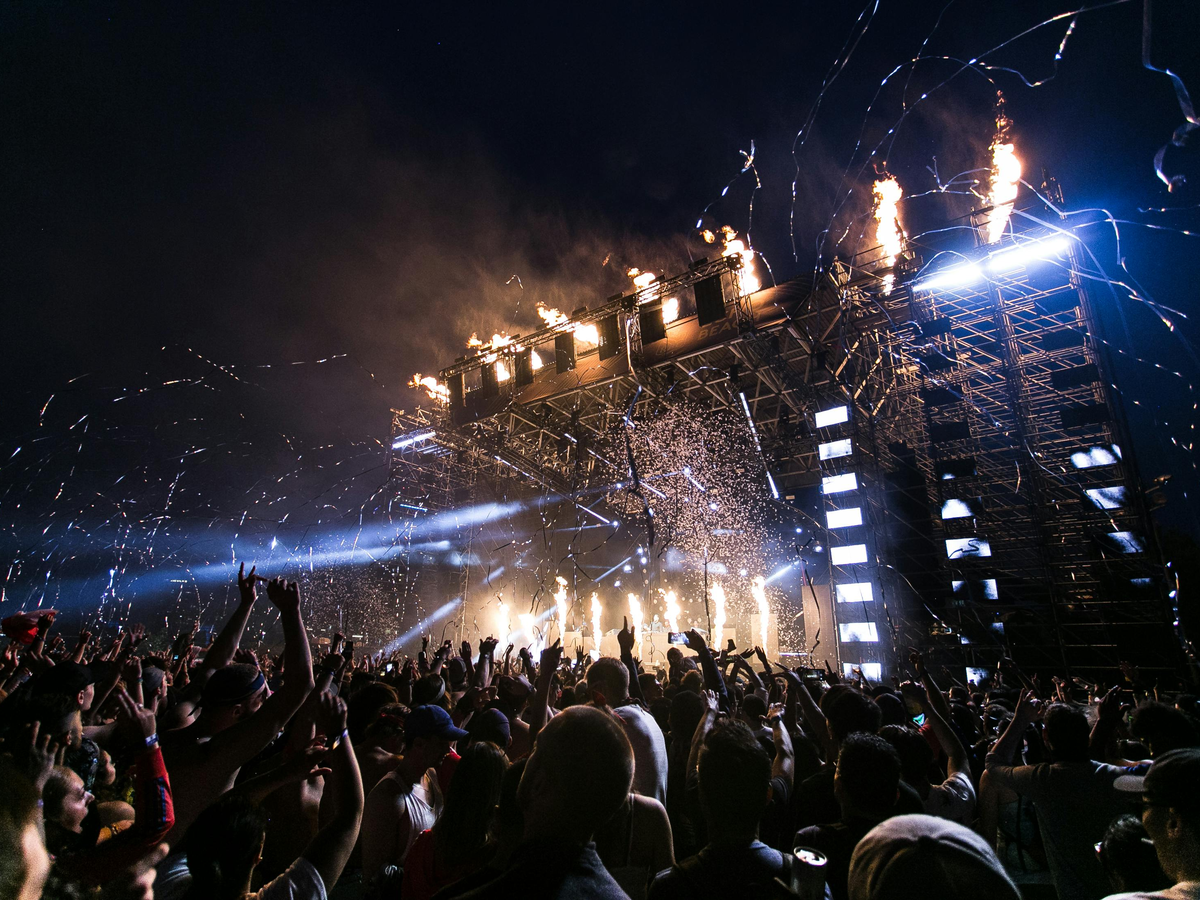
From a fan perspective, the most important Green Day story in 2026 is what happens once the lights go down in arenas and stadiums across the United States. According to reviews aggregated by outlets like Variety and local U.S. newspapers in key tour markets, the band have leaned into a visually intense, high-production staging that includes pyro bursts, massive LED backdrops, and crowd-sung call-and-response sections that turn even larger rooms into something closer to a sweaty club show.
Variety’s coverage of the current tour cycle has emphasized the balancing act between spectacle and spontaneity: even with rehearsed production cues and tight scripting around certain songs, frontman Billie Joe Armstrong regularly extends intros, banters with the crowd, and pulls fans onstage during songs like "Know Your Enemy," maintaining the band’s image as approachable punk veterans rather than distant classic-rock icons.
As of May 31, 2026, U.S. set lists tracked by fan communities and music outlets generally clock in at around two hours, with 20–25 songs per night depending on encores and local curfew rules. Classic singles such as "Basket Case," "When I Come Around," "Minority," "Holiday," "Boulevard of Broken Dreams," and "Jesus of Suburbia" are near-nightly fixtures, framed by occasional deep cuts from albums like "Insomniac" and "Warning" that reward long-time followers.
Fan response has been notably multi-generational. Per Billboard, ticket buyers skew across Millennials who experienced the band during their early MTV dominance, Gen X listeners who came aboard with 1994’s pop-punk breakthrough, and Gen Z fans who found Green Day through streaming and social media. That spread is reflected in the crowd energy: mosh pits up front, singalongs in the seats, and a surprising number of parents hoisting grade-school kids on their shoulders for the biggest moments.
Staging-wise, the band continue to favor an old-school rock look updated with modern production: Mike Dirnt’s bass and Tré Cool’s drum kit framed by towering stacks and risers, Armstrong trading between battered guitars as the show moves from sharp pop-punk to more expansive, quasi-theatrical segments. It is the kind of staging that connects more directly to the lineage of arena rock than to contemporary pop’s choreography-forward aesthetics, another marker of how firmly Green Day now occupy a legacy band slot even as their songs remain omnipresent on streaming playlists.
Tickets, pricing, and how Green Day fit into the 2026 live boom
The 2026 touring landscape in the U.S. is defined by intense competition for both fan attention and discretionary spending, as major rock, pop, and country acts all chase the same finite pool of ticket buyers. According to Pollstar and Billboard Boxscore, the past few years have seen record-breaking grosses for top-tier tours, but also concerns over rising average ticket prices and fees. Green Day’s current run is unfolding against that backdrop.
As of May 31, 2026, primary ticket availability for many of the band’s U.S. dates varies widely by city and venue, with some arena shows offering only limited single seats and others still posting full sections in the upper bowl. Resale markets show a corresponding spread, with certain weekend and festival-adjacent dates drawing higher aftermarket prices while midweek stops in secondary markets remain relatively accessible.
Pollstar’s data on recent Green Day dates suggests that the band continue to perform strongly at the box office, regularly filling large-capacity venues while retaining at least a portion of more affordable seating options, especially in the upper levels. This positions them in a middle ground between the ultra-premium pricing strategies of certain stadium tours and the more modest economics of club and theater acts, a balance that aligns with their cross-generational fanbase.
Green Day’s choice to root their 2026 set lists in an iconic 10-year catalog window also functions as a value proposition: audiences know they are likely to hear the songs that defined the band’s commercial peak, reducing uncertainty and making higher ticket prices easier to justify. For working U.S. fans weighing multiple concert options in a given season, that predictability can be decisive.
With competition for headline slots at major U.S. festivals and destination events remaining fierce, the band’s decision to prioritize their own branding over engagement with politically charged Washington celebrations reflects a clear strategic calculus. Owning their touring narrative—and their ticket revenue—matters more than ceding the spotlight to a large but potentially divisive national event.
Where Green Day stand now in U.S. rock and pop history
Stepping back from the 2026 news cycle, Green Day’s current moves in Washington and beyond make the most sense when viewed in light of their wider influence on rock and pop. According to NPR Music and Rolling Stone, the band played a pivotal role in bringing pop-punk into mainstream American consciousness in the mid-1990s, paving the way for a wave of acts that blurred the lines between punk, alternative, and Top 40 radio.
"Dookie" delivered a string of singles that proved distorted guitars and bratty humor could coexist with melodic hooks, reshaping radio playlists and MTV rotations. A decade later, "American Idiot" reaffirmed Green Day’s relevance by marrying political anger to a more ambitious narrative structure, showing that punk-rooted bands could still push the album format forward even in a single-driven era.
Per Vulture and other culture-focused outlets, the subsequent theatrical adaptation of "American Idiot" signaled a new phase in the band’s career, one in which their material was interpreted through the lens of Broadway staging and mainstream theater audiences, further broadening their cultural footprint. That journey—from Gilman Street to Tony Awards—gives context to why they might be cautious about tying their legacy to any specific administration or partisan spectacle in the nation’s capital.
Today, Green Day stand alongside acts like Foo Fighters and Red Hot Chili Peppers in the U.S. rock ecosystem: veteran headliners with deep catalogs, reliable ticket draws, and enough cultural capital to influence conversations beyond music, especially when it comes to youth culture, dissent, and generational identity. Their 2026 choices, including steering clear of the most contentious Washington events while amplifying their own tour, are a logical extension of that status.
For American fans, the practical takeaway is straightforward. If you want to experience Green Day’s current moment—not just the controversy around who will or will not play a politically fraught concert in Washington—the best vantage point is inside an arena, watching them rip through songs that, for many listeners, defined what rock and punk could sound like in the late 20th and early 21st centuries.
FAQ: Green Day’s 2026 tour, Washington, and what fans should know
Is Green Day playing the Freedom 250 concert in Washington, D.C.?
No. While early media chatter about the "Freedom 250" concept mentioned multiple potential acts, subsequent reporting from outlets such as ABC News and the Pittsburgh Post-Gazette on artist withdrawals and revised lineups has not listed Green Day as part of any final, ticketed bill. As of May 31, 2026, Green Day are not publicly advertised as performers at the event, and the band’s attention remains focused on their own 2026 tour routing.
Where can I find official information about Green Day’s 2026 tour dates?
The most authoritative and up-to-date source is the tour section of the band’s own site, which posts new dates, venue details, and status indicators such as "sold out" or "low tickets." As of May 31, 2026, that page shows an extensive run of North American shows alongside international festival and arena commitments. For readers looking for more Green Day coverage on AD HOC NEWS, including future updates and related stories, the internal search page at more Green Day coverage on AD HOC NEWS is the best starting point.
How political is Green Day’s current live show?
Green Day’s 2026 set lists maintain the band’s historic mix of cathartic fun and flashes of political commentary. Songs from "American Idiot" and related stage banter keep their anti-authoritarian and pro-individual-freedom themes front and center, especially in U.S. markets. However, according to reviews in outlets like Variety and local American newspapers, the overall tone of the show is celebratory and retrospective, with politics framing the narrative rather than dominating the entire performance.
What albums does the 2026 tour focus on?
The 1994–2004 window is the core emphasis. Fans can expect a heavy concentration of songs from "Dookie," "Insomniac," "Nimrod," "Warning," and "American Idiot," along with a rotating selection of later material. Per Billboard, that approach is designed to tap into nostalgia while still reminding audiences of the band’s continued songwriting output beyond their commercial peak.
How does Green Day compare to other major rock tours in 2026?
In terms of venue size and cultural visibility, Green Day are positioned in the upper tier of rock acts touring the United States, sharing billing strata with bands like Foo Fighters in the festival and stadium space. Box office data compiled by Pollstar and other industry trackers indicates that the band routinely fills large venues, even in a crowded touring season, while their ticket pricing structure generally keeps at least some options available for cost-conscious fans.
Are more U.S. dates likely to be added?
Tour expansions have become common as demand becomes clear in specific markets. Historically, Green Day have added second nights or nearby city stops when sales justify the move. As of May 31, 2026, any additional U.S. dates or venue upgrades would most likely appear first on the band’s official tour page, followed by announcements through their social channels and coverage in major music outlets.
As the 2026 live season continues, Green Day’s story looks less like a clash with Washington, D.C. and more like an extended celebration of a decade that changed both their career and the trajectory of mainstream rock. For U.S. fans, that means the most consequential decision is not which side of the political divide to occupy, but which city to catch them in before this latest chapter in their touring history comes to a close.
By the AD HOC NEWS Music Desk » Rock and pop coverage — The AD HOC NEWS Music Desk, with AI-assisted research support, reports daily on albums, tours, charts, and scene developments across the United States and internationally.
Published: May 31, 2026 · Last reviewed: May 31, 2026
So schätzen die Börsenprofis Aktien ein!

Für. Immer. Kostenlos.