Feeling at Home at the Dentist: A Dental Practice in Berlin Steglitz for Expats and Locals
13.05.2026 - 07:01:20 | ad-hoc-news.de
Finding a trustworthy dental practice in a new country is rarely just about teeth. If you have ever tried to book a medical appointment in Germany, you may already know the feeling: multiple phone calls, unfamiliar forms, different insurance rules, and the quiet worry, "Will they understand me and really listen?" For many international residents in Berlin, the search for a dentist is also tied to deeper fears: dental anxiety, previous painful experiences, or simply the uncertainty of navigating a new healthcare system.
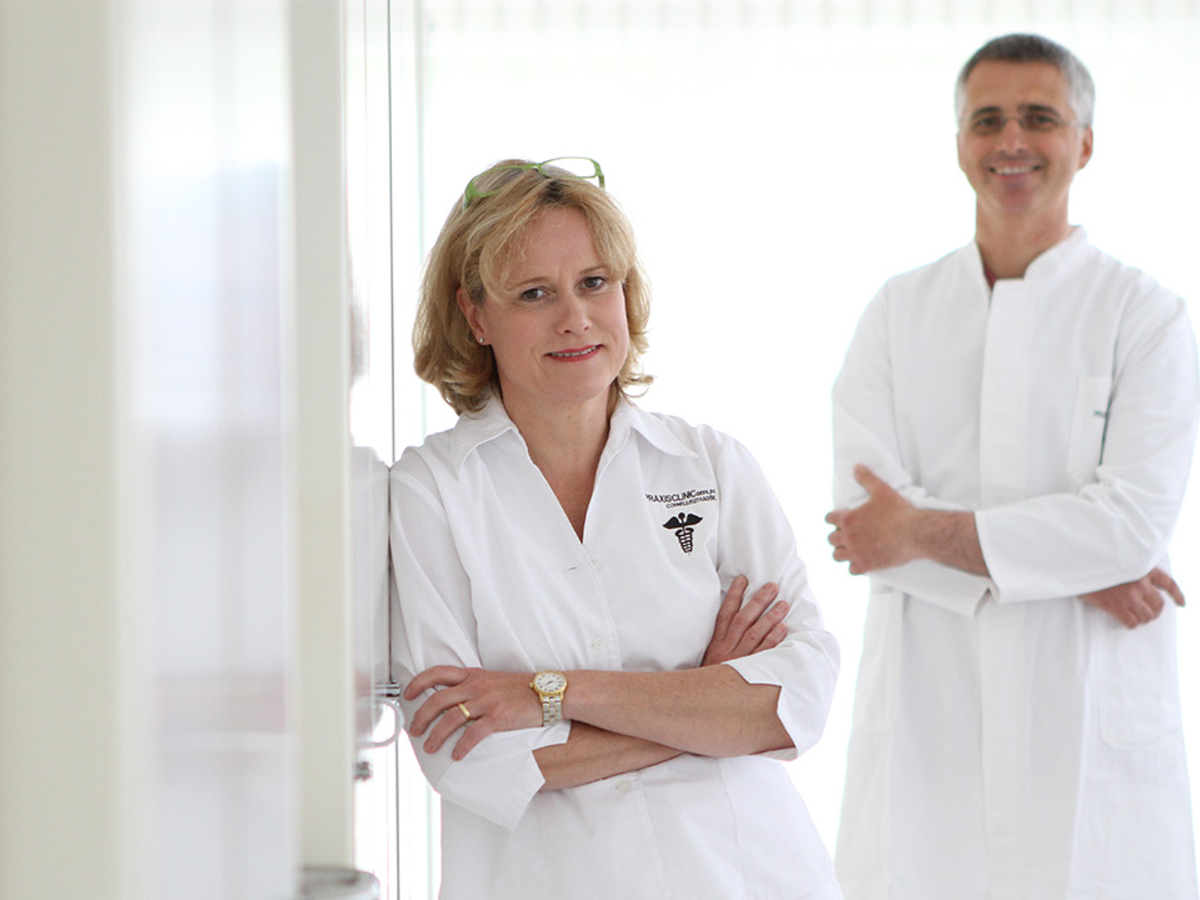
In the southwest of Berlin, in the district of Steglitz near the well-known Schloßstraße and the leafy streets leading towards Zehlendorf, there is a Dental Practice that has consciously shaped its work around these concerns. Zahnarzt-Praxis Berlin Steglitz (Dr. Djamchidi & A. Jannack) combines something quite rare even by German standards: a double approbation in medicine and dentistry on the one hand, and a strong focus on high-level endodontics and aesthetics on the other. For expats and locals alike, this creates a setting where complex implantology, oral surgery, and tooth preservation are carried out with a level of medical depth that builds confidence from the first conversation.
For English-speaking patients, the ability to speak openly about symptoms, fears, and expectations is essential. This Dental Practice in Berlin Steglitz welcomes international patients, offering clear explanations in English, step-by-step treatment planning, and a calm, empathetic atmosphere designed to reduce stress. In the following sections, we explore how this unique combination of expertise, location, and philosophy can make a decisive difference to your oral health and overall well-being.
For many expats moving to Berlin, the first dental appointment in Germany may be delayed again and again. It is easy to postpone until "next month" when you are not sure how the system works. Private or statutory insurance? Cost estimates in German? Different ideas about when to take X-rays or how to handle prophylaxis? Add to this the common fear of dental treatment itself, and suddenly a minor tooth sensitivity can turn into a serious problem because it was ignored for too long.
This is where the concept of a trustworthy, medically grounded Dental Practice becomes crucial. At Zahnarzt-Praxis Berlin Steglitz, the team is familiar with the concerns of international patients: language barriers, cultural differences in healthcare expectations, and the wish to have treatment options clearly explained rather than simply prescribed. The practice offers detailed anamnesis interviews, gentle examinations, and open, honest discussions about whether tooth preservation, prophylaxis, or more extensive measures such as implantology or oral surgery are truly necessary at a given moment.
Dentists in Germany are sometimes perceived as very technical and efficient but not always communicative. This practice consciously counters that stereotype. Here, you are encouraged to talk about your dental anxiety, your previous negative experiences, and your budget and time constraints. Instead of rushing you through a checklist, the dentists and team take the time to understand you as a whole person. That is particularly important when planning complex treatments involving the maxillary sinus floor, root canal treatment, or multi-step aesthetic reconstructions.
When you first step into the building that houses Zahnarzt-Praxis Berlin Steglitz, you immediately notice that you are in a classic Berlin Altbau. High ceilings, generously sized rooms, and traditional staircases remind you that Steglitz is an area where history and everyday life coexist. The practice is not barrier-free; there is no elevator, and patients reach the practice via stairs. For those with mobility limitations, this is an important practical detail to know in advance. Yet, for many others, it adds to the familiar charm of Berlin Southwest: a sense of authenticity that contrasts with anonymous medical centers in glass towers.
Inside the practice, however, the atmosphere focuses on modern dentistry rather than nostalgia. The waiting area and treatment rooms are designed to feel bright and calm, supporting patients who may arrive with nervousness or pain. Here, you meet a team who understands that for an expat, the dental chair is not just a place of treatment but also a place of emotional vulnerability. Being able to communicate in English, to ask for a second opinion, or to request more detailed explanations about biocompatibility of materials and the long-term effects of treatment choices is a core part of the practice's philosophy.
One of the most distinctive characteristics of this Dental Practice is the double approbation of Dr. Djamchidi. As both a fully qualified physician (with specialization in ENT) and a dentist, he brings a rare dual perspective to diagnostic work and treatment planning. This is particularly valuable in implantology and oral surgery, where the interface between dental structures and nearby anatomical regions like the sinuses and airways is critical.
In conventional implantology, dentists focus on the jawbone, the gums, and the mechanical aspects of placing an implant. Success is measured by stable integration into the bone and a functional, aesthetic crown. However, the human body does not segment itself into neatly separated systems. The upper back teeth, for example, are located directly below the maxillary sinus floor. When these teeth are lost and the bone height decreases over time, placing implants safely may require lifting this sinus floor and augmenting the bone – a procedure commonly known as a sinus lift.
For this kind of work, an in-depth understanding of ENT structures is a major safety advantage. As a physician and ENT specialist, Dr. Djamchidi is intimately familiar with the anatomy and physiology of the nasal passages, sinuses, and surrounding soft tissues. He can assess individual variations in sinus shape, ventilation, and mucosal health, and he understands how chronic sinusitis, allergies, or prior surgeries may affect implant planning. This dual training allows for highly precise, minimally invasive decision-making that reduces the risk of complications.
Imagine you need an implant in the upper jaw, in the region where the bone is directly adjacent to the maxillary sinus. A dentist with standard training can read your X-rays or 3D scans and see that a sinus lift might be necessary. A dentist who is also an ENT specialist can add more layers to this picture: How healthy is the sinus mucosa? Are there polyps, cysts, or thickened areas that could interfere with healing? Is the natural drainage of the sinus intact? Should medical or surgical ENT treatment be considered in advance to optimize conditions for implantology?
By integrating this ENT knowledge, the planning of oral surgery becomes more holistic. The aim is not merely to place an implant, but to do so in a way that respects and preserves the surrounding anatomy and function. This includes careful handling of the sinus membrane, choosing the right grafting materials with good biocompatibility, and timing the procedure so that the body can heal efficiently.
Beyond the sinus region, double approbation also supports safer treatment in other medically complex situations. Patients with chronic illnesses, allergies, or a history of head and neck surgeries benefit from a dentist who can also evaluate systemic conditions and medications from a physician's perspective. For example, if you are taking blood thinners, immune-modulating drugs, or medications that affect bone metabolism, having a practitioner who deeply understands their impact on oral surgery and healing is reassuring. It allows for coordination with your general practitioner or specialist and for a nuanced risk assessment before any implantology or oral surgery is performed.
Twilight sleep (also known as conscious sedation) is another area where medical and dental competences intersect. For patients with pronounced dental anxiety or those facing extensive procedures, sedation can make treatment much more tolerable. Having a dentist who is also a physician provides additional confidence in monitoring your general health during sedation, interpreting vital signs, and reacting appropriately if any unexpected reactions occur.
In short, double approbation in medicine and dentistry is far more than a formal title. At Zahnarzt-Praxis Berlin Steglitz, it translates into everyday clinical decisions that are both safer and more personalized – especially in advanced implantology and oral surgery where ENT anatomy and systemic health play key roles.
If implantology and oral surgery are about replacing what has been lost, endodontics is about saving what can be preserved. In this practice, Annette Jannack embodies the philosophy of "Zahnerhalt vor Zahnersatz" – tooth preservation before tooth replacement. Her special interest and advanced training in endodontics and aesthetics make her the go-to person when a tooth is in danger due to deep decay, trauma, or chronic infection.
Endodontics, often simply called root canal treatment, aims to treat the inside of the tooth. Beneath the hard enamel and dentin lies the pulp, a soft tissue containing nerves and blood vessels. When bacteria penetrate deep into the tooth, the pulp can become inflamed or die, leading to intense pain, abscesses, and potential spread of infection into the jawbone. Traditionally, many such teeth were extracted; however, modern endodontic techniques allow for predictable preservation in many cases.
At Zahnarzt-Praxis Berlin Steglitz, root canal treatments are carried out with a high degree of precision, often using microscopic dentistry. Under magnification and with specialized instruments, even extremely fine root canals can be located, cleaned, shaped, and sealed. This is decisive, because missed or poorly cleaned canals are a frequent reason for persistent pain or failure of older root treatments.
The process typically begins with careful diagnosis: clinical examination, sensitivity tests, and detailed radiographs or 3D imaging. This allows Annette Jannack to determine whether the tooth is restorable and what the prognosis is. If saving the tooth is realistic, she will explain the steps involved: local anesthesia, removal of diseased pulp, disinfection of the canals, filling them with biocompatible materials, and finally rebuilding the tooth with an appropriate restoration, often a crown.
Biocompatibility plays a central role throughout this process. The materials used to fill and seal the root canals and to reconstruct the tooth are chosen to be well tolerated by the surrounding tissue and the entire organism. For patients with allergies or heightened sensitivity to certain substances, alternative materials can be considered, and the pros and cons will be discussed in detail.
Beyond the purely technical steps, the endodontic philosophy at this practice is distinctly conservative in the best sense of the word: if a tooth can be preserved with a good long-term prognosis, this is preferred over extraction and implant placement. Natural teeth, when stable and infection-free, often offer better proprioception (the sense of where your teeth meet), more natural chewing function, and can help maintain the original bone structure. Implants are an excellent solution when teeth must be replaced, but they are not the automatic first choice when there is a reasonable chance to save a tooth.
This preservation-first approach does not mean holding on to hopeless teeth at any cost. It means carefully balancing risks and benefits and explaining them transparently. For example, if a tooth has already undergone root canal treatment that has failed, microscopic retreatment might be an option. In other cases, microscopic endodontic surgery at the root tip may be considered. Where the chances of success are too low or the remaining tooth structure is too compromised, extraction and well-planned implantology may still be the better path. In every scenario, the goal is clarity: you should understand why a certain plan is recommended and what the realistic outlook is.
Aesthetics tie into this naturally. After root canal treatment, teeth can become discolored or fragile. Thoughtful aesthetic reconstruction with crowns, partial crowns, or veneers can restore not only function but also appearance. This is particularly important for front teeth, where the way you look when you smile or speak can affect your everyday confidence. Annette Jannack takes a holistic view here, balancing tooth shape, color, and alignment with the overall facial context rather than treating a single tooth in isolation.
Few people look forward to a dental appointment, and for some, the idea alone can trigger intense anxiety. Previous traumatic experiences, the sound of instruments, the smell of disinfectant, or fear of pain can all contribute to avoidance. At Zahnarzt-Praxis Berlin Steglitz, dental anxiety is not dismissed as irrational; it is taken seriously as a complex emotional and physiological reaction that deserves respect.
The practice's anxiety-free concept rests on several pillars. First is communication. Being greeted in a friendly, unhurried way and being able to discuss your fears in English or German without judgment reduces the sense of helplessness that many anxious patients feel. You are encouraged to say what exactly scares you: injections, drilling, the feeling of not being in control, or a particular procedure like root canal treatment or implant placement.
Second is stepwise planning. Rather than rushing into extensive treatment, the team may suggest breaking the process into smaller, manageable steps. A first visit might involve only a thorough check-up, gentle cleaning, and diagnostic imaging, with no invasive treatment. This allows you to build trust gradually and to experience that modern dentistry, especially when performed with minimally invasive techniques, can be far more comfortable than you might remember from past experiences.
Third is the use of modern forms of pain control and, when appropriate, sedation. Highly effective local anesthesia is standard; you should not feel pain during the procedure itself. For patients with strong gag reflexes, intense dental anxiety, or very complex treatments, twilight sleep (conscious sedation) can be discussed. In this state, you remain responsive but deeply relaxed and with little or no memory of the procedure afterwards. Because of the medical expertise present in the practice, this option can be planned and monitored with special attention to your overall health status.
In addition, complementary supportive methods such as gentle communication, relaxation techniques, and – where desired – homeopathic or herbal support may be integrated into the individual plan. While these do not replace scientific dental and medical measures, they can contribute to a more pleasant subjective experience, especially for those who prefer a softer, holistic touch.
Knowing that a second opinion is welcome further supports anxious patients. If you come with an existing treatment plan from another Zahnarzt or dental practice, the team will review it calmly, explain the findings, and discuss alternatives if appropriate. This can be particularly empowering: instead of feeling pressured, you regain a sense of agency in your health decisions.
Steglitz is a district with many faces: bustling Schloßstraße with its shopping centers and cafés, quieter residential streets lined with trees, and well-kept Altbau houses reflecting the history of Berlin Southwest. Zahnarzt-Praxis Berlin Steglitz is located in such a classic Altbau building. For many patients, climbing the stairs up to the practice becomes part of their personal Berlin story: the sound of footsteps on old wooden steps, the bright staircase, and the sense of stepping into a place that has grown with the city.
It is important, however, to be transparent: the practice is not barrier-free. There is no elevator, and patients must be able to manage stairs. If you or a family member has significant mobility limitations, this may be a practical obstacle and should be discussed by phone in advance. Being honest about such constraints is part of the practice's ethical approach.
Once you reach the practice, you benefit from the advantages of this central yet relaxed location. Steglitz is well connected by public transport, including U-Bahn, S-Bahn, and several bus lines. From Schloßstraße, it is easy to reach other parts of Berlin, making appointments convenient even if you live in neighboring districts like Zehlendorf, Lankwitz, or Wilmersdorf. For those arriving by car, the area offers parking possibilities typical of Berlin's southwest residential zones; the practice team can provide current tips about the best options nearby.
Inside, the spacious Altbau rooms offer enough space for modern equipment, comfortable waiting zones, and treatment rooms that feel airy rather than cramped. Natural light and thoughtful design help reduce the sense of clinical coldness that some people associate with medical facilities. In combination with the friendly team, this setting supports the practice's goal: to make your visit as relaxed and transparent as possible, even when complex treatments are planned.
To understand what it feels like to be a patient at this Dental Practice in Berlin Steglitz, imagine the following scenario. You are an expat who has been living in Berlin for a year. For some time, a back tooth has been sensitive to cold, and occasionally you feel a dull ache when chewing. You decide that it is time to seek help before the situation escalates.
After visiting the practice's website and reading about the double approbation and endodontic expertise, you use the contact options to arrange an appointment. You are relieved to learn that English is spoken and that there is experience with international patients. An appointment is scheduled, and you receive information about what to bring – insurance card, prior X-rays if available, and a list of any medications you are currently taking.
On the day of your visit, you arrive a little early. You find the building, recognize the Altbau façade, and climb the stairs to the practice. At reception, you are greeted warmly, and staff help you complete the necessary forms, explaining any German insurance terms that may be unfamiliar. You mention that you are nervous about dental treatment, and they note this in your chart so that the dentist is aware.
During the anamnesis, you sit down with the dentist and discuss your symptoms, medical history, allergies, and any prior dental experiences. Because of the physician background in the practice, your systemic health is also explored: Do you have chronic illnesses? Are you taking medication that might affect healing or bleeding? Have you had ENT issues like sinusitis that could be relevant if more advanced treatment such as implantology is ever needed? You feel that your whole person is being considered, not just one tooth.
A clinical examination follows. The dentist checks your teeth, gums, and bite, explaining what is being done and what is observed. Modern imaging – digital X-rays, for example – is used to examine the painful tooth more closely. You can see the image on a screen, and the dentist points out the structures: enamel, dentin, pulp chamber, and root canals. It becomes clear that the nerve tissue inside the tooth is inflamed and that a root canal treatment is recommended to save the tooth.
At this point, your options are discussed. Extraction and later implant placement are mentioned as theoretical alternatives, but the dentist explains why, in your specific case, preserving the tooth with endodontics is preferable. You learn about microscopic dentistry, the high success rates when such treatments are done carefully, and the role of biocompatible materials in sealing the canals. Your questions about pain, duration, and costs are answered concretely. You are told that local anesthesia will be used so you should not feel pain, that the treatment may require one or more sessions, and that the long-term prognosis is good.
Because of your dental anxiety, the dentist proposes a gentle approach: during the first treatment session, you can take breaks at any time by raising a hand, and the steps will be explained as you go along. If you wish, twilight sleep could also be arranged for future, more extensive procedures, such as if you later need implantology or oral surgery. Knowing that this option exists makes you feel safer, even though you decide to start with standard local anesthesia.
During the root canal treatment, the dentist works quietly and precisely. A dental microscope is used to locate all root canals, and special instruments clean and shape them. Between steps, the tooth is rinsed with disinfectant solutions to remove bacteria and tissue remnants. You feel pressure and vibrations but almost no pain. The team checks in with you regularly, and time seems to pass more quickly than you expected.
After the canals are filled with a biocompatible, sealing material and the tooth is temporarily built up, you receive instructions for the next days: what to expect in terms of mild post-operative sensitivity, which painkillers are safe, and when you can eat normally again. A follow-up appointment is scheduled to complete the final restoration, likely with a crown that will strengthen the tooth structurally and match the color of your other teeth for an aesthetic result.
As you leave the practice, you are surprised at how manageable the experience was. The combination of clear English communication, medical depth, and genuine empathy has reduced your anxiety significantly. You feel that you have taken an important step not only for your tooth but also for your long-term relationship with the German healthcare system.
Of course, not every patient story involves root canal treatment. Some visits will focus on preventive care: professional tooth cleaning, check-ups, and individualized prophylaxis programmes designed to keep your teeth and gums healthy. You might discuss dietary habits, brushing techniques, and the use of interdental brushes or floss. For families, advice on children's dental health and gentle early interventions can be part of the visit. The overarching aim remains the same: to preserve natural teeth whenever possible, to intervene early and minimally invasively, and to avoid the need for more extensive procedures later.
In other cases, the journey may involve implantology and oral surgery. Perhaps you have already lost a tooth, or a crack or fracture makes preservation impossible. Here, the double approbation of Dr. Djamchidi becomes directly relevant again. Before any implant is placed, a thorough analysis is carried out: bone quality and quantity, the position of the maxillary sinus floor in the upper jaw, the course of important nerves in the lower jaw, and your overall medical condition.
Modern imaging, including three-dimensional scans, helps visualize the anatomical situation. If a sinus lift is needed because the bone height is insufficient, this is explained carefully. As an ENT specialist, the dentist can discuss how the sinus membrane will be handled, what materials will be used for grafting, and how to minimize the risk of sinusitis or other complications. For patients with a history of sinus problems, this comprehensive perspective can be particularly reassuring.
Throughout the planning, the practice also pays attention to aesthetics and function. Implants are positioned not only where the bone allows but where future crowns will harmonize with your bite and appearance. Each step is part of a larger concept of oral health: stable chewing function, comfortable speech, easy cleaning, and an appearance that supports your self-confidence.
When looking at all these elements together – double approbation, advanced endodontics, microscopic dentistry, careful prophylaxis, and a patient-centered approach to anxiety and communication – a clear picture emerges. Zahnarzt-Praxis Berlin Steglitz is more than a place where teeth are fixed. It is a Dental Practice that integrates medical and dental knowledge to provide comprehensive care tailored to the complex realities of modern life in Berlin.
For expats, the benefits are especially clear. Having an English-speaking dentist who understands both German healthcare structures and international expectations reduces the feeling of being lost in translation. Clear explanations of treatment options, costs, and timelines help you make informed decisions without pressure. The practice's willingness to provide second opinions and to respect your individual pace builds long-term trust.
For locals, the same qualities translate into a reliable partner for all stages of dental life: from childhood prophylaxis through adult restorative work to age-appropriate solutions in later years. The integration of ENT expertise in implantology and oral surgery, combined with high-level endodontics to preserve natural teeth, means that you do not have to choose between safety and aesthetics; you can have both, guided by a team that sees you as a whole person.
The location in Berlin's southwest – close to Schloßstraße, with easy connections to Zehlendorf, Lichterfelde, and beyond – makes appointments easy to fit into a busy schedule. The Altbau architecture, including the inevitable stairs, offers a quintessential Berlin atmosphere, while the interior of the practice reflects up-to-date dental standards.
Ultimately, what sets this Dental Practice in Berlin Steglitz apart is not just a list of services – implantology, oral surgery, tooth preservation, prophylaxis – but how these services are woven together under one roof. Medical double approbation ensures that complex cases are approached with broad anatomical and systemic insight. Specialized endodontic and aesthetic skills protect and refine what nature has given you. An anxiety-aware, English-speaking team turns potential stress into a manageable, even positive experience.
If you are looking for a Zahnarzt in Berlin who understands both the science of dentistry and the reality of living between languages and cultures, Zahnarzt-Praxis Berlin Steglitz (Dr. Djamchidi & A. Jannack) offers a compelling answer. It is a place where modern medicine meets personal attention – and where your journey towards lasting oral health can begin with a conversation you truly understand.
So schätzen die Börsenprofis Aktien ein!

Für. Immer. Kostenlos.