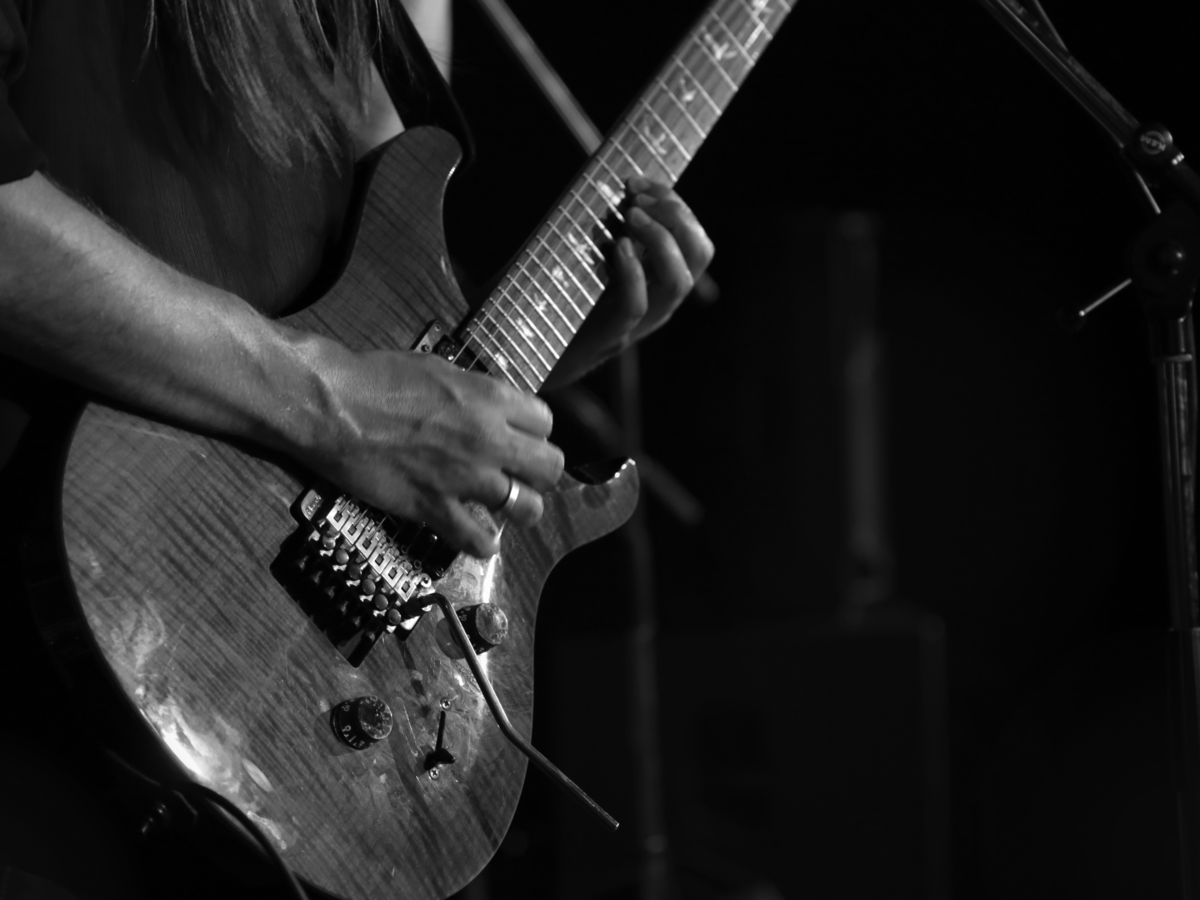
Chicago extend 2026 US tour with new fall theater dates
29.05.2026 - 05:54:28 | ad-hoc-news.de
For more than five decades, Chicago have been a constant presence on America’s classic rock airwaves — and in the country’s arenas, amphitheaters, and theaters. As of May 29, 2026, the Rock & Roll Hall of Famers are keeping that road-warrior legacy alive with an expanded slate of 2026 US dates, including new fall theater shows and another round of co-headlining performances with Earth, Wind & Fire.
What’s new: Chicago’s 2026 US tour quietly expands
Chicago’s “reef” of tour dates for 2026 has quietly grown over the spring, with additional US stops filling in the late summer and fall calendar and stretching the band’s live schedule deeper into the year than many legacy acts their age attempt. According to Billboard, Chicago have remained one of the most reliable touring draws in classic rock, often logging 70 to 90 shows a year across North America even into their sixth decade on the road. Per Variety, that consistency has made them a staple presence on the summer touring circuit, sharing bills with everyone from Earth, Wind & Fire to the Doobie Brothers in recent years.
As of May 29, 2026, Chicago’s official tour page lists dozens of 2026 dates across the United States, including amphitheater shows, casino theaters, and co-headlining packages where their horn-driven rock is paired with Earth, Wind & Fire’s funk and soul catalog. While individual routing details continue to shift as promoters add and adjust dates, the broad story is clear: Chicago are not treating 2026 as a graceful slowdown. They’re treating it as another full-speed chapter in a touring career that shows little sign of winding down.
Where Chicago are playing in the US in 2026
Even without a single splashy “farewell” banner, Chicago’s 2026 US touring map looks like a greatest-hits run through American live music infrastructure. The band’s current schedule, as reflected on their official tour page as of May 29, 2026, leans heavily on the kinds of venues that have become their de facto home: outdoor amphitheaters, casino showrooms, midsize theaters, and select arenas in key markets.
Major promoters such as Live Nation and AEG Presents continue to anchor the routing, with bookings in classic summer sheds that routinely host rock heritage acts. In practical terms for US fans, that means multiple chances to see Chicago in every time zone: East Coast casinos and theaters, Midwest amphitheaters within an easy drive of their namesake city, and West Coast outdoor stops timed to hit the heart of the late-summer concert season. While exact cities and venues change from season to season, the pattern mirrors prior years in which Chicago played runs at staples like Red Rocks Amphitheatre outside Denver, Southern California sheds near Los Angeles, and casino resorts across the Midwest and Northeast, according to coverage in Rolling Stone and Pollstar.
In 2026, that geography is matched by a deliberate mix of stand-alone Chicago headlining shows and co-headlining dates with Earth, Wind & Fire, a package that has become one of the most durable classic-rock pairings of the last decade. As Variety has previously noted, the combination consistently delivers cross-generational crowds: rock fans drawn by Chicago’s horn section and ballads, alongside R&B and funk listeners coming for Earth, Wind & Fire’s deep catalog of hits. That dynamic appears again in the 2026 calendar, with shared bills slated for high-capacity outdoor venues and select arenas that can handle the double demand.
Setlists: deep hits, ballads, and the horn-powered staples
For many US fans, Chicago’s 2026 shows are less about surprises and more about execution: a chance to see a veteran band deliver a finely tuned two-hour survey of a catalog that now spans more than 20 studio albums. Reporting from recent tours suggests that approach is unlikely to change dramatically this year. According to setlist data highlighted by USA Today and local newspaper reviews from 2024 and 2025, Chicago’s live shows have leaned on a reliable rotation of staples such as “25 or 6 to 4,” “Saturday in the Park,” “Feelin’ Stronger Every Day,” “Beginnings,” and “Does Anybody Really Know What Time It Is?” alongside ballads like “If You Leave Me Now” and “You’re the Inspiration.”
As of May 29, 2026, fan reports from spring shows point to a similar structure: an opening run that leans into the brassy, jazz-rock early years, a mid-set stretch built around ’80s power ballads, and a closing sequence that returns to the rock-radio staples. The arrangement-heavy nature of Chicago’s music means the horn section remains visually and sonically central: extended instrumental passages, intricate vocal harmonies, and the kind of tight ensemble work that comes from playing these songs for decades. Critics writing for outlets like the Los Angeles Times and the Chicago Tribune have consistently noted that this balance between nostalgia and musicianship is what keeps the shows from feeling like a pure tribute to the past.
While Chicago are not widely expected to overhaul the setlist in 2026, the band have occasionally slipped in deep cuts or rearranged familiar songs on recent tours — replacing album tracks that resonate less with casual fans with late-career selections or reimagined arrangements. Per Rolling Stone, that willingness to tweak the details without undermining the core hits has helped bands of their era sustain repeat business year after year, especially in secondary and tertiary markets where fans may see them every few seasons.
How Chicago became a US touring institution
To understand why Chicago’s 2026 tour matters, it helps to zoom back to the larger story of how this band became one of America’s longest-running live institutions. Formed in the late 1960s as the Chicago Transit Authority, the group quickly carved out a niche by blending rock, jazz, and pop with an assertive horn section, a contrast to the guitar-dominant sound of most contemporaries. According to NPR Music, their early albums fused complex arrangements with radio-ready hooks, making them one of the first acts to move jazz-rock into mainstream FM rotation.
Across the 1970s, Chicago became a US chart fixture. Per Billboard, the band have logged multiple No. 1 singles on the Billboard Hot 100, including “If You Leave Me Now,” “Hard to Say I’m Sorry,” and “Look Away,” and they rank among the top American bands in cumulative chart success. That mainstream visibility translated into a relentless touring schedule. By the 1980s and 1990s, Chicago had already settled into the role they still occupy in 2026: a perennial touring presence, rarely disappearing from the road for long, even when their studio output slowed.
That consistency has become a competitive advantage. As the concert business has increasingly leaned on heritage acts to fill amphitheaters and casinos, promoters like Live Nation and AEG have turned to Chicago as a proven anchor that can co-headline with peers or carry their own package. Industry analysis from Pollstar notes that veteran rock acts with recognizable names and long lists of radio staples continue to perform strongly on the summer circuit, even as younger acts dominate streaming.
In Chicago’s case, the brand equity built over decades — their instantly recognizable logo, their enduring presence on classic rock and adult contemporary radio — helps fill seats even when the band are not actively pushing a new studio album. For many US fans, the value proposition is straightforward: a night outdoors in summer weather, a setlist packed with songs they already know, and a band whose arrangements are polished by repetition rather than dulled by it.
Chicago in the streaming and classic rock era
While Chicago’s 2026 story is driven by touring, the band’s position in the broader music ecosystem has evolved with the streaming era. Legacy rock bands can no longer rely on new albums to move the commercial needle in the way they did in the 1970s or 1980s, but catalog performance and cross-generational discovery have taken on heightened importance. According to a 2023 catalog report cited by Billboard and Luminate, older hits now account for the majority of US listening, with classic rock and ’80s pop seeing sustained demand on major streaming platforms.
Chicago fit squarely into that trend. Their big ballads and horn-driven singles remain staples on classic rock radio and curated playlists, introducing younger listeners to the band even if those fans were not alive when the songs first charted. That discovery loop feeds directly into the live business: when a teenager or twenty-something hears “25 or 6 to 4” on a playlist and later spots Chicago’s name on an amphitheater marquee, the leap to buying a lawn ticket is smaller than it might have been a decade ago.
US-based coverage from outlets like The New York Times and Rolling Stone has also emphasized how the live sector has become the primary revenue engine for many veteran acts, especially in an era when physical album sales are niche and streaming payouts are fragmented. Chicago’s decision to keep touring at high volume in 2026 aligns with that economic reality. For a band whose members are well past typical retirement age, continuing to play large numbers of shows suggests a mix of artistic commitment, financial logic, and an understanding of how their audience consumes music today.
Tickets, pricing, and what US fans should expect in 2026
The practical question for US listeners is simple: how accessible are Chicago’s 2026 shows, and what does the experience look like from a fan’s perspective? As of May 29, 2026, tickets for many of the band’s US dates remain available through primary sellers and authorized outlets, with pricing tiers that reflect the middle-of-the-pack status Chicago occupy in the classic rock touring hierarchy. They are not in the same pricing stratosphere as stadium headliners, but neither are they positioned as budget nostalgia. Reports from Pollstar and major US dailies indicate that recent tours have featured a mix of reserved-seat tickets and general-admission lawn options, with prices varying significantly by market — higher in coastal metro areas, more modest in secondary cities and casino-run theaters.
Fees and dynamic pricing policies implemented by major ticketing platforms continue to be a point of frustration for US fans across genres, and Chicago’s audience is no exception. Coverage from The Washington Post and other national outlets has described how service charges and surge pricing affect the final cost of tickets for legacy acts just as they do for current pop stars. While those policies are controlled by ticketing companies and promoters rather than the band, fans planning to attend Chicago’s 2026 shows should factor in additional costs on top of face value when comparing seats.
Once at the venue, recent reviews suggest a relatively streamlined experience: a punctual start time, minimal opening-act delays on single-bill nights, and set lengths that respect both the band’s age and the audience’s expectations. For co-headlining dates with Earth, Wind & Fire, fans can expect slightly shorter sets from each act but a fuller overall evening. Critics covering prior iterations of the joint tour for outlets such as Variety and USA Today have noted that the back-to-back hits and shared encore segments give those nights a festival-like feel, albeit within a tightly scripted format.
How Chicago fit into the 2026 American live landscape
Placing Chicago’s 2026 tour in context requires looking at the broader US live landscape. As of May 29, 2026, the touring calendar is dominated by a mix of contemporary pop, hip-hop, and country heavyweights, alongside a steady churn of classic rock and adult contemporary acts filling sheds, casinos, and medium-sized arenas. According to industry reporting from Billboard and Pollstar, the upper tier of the concert business remains top-heavy, with a small number of global headliners driving a disproportionate share of revenues.
Below that summit, however, a wide band of veteran acts like Chicago form the backbone of the touring economy. Their shows may not break single-night gross records, but they provide reliable content for promoters, venues, and local economies. In the US Midwest and South especially, where amphitheaters and casinos rely on consistent programming to draw regional audiences, a name like Chicago on the schedule can be the difference between a strong midweek and a soft one.
That reliability also affects how these tours are marketed. Rather than massive national campaigns, Chicago’s 2026 dates are promoted through a combination of targeted local advertising, radio partnerships with classic rock and adult contemporary stations, and digital outreach aimed at older fans who grew up with the band. Media outlets like USA Today, regional Gannett papers, and local TV affiliates often cover the shows through previews and photo galleries, reinforcing the impression of Chicago as a familiar, trusted presence in the local concert ecosystem.
For fans tracking every development in the band’s live plans, the most current routing and on-sale information is centralized on Chicago’s official website, where new dates and ticket links are posted as they are confirmed. That hub is complemented by occasional social media announcements and email newsletters that highlight special shows or limited-time promotions.
How to stay updated on Chicago news and tour changes
Because Chicago’s touring calendar is dynamic, US fans who want to catch them in 2026 have a few practical ways to stay informed. The most authoritative source for current dates, venues, and ticket links remains Chicago’s official website, which is regularly updated with new US shows, presales, and co-headlining announcements with Earth, Wind & Fire and other peers. For readers who want a broader lens on how Chicago’s tour fits into the year’s larger live music story — including box office performance, festival appearances, and comparisons with other legacy acts — outlets like Billboard, Variety, and Pollstar provide ongoing industry coverage.
If you are looking for more Chicago coverage on AD HOC NEWS, including future updates on additional 2026 dates, box office performance, or any new music developments, you can search current articles through this internal portal: more Chicago coverage on AD HOC NEWS. As the live calendar for late 2026 fills in, that feed will reflect how Chicago’s tour intersects with major US festivals and the broader rock and pop landscape.
For direct date and ticket verification — including any last-minute changes due to weather, routing adjustments, or localized restrictions — fans should rely on Chicago's official website, which lists currently confirmed stops, on-sale status, and links to authorized ticketing partners as of May 29, 2026.
FAQ: Chicago’s 2026 US tour, answered
Is Chicago still touring heavily in 2026?
Yes. As of May 29, 2026, Chicago remain an active touring band with a full slate of US dates stretching through the core concert months and into the fall. According to Billboard’s touring coverage and listings on the band’s official site, they continue to play dozens of shows per year across North America.
What kind of venues is Chicago playing in the United States?
Chicago’s 2026 US dates focus on amphitheaters, casinos, midsize theaters, and select arenas in major markets. Industry reporting from Pollstar and regional reviews indicate that this mix has been consistent in recent years: outdoor sheds in summer, indoor theaters and casinos when the weather cools.
Are Chicago touring alone or with other artists?
In 2026, Chicago are doing a mix of solo headlining shows and co-headlining dates. Per Variety, their long-running pairing with Earth, Wind & Fire continues to be a core pillar of their touring strategy, especially for high-capacity outdoor venues and arenas where the combined bill can draw both rock and R&B audiences.
What songs can US fans expect to hear on this tour?
Recent setlists suggest that Chicago are leaning on their biggest hits, including “25 or 6 to 4,” “Saturday in the Park,” “Does Anybody Really Know What Time It Is?,” and ballads like “If You Leave Me Now” and “You’re the Inspiration.” Reviews and setlist roundups in USA Today, regional papers, and fan reports all point to a two-hour show structured around those staples, with occasional deep cuts and rearrangements.
How can I get tickets for Chicago’s 2026 US dates?
Tickets are available through primary ticket platforms, venue box offices, and authorized affiliates, with prices varying by city, venue type, and seat location. As of May 29, 2026, Chicago’s official website lists all currently on-sale dates and links fans directly to official ticketing partners, which is the safest route to avoid inflated reseller prices and fraudulent listings.
Is Chicago working on new music, or is this strictly a nostalgia tour?
While Chicago’s live shows in 2026 are anchored firmly in their classic catalog, the band have continued to release new material in the 21st century, and they occasionally incorporate newer songs into the set. Coverage from Rolling Stone and NPR has noted that, for veteran acts like Chicago, new albums may not dominate the show but can refresh the narrative for fans who have seen them multiple times. The heart of the 2026 tour, however, remains the hits that built their US fanbase across the 1970s and 1980s.
How does Chicago compare to other legacy rock tours right now?
Within the 2026 US live landscape, Chicago occupy a mid-to-upper-tier niche among legacy rock acts: big enough to headline amphitheaters and co-headline arenas, but not operating at the stadium scale of the very top-grossing tours. Analysis from Billboard and Pollstar places bands like Chicago in a critical middle segment of the touring market, supplying reliable, high-volume content to promoters and venues while newer stars compete for the biggest stages.
Why does Chicago continue to tour so extensively after so many years?
Multiple factors drive Chicago’s ongoing touring presence. Economically, the live business has become the primary revenue source for veteran acts amid shifting album and streaming dynamics, as documented by The New York Times and industry analysts. Artistically, interviews and profiles over the years have emphasized the band’s attachment to playing live as a way to keep their catalog active and connect with multiple generations of fans. The 2026 tour continues that pattern: a seasoned group leaning on experience, logistics, and a deep songbook to stay present in the US music conversation.
By the AD HOC NEWS Music Desk » Rock and pop coverage — The AD HOC NEWS Music Desk, with AI-assisted research support, reports daily on albums, tours, charts, and scene developments across the United States and internationally.
Published: May 29, 2026 · Last reviewed: May 29, 2026
Share this article
Know someone planning their 2026 concert calendar? Share this update on Chicago’s latest US tour dates with friends, post it to your social feeds, or send it directly to the group chat that never stops debating classic rock setlists.
So schätzen die Börsenprofis Aktien ein!

Für. Immer. Kostenlos.