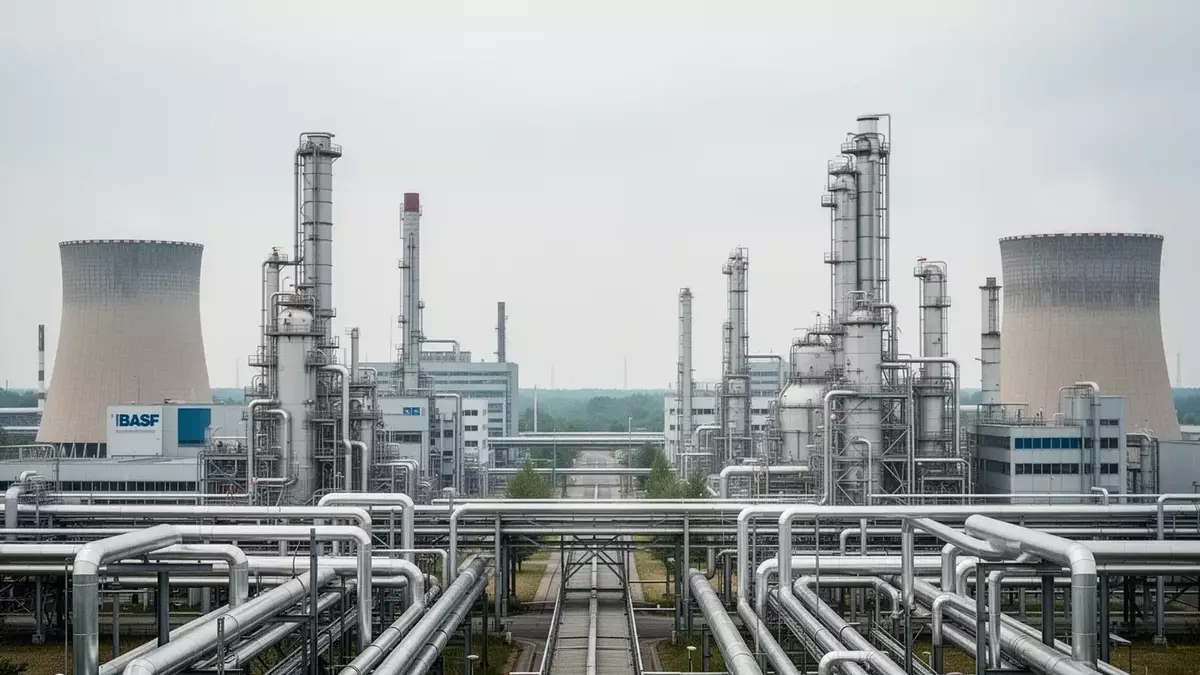
BASF Targets Solid-State Battery Market as €1.5 Billion Buyback Concludes
11.06.2026 - 03:15:05 | boerse-global.de
The chemical giant has chosen the Battery Show Europe in Stuttgart to unveil a new product that could reshape its role in the electric-vehicle supply chain — just as one of the strongest props under its own shares is about to disappear.
Oppanol N PLUS, a binder based on polyisobutylene (PIB), is designed specifically for solid-state batteries. BASF has been working with PIB for 95 years, deploying it in everything from chewing gum to roofing membranes. Now the company believes it can unseat the incumbent standard, PVDF, in next-generation energy storage.
The key technical advantage lies in chemistry. PIB is non-polar and hydrocarbon-based, making it compatible with sensitive solid electrolytes — particularly sulfide-based systems that react aggressively with the polar polymers used in PVDF. PVDF also requires the toxic solvent NMP, forcing battery makers to invest in expensive recovery systems. Oppanol N PLUS sidesteps that problem entirely.
In the battery, the binder holds cathode, anode and electrolyte together while keeping them separated. Its high elasticity compensates for mechanical stress during charge and discharge cycles, extending cell life. BASF also stresses that tight product specifications reduce manufacturing variability, cut quality-control costs and speed up production tweaks — a crucial argument for an industry racing to scale.
Should investors sell immediately? Or is it worth buying BASF?
Yet this innovation arrives as the company faces a confluence of headwinds on the financial side. The first tranche of BASF’s share buyback program, which has seen the group repurchase nearly €1.5 billion worth of its own stock since November 2025, ends this month. In the first week of June alone, BASF bought back around 2.75 million shares. The total since the program began stands at roughly 27.8 million shares. Management has not yet set a date for the next tranche, though the group has pledged to return at least €12 billion to shareholders through dividends and buybacks between 2025 and 2028.
The lack of clarity on timing is weighing on sentiment. The stock closed at €48.05 on Wednesday, roughly 8% below its 50-day moving average. The relative strength index (RSI) of 30.6 signals an oversold condition. Chart-watchers are eyeing the 200-day moving average at €46.89 as a critical support level. If that breaks, the technical picture could darken further. Goldman Sachs recently trimmed its price target to €63, citing persistent headwinds in the broader chemicals market.
Meanwhile, BASF’s influence at one of its key oil-and-gas holdings is waning. The group’s stake in Harbour Energy has fallen below 25%, triggering a reduction in board representation. Hans-Ulrich Engel stepped down from his seat on June 8. The retreat is consistent with management’s stated focus on core operations.
BASF at a turning point? This analysis reveals what investors need to know now.
That focus is being sharpened through the “CoreShift” efficiency program, which targets a 20% reduction in cash fixed costs in the core business by 2029 compared with 2024 levels. The core business — comprising the Chemicals, Materials, Industrial Solutions and Nutrition & Care segments — generates roughly €40 billion in annual revenue. A separate cost-cutting track aims to deliver around €2.3 billion in annual savings by the end of 2026.
All eyes now turn to July 30, when CEO Markus Kamieth will present the half-year report. That day will also bring updated cash-flow figures and a likely recalibration of the full-year outlook. Investors will be watching closely to see whether the battery-binder story can offset the fading support from the buyback and the still-challenging industrial backdrop.
Ad
BASF Stock: New Analysis - 11 June
Fresh BASF information released. What's the impact for investors? Our latest independent report examines recent figures and market trends.