Your Trusted Dental Practice in Berlin Steglitz for Expats and Locals
28.03.2026 - 07:01:08 | ad-hoc-news.de
Arriving in a new country comes with a long checklist: Anmeldung, health insurance, bank account, maybe a German course. Seeing a dentist often drops to the bottom of the list, at least until something hurts. When that sudden toothache, broken filling, or sensitive implant appears, many expats in Berlin face the same dilemma: how do you find a trustworthy Dental Practice that speaks your language, understands your medical background, and feels safe when everything around you is still unfamiliar?
For many international residents, the idea of visiting a dentist in a foreign system is intimidating. You may wonder what your insurance will cover, whether anyone will speak English clearly enough to explain your options, or whether you will feel pressured into treatments you do not fully understand. Dental anxiety can become even stronger when you cannot fully express your fears or past experiences in the local language.
In Berlin, there are many competent practices. But very few combine deep medical expertise, especially in Implantology and Oral Surgery, with genuine cross-cultural communication and a focus on tooth preservation. Zahnarzt-Praxis Berlin Steglitz (Dr. Djamchidi & A. Jannack) stands out in exactly this intersection: international-friendly, medically advanced, and human in the best possible way.
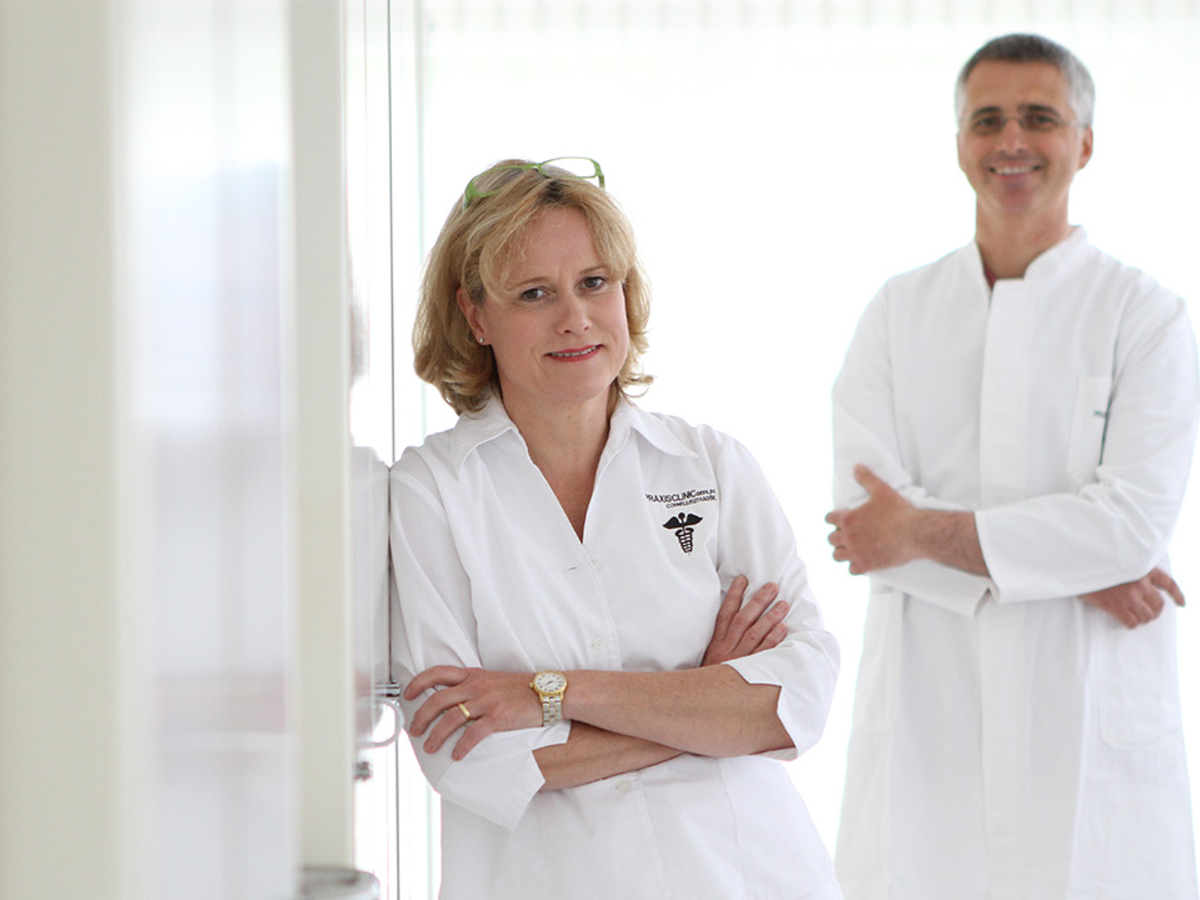
This Dental Practice in Berlin Steglitz is not just another clinic along Schloßstraße or in Berlin Southwest. It is led by a rare team: a double-approved physician and dentist with ENT specialization, and a dentist focusing on Endodontics and minimally invasive tooth preservation. Together they create an environment where safety, precision, and empathy meet the specific needs of expats and locals alike.
Understanding why this practice may be the right choice starts with the unique medical background of its leading dentist, and how that directly benefits you as a patient.
One of the most unique strengths of Zahnarzt-Praxis Berlin Steglitz is the so-called "double approbation" of its founder, Dr. Djamchidi. In the German medical system, "Approbation" refers to the full state license to practice medicine. Holding one approbation is standard. Holding two approbations – one as a medical doctor (physician) and one as a dentist – is exceptionally rare.
This means that when you sit in the treatment chair for a dental implant or a more complex Oral Surgery procedure, you are being treated by someone who is not only a Zahnarzt but also a fully trained physician with ENT (Ear, Nose, and Throat) specialization. In practical terms, this adds a whole extra dimension of safety and diagnostic depth to your treatment.
Implantology is a highly precise field. Placing a dental implant in the upper jaw is not just about the jawbone and the missing tooth. Directly above the roots of the upper molars lies the maxillary sinus, an air-filled cavity within the facial bones that is part of your nasal system. When teeth are lost in this region, the bone often shrinks over time. To anchor an implant securely, the bone height between the oral cavity and the maxillary sinus must be sufficient to protect the sinus membrane and ensure long-term stability.
In many patients, especially after years without teeth in that area, the bone is too thin for a standard implant. This is where sinus lift procedures come into play. During a sinus lift, the floor of the maxillary sinus is carefully elevated, and bone substitute material is placed to create a stable foundation for the future implant. It is a delicate surgery that lies at the border between dentistry and ENT medicine.
This transitional zone is exactly where a double-qualified MD and DDS makes a difference. As an ENT specialist, Dr. Djamchidi understands the anatomy, physiology, and disease patterns of the nasal cavity, paranasal sinuses, and upper airway in far greater detail than a dentist alone typically would. He is trained to recognize subtle signs of chronic sinusitis, mucosal thickening, anatomical variations, or previous ENT surgeries that could influence implant planning and healing.
Imagine you are an expat who has already had sinus problems, allergies, or nasal polyps in the past. You might be worried that dental implants in the upper jaw could worsen your breathing or trigger infections. In this Dental Practice, your concerns are not dismissed; they are systematically assessed from both a dental and ENT perspective. Using his combined expertise, Dr. Djamchidi can evaluate the maxillary sinus floor, consider your broader ENT history, and recommend an implant solution that respects both your oral and nasal health.
Moreover, double approbation means that general health factors such as cardiovascular disease, blood-thinning medication, metabolic disorders like diabetes, and complex medication plans are understood through a physician's lens. Before your Oral Surgery, he can carefully check how your systemic health interacts with local treatment. For example, planning extractions or implants under anticoagulant therapy requires detailed risk assessment; being able to think and act as both doctor and dentist significantly enhances safety.
Biocompatibility is another dimension where this dual training proves valuable. Every material placed in your body, from implant screws to bone substitutes and suture materials, interacts with your immune system. While modern implant materials are generally safe, patients with allergies, autoimmune conditions, or complex immune responses need extra caution. A physician-dentist like Dr. Djamchidi can interpret allergy tests, evaluate possible cross-reactions, and, where appropriate, choose alternative materials or coordinate with other specialists.
For expats who may come from medical systems where specialists rarely communicate with one another, this integrated view can be reassuring. Instead of sending you from one practice to the next, Zahnarzt-Praxis Berlin Steglitz often bridges the gap between ENT and dental medicine right in the same room. This does not replace collaboration with other doctors when needed, but it raises the quality of first-line assessment and minimizes preventable complications.
Additionally, sedation and twilight sleep options can be planned with a more holistic perspective on your health. When sedation is considered for Dental Anxiety or longer surgeries, having a practitioner who fully understands your systemic conditions, medications, and respiratory status reduces the risks. Issues like obstructive sleep apnea, asthma, or chronic nasal obstruction can influence airway stability during sedation; an ENT-trained physician is uniquely equipped to handle such nuances.
In essence, the double approbation of Dr. Djamchidi transforms Implantology and Oral Surgery from isolated dental procedures into carefully orchestrated medical interventions. This is particularly meaningful for those who have complex health histories, previous ENT or sinus issues, or a strong need for transparent, well-explained medical reasoning in English.
While implants and surgery are essential, good dentistry starts long before a tooth needs to be replaced. This is where Annette Jannack, co-leading the Dental Practice in Berlin Steglitz, brings her deep expertise in Endodontics and minimally invasive tooth preservation.
Endodontics is the field that focuses on the inside of the tooth – the pulp, nerve, and fine root canal system that anchors each tooth in the jawbone. Many people associate root canal treatment with pain, but modern Endodontics is in fact designed to relieve pain and save teeth that would previously have been extracted. For expats accustomed to different standards of care, it is often surprising how much can now be preserved when technology and expertise are combined.
The philosophy at Zahnarzt-Praxis Berlin Steglitz is clear: saving the natural tooth comes before placing a crown, bridge, or implant whenever medically reasonable. In German, this concept is called "Zahnerhalt vor Zahnersatz" – tooth preservation before tooth replacement. It respects the biological fact that your own tooth, with its natural ligament and bone integration, is a highly sophisticated structure that no artificial material can fully replicate.
When a tooth becomes inflamed or infected, for example after deep caries or a trauma, bacteria can reach the pulp. Without treatment, this leads to severe pain, abscess formation, and eventually bone loss around the root tip. In the past, extraction was often seen as the only solution. Modern Endodontics instead aims to remove the infected tissue, disinfect the root canal system, and seal it tightly to prevent re-infection.
Under the guidance of A. Jannack, this process is carried out using modern instruments and techniques, often enhanced by microscopic dentistry. Operating microscopes or high-magnification loupes allow the dentist to see tiny root canals, additional branches, or unusual curvatures that would be invisible to the naked eye. This matters because one of the main reasons for failed root canal treatments is an undetected canal that still harbors bacteria. Precision vision leads to precise cleaning and filling.
Microscopic dentistry does not only increase success rates; it also supports minimally invasive treatments. Instead of removing large amounts of tooth substance to "be safe", targeted access cavities and gentle instrumentation preserve as much healthy structure as possible. Over the long term, this makes teeth more resistant to fracture and allows for more conservative restorations.
Another central element is the choice of materials used inside the root canal system. Biocompatibility plays a major role here as well. Modern filling materials and sealers are chosen not only for their sealing ability but also for their compatibility with surrounding tissues. Inflammatory responses can be minimized, and in some cases, the body's own healing capacity at the root tip can be reactivated.
After successful Endodontics, many teeth can remain in function for decades. For an expat living in Berlin temporarily or long-term, this can be crucial. Instead of rushing into an implant because you are not sure how long you will stay, preserving your tooth buys you time and flexibility. Should an implant become necessary later, the bone conditions are often better when the tooth has been maintained as long as reasonably possible.
By placing tooth preservation at the center, the practice also offers a form of financial realism. High-quality Implantology and Oral Surgery are investments; if a natural tooth can be saved predictably through well-performed root canal treatment, it often represents a medically and economically wise option. As an English-speaking dentist, A. Jannack can explain these alternatives in detail, allowing you to make an informed choice aligned with both your health and your budget.
For many people, the emotional side of dentistry is as important as the technical one. Dental Anxiety is common worldwide, but it can be even more intense when you are sitting in a chair surrounded by a foreign language and unfamiliar routines. Perhaps you have had traumatic experiences with dentists in the past. Maybe the sound of a drill alone triggers physical tension. Or you simply fear losing control during a procedure you do not fully understand.
Zahnarzt-Praxis Berlin Steglitz takes this seriously. The entire concept of the practice is designed to reduce anxiety, from the first phone call or email to the final follow-up visit. Being welcomed in clear English, or in German if you prefer, already removes one major stressor: fear of misunderstanding. During your anamnesis and consultation, you are encouraged to talk openly about previous experiences, fears, and expectations.
The team emphasizes empathy instead of judgment. If you have not seen a dentist for many years, no one will blame you. Instead, they focus on what can be done now to stabilize your oral health and make future visits easier. Detailed explanations, images, and, when helpful, models are used to show what is happening in your mouth, what treatment options exist, and what each step will feel like.
For those with pronounced Dental Anxiety, the practice offers various levels of support. These can range from gentle, minimally invasive techniques with frequent breaks to pharmacological options such as sedation or twilight sleep. Twilight sleep, also known as conscious sedation, is a state in which you remain responsive but are deeply relaxed and often remember little of the procedure afterwards. It is particularly helpful for longer implant surgeries or extensive oral rehabilitation.
Because the leading practitioner is also a physician and ENT specialist, risk assessment for sedation is conducted with a thorough understanding of your airway and general health. This adds another layer of safety, which can be especially comforting if you have underlying conditions like asthma, cardiovascular disease, or sleep apnea.
Beyond pharmacological support, the practice is open to complementary measures such as homeopathy or calming herbal preparations when these align with your beliefs and medical profile. While not a replacement for evidence-based medicine, they can be part of a holistic strategy to make treatment feel more manageable.
The goal is always the same: to transform the dental visit from a source of fear into a manageable, even positive, experience. Over time, many patients find that their anxiety decreases as trust and familiarity grow. This is particularly valuable for expats who might otherwise postpone dental care for years due to fear and uncertainty.
When you first arrive at the practice, you will immediately notice something that feels very Berlin: the building itself. Zahnarzt-Praxis Berlin Steglitz is housed in a classic Altbau – a historic building with high ceilings, characterful staircases, and that unmistakable old-Berlin charm. As is typical for many Altbau structures, there is no elevator. Access to the practice is via stairs, which is important to know if you have significant mobility limitations.
Instead of hiding this fact, the practice communicates it openly. For many patients, the staircase becomes part of the authentic Berlin experience, a reminder that not every medical facility needs to feel like a sterile, anonymous clinic. The high ceilings, large windows, and period architecture create a warm, human-scale environment that feels more like a welcoming city apartment than a hospital corridor.
The location in Steglitz offers practical advantages as well. Situated in Berlin Southwest, the practice is easily accessible from major hubs such as Schloßstraße, one of Berlin's most important shopping streets. Public transport connections via U-Bahn and buses are convenient, making it an easy visit whether you are coming from Zehlendorf, Lichterfelde, or even more central districts.
For those who drive, the surrounding area offers reasonable parking options compared to inner-city neighborhoods. Having the ability to arrive by car can be particularly helpful after Oral Surgery or Implantology sessions, when you may prefer a direct and comfortable journey home.
While the lack of barrier-free access may pose challenges for some, many patients value the combination of centrality, charm, and the feeling of being treated in a calm, established part of the city. Steglitz and neighboring Zehlendorf have long been known for their mix of residential comfort, green spaces, and good medical infrastructure. Placing a high-level Dental Practice in this context fits well with the lifestyle of many families, professionals, and international residents in the area.
To understand how this practice works in everyday life, imagine a typical patient journey for an English-speaking expat who has recently moved to Berlin. Let us call her Emma. She has been living here for six months, working in a startup, and has noticed increasing sensitivity and occasional pain in one of her upper molars. She is anxious about dentists and unsure how her German public or private insurance interacts with dental treatment.
After searching online for an English-speaking Dental Practice in Berlin Steglitz, Emma finds the practice website and learns about the double approbation of Dr. Djamchidi and the Endodontics focus of A. Jannack. The idea of having a medically comprehensive approach reassures her. She sends an email in English, briefly explaining her symptoms and insurance status.
The response is prompt, clear, and in fluent English. The team invites her to an initial consultation, explaining what documents to bring and how the billing will generally work in the German system. Already, some of Emma's bureaucratic fear is reduced.
On the day of her appointment, she arrives in Steglitz, walks past the Altbau facades, and finds the entrance to the practice. She climbs the stairs, slightly out of breath but appreciative of the classic Berlin ambiance. Inside, the atmosphere is calm and friendly. The waiting room feels more like a comfortable living room than a clinic hallway.
Emma fills out a detailed anamnesis form, including her medical history, allergies, medications, and previous dental experiences. When she meets the dentist, they take extra time to discuss her fears, expectations, and lifestyle. She is encouraged to ask questions at any point.
A thorough clinical examination follows, often supported by digital X-rays or three-dimensional imaging if necessary. Given Emma's symptoms and the location of the pain near the maxillary sinus, the double expertise of the practice becomes immediately relevant. The dentist evaluates not only the tooth but also the relationship to the maxillary sinus floor and checks whether any sinus issues might be contributing to her discomfort.
The diagnostic picture shows that the molar has deep caries and a compromised pulp, but the surrounding bone and sinus structure are otherwise healthy. Instead of recommending extraction and immediate Implantology, the dentist explains that the tooth can likely be saved with high-quality root canal treatment under microscopic guidance. Emma is relieved to hear that her natural tooth might be preserved.
Together, they review the treatment plan: how many appointments will be needed, what each step will involve, and how pain will be managed. Financial aspects and insurance coverage are addressed transparently. Because she still feels nervous, options for mild sedation or anxiety-reducing strategies are discussed. In the end, Emma decides to proceed with local anesthesia and frequent breaks, knowing that sedation remains an option if her anxiety becomes overwhelming.
During the root canal session, the dentist uses microscopic dentistry to carefully access and clean the root canals, paying particular attention to preserving as much healthy tooth structure as possible. Emma is regularly informed about what is happening, and her comfort is monitored closely. The procedure, which she once feared, turns out to be far more tolerable than expected.
In follow-up appointments, the tooth is restored with a durable filling or crown, and the practice discusses long-term Prophylaxis strategies with her. Regular professional cleanings, tailored oral hygiene advice, and early detection of future problems become part of her new routine. Over time, Emma's Dental Anxiety decreases, largely because her experiences at the practice consistently match the promise of gentle, respectful care.
For other patients, the journey may involve Implantology or more complex Oral Surgery, particularly when teeth cannot be saved. In such cases, the dual training of Dr. Djamchidi ensures that preoperative planning includes comprehensive health and ENT considerations. Sinus lifts near the maxillary sinus, bone augmentations, or multiple implant placements are explained step by step, so patients understand not only the "what" but also the "why" behind each recommendation.
Throughout, the practice remains accessible in English, from reception to chairside communication. This is especially important when discussing subtle issues like biocompatibility, long-term maintenance, and the pros and cons of various materials or techniques. Being able to make a truly informed decision in your own language is a key component of modern, ethical healthcare.
In a city as dynamic and diverse as Berlin, choosing the right Zahnarzt or Dental Practice is about more than just proximity. It is about trust, communication, medical depth, and a sense that your individual history truly matters. Zahnarzt-Praxis Berlin Steglitz (Dr. Djamchidi & A. Jannack) brings together several rare advantages under one roof.
First, the double approbation of Dr. Djamchidi – as both physician and dentist with ENT specialization – offers a uniquely safe and comprehensive foundation for Implantology and Oral Surgery. Procedures involving the maxillary sinus, sinus lifts, and complex systemic conditions are handled with a broader medical understanding than usual, which is particularly reassuring for patients with complicated health histories.
Second, the strong focus on Endodontics and tooth preservation led by Annette Jannack reflects a clear, patient-centered philosophy: Zahnerhalt vor Zahnersatz. Rather than defaulting to extraction and replacement, the practice invests in modern, microscopic dentistry, biocompatible materials, and careful root canal treatments aimed at maintaining your natural teeth whenever medically sensible.
Third, the anxiety-aware, expat-friendly environment addresses emotional as well as technical needs. English-speaking dentists and staff, transparent explanations, options for sedation and twilight sleep, and a respectful handling of past dental trauma all contribute to a sense of security that many international patients deeply value.
Fourth, the setting in a classic Steglitz Altbau offers an authentic Berlin atmosphere while remaining conveniently located near Schloßstraße and Berlin Southwest transport lines. Although the building is not barrier-free and access involves stairs, the practice compensates with clarity, warmth, and a human-centered approach that many patients prefer over anonymous clinic environments.
Finally, the practice integrates Prophylaxis, Tooth Preservation, and high-level Implantology into a coherent long-term strategy. Whether you are a student staying a few years, a professional settling in Zehlendorf with your family, or a long-term resident of Steglitz, the practice is designed to accompany you through the full spectrum of dental health – from early prevention to complex rehabilitation.
For expats and locals alike, this combination of medical excellence, honest communication, and authentic Berlin character makes Zahnarzt-Praxis Berlin Steglitz a standout choice. If you are looking for a Dental Practice where your health history is seen in full, your fears are taken seriously, and your questions are answered in clear English, this may well be the place where your search ends and your long-term dental health journey in Berlin begins.
So schätzen die Börsenprofis Aktien ein!

Für. Immer. Kostenlos.