Why Whitney Houston Still Owns Pop Culture in 2026
11.03.2026 - 05:29:39 | ad-hoc-news.de
You keep seeing Whitney Houston on your feed again, right? Clips of that insane "I Will Always Love You" note, Gen Z trying (and mostly failing) to match her runs on TikTok, and headlines about new tributes, reissues, and anniversary moments. More than a decade after her passing, Whitney isn’t fading into nostalgia. She’s moving like a current artist – trending, being discovered, and argued over like it’s release week all over again.
Official Whitney Houston news, releases & archive
If you’re wondering why Whitney Houston is suddenly everywhere again in 2026 – and what that means for her music, her legacy, and you as a fan – this is your deep dive. From new documentary and biopic chatter to unreleased recordings and orchestral tribute shows, here’s what’s actually happening behind the surge.
The Backstory: Breaking News in Detail
Whitney Houston’s story never really left pop culture, but the last few years have reset how people talk about her. Instead of just "tragic icon" headlines, there’s a stronger push toward celebrating her as a once?in?a?lifetime vocalist and a Black woman who quietly smashed a lot of industry doors.
On the industry side, her catalog has become a priority project. Since the 2022 biopic "I Wanna Dance with Somebody" reintroduced her to younger audiences, labels and rights holders have leaned into high?quality remasters, Dolby Atmos mixes, and carefully curated reissues. That strategy is still rolling in 2026: fan chatter points to more expanded editions and live collections, especially around key anniversaries like the original release of "Whitney" and "I’m Your Baby Tonight." While official dates can shift, the pattern is clear – campaigns are lining up with big milestones, and fans are being primed months in advance with teasers, social snippets, and archival photos.
There’s also a rising wave of live tribute productions. In both the US and the UK, promoters are building full Whitney-themed nights: orchestras performing her ballads in symphony halls, dance?floor-focused shows built around "I Wanna Dance with Somebody" and her late?80s hits, and theater tribute tours fronted by powerhouse vocalists. Some of these have already hit London, Manchester, New York, and Los Angeles in the last couple of seasons, with fans treating them half like a concert, half like a communal healing session.
On the streaming charts, her numbers quietly keep growing. Every Valentine’s Day, "I Will Always Love You" spikes. Every Pride month, "I Wanna Dance with Somebody (Who Loves Me)" becomes a global queer anthem again, blasting in clubs from Berlin to Brooklyn. Playlist culture has locked Whitney into moods: "Shower vocals," "Power ballads," "80s dancefloor," "Sad girl classics." Algorithms have basically decided there is always a reason to serve you Whitney.
The interesting "why" is emotional as much as musical. For Gen Z and younger millennials who never saw her live, Whitney represents a kind of "impossible standard" for vocals – raw but controlled, dramatic but never corny. In an era of vocal processing and short?form hooks, her full?body ballads hit as something wild and almost unreal. That tension – phones in hand, attention spans short, but ears craving that level of power – is why her stuff keeps resurfacing on socials and in long YouTube breakdowns.
So when you look at the current Whitney Houston buzz, what you’re seeing is a mix of smart catalog work, a craving for big emotional songs, and a fan?driven push to reframe her legacy beyond tabloids and clichés.
The Setlist & Show: What to Expect
Whitney herself will never walk onstage again, and that’s still hard for fans to process. But the shows built around her music in 2026 are getting more ambitious, and the unofficial "Whitney setlist" has become its own thing – a ritual that tribute singers, orchestras, and fan playlists tap into.
Most Whitney-themed live nights orbit around a core stack of songs you can basically bank on hearing:
- "I Wanna Dance with Somebody (Who Loves Me)" – The guaranteed closer or pre?encore explosion. Even people who only know two Whitney songs scream this word for word.
- "I Will Always Love You" – The moment everyone goes silent and somebody in the crowd inevitably cries. Any vocalist covering this is knowingly stepping into a storm.
- "Greatest Love of All" – The slow-build, hands?in?the?air self?love anthem. Often paired with visuals of Whitney’s early career or charity work.
- "How Will I Know" – Bubblegum 80s, bright synths, one of the most TikTok?friendly tracks in her catalog.
- "Saving All My Love for You" – Smoky, adult, a quiet flex for anyone with serious vocal control.
- "I’m Every Woman" – The energy shifter. In queer spaces especially, this feels like a spell being cast over the dance floor.
- "Run to You" or "Where Do Broken Hearts Go" – Rotating ballads for emotional damage purposes.
In orchestral tribute shows, the arrangements lean cinematic. "I Have Nothing" swells with strings that make the original feel somehow even more dramatic; horns punch up "So Emotional" and "Love Will Save the Day"; choirs back the big choruses like a live movie soundtrack. Fans describe these nights as half concert, half film score, with clips of Whitney projected behind the musicians. You’re not just hearing the songs; you’re watching that iconic 1991 Super Bowl performance, award?show clips, backstage footage, and interviews cut together in sync.
The club?style and theater tributes go harder on staging. Expect costume changes referencing her most famous looks: the white tracksuit from the national anthem, the glittering gowns from "The Bodyguard" era, the 80s hair and shoulder pads. Setlists in those shows often move like a greatest hits playlist with clever segues – a medley of "How Will I Know" into "All the Man That I Need," or a house remix of "It’s Not Right But It’s Okay" that slides straight into "Million Dollar Bill."
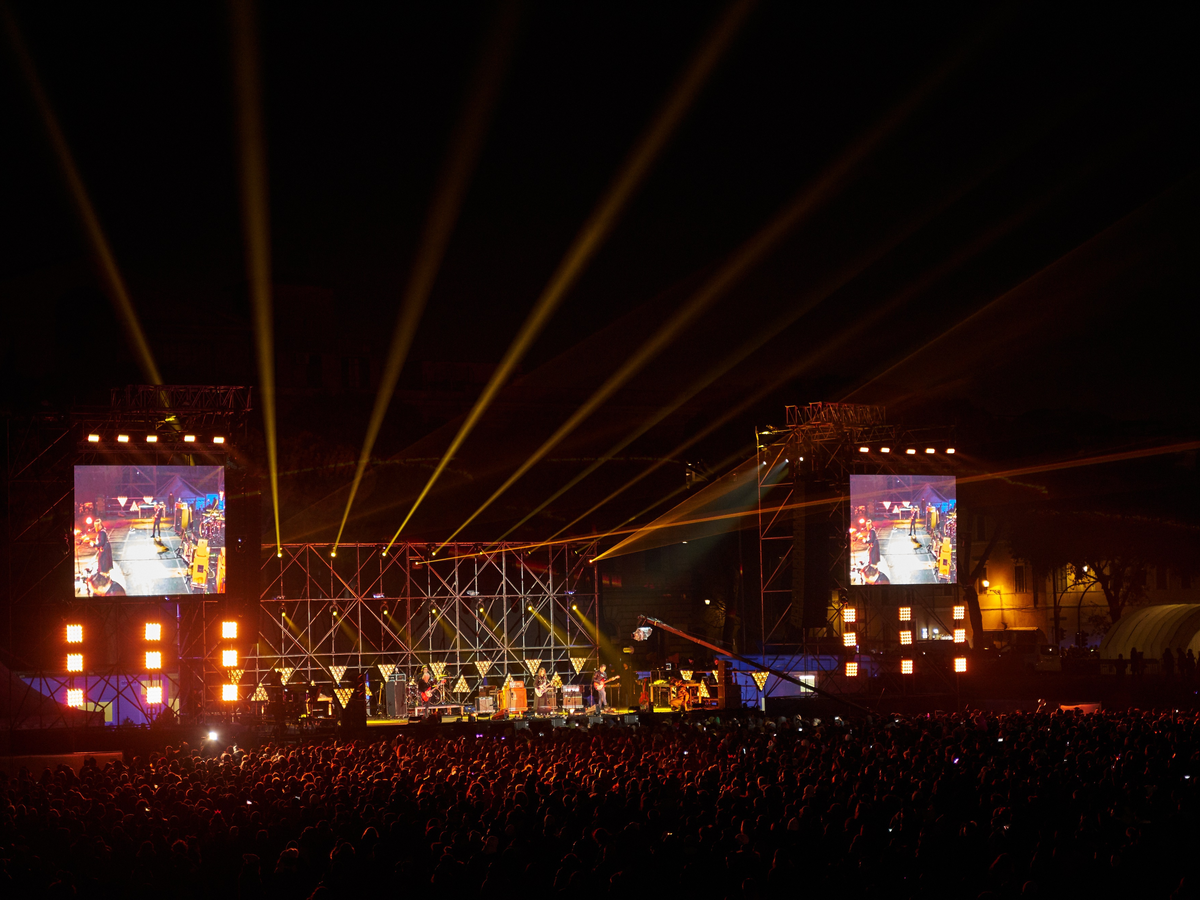
Atmosphere?wise, these nights feel less like a memorial and more like a community rave with a shared soundtrack. People sing louder than they do at most current pop shows, partly because the songs are so rooted in karaoke culture. You’ll see parents who grew up with Whitney carrying kids on their shoulders; you’ll see queer couples slow?dancing to "I Believe in You and Me" as if it just came out last week. It’s messy, cathartic, and loud in the best possible way.
Because Whitney can’t be there to improvise, a lot of the excitement comes from the vocalists trying to honor her style without doing a stiff impersonation. Some go for note?perfect recreations of the original runs. Others flip arrangements, turning "My Love Is Your Love" into a stripped acoustic moment or giving "Didn’t We Almost Have It All" a slightly jazzier edge. The shared rule, though, is respect: everyone onstage knows whose name is on the ticket, literally or spiritually.
What the web is saying:
Rumor Mill: What Fans Are Speculating
Whitney Houston fandom lives online now – in Reddit threads, Twitter (X) arguments, and TikTok stitches. And of course, that means rumors, theories, and debates never stop.
One constant rumor cycle: unreleased tracks. Fans on forums like r/popheads regularly trade supposed tracklists of vault material from the "The Bodyguard" era, the "My Love Is Your Love" sessions, and scrapped albums from the late 2000s. Some tracks are confirmed by producers in old interviews, others live somewhere between myth and wishful thinking. The dominant theory is that a curated vault collection is coming at some point – not a messy data dump, but a carefully selected set of songs that Whitney would not have hated.
Another hot topic is AI and vocal cloning. As AI cover trends explode on TikTok and YouTube, fans are split on whether using Whitney’s voice model on new songs would be disrespectful or a powerful tribute. Some users hate the idea, pointing out that she was already heavily controlled by the industry when she was alive and deserves peace. Others argue that if the estate strictly manages it, an AI Whitney performance on, say, a charity single could introduce her voice to millions of new younger listeners. So far, the strongest consensus is: if it ever happens, it has to be transparent, ethical, and rooted in the reality of what she actually recorded.
There’s also ongoing talk about who is allowed to cover Whitney live. Social media gets brutal when a viral clip surfaces of a singer attempting "I Will Always Love You" and missing the high note. TikTok comment sections fill with "Whitney would NEVER" and "This song should be retired" takes. On the flip side, when someone nails it – usually a church?trained or theater vocalist – fans flood the video with emotional comments and storytimes about hearing Whitney’s version for the first time as kids.
On Reddit and stan Twitter, you’ll also see serious debates about which era is Whitney at her peak. Some swear by the fresh?faced, radio?friendly mid?80s run: "Saving All My Love for You," "How Will I Know," "Greatest Love of All." Others ride hard for the mature, R&B?leaning late 90s sound of "My Love Is Your Love" and "Heartbreak Hotel." A smaller but loud group defends her 2000s vocals as raw, lived?in, and emotionally heavier, especially on songs like "Try It on My Own." These debates matter because they shift how new fans approach her catalog – do they start with the pop princess or the battle?tested diva?
Finally, there’s the constant speculation about new documentaries and series. After several projects that focused more on the chaos than the craft, fans are begging for a deep, musically driven doc that centers her studio work, her gospel roots, and her creative control. Whenever a production rumor leaks, the first question in fan spaces is always: "Who’s on the team, and do they actually care about the music?" That protective energy is a big reason her legacy in 2026 feels actively curated by fans, not just the industry.
Key Dates & Facts at a Glance
- Born: August 9, 1963 in Newark, New Jersey, USA.
- Died: February 11, 2012 in Beverly Hills, California, USA.
- Debut album "Whitney Houston" released: 1985 – includes "Saving All My Love for You," "How Will I Know," and "Greatest Love of All."
- Second album "Whitney" released: 1987 – delivered global smashes like "I Wanna Dance with Somebody (Who Loves Me)," "So Emotional," and "Didn’t We Almost Have It All."
- "The Bodyguard" soundtrack released: 1992 – one of the best?selling soundtracks ever, powered by "I Will Always Love You."
- Other key albums: "I’m Your Baby Tonight" (1990), "My Love Is Your Love" (1998), "Just Whitney" (2002), "I Look to You" (2009).
- Record?breaking stats (broadly reported): Over 200 million records sold worldwide across albums, singles, and videos, according to industry estimates.
- Major awards: Multiple Grammys, American Music Awards, Billboard Music Awards, and an iconic Emmy for her 1986 "Welcome Home Heroes" concert TV special.
- Famous live moments: 1991 Super Bowl XXV national anthem performance in Tampa; 1994 American Music Awards medley; countless late?night and award?show appearances.
- Signature songs fans always ask for: "I Will Always Love You," "I Wanna Dance with Somebody (Who Loves Me)," "Greatest Love of All," "How Will I Know," "I Have Nothing," "I’m Every Woman," "It’s Not Right But It’s Okay," "My Love Is Your Love."
- Streaming era: Her catalog remains a staple on major platforms’ 80s, 90s, love?songs, and Pride playlists, keeping her present for new generations.
- Official hub: The primary place for verified news, releases, and archival material remains her official website.
FAQ: Everything You Need to Know About Whitney Houston
1. Who was Whitney Houston, in simple terms?
Whitney Houston was an American singer and actress, often described as one of the greatest vocalists in pop history. Born in Newark, New Jersey, she grew up surrounded by music: her mother Cissy Houston was a respected gospel and soul singer, and she was cousins with Dionne Warwick and Dee Dee Warwick. Whitney started singing in church, modeled as a teenager, then signed a record deal and exploded globally in the mid?1980s. Her voice – a huge, elastic, technically precise instrument that still sounded emotional and human – set a standard for pop and R&B singers that remains almost impossible to match.
Beyond the stats, though, Whitney means something deeply personal to a lot of people. She’s the soundtrack to first dances, heartbreaks, weddings, and late?night karaoke disasters. If you’ve ever tried to scream?sing "I Have Nothing" in your bathroom, you already understand part of her appeal.
2. What made Whitney Houston’s voice so special?
Whitney’s voice balanced raw power with ridiculous control. She had a wide range, but more importantly, she knew exactly how to use it. She could float an almost whisper?soft verse, then launch into a chorus so big it felt like a wave hitting you in the chest. Trained in gospel, she knew how to build a song slowly, stacking emotion, changing dynamics, and saving her biggest notes for maximum impact.
Technically, you can hear:
- Her clean pitch – live performances often sound close to the studio versions.
- Her head voice and belt blending – that smooth slide into higher notes without sounding strained.
- Her runs and riffs – precise, never messy, always locked to the melody.
- Her phrasing – the way she bends lines, holds certain words, and breathes, turning lyrics into stories.
In a world where many singers depend on tuning plugins and heavy post?production, Whitney’s raw live tapes on YouTube still shock younger fans. That’s why vocal coaches and reactors build entire channels around breaking down her performances.
3. What are the essential Whitney Houston songs for new fans?
If you’re just starting, there are a few must?hear tracks that map out her range:
- "I Will Always Love You" – The power ballad. Starts almost acapella, then slams into that massive key change. This is Whitney as a force of nature.
- "I Wanna Dance with Somebody (Who Loves Me)" – Joy in song form. Bright 80s production, super catchy hook, secretly sad lyrics if you pay attention.
- "Greatest Love of All" – A slow, inspirational build that has become a global self?esteem anthem.
- "My Love Is Your Love" – Late 90s, reggae?touched, more laid?back but emotionally rich.
- "It’s Not Right But It’s Okay" – Turn?of?the?millennium R&B empowerment, especially in its club mixes.
- "How Will I Know" – Youthful, bubbly, and one of the easiest entries into her 80s era.
Once you’re in, the deep cuts hit even harder: "Where Do Broken Hearts Go," "All the Man That I Need," "Exhale (Shoop Shoop)," "I Believe in You and Me," "Love Will Save the Day." Her catalog doesn’t really have a weak era – just different flavors of excellent.
4. Where can fans experience Whitney Houston’s music live today?
You can’t see Whitney herself, but you can absolutely experience her music live. In 2026, fans typically have a few options:
- Symphonic tribute concerts – orchestras performing her biggest songs with guest vocalists, often in major cities like London, New York, Chicago, and Berlin.
- Theatre tribute tours – full productions with a lead singer and ensemble, costume changes, and storytelling segments about her life and career.
- Club nights and drag shows – Whitney?themed evenings where DJs run through remixes and drag performers lip?sync or sing to her biggest hits.
- Local tribute acts – smaller bands and vocalists dedicating a night or a segment of their setlist to her catalog.
While details shift every season, a quick search for "Whitney tribute" plus your city often reveals what’s happening near you. Just remember: no one can "replace" her, but a good tribute act can give you that communal, shout?along thrill her songs were built for.
5. Why is Whitney Houston still so big with Gen Z and Millennials?
Several reasons. First, her songs are built for emotional extremes, and social media loves drama. Clips of huge key changes, tear?jerker choruses, and impossible notes are perfect reaction?bait. TikTok stitches of people trying to hit the "I Will Always Love You" note have become their own mini?genre.
Second, streaming platforms never stopped pushing her. She lives on curated playlists for moods – heartbreak, gym motivation, sing?along, nostalgia, Pride, wedding prep. You don’t need to buy a CD or know her timeline; the algorithm just keeps dropping her into your queue.
Third, younger singers constantly cite Whitney as an influence. When your faves name?drop her, you check her out. And when you realize the original is still untouchable, it flips into respect, then obsession.
Finally, there’s the cultural conversation. In recent years, fans, journalists, and creators have tried to reframe Whitney’s story with more empathy – focusing on the pressure she faced, the racism and respectability politics around her image, and the homophobia that shaped how her relationships were discussed. For a generation that’s very online and very aware of mental health, that context hits hard.
6. How should fans support Whitney Houston’s legacy now?
If you care about Whitney in 2026, you have a lot of agency. Streaming her albums in full (not just the usual two hits) helps demonstrate there’s demand for deep?cut, respectful catalog work. Sharing her live performances – especially underrated ones, not just the same two – helps new fans see her as an artist, not a meme.
You can also support projects that clearly center the music: documentaries that use full song performances, tribute shows with serious vocalists, reissues that include liner notes, essays, or unseen photos. And just as importantly, you can be THAT person who corrects lazy narratives when they pop up online – the ones that reduce her to only the hardest parts of her story.
Whitney Houston gave the world some of the most powerful vocal performances ever recorded. Keeping the focus on her artistry – the studio work, the arrangements, the songwriting, the fearless live moments – is the strongest tribute fans can offer in 2026 and beyond.
So schätzen die Börsenprofis Aktien ein!

Für. Immer. Kostenlos.