Why Queen’s 2026 Live Era Feels Bigger Than Ever
12.03.2026 - 16:41:18 | ad-hoc-news.de
You can feel it building again, can’t you? Scroll through TikTok, Reddit, or X and Queen are suddenly everywhere: stadium clips, vocal reaction videos, deep-dive threads about setlists and wild rumors that the next tour might be the most ambitious thing they’ve done since the ’80s. For a band formed over 50 years ago, that’s insane energy — and it’s very real.
Check the official Queen live page for fresh dates and updates
Whether you discovered Queen through your parents’ vinyl, the Wayne’s World car scene, or TikTok edits of “Don’t Stop Me Now”, the 2026 buzz hits the same way: it feels like something big is either happening or about to break. Fans in the US, UK, and across Europe are refreshing ticket sites, comparing setlists, and arguing about which deep cuts must make it into the next leg of shows.
So what’s actually going on with Queen right now — and what does it mean if you’re trying to see them live before it really is too late?
The Backstory: Breaking News in Detail
Here’s the starting point: Queen as a live force in 2026 basically means Queen’s surviving core — Brian May and Roger Taylor — plus longtime frontman Adam Lambert, who’s been with them for more than a decade. Through 2023 and 2024 they were consistently selling out arenas and stadiums across Europe and North America, with demand strong enough that extra dates kept being added in major cities.
In late 2025, the conversation shifted. Interviews with Brian and Roger in big outlets hinted at a natural slowdown. Brian has been open about back and heart issues over the past few years, and Roger has talked about wanting to spend more time off the road. The language was subtle — phrases like “winding down” and “choosing our moments more carefully” — but for fans, it sounded like a soft warning: this ride won’t last forever.
At the same time, Queen’s catalogue refuses to cool off. “Bohemian Rhapsody” keeps sitting near the top of global streaming charts decades after release, periodically re-surging whenever a new meme, film clip or talent-show performance goes viral. “Another One Bites The Dust,” “Don’t Stop Me Now,” and “Somebody To Love” are still synced to ads, films, and sports events across the world. This isn’t nostalgia; it’s persistent relevance.
Across the last few touring cycles, Queen + Adam Lambert shows have become something like multi-generational festivals. You’ve got Boomers who saw the band with Freddie Mercury, Gen X and Millennials who discovered them through CDs and MTV, and Gen Z kids who know every word from Spotify playlists and TikTok edits. The band and their team know this, and they’ve leaned hard into making each show feel like a kind of global celebration rather than a simple greatest-hits run-through.
In recent interviews, Brian has suggested that if they’re going to keep playing, it has to feel special. So instead of endless touring, there’s movement toward more curated runs: limited city clusters, themed nights, and potentially special-occasion gigs built around big calendar moments — think album anniversaries, landmark birthdays, or charity tie-ins.
On top of that, fans are tracking every small hint about new live plans posted to the official site and socials. The Live page has become a go-to source: a quiet date added here, a festival slot teased there. With traditional news cycles now mixing with fan sleuthing, the “breaking news” for Queen in 2026 looks less like one big announcement and more like a drip-feed of clues that keep people obsessively checking, speculating, and planning.
For you, the implication is simple: the window to see this version of Queen — with Brian and Roger on stage, Adam Lambert on vocals, and the full arena-scale production — is still open, but it’s not endless. Each new cluster of dates now carries a little extra emotional weight. Fans aren’t just excited; they’re grateful, anxious, and a bit scared they might be watching the last chapter unfold in real time.
The Setlist & Show: What to Expect
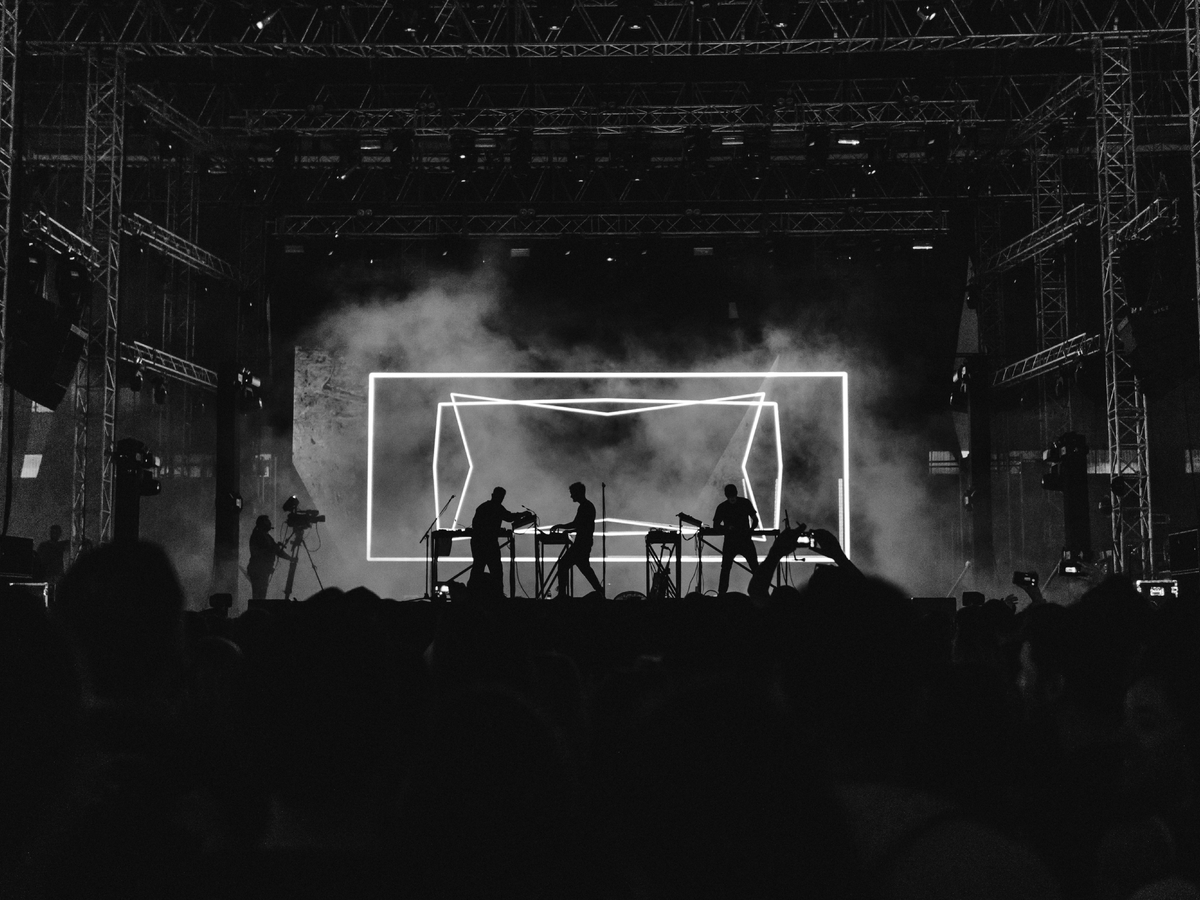
If you’ve never been to a Queen + Adam Lambert concert, imagine the biggest karaoke night of your life, produced like a Marvel movie, with laser-level attention to detail and 20,000 people screaming harmonies at once. The setlists from the last tours have been packed with classics — and they rarely leave fans short-changed.
Recent shows have typically kicked off with high-voltage openers like “Now I’m Here” or “Tie Your Mother Down,” setting the tone instantly: guitars loud, lights blinding, no slow warm-up. From there, the show slides into anthem territory quickly — “Seven Seas of Rhye,” “Killer Queen,” “Don’t Stop Me Now,” and “Somebody To Love” regularly show up early, reminding anyone in the crowd who somehow forgot: this band doesn’t run out of hits.
By the mid-section of the concert, the emotional weight increases. “Love of My Life,” long a staple of the Queen live experience, is often performed with Brian May on acoustic guitar, standing almost alone on stage. In recent years this has become one of the most shared clips online, because during the song a montage of Freddie Mercury often appears on the big screens. At a lot of gigs, the audience ends up singing entire verses back to Brian, turning the arena into one huge choir. If you’re in the building, it can be a real throat-lump moment.
Then there’s the heavier, riff-driven side: “I Want It All,” “Hammer to Fall,” and “Fat Bottomed Girls” (depending on territory and context) slot in to give Brian space to shred and the lighting rig permission to go full chaos. Roger steps out front for songs like “I’m In Love With My Car” or takes center attention during “Under Pressure,” a track that remains one of the high points of the night — there’s something hypnotic about that bassline crushing through a modern sound system.
Of course, the endgame is non-negotiable. “Bohemian Rhapsody” appears near the finale, typically framed with a mixture of live playing and the iconic operatic section running via the original recording and visuals. It’s theatrical, over-the-top, and exactly what people want. After that, the encore one-two punch of “We Will Rock You” and “We Are The Champions” still works as well in 2026 as it did in 1986. Stomps. Claps. Confetti. Tears. Phone flashlights. The whole thing feels weirdly spiritual, even for casuals.
Adam Lambert’s role is crucial. He doesn’t cosplay Freddie — and that’s arguably why this works. He leans into camp, fashion, and vocal fireworks, but he respects the songs and the legacy. Younger fans who grew up with reality TV know him as a star in his own right; older fans were initially skeptical, but the majority have long since moved from doubt to appreciation. On socials, you’ll regularly see comments from fans saying things like, “I went in nervous about Adam, came out fully converted.”
Production-wise, recent tours have showcased massive LED walls, layered lighting rigs, catwalks, and rising platforms. Brian’s guitar solos are backed by galaxy visuals and astrophotography, nodding to his passion for astronomy. Roger’s drum features pull focus with classic rock theatrics: stick spins, thunderous fills, the works. Compared to a lot of current arena tours, Queen’s show doesn’t rely heavily on pre-recorded vocals or backing tracks; it feels human, even when the stage tech is cutting-edge.
From a purely musical perspective, Queen’s live arrangement style in recent years has leaned toward staying faithful to the original studio versions while still allowing for extended solos and call-and-response sections. Hardcore fans keep an eye on the rotation of deeper cuts. Songs like “Dragon Attack,” “It’s Late,” or “In The Lap of the Gods… Revisited” sometimes pop up, sparking instant Reddit threads and setlist debates.
If you’re buying a ticket for 2026 dates, expect a 2+ hour show stuffed with songs you know, a few surprising left turns, and at least three moments that end up on your camera roll forever.
What the web is saying:
Rumor Mill: What Fans Are Speculating
Spend ten minutes on r/queen, r/music or stan Twitter right now and you’ll see it: fans are in full detective mode about what 2026 and beyond looks like for Queen.
1. “Is this the last big tour?”
This is the biggest question. Every time a new batch of shows appears, the comments fill up with, “This feels like a farewell run,” or “I can’t miss them this time; it might be the last.” No one from the band has slapped a big “farewell” label on anything yet, but the way Brian and Roger talk about pacing themselves feeds that speculation. People are noticing gaps between tour legs and reading them as possible signs that they’re picking their spots more carefully.
On Reddit, fans have even gone as far as to map out previous tour patterns, comparing days on the road, rest days, and the geographic spread of cities. The vibe is half data science, half emotional crisis: everyone wants to be rational, but nobody wants to wake up to a final-tour announcement and realize they waited too long.
2. “Will they play a full-album night?”
This rumor has real traction. With big anniversaries for classic Queen albums constantly rolling around, there’s a persistent theory that the band might do a “Night at the Opera” or “News of the World” front-to-back performance in select cities. It’s not confirmed, but little comments in interviews like “we’ve talked about doing something special around certain albums” have poured gasoline on that fire.
Fans have already built fantasy setlists: deep dives into “The Prophet’s Song,” “Good Company,” or “All Dead, All Dead” that have basically never been in modern shows. On TikTok, you’ll find edits set to lesser-known tracks with captions like, “Imagine hearing this live in 2026.” The appetite for a nerd-level, album-focused gig is real, especially among younger fans who never got to see those eras live at all.
3. Ticket prices and “dynamic pricing” drama
You can’t talk about a massive legacy act in 2026 without talking about the ticket mess. Fans in both the US and UK have been vocal about frustration with prices for big arena seats and the way dynamic pricing can drive costs up once demand spikes. Threads on r/popheads and r/LiveMusic regularly feature screenshots of nosebleeds going for way more than expected.
At the same time, seasoned Queen fans keep pointing out that if you compare the production scale, the band’s age, and how few chances might be left to see this lineup, people are still scrambling to grab what they can. There’s a noticeable split: some fans are calling it out as unfair; others are framing it as a once-in-a-lifetime splurge. Either way, the demand hasn’t died — and sold-out shows prove that.
4. Holograms, AI Freddie, and digital ethics
Here’s where it gets heated. With hologram tours and AI vocals popping up in music news, there are periodic panics on social about a possible “AI Freddie” touring show. Hardcore fans usually shut this down fast, pointing out how protective Brian and Roger have always been over Freddie’s legacy. Most people believe that while archival footage and audio will continue to be used in creative ways during shows — like the current “Love of My Life” and “Bohemian Rhapsody” moments — a full-on AI-fronted show would cross a line.
Still, the tech conversation isn’t going away. Some fans suggest a future where special one-off immersive events or cinema experiences use extra layers of AI-driven visuals to reimagine classic concerts. Others are adamant: no thanks, keep it human while Brian and Roger are still here, and let the archive speak for itself later.
5. New music vs. legacy-only sets
Every few months, a rumor goes around that Queen might drop a new track built around old demos, especially unreleased Freddie vocals. So far, nothing massive has materialized beyond occasional archival releases and box sets. Many fans argue on Reddit and X that the band doesn’t need new material to justify touring; the catalogue is already historically stacked. Others would love at least one final studio statement, even if it’s more reflective and less arena-ready.
For now, the live show remains mostly anchored in the classic era, with Adam Lambert’s presence and stagecraft giving everything a 2026 sheen. But if you see the phrase “new Queen single?” trending, don’t be surprised — it’s a rumor that refuses to die.
Key Dates & Facts at a Glance
To ground all the emotion and speculation, here’s a practical rundown of key facts Queen fans are tracking right now:
- Official live info hub: The band’s verified tour and live announcement hub is the official live page at queenonline.com/live, updated as new shows and appearances are confirmed.
- Core members on stage: Brian May (guitar, vocals) and Roger Taylor (drums, vocals) remain the two original members performing live as Queen, joined by Adam Lambert on lead vocals and long-term collaborators like Spike Edney on keys.
- Typical show length: Recent tours have clocked in at around 2 to 2.5 hours, including encore.
- Signature songs almost always played: “Bohemian Rhapsody,” “We Will Rock You,” “We Are The Champions,” “Somebody To Love,” “Radio Ga Ga,” “Another One Bites The Dust,” and “Don’t Stop Me Now” are near-guarantees in a standard setlist.
- Generation mix in the crowd: Fan reports from recent tours consistently mention three or four generations present in the same venue, from teens in cosplay crowns to grandparents in vintage tour shirts.
- Streaming dominance: Queen remain one of the most streamed classic rock acts globally, with multiple tracks regularly sitting at hundreds of millions to over a billion plays on major platforms.
- Sound & staging: Modern Queen shows use full arena or stadium PA systems, large-scale LED screens, extensive lighting rigs, and theatrical staging that references iconic imagery from music videos and historic tours.
- Encore tradition: The final run of the show is usually “Bohemian Rhapsody” leading into “We Will Rock You” and “We Are The Champions,” with crowd participation heavily encouraged.
- Merch focus: Recent tours have featured designs referencing classic album covers, Freddie-inspired iconography, and updated graphics celebrating the current live lineup.
- Accessibility: Large venues on Queen tours generally offer accessible seating and viewing platforms; fans still recommend booking early due to high demand.
FAQ: Everything You Need to Know About Queen
Who actually is “Queen” on stage in 2026?
In 2026, when you see the name “Queen” attached to a live show, you’re essentially talking about Queen + Adam Lambert. That means original guitarist Brian May and original drummer Roger Taylor — both founding members from the early ’70s — joined by Adam Lambert on lead vocals. They’re supported by a tight touring band that typically includes long-term collaborator Spike Edney (often called the “fifth member” of Queen for his decades of work with them), plus additional musicians covering bass, keys, and backing vocals.
Freddie Mercury and bassist John Deacon are not involved, of course: Freddie passed away in 1991, and John retired from public life in the late ’90s. Crucially, though, their presence is still felt in the show through visuals, arrangements, and the sheer weight of the songs they helped create.
What makes a Queen show in 2026 different from other classic rock tours?
Two major things: the depth of the catalogue and the theatrical DNA. Lots of legacy acts can bring 90 minutes of hits; Queen can practically stack two full setlists of songs that everyone knows. That means the pacing never really drops. Even when they slow down for ballads like “Who Wants To Live Forever,” the emotional intensity actually climbs.
The other difference is the sense of drama. Queen were always a band with one foot in rock and another in full-on theatre. That carries into the modern live show: costume changes, lighting cues synced tightly to musical shifts, grand entrances on raised platforms, and visuals that feel closer to a blockbuster film than a simple concert backdrop. You’re not just hearing rock songs; you’re watching an entire visual narrative play out around them.
On top of that, Adam Lambert’s performance style brings a lot of 21st-century pop-star energy — big vocals, unapologetic glam, and a comfort with cameras and social media that gives the whole thing a fresh generational crossover vibe.
Where can you find legit Queen tour dates and avoid getting scammed?
In a year where ticket resales, bots, and sketchy sites are everywhere, sticking to official sources matters more than ever. The most reliable hub for Queen live information is their official website’s live section, where confirmed shows, festivals, and special appearances get listed once contracts are signed and venues are set.
From there, follow links only to official ticketing partners — usually major providers and recognized venue box offices. Be wary of random third-party resellers that appear high in search but have no link from the official site. Fan discussions on Reddit and Discord often share tips on which pre-sales are safe, where to find face-value resales, and how to spot fakes. If you’re seeing prices that look suspiciously cheap or listings before any official announcement, that’s a red flag.
When is the best time to buy tickets if you’re on a budget?
This is where fan wisdom comes in. For high-demand cities like London, New York, or Los Angeles, most people aim for the minute tickets go on sale — especially if they’re chasing lower-priced seats that vanish fastest. Some fans on Reddit recommend jumping on fan-club or artist pre-sales, which sometimes offer better positioning before the general public flood hits.
That said, dynamic pricing can sometimes cool down closer to show day if demand isn’t as feral as expected, and last-minute face-value resale drops are a thing. Fans who live near the venue often report snagging decent deals in the final week, especially for upper tiers. If you’re traveling or need specific seats, though, waiting is risky. For a band like Queen, where every tour might be your last chance, people tend to accept paying a bit more to lock it in.
Why does Adam Lambert fronting Queen work for so many fans?
This question shows up in every comment section. The short answer: he doesn’t try to be Freddie. Adam brings his own vocal color, personality, and style, while showing obvious respect for the original arrangements. He hits the notes — often insanely high ones — but he doesn’t copy Mercury’s exact phrasing or stage mannerisms line by line. That balance of tribute and individuality has won over a lot of skeptics.
Fans who grew up loving Freddie often describe Adam’s presence as a way to keep the songs alive in real time rather than freezing them in nostalgia. Younger fans who met Queen through Adam on TV singing “Bohemian Rhapsody” or “We Are The Champions” see him as a bridge between eras. The key is that Brian and Roger clearly enjoy playing with him; the chemistry on stage comes across as warm, playful, and unforced.
What should you expect emotionally from your first Queen show?
Be prepared for more feelings than you might expect from what’s technically a rock concert. The opening adrenaline is massive: the house lights drop, the first riff hits, and thousands of people scream as if they’ve been waiting their whole life for that moment. But it’s the mid-show and closing sections that really wreck people — in a good way.
When the lights dim and Brian steps forward with an acoustic guitar for “Love of My Life,” whole sections of the arena go quiet except for the singing. You’ll see couples hugging, friends with their arms over each other’s shoulders, and older fans visibly crying. Then there are the pure joy moments, like “Radio Ga Ga” with synchronized clapping that turns the crowd into a single living organism.
The final “We Are The Champions” singalong can feel almost cathartic. People project their own stories onto it: battles with illness, coming out journeys, grief, personal victories. When tens of thousands of voices hit that last line — “No time for losers, ’cause we are the champions… of the world!” — it’s hard not to get swept up.
Why does Queen still matter so much to Gen Z and Millennials?
It isn’t just the parents’ playlists. Queen’s music hits a lot of 2026 values head-on: theatrical self-expression, genre-fluid experimentation, emotional honesty, and a refusal to fit tidy labels. Songs like “I Want To Break Free” and “Don’t Stop Me Now” feel like instant soundtracks for queer joy, self-discovery, and the messy, chaotic parts of growing up.
Algorithms helped too. The “Bohemian Rhapsody” film in 2018 gave the catalogue a huge bump, but platforms like TikTok have kept that momentum alive, feeding short clips of harmonies, guitar solos, and Freddie’s iconic performances to new audiences on loop. Once people fall down the rabbit hole, they discover deep cuts, live performances, and fan commentary that make the Queen universe feel bottomless.
Ultimately, Queen’s songs are built to be shouted by crowds that don’t know each other. In a time where a lot of social interaction is digital and fragmented, stepping into a stadium and singing the same lines as thousands of strangers feels almost radical. That’s a big part of why the band keeps pulling younger fans into the fold year after year.
What should you listen to before going to a Queen concert?
If you’ve just grabbed tickets and you want to prep properly, start with the obvious: a greatest-hits playlist will lock the big moments in your muscle memory. But don’t stop there. Dive into full albums like A Night at the Opera, News of the World, and The Game to hear how the band stitched together ballads, hard rock, and weird little experiments into cohesive statements.
Then check out some of the classic live releases and official live videos. Seeing how the songs worked on stage in the ’70s and ’80s adds another dimension when you watch Brian and Roger play them now. You’ll catch the continuity — and the evolution. And if you want to arrive ready to flex deep-fan energy, learn the harmonies to “Somebody To Love” and “Bohemian Rhapsody.” You’ll thank yourself when the whole arena turns into a choir.
So schätzen die Börsenprofis Aktien ein!

Für. Immer. Kostenlos.