Why Nirvana Still Hits Hard in 2026
25.02.2026 - 15:33:56 | ad-hoc-news.de
If you spend any time on music TikTok or Reddit, you already know: Nirvana has never really left the conversation. In 2026, the band's energy is back in a big way — from viral clips of chaotic 1991 gigs to Gen Z kids learning the Nevermind bassline in their bedrooms. That raw, ragged sound still feels more honest than half the "alternative" music you scroll past today, and fans are treating every reissue, doc drop, and anniversary like a live event.
Explore official Nirvana news, merch & releases here
Even without new studio music, there's constant buzz: fresh vinyl pressings, unearthed demos, AI-remastered live sets, tribute tours, and endless debates about what Kurt Cobain would think of everything from streaming culture to TikTok mashups. If you feel like you missed the original wave, you're not alone — millions of new fans are discovering Nirvana in real time, and treating the band like a current act instead of a museum piece.
So what exactly is happening in the Nirvana universe right now, and why does it still feel so emotionally loud in 2026? Let's break it down like a fan, not a textbook.
The Backstory: Breaking News in Detail
Nirvana obviously aren't announcing a surprise reunion tour from scratch — Kurt Cobain's death in 1994 cemented the band as one of rock's most mythic, frozen-in-time stories. But what keeps the news cycle spinning is how often that story gets updated through anniversaries, archives, and new ways to hear the same chaos with more clarity.
Over the past few years, we've seen a pattern: whenever a key date lands — the release of Bleach (1989), Nevermind (1991), In Utero (1993), MTV Unplugged (1994) — the label drops something: deluxe editions, demos, or never-before-officially-released live recordings. Journalists circle back with fresh interviews from Dave Grohl or Krist Novoselic, and fans use social media to reframe Nirvana for a new generation.
In 2026, the buzz is driven by three overlapping threads:
- Archival obsession: Each new remaster or live release gets dissected on forums. People compare mixes, argue about dynamic range, and trade clips of Cobain's voice cracking on certain songs. There are debates about whether the rawness is being "cleaned up" too much for streaming.
- Legacy and ownership: High-profile sales of music catalogs and estate decisions keep bringing Nirvana into legal and financial headlines, but fans mostly translate that into one simple question: "Will this mean more access to rare recordings, or will it lock them up even more?"
- New ways to listen: Spatial audio, lossless streaming, and hi-res vinyl pressings have shifted how people experience familiar albums. Hearing In Utero with more separation between instruments has sparked new analysis about the band's playing, not just Cobain's lyrics.
Interview snippets that surface in outlets like Rolling Stone, NME, or Billboard tend to follow a familiar script: surviving members reflecting on the chaos, expressing gratitude, and being very careful about how they talk about hypothetical reunions. Grohl especially keeps the emotion front and center — he often describes playing old Nirvana songs at Foo Fighters shows as an act of memory and grief, not nostalgia for content's sake.
For fans, the implication is emotional more than logistical. We're not expecting a new studio record or a full Nirvana tour. Instead, the "breaking news" lives in small but meaningful shifts: a rare track hitting streaming, a newly surfaced bootleg getting official treatment, or a tribute performance that actually feels sincere instead of hollow. Every move asks the same question: how do you keep an artist's work alive without pretending they're still here to approve it?
That tension — honoring the past while constantly re-presenting it — is exactly what keeps Nirvana from being just another band on a playlist called "90s Rock Classics." The story is still actively being written, even if the recording sessions ended more than 30 years ago.
The Setlist & Show: What to Expect
Because Nirvana aren't an active touring band, "setlist" in 2026 basically means two things:
- What shows up in tribute sets, covers, and all-star performances.
- How the band's own historical setlists are being rediscovered through live albums and archives.
If you hit YouTube or a local venue for a Nirvana tribute night, you already know there's an unofficial core canon of songs that always show up. You can expect a sequence that looks something like this:
- "Smells Like Teen Spirit" – Always treated like the climax or the encore. Even people who claim to be sick of it still scream along to the "hello, hello, hello" part.
- "Come As You Are" – Usually early in the set. The watery guitar riff is almost a litmus test for the PA system.
- "Lithium" – The quiet-loud dynamics still hit hard, especially when the whole crowd yells "I'm so happy 'cause today I found my friends."
- "In Bloom" – Feels almost meta now, considering it mocked people who don't really get the lyrics.
- "Heart-Shaped Box" – The In Utero era centerpiece, usually played with extra drama.
- "Rape Me" – More controversial in 2026, often skipped or replaced depending on the audience and the sensitivities of the moment.
- "All Apologies" – Often used as a closing track, especially in stripped-down sets; the MTV Unplugged version pretty much defines how it's approached live.
- Deep cuts like "School", "Negative Creep", "About A Girl," and "Breed" – For the fans who know every lyric and every scream.
When you listen to official live releases from the band's own heyday — like the legendary 1991-1994 runs — the "setlist energy" is completely different from a polished modern arena show. Songs cut in and out abruptly, Cobain sometimes changes lyrics on the fly, and the band can sound both shambolic and laser-focused in the same song.
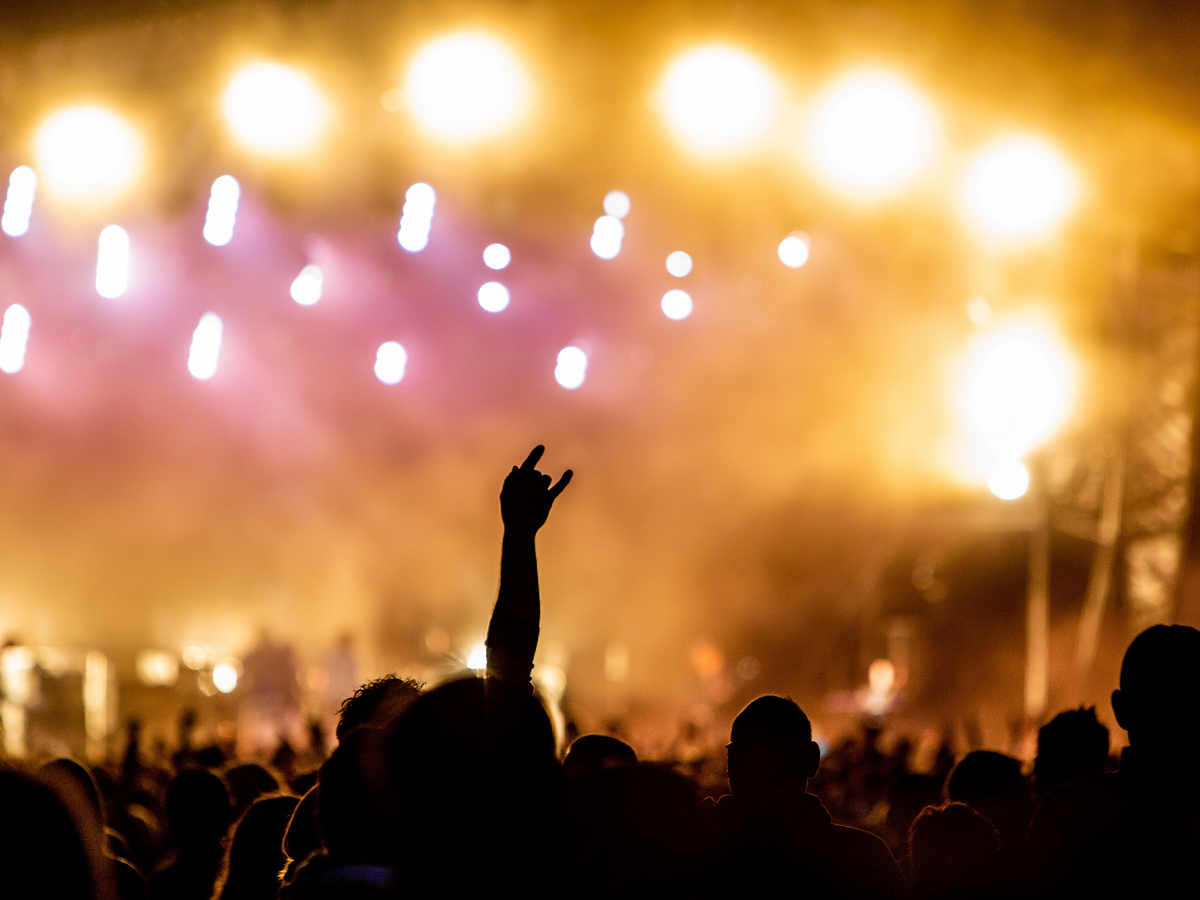
Atmosphere-wise, Nirvana live (and modern tributes that try to echo it) is all about controlled chaos. You don't go for pristine note-perfect renditions. You go for:
- Volume and catharsis: Guitars slightly out of tune, amps pushed too hard, drums that sound like they're fighting back. It's loud, but in a very human way.
- Sing-alongs that feel like group therapy: The "I swear that I don't have a gun" line in "Come As You Are" or the resigned mantra of "All Apologies" hit differently now, especially with everything Gen Z and Millennials have dealt with.
- Imperfection as the point: Missed notes, cracked vocals, tempo swings — all of that is part of why fans still prefer live bootlegs to studio-perfect modern rock.
For many younger fans who discover Nirvana through TikTok edits or playlists, hearing full live sets is the moment the band really clicks. The studio versions are iconic, but the gigs make it obvious: this was a band barely holding their own sound together, and that pressure is exactly what created the magic.
What the web is saying:
Rumor Mill: What Fans Are Speculating
Nirvana rumors in 2026 are less about "secret reunion" and more about "how far should this legacy go?" Head to Reddit's r/music or any grunge-focused sub and you'll notice a few recurring threads that never die.
1. The eternal "hologram/AI tour" debate. Every time a tech company pushes AI vocals, holographic performances, or virtual reality concerts, someone asks: "Would you watch an AI Kurt Cobain fronting a Nirvana show?" The community is split.
- Some fans say they'd be curious as a one-off art experiment — especially if it’s clearly labeled as a tribute or alternate-universe fantasy.
- Others find the idea borderline offensive, arguing that a band built on anti-commercial values shouldn't be digitally resurrected for ticket sales.
2. Surprise appearances at festivals. Because Dave Grohl and Krist Novoselic still play music, fans love to spin theories about a surprise Nirvana mini-set at major festivals. Whenever Foo Fighters are on a bill with big anniversaries attached, speculation goes wild: will Novoselic show up? Will they play "Smells Like Teen Spirit" with a guest vocalist? Names like Billie Eilish, Phoebe Bridgers, or even Post Malone get thrown around as potential front-people for a one-off tribute.
It almost never happens in the way fan fiction wants it to — but the rumors speak to a deeper desire: to see those songs performed by the remaining members in any capacity, just once more.
3. Unreleased material conspiracies. Nirvana fans have a bootleg culture that rivals some classic jam bands. People trade demo lists, session notes, and grainy rehearsal recordings. Anytime the estate or label hints at "previously unheard tracks" for an anniversary edition, speculation ramps up:
- Are there full, unheard songs sitting in a vault, or mostly rough sketches and fragments?
- Would it be ethical to clean up and release tracks Kurt might have hated?
- How much of the band’s archive is being held back for future box sets?
4. TikTok micro-controversies. On the lighter (and sometimes more chaotic) side, Nirvana has become a constant source of discourse on TikTok:
- Kids mispronouncing "Nirvana" or admitting they thought "Smells Like Teen Spirit" was a new song from a Netflix show.
- Gatekeepers getting mad at teenagers in Nirvana shirts who can't name more than two songs — and then getting roasted in the comments.
- Creators breaking down Cobain's lyrics as early expressions of anxiety, depression, and alienation that still ring true for Gen Z.
There's also the ongoing fight about merch and fast fashion. Some fans hate seeing mass-produced Nirvana smiley-face hoodies in every mall store, while others defend it as a gateway: "If a $20 hoodie leads someone to hear 'Drain You' for the first time, is that really a bad thing?"
Underneath all the theories and mini-dramas is a simple truth: you don't get this level of rumor traffic around a band unless they still feel emotionally present. People speculate about Nirvana's future because the music still feels unfinished in a good way — as if the conversation never really stopped in 1994.
Key Dates & Facts at a Glance
- Band formation: Nirvana formed in Aberdeen, Washington, in 1987, centered around Kurt Cobain (vocals, guitar) and Krist Novoselic (bass).
- Drummers: Several drummers cycled through, with Dave Grohl joining in 1990 and becoming the most famous lineup's backbone.
- Debut album "Bleach": Released June 15, 1989 on Sub Pop. Recorded on a shoestring budget; "About A Girl" and "School" are fan favorites.
- Breakthrough "Nevermind": Released September 24, 1991. It famously knocked Michael Jackson off the top of the Billboard 200 in early 1992.
- Signature single "Smells Like Teen Spirit": Released as a single September 10, 1991. Often cited as the song that pushed grunge into the mainstream.
- "In Utero" release: Dropped September 21, 1993. A rawer, more abrasive answer to the unexpected mega-success of Nevermind.
- MTV Unplugged in New York: Recorded November 18, 1993; released posthumously in November 1994.
- Kurt Cobain's death: Cobain died in April 1994 in Seattle, bringing the band to an abrupt end.
- Rock & Roll Hall of Fame: Nirvana were inducted in 2014, with guest vocalists like Joan Jett and St. Vincent performing key songs.
- Streaming era dominance: Decades after their peak, songs like "Smells Like Teen Spirit," "Come As You Are," and "Heart-Shaped Box" continue to rack up massive streams on platforms like Spotify, Apple Music, and YouTube.
- Official hub: The latest official updates on releases, merch, and archival projects are centralized at the band’s official site: nirvana.com.
FAQ: Everything You Need to Know About Nirvana
Who are the core members of Nirvana?
Nirvana's classic lineup locked in when Kurt Cobain (vocals, guitar), Krist Novoselic (bass), and Dave Grohl (drums) came together around 1990. Before Grohl, the band cycled through several drummers, including Chad Channing, who played on much of Bleach. Cobain was the main songwriter and creative engine — his mix of heavy riffs, fragile melodies, and painfully direct lyrics shaped the band’s identity. Novoselic's bass lines anchored the chaos, and Grohl's explosive drumming gave Nirvana their live ferocity.
What made Nirvana so different from other rock bands of their time?
Nirvana hit at a moment when mainstream rock was dominated by glossy, hyper-masculine glam and hair metal. They sounded like the opposite of that — simple power chords, unpolished vocals, and lyrics that felt almost too personal. Cobain famously hated being pigeonholed as the "voice of a generation," but his writing captured a lot of the alienation, boredom, and anger that young people were feeling in the late '80s and early '90s.
Instead of selling fantasy, Nirvana leaned into discomfort. Songs like "Lithium" and "Something In The Way" sit with depression rather than trying to blast past it. That emotional honesty is exactly why the music still hits home for Gen Z and Millennials, who are often more open about mental health but still feel misunderstood by older systems.
Why do younger fans in 2026 still connect so strongly with Nirvana?
If you grew up in the streaming era, you've had access to essentially the entire history of recorded music. Yet Nirvana still feels weirdly modern for a band that ended in the mid-'90s. A few reasons:
- Lyrical honesty: Lines about not fitting in, not trusting authority, or feeling numb land just as hard in an age of burnout, social media pressure, and economic anxiety.
- DIY energy: The idea that you can make something raw and powerful without a massive budget tracks directly with bedroom-pop culture and home producers.
- Genre fluidity: Nirvana pulled from punk, metal, pop, and noise. That mix fits perfectly with modern playlists where people jump from hyperpop to emo rap to indie in minutes.
- Aesthetic resonance: The oversized flannels, chipped nail polish, and thrift-store vibe feels aligned with current fashion cycles and the ongoing nostalgia for '90s aesthetics.
Plus, TikTok thrives on recognizable hooks, and Nirvana songs are full of them. A few seconds of the "Smells Like Teen Spirit" riff or the opening of "Come As You Are" is enough to trigger instant recognition, even for people who don't know the full discography yet.
Where should a new fan start with Nirvana’s music?
If you're just getting into Nirvana in 2026, there are a few clear entry points depending on your attention span and vibe:
- Start with the big three albums:
- Nevermind (1991) – The most accessible, hook-heavy record. "Smells Like Teen Spirit," "Come As You Are," "Lithium," "In Bloom."
- In Utero (1993) – Harsher and more emotionally raw. "Heart-Shaped Box," "Rape Me," "Dumb," "All Apologies."
- MTV Unplugged in New York (1994) – Stripped-down, haunting versions of their songs plus cover choices that show their influences.
- If you’re more of a playlist person: Look up their most-streamed tracks on your platform of choice. Once you know the hits, dive into deeper cuts like "Drain You," "Sappy," "Aneurysm," and "Serve The Servants."
- If you love live energy: Check out official live albums and archived concerts. Hearing Nirvana slightly out of control is key to understanding why older fans still talk about those shows like they were life-changing.
When did Nirvana break up, and could there ever be a "reunion"?
Nirvana effectively ended with Kurt Cobain's death in 1994. There was no farewell tour, no carefully managed hiatus — it was sudden and final. After that, Dave Grohl went on to form Foo Fighters, and Krist Novoselic played in various projects and got involved in activism and politics.
There have been occasional one-off reunion moments, usually framed very clearly as tributes rather than a revived version of the band. When Nirvana were inducted into the Rock & Roll Hall of Fame in 2014, surviving members performed with a rotating cast of vocalists, including Joan Jett, Kim Gordon, Annie Clark (St. Vincent), and Lorde. Fans loved the performances but also recognized that this is as close as it gets.
Will there ever be a full-on "Nirvana reunion tour"? In the strict sense, no — not without the person whose songwriting defined the band. But partial reunions, tribute sets, and special performances around anniversaries or charity events are always possible. The key factor is usually respect: any event that feels like cashing in on Cobain’s absence gets heavily criticized by the fanbase.
Why is there so much debate about Nirvana merch and commercialization?
Nirvana were famously anti-corporate in their attitude, even while operating on a major label. Cobain was vocal about sexism, homophobia, and selling out, and he wrestled with how massive the band became after Nevermind. Fast-forward to the 2020s, and you can buy Nirvana-branded clothing at fast-fashion chains worldwide.
That tension bothers some fans, who feel like the imagery — especially the iconic smiley face logo — has been separated from the band’s values. Others argue that worldwide availability is just how culture works now; symbols spread faster than context.
If you care about staying aligned with the band's spirit, the compromise many fans make is simple:
- Support official releases, especially thoughtful archival projects that preserve the music with care.
- Buy from the official store when you can, so your money goes closer to the people actually involved in the music.
- Use mass-market merch as a conversation starter — if someone compliments your hoodie, put them onto your favorite deep cut.
How should we think about Nirvana’s legacy in 2026?
Legacy is messy with Nirvana. On one hand, they changed rock music and broke open the mainstream for punk-influenced, emotionally raw songs. On the other, Cobain's death and the weight of myth-making have turned the band into a symbol people project onto, sometimes ignoring the real humans involved.
In 2026, maybe the healthiest way to approach Nirvana is this:
- Recognize how important the band was — and still is — for people who needed to hear that kind of honesty.
- Engage critically with the story: the music industry pressure, the media narratives about Cobain, the way mental health was handled (or not).
- Let the songs be living things, not relics. Cover them, remix them respectfully, talk about what they mean now, not just what they meant in 1991.
You don't have to treat Nirvana like fragile museum glass. But you also don't have to turn them into a logo divorced from real feelings. Somewhere between those extremes — messy, loud, imperfect — is exactly where the band always lived.
So schätzen die Börsenprofis Aktien ein!

Für. Immer. Kostenlos.