Why Joy Division Still Sounds Fresh: The Post-Punk Legends Who Changed Music Forever
20.04.2026 - 20:06:39 | ad-hoc-news.de
Joy Division might have lasted just four years, but their music hits hard even today. Formed in 1976 in Manchester, England, this band created a raw, emotional sound that mixed punk energy with moody atmospheres. For young listeners in North America, Joy Division offers a gateway into post-punk – a genre that influenced everything from indie bands to electronic music you stream now.
Their story starts in the gritty industrial city of Manchester. Teens Peter Hook on bass, Bernard Sumner on guitar, Stephen Morris on drums, and Ian Curtis as singer and lyricist came together amid Britain's punk explosion. They chose the name Joy Division after reading about WWII history, aiming for something dark and intense. Their music captured feelings of isolation, anxiety, and searching – emotions that still connect with fans worldwide.
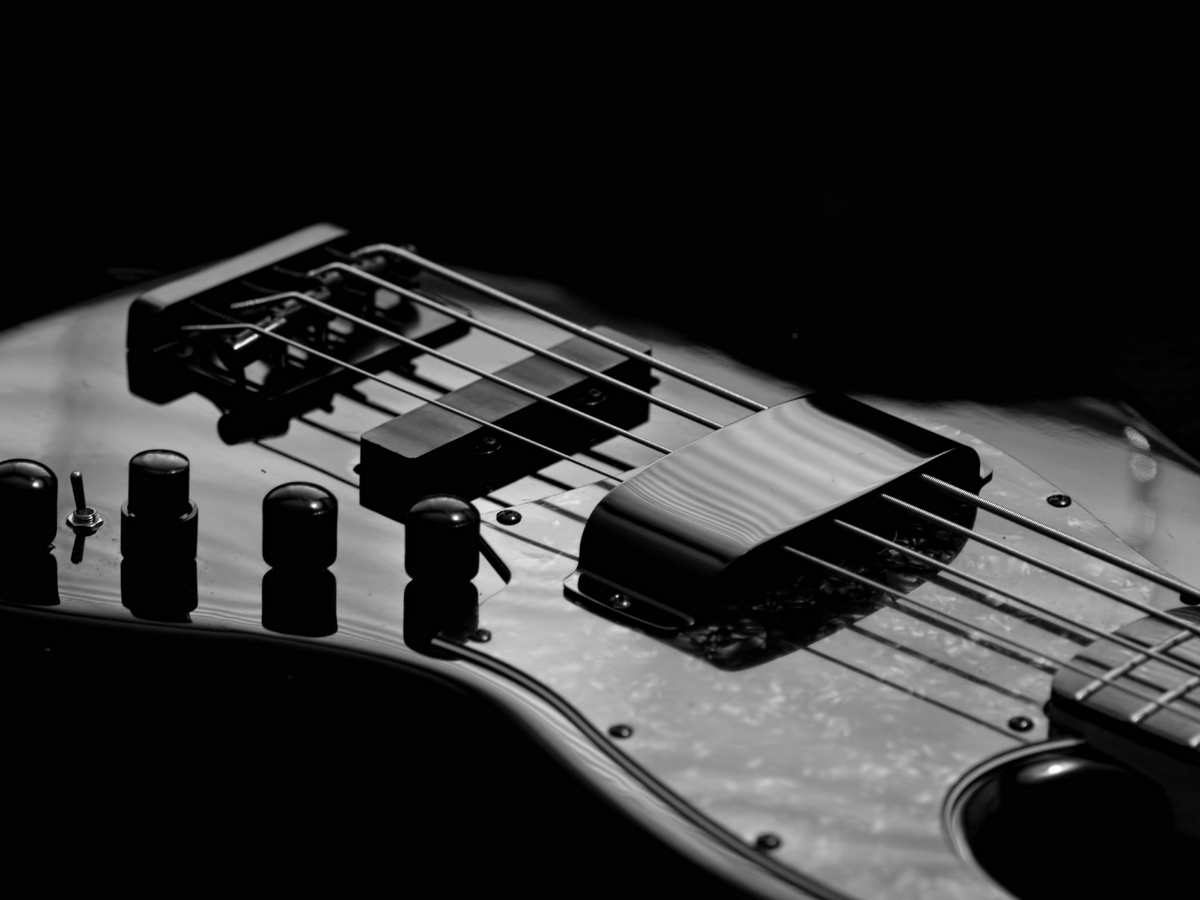
What made Joy Division stand out? Peter Hook's bass lines weren't just rhythm; they carried the melody, weaving through songs like a haunting thread. Bernard Sumner's guitar added icy, echoing layers. Stephen Morris's drumming felt mechanical yet human, driving the tracks forward. And Ian Curtis's voice – deep, urgent, almost desperate – made every lyric feel personal.
Producers Martin Hannett helped shape their unique sound at Strawberry Studios. He used echo, reverb, and space to make their music feel vast and empty, like Manchester's factories at night. This 'post-punk' style set them apart from faster punk bands, building something slower, deeper, and more atmospheric.
The Albums That Defined a Generation
Joy Division released just two studio albums, but both are masterpieces. *Unknown Pleasures* dropped in June 1979 on Factory Records. The cover, a pulsar wave image, became iconic. Songs like 'Disorder,' 'She's Lost Control,' and 'Transmission' mix driving rhythms with Curtis's baritone baritone vocals exploring love, loss, and mental struggles.
'She's Lost Control' stands out. Curtis wrote it about a friend with epilepsy, but it also mirrored his own seizures. The bass pulses like a heartbeat, guitar slices through fog, and the lyrics question reality: 'And she screamed out kicking on her side and said I've lost control again.' Fans still cover it, from indie acts to hip-hop samples.
Then came *Closer*, released in July 1980, weeks after Curtis's death. Tracks like 'Isolation,' 'Heart and Soul,' and 'Eternal' feel even more intense. 'Love Will Tear Us Apart' was a single that hit UK charts. Its video, shot before tragedy, shows Curtis dancing his jerky style – now a goth dance staple. The song's simple piano and bass make the pain universal.
These albums didn't chart huge at first, but grew legendary. *Unknown Pleasures* sold modestly then exploded in the 1980s post-punk revival. Critics call them blueprints for goth, indie, and synth music. In North America, college radio played them heavy, introducing US fans to Manchester's sound.
Ian Curtis: The Voice That Haunts
Ian Curtis was Joy Division's heart. At 23, he wrote lyrics from epilepsy battles, failed marriage, and factory job drudgery. Lines like 'When routine bites hard and ambitions are low' from 'Love Will Tear Us Apart' capture despair vividly. His stage presence – spasmodic dancing, mic swinging – mesmerized crowds.
Tragically, Curtis died by suicide in May 1980, aged 23, just before a US tour. The band was set to support Happy Mondays. His death shocked fans, but *Closer* honored his legacy. Documentaries like *24 Hour Party People* and *Control* (2007) retell his story, starring unknowns who captured the era.
Without Curtis, the remaining members became New Order. They blended post-punk with synths, scoring hits like 'Blue Monday.' Joy Division's end birthed a new icon, showing their influence rippled far.
Why North American Fans Love Joy Division Now
In the US and Canada, Joy Division resonates through modern scenes. Bands like Interpol, The Killers, and Editors cite them directly. Streaming platforms push their tracks to playlists – think 'Disorder' in indie or alt-rock mixes. TikTok dances to 'Love Will Tear Us Apart,' exposing Gen Z.
Festivals like Coachella or Lollapalooza feature tribute acts or covers. Goth nights in cities like Seattle, Toronto, or New York blast Joy Division. Their minimalist style fits lo-fi vibes young creators chase. Peter Hook tours with his band playing Joy Division sets, packing venues coast to coast.
Manchester's Factory Records vibe echoes in labels like Sub Pop or Matador, which launched Nirvana or Pavement. Joy Division's DIY ethic – no majors, own label – inspired punk ethos here. Their story of brevity and intensity appeals to youth facing uncertainty.
Key Songs Every New Fan Needs
Start with these essentials:
'Transmission': Urgent opener to their live energy, perfect intro.
'Disorder': Bass-driven thrill about starting over.
'Atmosphere': B-side beauty, all longing and piano.
'Dead Souls': Epic build, Curtis at peak power.
'Digital': Closer's punchy critique of modern life.
Stream *Unknown Pleasures* first – 40 minutes of pure immersion. Then *Closer* for the full arc. Live album *Still* adds rarities.
The Lasting Sound and Style
Joy Division's palette was simple: bass, guitar, drums, vocals. No solos, just tension-release cycles. Hook's high bass lines freed guitar for texture. Morris's toms echoed like machines. This minimalism influenced The Cure, Bauhaus, even Nine Inch Nails.
Visually, black clothes, pale faces, stark lights defined their goth look. Album art by Peter Saville – white on black, abstract – became timeless. It inspired countless sleeves, from The Strokes to Arctic Monkeys.
In North America, their myth grew via imports, mixtapes, fanzines. 1980s MTV played 'Love Will Tear Us Apart.' 2000s blogs revived them for emo kids. Today, Spotify algorithms link them to Phoebe Bridgers or The 1975.
From Manchester to Your Playlist
Manchester's rainy streets fueled Joy Division's gloom, but universal themes transcend. Curtis's lyrics on alienation speak to anyone – city kids, remote teens, anyone scrolling late. North American fans connect via shared anxiety culture.
Reissues keep them fresh: 2010s box sets with demos, BBC sessions. *Substance* compiles singles. Watch *Control* for Anton Corbijn's stark visuals matching the music.
Influence on Today's Music
Post-punk revival hit 2000s hard. Franz Ferdinand, Bloc Party owed bass riffs to Hook. Synth wave like CHVRCHES nods to New Order roots. Even hip-hop samples 'Interzone.'
Video games like *Cyberpunk 2077* feature them. TV shows use tracks for moody scenes. Their sound scores dystopias perfectly.
Legacy in Pop Culture
Movies, books, fashion borrow Joy Division. Haider Ackermann runway shows echo their style. Memes quote lyrics. Halloween outfits mimic Curtis.
Peter Hook's memoir *Unknown Pleasures* details the chaos. Bernard Sumner's *Chapter and Verse* adds layers. These books humanize the band.
How to Dive Deeper
Listen chronologically. Watch *Joy Division* doc. Visit Manchester virtually via Google Street View – Salford Lads Club, their hangout. Join Reddit's r/joydivision for fan art, covers.
Play bass like Hook – high up the neck. Learn 'Love Will Tear Us Apart' chords: simple for beginners. GarageBand their sound with delay effects.
Why They Matter in 2026
Amid AI hype and short attention spans, Joy Division reminds music can be profound. Their brevity – two albums, gone at peak – values quality over quantity. For North American youth, they're timeless rebels.
Stream them. Feel the bass. Understand why four lads from England still echo in your headphones.
So schätzen die Börsenprofis Aktien ein!

Für. Immer. Kostenlos.