
Why Elvis Presley Suddenly Feels Huge Again in 2026
22.02.2026 - 21:20:34 | ad-hoc-news.de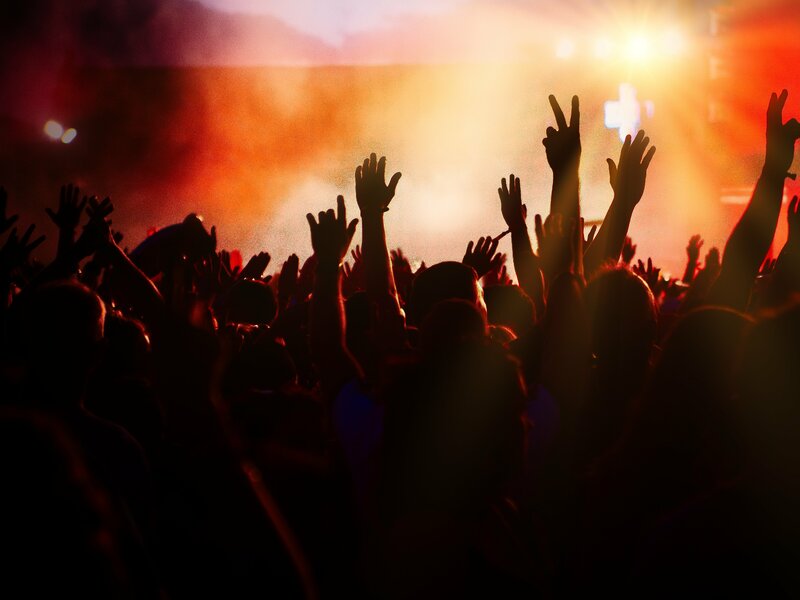
If it feels like Elvis Presley is somehow back in the room in 2026, you're not imagining it. From TikTok edits of Can't Help Falling in Love soundtracking Gen Z crushes, to new immersive experiences pulling fans to Memphis, Elvis is having another pop-culture surge – more than four decades after his death. And a huge part of that modern energy still flows through one address: Graceland.
Plan your own Elvis pilgrimage at Graceland's official site
You see it across socials: new fans discovering deep cuts, older fans revisiting the 68 Comeback Special, and everyone arguing about whether Elvis was the original "stan-able" solo pop star. So what exactly is happening with Elvis Presley in 2026, and why does it feel like the King is quietly winning the internet again?
The Backstory: Breaking News in Detail
Elvis isn't dropping a surprise album from the grave, but the moves around his legacy in 2026 are surprisingly current and tech?driven. While official estates and labels stay careful with AI and posthumous releases, they're clearly aware that the way people discover Elvis now is totally different from the CD era or even early Spotify.
Recent months have seen a wave of Elvis activity around anniversaries, reissues, and digital events. US entertainment outlets have highlighted fresh remasters of classic concert recordings, including deluxe versions of his early 70s live shows in Las Vegas. These upgraded releases lean hard into high?quality audio and Dolby Atmos mixes, aimed directly at younger streaming audiences with good headphones and home set-ups.
At the same time, Graceland continues to operate not just as a museum but as a constantly evolving Elvis hub. The official site regularly pushes themed weekends, birthday celebrations, and Elvis Week events in Memphis, often tied to key dates like his January 8 birthday and the August anniversary of his passing. Those events tend to include tribute concerts, screenings of restored performances, and Q&A sessions with musicians, historians, or people who worked with him. For fans, that means Elvis isn't just something to read about – it's something you can literally buy a ticket to experience, in person, in 2026.
Behind the scenes, catalog owners are clearly betting that Elvis can live comfortably in the same algorithmic space as Harry Styles, The Weeknd, Billie Eilish, and Olivia Rodrigo. That's why you're seeing playlist pushes like "Elvis Love Songs" on major streaming platforms, timed around Valentine's, or "Elvis at the Movies" when music-film discourse spikes. Sync placements are part of the strategy too: when a TV show or streaming movie drops a slowed-down or stripped-back Elvis track over a key romantic or devastating scene, TikTok grabs it, and suddenly a 60?year?old song is the sound of someone's situationship falling apart in 2026.
Even tribute tours in the US, UK, and Europe are feeding into the hype. While Elvis obviously isn't touring, high-production Elvis tribute shows and orchestral concerts where his original vocals are backed by a live band have become a steady live circuit. These productions often use original footage of Elvis performing on screen while a real orchestra or band plays the arrangements. For fans who never got to see him, it's the closest modern version of an "Elvis concert" – and it keeps his music on actual stages instead of just playlists.
All of this tells you why Elvis keeps resurfacing in your feed: the people responsible for his catalog and legacy are no longer treating him as a museum-only act. They're quietly positioning him as a streaming-era artist whose songs, image, and story can still collide with modern fan culture.
The Setlist & Show: What to Expect
Even though Elvis Presley isn't walking onstage, there is a pretty consistent "setlist" that defines how his music is presented in 2026 across tribute tours, Graceland events, and official releases. If you head to an Elvis-themed live show – whether it's a Vegas-style tribute in the US, a theatre tour in the UK, or an orchestral Elvis night in Europe – you can almost predict the core songs, and that predictability is part of why they still hit emotionally.
The staples are always there: Jailhouse Rock, Hound Dog, Heartbreak Hotel, Love Me Tender, Can't Help Falling in Love, Suspicious Minds, and Burning Love. Most shows build them into a loose narrative arc. Early rock 'n' roll bangers first, the tender ballads in the middle, and the big late?60s / 70s anthems for the final stretch. If the show leans into specific eras, you might get a dedicated 50s section packed with That's All Right, Blue Suede Shoes, and All Shook Up, then a mid-show vibe switch into the leather-clad 68 Comeback Special, with songs like One Night and Trying to Get to You.
Orchestral shows often go harder on his cinematic, sweeping material – think It's Now or Never, In the Ghetto, and The Wonder of You – because strings and brass make them feel massive in a modern concert hall. Meanwhile, more intimate tribute gigs might strip things down to just guitar, piano, and voice. In those, you're more likely to hear deep cuts like Tomorrow Is a Long Time, Blue Moon, or Any Day Now that remind people Elvis wasn't just showbiz – he could be subtle and soulful when he wanted.
Atmosphere-wise, don't picture a dusty nostalgia night. A lot of recent Elvis tribute shows skew surprisingly multi-generational. You'll see older fans who remember his 70s Vegas era sitting next to teens and 20-somethings who first heard him via a movie, a sample, or TikTok. In some venues, you'll even see fans cosplay different eras of Elvis: early rockabilly hair, gold lamé jacket energy, or full white jumpsuit with cape and sunglasses.
Setlists at Graceland-connected events usually follow a similar logic, especially during Elvis Week. Institutions and curators tend to lean into the performances fans obsess over the most: tracks from the 68 Comeback Special, key moments from his early Sun Records years like That's All Right, and emotional 70s power ballads such as Separate Ways or An American Trilogy. Part of the magic is context; hearing a song like Suspicious Minds inside or near the place where Elvis actually lived hits very differently than streaming it while you're doing dishes.
Even the posthumous "setlist" on streaming reflects what curators think fans want most now. Top playlists regularly position Can't Help Falling in Love as the central ballad, because it absolutely owns wedding playlists and "soft moments" edits online. Meanwhile, Suspicious Minds tends to be the default "Elvis goes epic" closer – the song you blast in the car or drop into a gym playlist when you need something dramatic and a bit messy. The tracks might be decades old, but they're being rearranged and recontextualized as if they just dropped.
What the web is saying:
Rumor Mill: What Fans Are Speculating
Because Elvis is larger than life and has been gone for decades, the rumor mill around him lives in a different space than normal pop gossip. You're not dealing with "Who is he dating?" or "Is he dropping a surprise single?" – it's more about how his image and music are being used, and what should or shouldn't be done with his voice in a tech-heavy era.
On Reddit – especially corners like r/Music and fan threads linked from r/OldSchoolCool or r/Oldies – one big talking point is AI recreations of Elvis's voice. Fans share unofficial AI covers of modern songs "in Elvis's voice" and then argue about whether it's a cool fantasy exercise or straight-up disrespectful. You'll see long threads where older fans say, "Elvis never consented to this", while younger ones counter that fan-made AI edits are just another form of tribute, similar to fan art or mashups.
There's also a constant debate about how far official channels should go with posthumous collabs. After seeing other estates pair classic voices with current stars, fans speculate about whether we'll ever get an authorized "Elvis x [modern artist]" track – maybe his vocals woven into a Billie Eilish ballad, a Weeknd slow jam, or a Post Malone country-leaning song. Some fans get hyped at the idea of Elvis suddenly reappearing on the Hot 100 via a clever collab. Others worry that the more you modernize him, the more you risk flattening what made his original recordings intense and weird and specific to their era.
Ticket prices and access also pop up in conversations, especially around big Elvis tribute tours and major Graceland events. While actual numbers vary by city and production, Reddit threads frequently feature fans comparing what they paid to see mid-level contemporary artists versus what a high-end Elvis tribute night costs. The consensus: serious Elvis productions, especially with full orchestras or multimedia staging, can run at premium prices. Fans trade tips on snagging cheaper seats, off-peak dates in Memphis, or bundled deals that let you hit Graceland, museums, and shows without emptying your savings.
Then there's the cultural discourse. TikTok and Twitter (X) regularly revive the old "Did Elvis steal Black music?" conversation, with younger creators unpacking his career in the context of 1950s segregation, Black rock 'n' roll pioneers, and the music industry structures he benefited from. Some fans are adamant you can't separate Elvis's success from systemic racism; others point to stories of him praising Black artists and cutting records written by Black songwriters as signs of genuine respect. The truth is messy and historical, and fans are still arguing about how to love the music while being honest about the context.
Another recurring fan theory: which era of Elvis would have thrived the most in the social media age? People imagine 50s Elvis going viral with chaotic TV performances, or 68 Comeback Elvis breaking the internet with a leather-clad live stream, or 70s Vegas Elvis leaning fully into meme culture, rhinestones and all. You see fan edits stitching together live footage with modern crowd reactions, essentially re-casting him as a current touring pop star rather than a black-and-white legend.
Underneath all the joking, the speculation comes from the same place: fans trying to pull Elvis closer to now. Whether they're debating AI ethics, pricing out a dream Memphis trip, or mapping which current artists carry pieces of his DNA, the rumor mill keeps Elvis alive as a topic, not just a statue on a shelf.
Key Dates & Facts at a Glance
| Type | Date / Era | Location / Detail | Why It Matters for Fans |
|---|---|---|---|
| Birth | January 8, 1935 | Tupelo, Mississippi, USA | The starting point of the Elvis story; his birthday is still celebrated worldwide each year. |
| First Single | July 1954 | Sun Records, Memphis | That's All Right is often cited as a key moment in rock 'n' roll history. |
| First Movie | 1956 | Hollywood | Love Me Tender kicked off his crossover from music into film stardom. |
| 68 Comeback Special | December 1968 (TV broadcast) | Recorded in Burbank, California | Revitalized his career with raw, live performances; still a fan-favorite era. |
| Las Vegas Residency Peak | Early 1970s | International Hotel, Las Vegas | Defined the "jumpsuit Elvis" era with powerful live shows and big arrangements. |
| Graceland Opens to Public | 1982 | Memphis, Tennessee | Turned his home into a global pilgrimage site for fans. |
| Major Anniversary Events | Every August | Memphis, around Graceland | Elvis Week draws fans worldwide for concerts, vigils, and fan meetups. |
| Streaming Era Growth | 2010s–2020s | Global | Elvis's catalog finds new life on playlists, TikTok, and syncs in film/TV. |
| Official Hub | Ongoing | graceland.com | The primary source for official events, exhibits, and visit planning. |
FAQ: Everything You Need to Know About Elvis Presley
Who was Elvis Presley in simple terms?
Elvis Presley was a US singer and performer who fused country, rhythm & blues, gospel, and pop into a new, explosive style that helped push rock 'n' roll into the mainstream. Born in Mississippi and raised in Memphis, he went from working-class kid to global phenomenon in just a few years. His voice could swing from playful to heartbreaking in one line, and his stage presence – hip-shaking, smirking, completely unbothered by 1950s norms – made him feel dangerous and irresistible to young audiences at the time.
For modern listeners, you can think of him as a prototype for the solo pop star who dominates everything: TV, film, radio, live shows, merch, and cultural conversation. The way people obsessed over Michael Jackson, Beyoncé, Harry Styles, or Taylor Swift in their peak eras? Elvis was that level of obsession, in an era with far less media, which magnified every move he made.
Why is Elvis still relevant to Gen Z and Millennials?
A lot of it comes down to the music aging surprisingly well and the story behind it feeling dramatic enough for streaming-era brains. Songs like Can't Help Falling in Love, Suspicious Minds, and In the Ghetto hit emotional beats that still translate: soft, devastating love, messy breakups, and social commentary, all wrapped in melodies you can hum on first listen.
On top of that, the way his image has been remixed – in movies, fashion, and fan edits – makes him feel more like a living aesthetic than a dusty history-book figure. There's the leather-jacket rebel, the uniformed soldier, the glam 70s showman, the vulnerable ballad singer. If you're into curated vibes, Elvis is basically a one-man Pinterest board you can soundtrack your life with.
What is Graceland, and why do fans care about it so much?
Graceland is the Memphis mansion Elvis bought in 1957 and lived in for two decades. After his death, it was eventually opened to the public and turned into one of the most famous music-related tourist destinations on the planet. Walking through Graceland gives fans a physical connection to the person behind the mythology: the jungle room, the trophies, the cars, the costumes – it's all there.
For many fans, visiting Graceland feels less like a museum trip and more like a pilgrimage. They time their visits around big dates like his birthday in January or Elvis Week in August, when the site hosts concerts, candlelight vigils, and fan gatherings. The official website, graceland.com, serves as the central hub for planning those trips, seeing what's new in the exhibits, and buying tickets in advance.
How did Elvis change music and pop culture?
Musically, Elvis was one of the first mainstream stars to bring the energy of Black rhythm & blues, Southern gospel, and country together in a way that white US radio and television couldn't easily ignore. When you hear the raw early sides like That's All Right and Good Rockin' Tonight, you can feel how rough and alive they are compared with the smoother pop of the era.
In pop culture terms, his TV performances in the mid-1950s rewired what a young male star could be on screen: sexy, playful, and unpredictable. He broke the idea that you had to stand still and croon. That stage language filters through basically every expressive pop frontperson since. Even if modern acts don't sound like Elvis, they live in a world that his disruption helped create.
What are the essential Elvis songs to start with if you're new?
If you want a fast crash course, start with a tight mix of hits and a couple of deeper cuts:
- Hound Dog – pure early rock energy and attitude.
- Jailhouse Rock – big, cartoonish, and ridiculously catchy.
- Can't Help Falling in Love – the go-to love song, still wrecking hearts in 2026.
- Suspicious Minds – messy relationship drama set to an epic arrangement.
- In the Ghetto – a more serious, story-driven track.
- Burning Love – 70s Elvis in full blast mode.
- If I Can Dream – soaring and emotional, tied to the 68 Comeback era.
From there, you can dive into full albums or era-based compilations: the Sun Records material for the raw, beginning-of-rock feel; the 60s soundtracks if you want peak kitsch; the live 1969–1972 shows if you’re drawn to the big-band, fully arranged side of him.
Is there any new Elvis music coming out in 2026?
You're not going to see a brand-new studio album of original songs recorded by Elvis, because his lifetime recordings are finite. What you might see, and what labels often explore around anniversaries, are expanded editions of classic albums, upgraded mixes of live shows, or newly restored concert films. Sometimes those releases include alternate takes, studio chatter, or rare performances that hardcore fans have wanted in better quality for years.
There's also the possibility of curated compilations built for modern moods: "late night Elvis", "Sad Elvis", "Elvis at the movies", and more. While those aren't "new" in the sense of never-before-heard songs, the framing matters. The right playlist or reissue can completely change how a new listener experiences him.
How can you experience Elvis in 2026 without flying to Memphis?
If a Graceland trip isn't realistic right now, you still have options. First stop: streaming platforms. Most of Elvis's core catalog is available, and curated playlists make it easy to move from "greatest hits only" into deeper album cuts and live recordings.
Next, check your local gig listings. Many cities host Elvis tribute nights or touring productions, especially around important dates like his birthday or the August anniversary. These can range from intimate bar shows to full-on theatre productions with costumes and choreography. They won't replace seeing Elvis himself, but they give you a sense of how his songs land in a room full of people.
Finally, lean into fan spaces online. YouTube is full of restored TV appearances, concert clips, and fan-made documentaries. Reddit, TikTok, Instagram, and X host endless arguments, memes, and edits. One night of falling down that rabbit hole, and you suddenly understand why "Elvis Presley" still trends in a year dominated by entirely new artists.
Hol dir den Wissensvorsprung der Profis.
Seit 2005 liefert der Börsenbrief trading-notes verlässliche Trading-Empfehlungen – dreimal die Woche, direkt in dein Postfach. 100% kostenlos. 100% Expertenwissen. Trage einfach deine E-Mail Adresse ein und verpasse ab heute keine Top-Chance mehr.
Jetzt abonnieren.


